Chocolate frosting is the crowning glory of any cake or cupcake, transforming a simple bake into a decadent treat. Whether you’re a novice baker or a seasoned pro, mastering this essential component elevates your desserts to restaurant quality. This guide dives deep into everything you need to know about creating the perfect chocolate frosting—from basic recipes to advanced techniques, troubleshooting common issues, and innovative ways to use it beyond traditional cakes.
Why Chocolate Frosting Matters in Baking
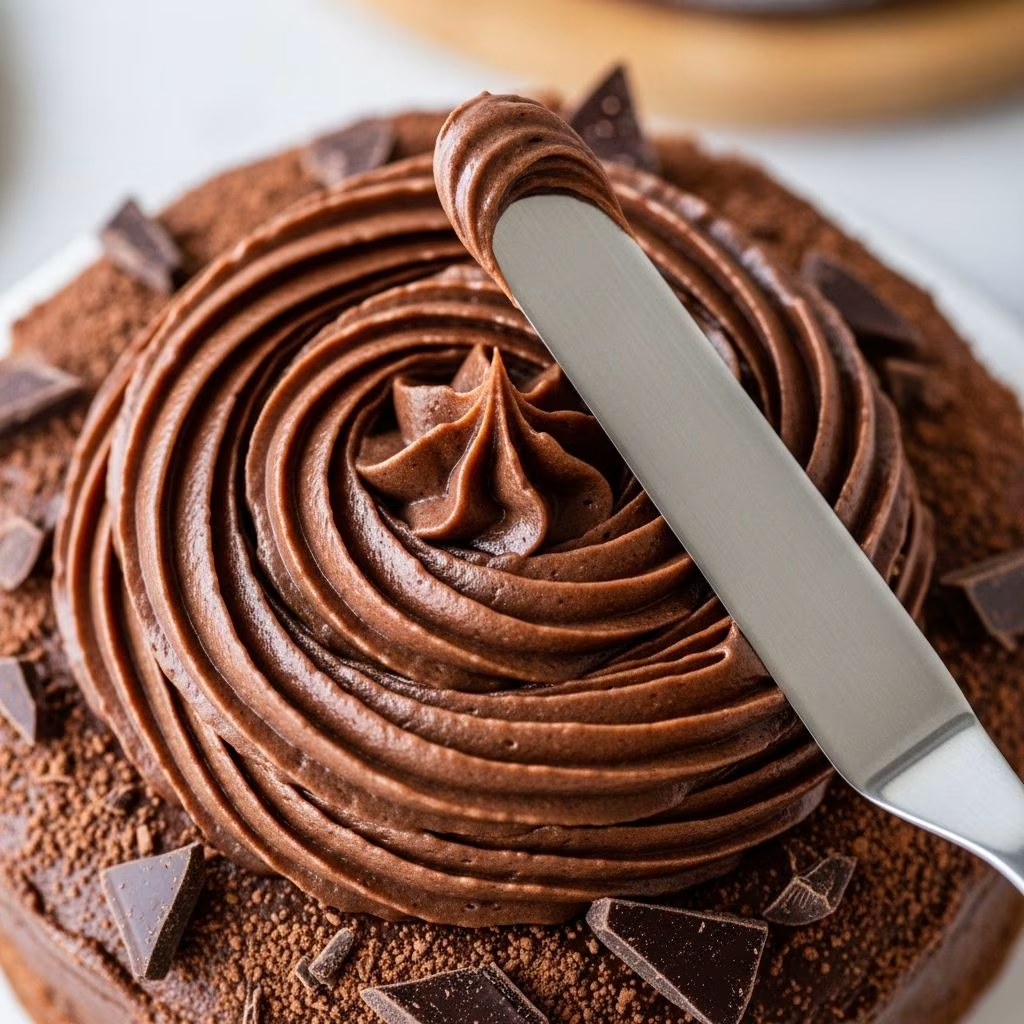
The right frosting doesn’t just add sweetness; it balances flavors, provides structure, and delivers that irresistible mouthfeel. A good chocolate frosting should be smooth, spreadable, and pipeable, with a rich cocoa taste that complements the cake beneath it. Unlike glazes or ganaches, frosting holds its shape for decorations and can be customized for dietary needs or flavor profiles.
Historically, chocolate frosting evolved from simple butter-sugar mixes in the 19th century to sophisticated buttercreams today. Modern recipes draw from French and American techniques, blending butter, sugar, cocoa, and cream for optimal results. Understanding its science—emulsification of fats and sugars—helps you avoid pitfalls like graininess or separation.
Essential Ingredients for Superior Frosting
Great frosting starts with quality ingredients. Here’s what you need:
- Unsalted butter: Room temperature for aeration and creaminess. Avoid margarine for better flavor.
- Cocoa powder: Dutch-processed for smoother, less acidic taste; natural for brighter chocolate notes.
- Powdered sugar: Sifted to prevent lumps; provides structure without cooking.
- Heavy cream or milk: For fluidity and lightness.
- Vanilla extract: Pure for depth; enhances chocolate without overpowering.
- Salt: A pinch balances sweetness.
Pro tip: Use high-fat European-style butter (82%+) for richer results. For vegan versions, substitute coconut oil or plant-based butter and almond milk.
Classic American Chocolate Buttercream Recipe
This foolproof recipe yields about 3 cups, enough for a 9-inch layer cake. Prep time: 10 minutes.
| Ingredient | Amount |
|---|---|
| Unsalted butter, softened | 1 cup (2 sticks) |
| Dutch-process cocoa powder, sifted | 3/4 cup |
| Powdered sugar, sifted | 4 cups |
| Heavy cream | 1/4 cup |
| Vanilla extract | 2 tsp |
| Kosher salt | 1/4 tsp |
- Beat butter on medium speed until creamy, about 2 minutes.
- Gradually add cocoa and salt, mixing until combined.
- Alternate adding powdered sugar and cream, starting and ending with sugar. Beat on low, then high for 3 minutes until fluffy.
- Mix in vanilla. Adjust consistency with more cream if needed.
Store in an airtight container at room temp for 1 day or refrigerate up to 1 week. Bring to room temp and re-whip before use.
Flavor Variations to Elevate Your Frosting
Customize your frosting for unique desserts:
- Mocha: Add 2 tbsp espresso powder dissolved in cream for coffee-chocolate bliss.
- Mexican Chocolate: Stir in 1 tsp cinnamon and a pinch of cayenne for spicy warmth.
- Peanut Butter: Blend in 1/2 cup smooth peanut butter after sugar for PB-chocolate fusion.
- Mint: Incorporate 1/2 tsp peppermint extract and green food coloring.
- Boozy: Replace 1 tbsp cream with bourbon or rum for adult treats.
Experiment with add-ins like melted dark chocolate (4 oz) for fudgier texture or espresso for intensity.
Advanced Techniques for Pro-Level Results
To achieve pastry-chef smoothness:
Paddle vs. Whisk: Use paddle attachment for buttercream to minimize air bubbles. Whip only at the end for fluffiness.
Temperature Control: Butter at 65-68°F (18-20°C) ensures proper emulsion. Cold butter leads to curdling; too warm melts.
Sifting is Key: Always sift cocoa and sugar to eliminate lumps that ruin texture.
Swiss Meringue Buttercream Upgrade: For stable, silky frosting, cook sugar with egg whites to 160°F, then whip into meringue before adding butter and chocolate. Holds up in heat better than American-style.

Troubleshooting Common Frosting Problems
Even pros face issues. Here’s how to fix them:
| Problem | Cause | Solution |
|---|---|---|
| Grainy texture | Unsifted sugar/cocoa | Sift ingredients; blend longer |
| Too thick | Too much sugar | Add cream 1 tsp at a time |
| Soupy or separated | Overwarmed butter | Chill 15 min, re-beat |
| Dull flavor | Low-quality cocoa | Use premium brands like Valrhona |
| Not chocolatey enough | Not enough cocoa | Increase by 2 tbsp |
Storage, Freezing, and Make-Ahead Strategies
Frosting is forgiving for planning ahead:
- Room Temp: 2 days in airtight container.
- Fridge: Up to 2 weeks; cover surface with plastic to prevent crusting.
- Freezer: 3 months in freezer bags. Thaw overnight in fridge, then soften and whip.
For cakes, apply crumb coat first: thin layer to seal crumbs, chill 15 min, then final coat.
Creative Uses Beyond Cakes
Don’t limit frosting to tops:
- Cupcake Filling: Core cupcakes, pipe inside for surprise center.
- Sandwich Cookies: Spread between chocolate wafers.
- Fruit Dip: Thin with cream for strawberries or pretzels.
- Brownies: Swirl on top before baking for crackly top.
- Milkshakes: Blend a scoop into ice cream base.
FAQ: Your Chocolate Frosting Questions Answered
How much frosting for different cake sizes?
8-inch cake: 2 cups; 9-inch: 3 cups; 12 cupcakes: 2 cups.
Can I make it dairy-free?
Yes! Use vegan butter, oat milk, and dairy-free cocoa.
Why is my frosting greasy?
Butter was too warm or poor emulsification. Chill and re-whip.
How to color chocolate frosting?
Gel colors work best; add after sugar for even distribution.
Does it crust over?
American buttercream doesn’t; add 1 tbsp shortening for light crusting.
Nutrition and Dietary Adaptations
A 2 tbsp serving has approx. 200 calories, mostly from butter and sugar. For lighter versions, use Greek yogurt instead of some butter or reduce sugar by 1/2 cup (taste adjusts). Keto: Swap sugar for erythritol and allulose blend.
References
- Food Chemistry — Belitz, H.-D., et al. (Wiley). 2009-04-15. https://www.wiley.com/en-us/Food+Chemistry%2C+4th+Edition-p-9783540699330
- On Food and Cooking: The Science and Lore of the Kitchen — McGee, Harold. Scribner. 2004-11-23. https://us.macmillan.com/books/9780684800011/onfoodandcooking
- USDA FoodData Central: Cocoa Powder Nutrition — United States Department of Agriculture. 2023-01-12. https://fdc.nal.usda.gov/fdc-app.html#/food-details/169593/nutrients
Word count: 1678