When planning a Thanksgiving menu, few side dishes carry as much tradition and comfort as yams. Whether you prefer the indulgent sweetness of candied versions or lighter preparations that highlight the natural flavors of the ingredient, understanding the fundamentals of yam preparation can elevate your holiday meal. This comprehensive guide explores multiple approaches to preparing this beloved vegetable, offering techniques suitable for cooks of all skill levels.
Understanding Your Ingredient: Yams vs. Sweet Potatoes
An important distinction to clarify before beginning: in North American cuisine, what most people refer to as yams are actually sweet potatoes. True yams are starchy tubers native to Africa and Asia, rarely found in standard American grocery stores. For Thanksgiving preparations, you’ll be using sweet potatoes, typically identifiable by their orange flesh and thin skin. The medium-sized specimens work best for most recipes, allowing for even cooking without excessive preparation time.
Foundational Preparation Techniques
Proper preparation sets the foundation for successful yam dishes. Begin by selecting firm specimens with minimal blemishing. Wash them thoroughly under running water and use a vegetable brush to remove any clinging soil. For recipes requiring peeling before cooking, a sharp vegetable peeler or knife works effectively, though some cooks prefer peeling after cooking when the skin separates more easily from the flesh.
The cooking method influences final texture significantly. Boiling remains the most common approach, though it requires attention to avoid overcooking. Slice yams into uniform pieces approximately three-quarter inch thick to ensure even cooking. Submerge them in water and bring to a boil, then reduce heat to a simmer. Fork-tender yams typically require fifteen to twenty minutes depending on thickness. Test frequently to prevent mushiness, which compromises texture when mashing or chunking.
The Traditional Candied Approach
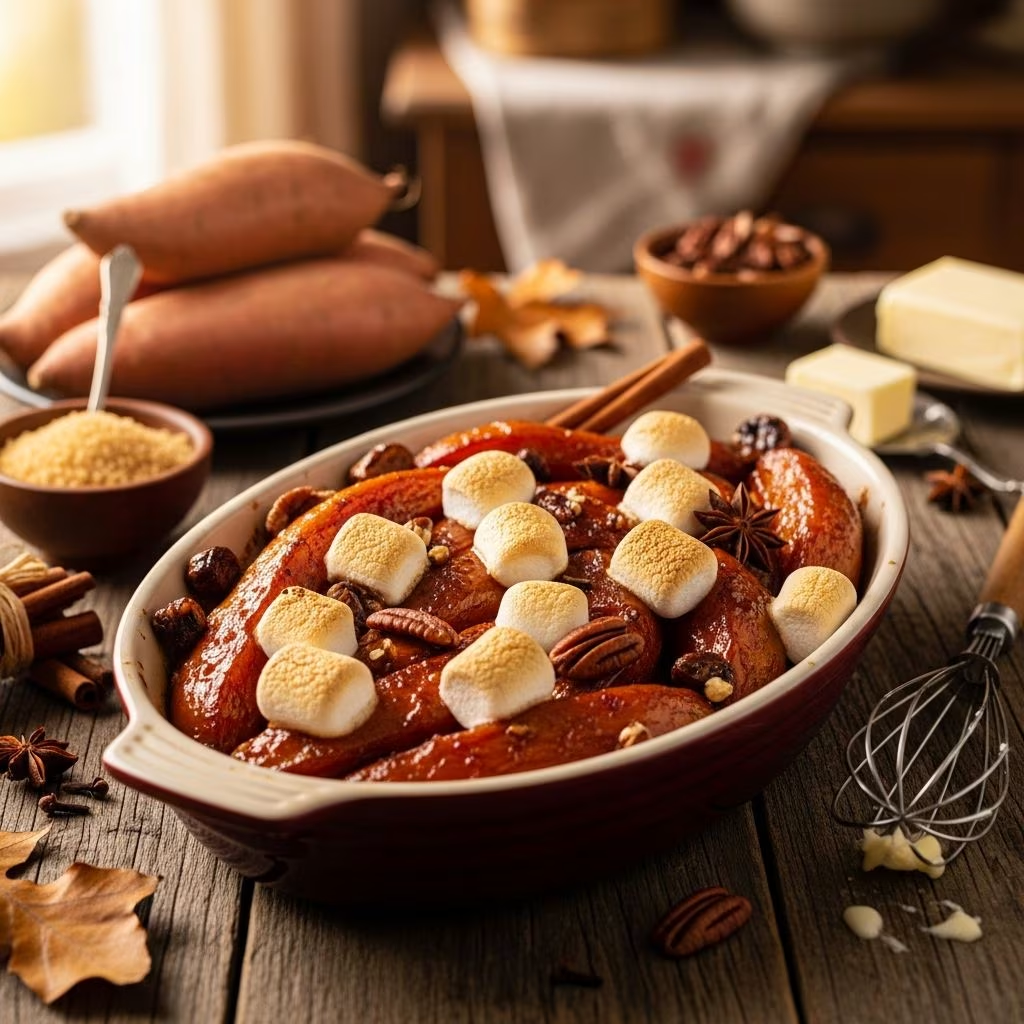
Candied yams represent the most iconic Thanksgiving preparation, combining natural sweetness with caramelized sugar and warm spices. This method transforms simple ingredients into a rich, indulgent side dish that many consider essential to the holiday table.
Classic Candied Yam Composition
The foundation of traditional candied yams involves layering peeled and sliced yams with a mixture of sugars, butter, and spices in a baking vessel. The most common formula uses both brown sugar and granulated sugar, creating complex sweetness with depth that single-sugar versions lack. Butter melts into the sugar, forming a syrup that bathes the yams during cooking.
Spice selection drives the flavor profile. Ground cinnamon provides warmth and familiarity, while nutmeg adds subtle earthiness. Some recipes incorporate vanilla extract for rounded sweetness, while citrus elements like orange juice concentrate or zest introduce brightness that prevents the dish from becoming cloying. Salt, though often overlooked, plays a crucial role in balancing sweetness and enhancing other flavors.
Cooking Techniques for Optimal Results
Two primary cooking methods achieve excellent candied yams: stovetop simmering and oven baking. The stovetop approach involves combining all ingredients in a large pot or pan, bringing the mixture to a boil, then reducing heat to medium-low for gentle simmering. This method requires approximately twenty to twenty-five minutes, with the cook watching for fork tenderness while the liquid reduces into a syrupy glaze. Occasionally stirring ensures even cooking and prevents sticking.
Oven baking represents a more hands-off approach. Layer ingredients in a casserole dish and bake covered at a moderate temperature for approximately one hour. The gentle, even heat produces exceptionally tender yams without requiring attention. Once tender, you can uncover the dish to allow any excess liquid to reduce further, concentrating the flavors into a glossy coating.
Marshmallow Topping Variations
Many families incorporate marshmallow toppings, creating a contrast between the creamy yams and toasted marshmallow exterior. This addition works best when added during the final stages of cooking. For oven-baked yams, distribute mini marshmallows over the surface during the last five to ten minutes of baking, watching carefully to prevent over-browning. Alternatively, marshmallows can be added to finished yams and broiled briefly until golden.
Modern Lighter Preparations
Contemporary approaches to Thanksgiving yams emphasize natural flavors and reduced sugar content, appealing to health-conscious diners while maintaining holiday appeal.
Spiced Mash with Citrus Notes
This preparation begins with boiling peeled yam cubes until soft, then mashing while maintaining slight texture variation. Instead of relying on sugar for sweetness, pure maple syrup provides natural sweetness in modest quantities. Grassfed butter or alternative fats like ghee or coconut oil create richness without excess. The spice profile mirrors traditional versions—nutmeg, cloves, and cinnamon—but fresh citrus juice and zest brighten the overall flavor, preventing heaviness.
The beauty of this approach lies in its flexibility and quick preparation. The entire process from peeling to serving requires approximately thirty minutes, making it manageable even during hectic holiday schedules. The result appeals to multiple dietary preferences, working for dairy-free preparations when coconut oil substitutes for butter.
Strategic Make-Ahead Planning
One significant advantage of yam dishes is their capacity for advance preparation. Many recipes actually improve when made one to two days ahead, allowing flavors to meld and intensify. Prepare candied yams completely, then store covered in the refrigerator. Reheat gently in a three-hundred-fifty-degree oven for approximately thirty minutes until warmed through, covering with foil to prevent excessive browning.
Alternatively, assemble all ingredients in the baking dish, cover with plastic wrap, and refrigerate unbaked. This strategy allows you to simply pop the dish in the oven when needed, eliminating last-minute stress. Add marshmallow toppings only immediately before final cooking to maintain their optimal texture.
Ingredient Selection and Substitutions
While yams remain the essential component, flexibility exists in supporting ingredients. Sugar ratios can decrease for lighter dishes without sacrificing pleasantness. Brown sugar imparts molasses notes that many prefer over granulated sugar alone, though adjusting ratios maintains balance. For dairy-free preparations, coconut oil successfully replaces butter, though grassfed butter produces superior flavor when dietary restrictions permit.
Sweetened condensed milk, included in some recipes, creates exceptional creaminess when stirred into finished yams. This ingredient absorbs quickly, transforming chunky preparations into velvety texture without excessive liquid. For those avoiding sweetened versions, evaporated milk provides similar texture with less added sugar.
Troubleshooting Common Challenges
Overcooked yams become mushy and lose structural integrity, resulting in unpleasant texture. Prevent this by setting timers and testing frequently during cooking rather than adhering rigidly to recipe timing. Alternatively, start with slightly firmer yams and monitor closely as they approach doneness.
Excessively sweet results indicate sugar quantities exceeded personal preference. Future preparations can reduce sugar proportions while maintaining the fundamental recipe structure. Remember that flavors intensify as dishes cool, so a balanced dish while warm might taste overly sweet once cooled.
Insufficient caramelization suggests insufficient cooking time or heat level too low. Increase oven temperature slightly or extend cooking duration, uncovering the dish to allow reduction of liquid into syrup.
Flavor Enhancement Strategies
Beyond basic ingredients, creative additions elevate yam dishes distinctly. Warm spices like cloves, allspice, and ginger add complexity. Citrus elements—orange zest and juice, or lemon—introduce brightness. Vanilla extract rounds and deepens sweetness. For adventurous palates, a whisper of cayenne or black pepper creates surprising sophistication.
Nut elements like pecans or walnuts, either stirred into the dish or sprinkled atop, introduce textural contrast and earthy notes. Coconut flakes provide tropical undertones. Even a touch of rum or bourbon extract imparts holiday character without alcohol content.
Frequently Asked Questions
Can I use canned yams?
Yes, canned sweet potatoes offer significant convenience, requiring only five minutes of hands-on preparation and producing finished dishes in approximately thirty minutes. Drain canned yams thoroughly and proceed with recipes as written, though reduce overall cooking time substantially since the product is pre-cooked.
How far in advance can I prepare yams?
Fully prepared candied yams store refrigerated for two to three days. Assembled but uncooked dishes keep for approximately two days. Both reheat successfully in a moderate oven until warmed through.
What portion size should I prepare?
Plan approximately one-half cup to three-quarter cup per person. For a family of eight, three to four pounds of fresh yams yields appropriate quantities.
Can yams freeze successfully?
Cooked yam dishes freeze well for up to three months. Thaw overnight in the refrigerator before reheating. Marshmallow toppings may lose structural integrity through freezing, so add these after reheating.
Are there nutritional benefits to yams?
Sweet potatoes provide excellent vitamin A content, fiber, and various minerals. Preparations emphasizing natural preparation methods retain these nutritional advantages more effectively than heavily sugared versions.
References
- Real Simple Good Thanksgiving Yams Recipe — Real Simple Good. Accessed April 2026. https://realsimplegood.com/thanksgiving-yams/
- Old Fashioned Candied Thanksgiving Yams — Handmade Farmhouse. Accessed April 2026. https://handmadefarmhouse.com/old-fashioned-candied-thanksgiving-yams/
- Southern Candied Yams Recipe – Stove Top — Whisk It Real Gud. Accessed April 2026. https://whiskitrealgud.com/southern-candied-yams-recipe-stove-top/
- The Best Southern Candied Yams — Sweet Tea + Thyme. Accessed April 2026. https://www.sweetteaandthyme.com/candied-yams-recipe-southern/
- Candied Yams with Marshmallows — Kitchen Gidget. Accessed April 2026. https://www.kitchengidget.com/2017/12/09/candied-yams-with-marshmallows/
- Candied Yams — Love From The Oven. Accessed April 2026. https://www.lovefromtheoven.com/candied-yams/
- The Best Southern Soul Food Candied Yams — Pink Owl Kitchen. Accessed April 2026. https://pinkowlkitchen.com/southern-candied-yams-old-fashioned-soul-food-recipe/