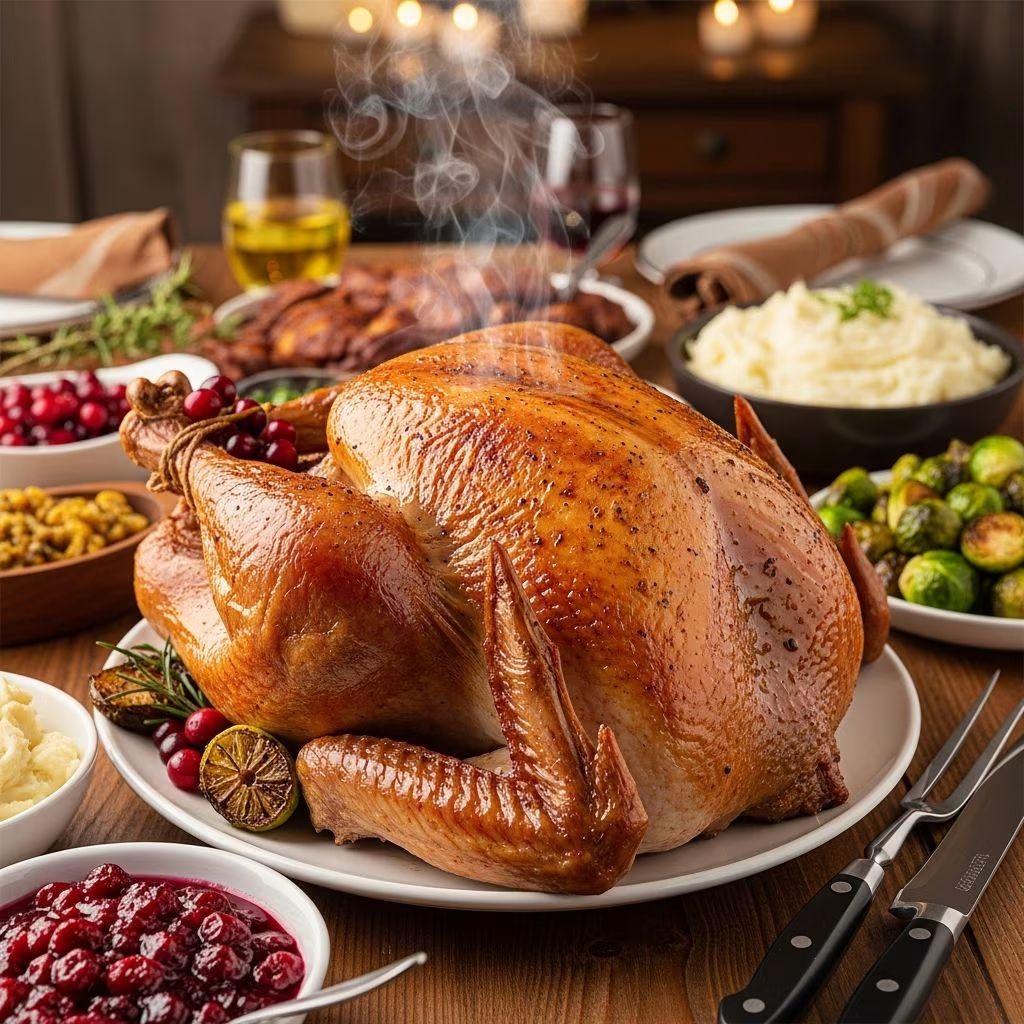
Thanksgiving centers around the turkey, yet many home cooks face challenges that result in disappointing results. From dry meat to food safety issues, simple oversights can derail the meal. This guide outlines key errors and provides practical solutions drawn from culinary best practices to ensure your turkey shines as the holiday star.
Planning Ahead: Thawing and Prep Essentials
Success begins long before the oven heats up. Rushing the preparation phase leads to uneven cooking and potential hazards.
- Allow ample thawing time: Place frozen turkeys in the refrigerator, budgeting 24 hours per 4-5 pounds. For a 12-pound bird, this means 3 days. Refrigerator thawing prevents bacterial growth better than cold water methods, which require frequent changes every 30 minutes.
- Avoid partial freezing: Cooking from a semi-frozen state causes the exterior to overcook while the interior lags, risking underdone areas.
- Skip the rinse: Washing the turkey splashes bacteria around your kitchen sink and counters, increasing cross-contamination without improving safety.
Pro tip: Mark your calendar days in advance. Once thawed, keep the turkey refrigerated until ready to cook.
Tempering for Uniform Cooking
Placing a cold turkey straight into a hot oven shocks the meat, leading to uneven doneness. Let it sit at room temperature for 1-2 hours beforehand—the larger the bird, the longer the tempering.
This step equalizes the internal temperature, reducing total cooking time and preserving moisture. Cover loosely with foil if concerned about surface bacteria, but airflow helps dry the skin for crispiness.
Seasoning Strategies for Bold Flavor
A bland turkey disappoints even the most patient guests. Under-seasoning happens because whole birds are massive and hard to penetrate.
- Generous salting: Apply kosher salt inside the cavity, under the skin, and all over. For a 12-15 pound turkey, use 2-3 tablespoons. Do this 24 hours ahead if brining isn’t an option.
- Layer flavors: Slip herb butter (softened butter mixed with garlic, rosemary, thyme, and sage) under the skin of breasts and thighs. Rub the exterior with olive oil and sprinkle black pepper, paprika, or onion powder.
- Brining basics: Submerge in a saltwater solution (1 cup salt per gallon water) for 12-24 hours. Rinse and pat dry afterward to avoid excess saltiness.
These techniques ensure every bite bursts with taste, transforming a plain bird into a memorable centerpiece.
Elevating Your Roast: Rack and Position Matters
Cooking directly in the pan steams the bottom, yielding soggy skin and uneven heat distribution. Always use a roasting rack.
- Rack benefits: Hot air circulates fully, crisping the skin while juices collect below for gravy.
- Alternative setups: Add 1-2 cups water or broth to the pan for a steamy environment that keeps meat moist without direct contact.
- Flip technique: Start breast-side down for the first hour to shield tender white meat while dark meat catches up, then rotate for even browning. Use oven mitts and a helper for large birds.
For low-and-slow results, maintain 325°F. This temperature renders fat gradually without drying out the flesh.
Stuffing Separately for Safety and Taste
Stuffing the cavity seems traditional, but it delays turkey cooking and risks undercooked filling.
| Issue | Why Avoid | Solution |
|---|---|---|
| Food Safety | Stuffing needs 165°F internal temp; turkey hits this later. | Bake stuffing in a casserole dish alongside. |
| Overcrowding | Blocks heat flow, steaming instead of roasting. | Fill cavity with aromatics like onions, lemons, carrots. |
| Flavor Boost | Absorbs turkey juices indirectly. | Mix in pan drippings post-cook. |
Aromatics perfume the meat without the hazards. Bake stuffing to golden perfection separately for better texture.
Precision Cooking with Thermometers
Guessing doneness by time or color leads to dry or dangerous results. Invest in an instant-read or probe thermometer.
- Target temps: Breast at 160°F, thigh at 170-175°F (carryover cooking raises them 5-10°F while resting).
- Probe placement: Thickest part of thigh or breast, avoiding bone.
- Avoid peeking: Opening the oven drops temperature 50°F or more, extending cook time. Rely on timers and probes.
For a 15-pound turkey, expect 3-4 hours at 325°F, but always verify with temperature.
Preventing Dryness: Moisture Mastery
Dry turkey stems from high heat, no basting plan, or skipping safeguards.
- Shield the breast: Tent foil over it after browning if it cooks too fast.
- Baste wisely: Every 30-45 minutes with pan juices, but don’t overdo it—opening the oven too often cools it down.
- Bag or foil options: Roasting bags trap steam for juiciness; open at the end for crisp skin.
Heritage breeds with more fat self-baste, but standard birds benefit from these tricks.
The Vital Rest Period
Carving immediately releases juices, leaving dry slices. Rest tented in foil for 20-45 minutes.
This allows redistribution, keeping meat succulent. Use the time to make gravy from drippings. Minimum 20 minutes for small birds, up to an hour for giants.
Carving and Serving Like a Pro
Proper technique preserves presentation and moisture.
- Remove legs first for easier access.
- Slice breast against the grain into thin pieces.
- Separate thighs and drumsticks; slice dark meat off the bone.
- Arrange on a platter with herbs for appeal.
Keep warm in a low oven if delaying service.
Oven Management and Troubleshooting
Multiple dishes compete for space, so prioritize.
- Preheat fully: 30 minutes at target temp.
- Rotate if needed: Ovens have hot spots.
- Common fixes: If skin sticks, loosen with oil; for pale color, broil briefly at end.
Monitor with an oven thermometer for accuracy.
FAQ: Thanksgiving Turkey Quick Answers
Q: How long does a 20-pound turkey take?
A: About 4-5 hours at 325°F; check temps, not clock.
Q: Can I cook a frozen turkey?
A: No—add 50% more time, but thawing is safer and better.
Q: What’s the best brine?
A: Basic salt-water with sugar, herbs; 12-24 hours max.
Q: How to get crispy skin?
A: Pat dry, oil rub, high initial heat or air-dry overnight uncovered.
Q: Safe leftovers?
A: Refrigerate within 2 hours; reheat to 165°F.
Final Thoughts on Holiday Success
Mastering turkey cooking elevates your Thanksgiving. Focus on prep, precision, and patience for rave reviews. Practice these steps, and your bird will be the talk of the table. Experiment yearly to refine your signature style.
References
- 5 common mistakes when cooking a turkey on Thanksgiving — FOX 26 Houston. 2023-11-20. https://www.fox26houston.com/news/5-common-mistakes-thanksgiving-turkey
- Ask Chef Walter: Thanksgiving turkey common mistakes — RI News Today. 2023-11-22. https://rinewstoday.com/ask-chef-walter-thanksgiving-turkey-common-mistakes-walter-potenza/
- 10 Biggest Turkey Cooking Mistakes And How to Avoid Them — Omaha Steaks Blog. 2023-11-15. https://www.omahasteaks.com/blog/turkey-cooking-mistakes/