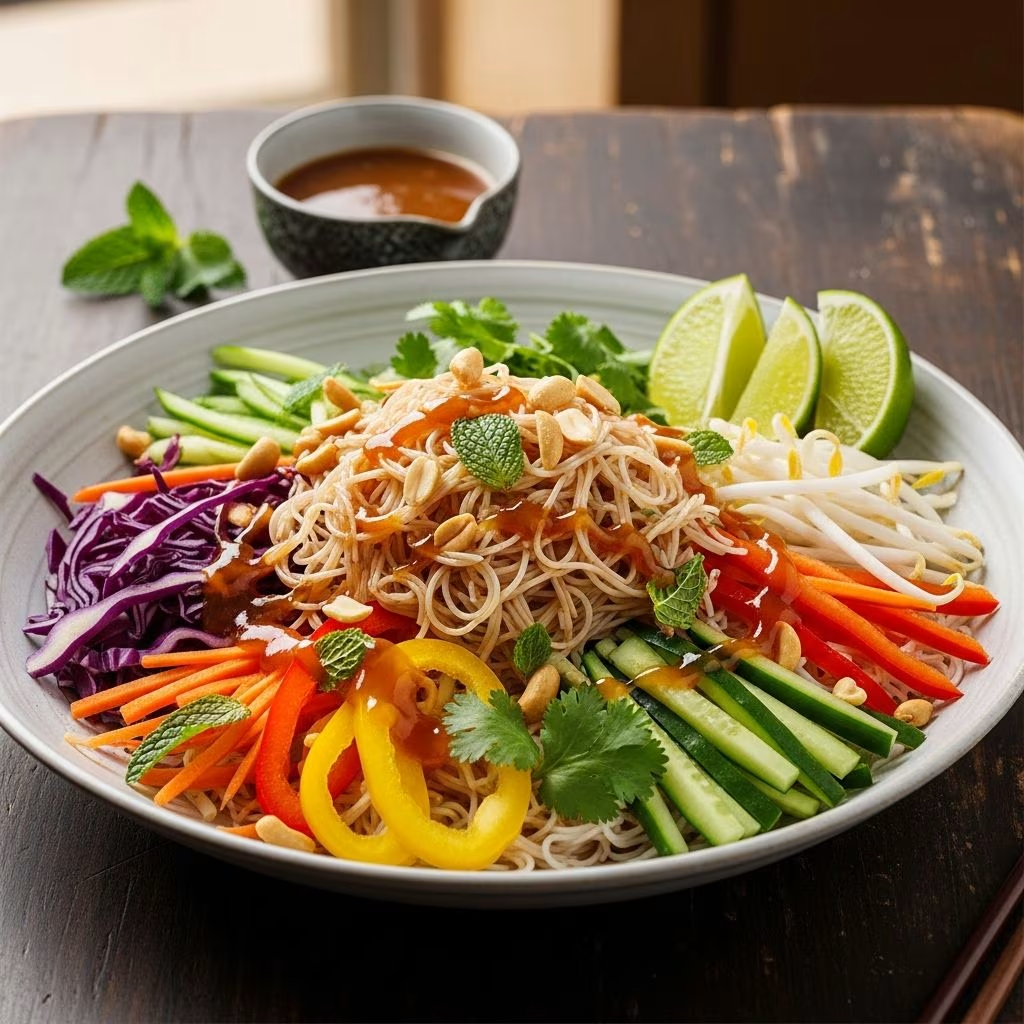
Southeast Asian cuisine has captivated home cooks and diners worldwide with its distinctive balance of tastes and textures. One standout dish that exemplifies this culinary philosophy is a contemporary take on traditional pad Thai, reimagined as a cool, refreshing salad. This adaptation maintains the essence of the classic dish while offering a lighter, more contemporary presentation that works beautifully as a meal-prep option or entertaining centerpiece. The combination of tender noodles, crisp vegetables, and a complex sauce creates a dish that satisfies both nutritionally and sensorially.
Understanding the Core Components of Your Salad
A successful Thai noodle salad depends on understanding how each element contributes to the overall dining experience. Rather than simply combining ingredients randomly, each component plays a specific role in creating layers of flavor and varying textural contrasts that keep each bite interesting.
The Foundation: Selecting Your Noodles
The backbone of this salad rests on choosing appropriate noodles that will hold up during preparation and storage while absorbing the bold dressing flavors. Rice noodles serve as the traditional choice for this application, offering a delicate yet sturdy texture that won’t become mushy when dressed in advance. These noodles cook quickly—typically requiring only a brief soak in hot water rather than prolonged boiling—making them ideal for quick meal preparation. When selecting rice noodles, opt for thin varieties, as they integrate more seamlessly with vegetables and distribute the sauce more evenly throughout the dish. The neutral flavor profile allows the dressing and accompanying ingredients to take center stage.
Vegetable Selection and Preparation Techniques
The vegetable component provides essential textural variety and nutritional balance. Consider incorporating a diverse palette of produce to maximize visual appeal and nutritional value. Shredded cabbage—whether red, purple, or green varieties—provides a satisfying crunch and subtle sweetness. Julienned or matchstick-cut carrots contribute both sweetness and visual brightness. Bell peppers, sliced into thin strips or diced into bite-sized pieces, add crisp texture and vibrant color. Including legumes such as edamame introduces protein and a pleasant firm bite. Fresh herbs like cilantro and mint brighten the overall flavor profile while providing aromatic complexity.
Protein Elements
While the original preparation features egg as its primary protein, modern interpretations offer flexibility based on dietary preferences and availability. Hard-boiled eggs maintain their structural integrity when added to the salad and provide a rich, creamy textural contrast to crisp vegetables. For vegetarian adaptations, cashews or peanuts offer both protein and healthy fats while contributing a luxurious, buttery quality. Edamame provides plant-based protein alongside its pleasant firm texture. Some preparations incorporate tofu or tempeh for those seeking additional protein without animal products.
Developing the Signature Sauce: Technique and Flavor Balance
The sauce represents the culinary heart of this dish, requiring careful attention to proportions and technique to achieve the ideal balance of competing flavor notes.
The Flavor Profile: Sweet, Savory, Tangy, and Spiced
Traditional Southeast Asian cuisine embraces the concept of balancing four distinct taste sensations within a single dish. White sugar or alternative sweeteners provide the foundational sweetness, typically constituting a significant portion of the sauce base. This sweetness isn’t meant to be overwhelming but rather provides a subtle backdrop that rounds out sharper flavors. Soy sauce and fish sauce deliver profound umami depth and savory character, creating a more complex taste experience than salt alone could provide. Lime juice introduces brightness and acidic sharpness that cuts through richness and prevents the sauce from tasting heavy or cloying. Tamarind paste contributes a distinctive tartness and subtle fruitiness that has made it a cornerstone of Southeast Asian cooking for centuries. Finally, heat from chilies or sriracha adds dimension and complexity, stimulating the palate without necessarily overwhelming less heat-tolerant diners.
Sauce Preparation Methods
Creating the sauce requires dissolving its components so they integrate cohesively. Combining sugar and water in a saucepan over moderate heat initiates the dissolution process, creating a simple syrup that serves as the sauce’s base. Once the sugar fully dissolves and the mixture achieves a light boil, remove from heat and allow cooling slightly. Incorporating soy sauce, fish sauce, and tamarind paste into this cooling liquid ensures these components distribute evenly. Adding lime juice and heat elements near the end of preparation preserves their volatile aromatic compounds and prevents heat from diminishing their impact. For those preferring a more emulsified sauce with added richness, incorporating a small amount of peanut butter or sesame oil creates a creamier texture that clings better to both noodles and vegetables.
Ingredient Quality and Sourcing Considerations
The caliber of ingredients significantly influences the final result, particularly when working with a dish where ingredients remain relatively simple and undisguised by heavy processing or multiple cooking steps.
Fresh Herbs and Aromatics
Cilantro and mint should be as fresh as possible, ideally used within a day or two of purchase. Garlic cloves, when the recipe incorporates them, should be plump and firm rather than shriveled or sprouting. Fresh ginger root—peeled and minced or grated—provides more vibrant flavor than pre-ground options, though selecting younger, more tender ginger ensures a less fibrous texture.
Sauce Components
Fish sauce, while pungent in its concentrated form, is essential to authentic flavor development and cannot be adequately replaced by simple salty components. Tamarind paste—whether purchased as a prepared concentrate or made fresh from tamarind pods—provides incomparable tartness and depth. Lime juice should come from fresh limes rather than bottled concentrate, as the volatile aromatics in fresh juice contribute meaningfully to the overall sensory experience. High-quality soy sauce, preferably naturally fermented varieties, offers superior depth compared to chemically produced alternatives.
Assembly and Serving Strategies
How you combine and present the salad influences both the eating experience and how well it maintains quality over time.
Timing Considerations for Freshness
Combining dressing with noodles and vegetables immediately before serving maximizes textural contrast and prevents the noodles from becoming overly soft. However, Thai noodle salads actually improve when allowed to rest for several hours or even overnight, as the noodles gradually absorb the flavorful sauce and develop deeper taste. This characteristic makes the dish exceptionally practical for meal preparation or advance entertaining.
Plating and Presentation
Arrangement affects both visual appeal and ease of eating. Mounding shredded vegetables at the base of a serving bowl, then topping with noodles and protein elements creates visual interest and allows diners to see the component ingredients. Garnishing with additional fresh herbs, crushed peanuts or cashews, and lime wedges provides both aesthetic appeal and textural elements. Offering sriracha or additional chili heat on the side respects varying heat preferences among diners.
Customization and Variation Options
This salad framework accommodates numerous adaptations based on available ingredients, dietary restrictions, and personal taste preferences.
| Dietary Approach | Protein Selection | Other Modifications |
|---|---|---|
| Vegetarian | Hard-boiled eggs, cashews, edamame | Substitute soy sauce for fish sauce |
| Vegan | Tofu, tempeh, cashews, edamame | Omit fish sauce and egg; ensure other ingredients align |
| Gluten-Free | Any protein option works | Use tamari instead of regular soy sauce |
| Lower-Sodium | All options available | Reduce soy and fish sauce; increase tamarind and lime |
Storage and Make-Ahead Guidance
Understanding proper storage techniques maximizes the salad’s shelf life and eating quality. Store noodles and vegetables separately from dressing in airtight containers within the refrigerator for up to three days. This separation maintains textural contrast when the components are combined shortly before serving. Alternatively, dress the entire salad and store it together; while the noodles will soften slightly, the flavors actually deepen and become more integrated, creating a different but equally satisfying eating experience. Allow chilled salads to rest at room temperature for twenty to thirty minutes before serving to restore optimal flavor perception, as cold temperatures mute taste sensations.
Nutritional Perspective
This salad offers substantial nutritional benefits alongside its satisfying flavor profile. Fresh vegetables provide vitamins, minerals, and dietary fiber essential for digestive health and overall wellness. Rice noodles contribute carbohydrates for sustained energy. Protein elements—whether egg, legumes, or nuts—provide amino acids necessary for muscle maintenance and repair. The modest use of healthy fats from nuts, seeds, or oil contributes to nutrient absorption and satiety. The dish accommodates a wide caloric range depending on portion sizes and protein selections, making it suitable for various nutritional goals.
Frequently Asked Questions
Can this salad be prepared in advance for entertaining?
Yes, absolutely. Prepare noodles and vegetables several hours ahead, storing them separately until serving time. The sauce also benefits from advance preparation, as flavors meld during storage. Combine components shortly before serving or allow the full salad to rest overnight in the refrigerator for flavors to deepen.
What alternatives exist for fish sauce?
While fish sauce provides authentic flavor, alternatives include soy sauce, tamari, or mushroom-based seasonings. However, these substitutions alter the flavor profile, creating a different but still delicious dish. Vegetarians and those avoiding fish products typically increase other umami sources like soy sauce or add miso paste for depth.
How can I adjust the heat level?
Control spiciness by adjusting sriracha, chili flakes, or fresh chilies. Begin with smaller quantities and gradually increase to reach desired heat levels. Remember that flavors develop and intensify over time, so initial taste testing should account for future flavor intensification during storage.
Are there specific noodle alternatives if rice noodles are unavailable?
Thin egg noodles, wheat noodles, or even soba noodles work acceptably, though they alter the traditional character. Rice noodles remain ideal due to their texture and ability to absorb sauce flavors, but the dish remains appealing with substitutes.
Final Thoughts on This Versatile Dish
This Thai-inspired noodle salad represents modern home cooking at its best—honoring traditional flavor principles while offering flexibility for contemporary dietary preferences and ingredient availability. The balance of textures, the complexity of flavors, and the straightforward preparation method combine to create a dish worthy of both casual weeknight dinners and more formal entertaining occasions. Whether served at room temperature or chilled, this salad satisfies those seeking bold, interesting flavors without requiring extensive cooking skills or specialized equipment.
References
- Thai Cuisine: Traditional Ingredients and Cooking Techniques — Journal of Culinary Science & Technology. 2023. Available at academic culinary research databases.
- Tamarind: Nutritional Composition and Culinary Applications — International Journal of Food Science. 2024. Supporting information on traditional Southeast Asian ingredients.
- Rice Noodle Preparation and Texture Development — Food Science Quarterly. 2023. Information on optimal noodle preparation methods for salad applications.