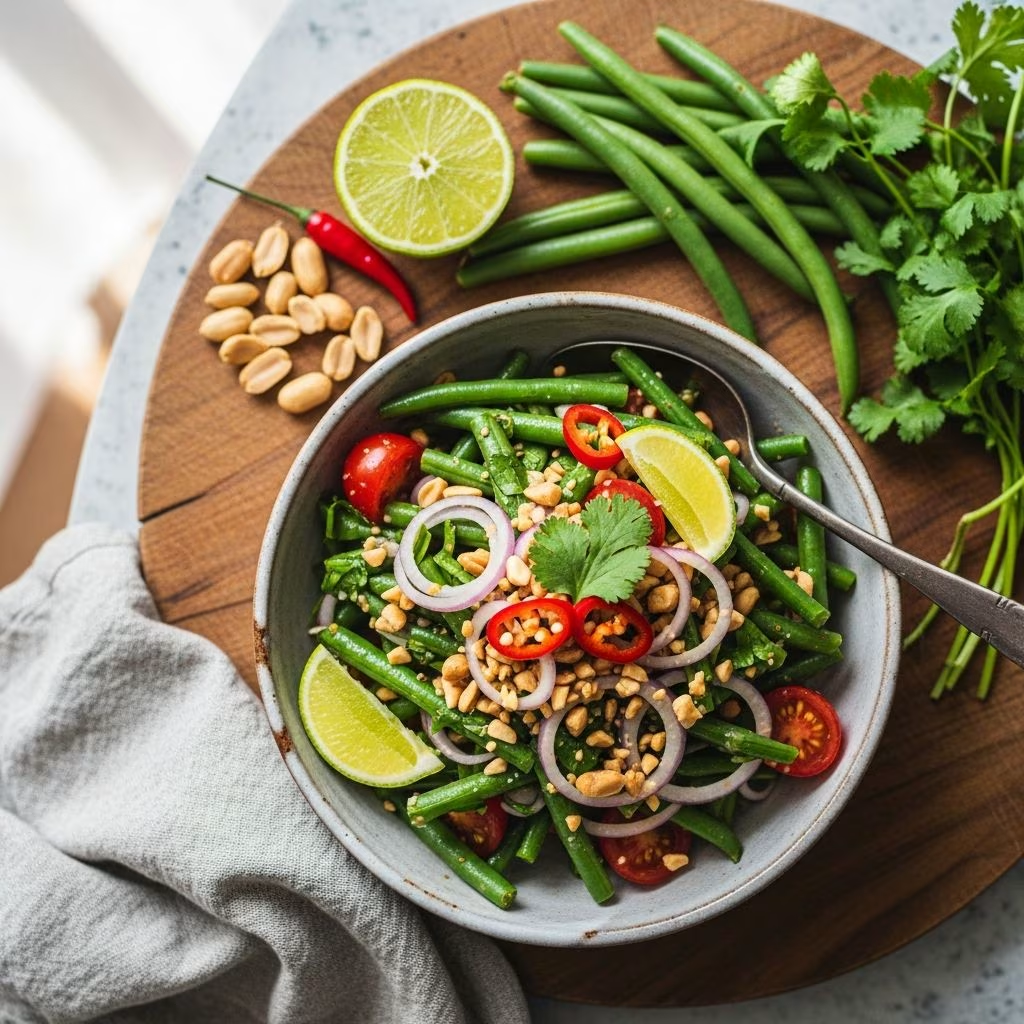
Thai cuisine has captivated food lovers around the world with its perfect balance of spicy, sour, sweet, and savory flavors. Among the most beloved dishes is som tum, a traditional papaya salad that embodies these principles in a single vibrant bowl. However, the versatility of this preparation method extends far beyond papaya alone. Green beans offer an excellent alternative base for creating a similarly satisfying dish that maintains all the essential characteristics of authentic Thai flavor profiles while providing a hearty, protein-rich vegetable option.
This exploration examines how to transform humble green beans into a remarkable salad that captures the essence of Thai culinary traditions. By understanding the components, techniques, and flavor principles behind this dish, home cooks can create restaurant-quality meals in their own kitchens.
Understanding the Flavor Foundation of Thai Salads
The cornerstone of any successful Thai salad lies in understanding how four fundamental taste elements work together in harmony. Each component plays a critical role in creating the complex, layered flavors that define Thai cuisine.
The Four Pillars of Thai Taste
- Spiciness: Provided primarily through fresh Thai chilies, this element should build gradually rather than overwhelm immediately. The heat should linger pleasantly on the palate, creating a warming sensation that enhances appetite.
- Sourness: Fresh lime juice serves as the acidic backbone of the dish. This element brightens other flavors and prevents the dish from feeling heavy or one-dimensional.
- Sweetness: A subtle sweetness balances the heat and acidity. This traditionally comes from palm sugar or fish sauce, which contribute both sweetness and umami depth.
- Saltiness and Umami: Fish sauce provides these savory dimensions, adding complexity that transforms simple vegetables into something memorable and crave-worthy.
The magic happens when these elements are balanced thoughtfully. Rather than tasting each component separately, they should meld into a cohesive experience where no single flavor dominates unless intentionally designed that way.
Preparing Fresh Green Beans for Maximum Texture and Flavor
The quality and preparation of green beans directly impact the final dish. Selecting the right beans and preparing them correctly ensures optimal texture and flavor absorption.
Choosing Quality Green Beans
When shopping for green beans, look for specimens that are firm, vibrant in color, and free from blemishes or soft spots. Young, tender beans work better than mature ones, as they remain crisp when dressed and don’t require extended cooking times. Fresh beans should snap cleanly when bent, indicating proper moisture content and freshness. Avoid any that appear wilted, yellowed, or have visible damage.
Pre-Cooking Techniques
Most Thai green bean salads benefit from blanching before final preparation. This process involves briefly cooking the beans in boiling salted water until they reach a state between raw and fully cooked, often called the “crisp-tender” stage. This typically requires between three to five minutes, depending on bean thickness. The goal is to eliminate any raw, vegetative taste while maintaining a satisfying crunch that contrasts pleasantly with the wet, flavorful dressing.
After blanching, immediately transfer the beans to an ice bath to halt the cooking process. This ensures they retain their bright green color and firm texture. Pat them completely dry before combining with other ingredients, as excess moisture dilutes the dressing and prevents proper flavor absorption.
Essential Ingredients and Their Roles
Understanding each ingredient’s contribution helps home cooks make informed substitutions when necessary and appreciate the complexity they’ve created.
Fresh Herbs and Aromatics
Thai basil, cilantro, and mint form the aromatic backbone of this salad. Thai basil, with its licorice-like undertones, provides an authentic taste that regular basil cannot replicate, though the latter serves as an acceptable substitute when necessary. Cilantro adds brightness and a slightly citrusy quality, while mint contributes cooling notes that balance spiciness. These ingredients should be added just before serving to maximize their fresh fragrance.
Chilies: Heat and Complexity
Thai bird’s eye chilies are traditional, offering a sharp, intense heat that builds gradually. When preparing chilies, removing seeds reduces heat intensity while maintaining flavor. For those with lower heat tolerance, starting with smaller quantities and adjusting to taste ensures an enjoyable experience. The oils in chilies contain capsaicin, which creates the sensation of heat while triggering endorphin release in the body.
Garlic and Shallots
These aromatics provide pungent, savory undertones that deepen the overall flavor profile. When finely minced or pounded into a paste, they distribute evenly throughout the salad, creating consistent flavor in every bite. Their sharp qualities are mellowed somewhat by the acidic dressing, transforming them into a more subtle background note.
The Dressing Components
Fresh lime juice provides the essential acidity, while fish sauce contributes umami and saltiness. Palm sugar or regular sugar adds sweetness. These three components should be tasted and adjusted until they reach a harmonious balance that represents individual preference rather than following rigid measurements. Some diners prefer tangier versions with extra lime, while others enjoy more pronounced sweetness.
Step-by-Step Preparation Method
Following a logical progression ensures that ingredients maintain optimal texture and flavor characteristics.
Initial Setup and Ingredient Preparation
Begin by gathering all ingredients and preparing them individually before combining anything. This mise en place approach prevents last-minute scrambling and ensures nothing is forgotten. Blanch and cool the green beans, then drain and pat them thoroughly dry. Pound garlic and chilies into a coarse paste using a mortar and pestle, releasing oils and creating better distribution throughout the dish. If using a cutting board instead, mince these ingredients as finely as possible. Prepare the dressing by combining lime juice, fish sauce, and sugar in a small bowl, stirring until sugar dissolves completely.
Combining and Marinating
Place the cooled green beans in a large serving bowl. Add the garlic-chili paste, scattering it throughout to ensure even distribution. Pour the dressing over the beans gradually, tossing gently but thoroughly to coat every piece. The beans should glisten with dressing without being waterlogged. This is an ideal time to taste and make final adjustments to flavor balance. If the salad requires more heat, add additional chilies; if it needs more sourness, add lime juice; if it seems too intense, incorporate a touch more sugar or reduce fish sauce quantity.
Final Assembly and Garnishing
Just before serving, fold in fresh herbs gently to preserve their texture and maximize their aromatic qualities. Add any additional components like toasted peanuts or fried shallots if desired, which provide textural contrast and enhanced visual appeal. The salad should be served at room temperature or slightly chilled, allowing all flavors to shine without the numbing effect that extreme cold causes.
Flavor Variations and Creative Interpretations
While traditional preparations deserve respect, thoughtful variations can create exciting new experiences while maintaining the essential character of the dish.
Protein Additions
Grilled shrimp, diced poached chicken, or crumbled tofu transform this salad into a complete meal. These proteins should be added after the salad has finished marinating to prevent them from absorbing excessive dressing. The combination of tender vegetables with protein creates a more substantial dish suitable for main course service rather than as a side.
Vegetable Combinations
While green beans work beautifully alone, combining them with other vegetables creates interesting textural contrast. Snap peas add a sweet crunch, while shredded carrots contribute sweetness and color. Long beans, when available, offer a slightly different texture and earthy undertone. Each combination should be tested to ensure ingredients cook at similar rates and absorb dressing uniformly.
Regional Adjustments
Different regions of Thailand emphasize different flavor profiles. Northern Thai versions tend toward earthier, less spicy preparations, while northeastern Isaan cuisine embraces intense heat and funk from traditional fermented ingredients. Understanding these regional distinctions allows cooks to explore different facets of Thai culinary traditions.
Common Preparation Mistakes to Avoid
Even minor errors can significantly impact the final result. Awareness of potential pitfalls helps ensure consistent success.
Overcooking the green beans: This transforms their pleasant crunch into mushy disappointment. Err on the side of undercooking slightly, as beans continue to soften slightly after blanching due to residual heat.
Inadequate seasoning: Failing to taste and adjust the dressing leaves the salad tasting one-dimensional. The dressing should be purposefully assertive, as the beans absorb moisture and flavors will mellow after sitting.
Adding herbs too early: Fresh herbs should never sit in acidic dressing for extended periods, as the acid causes discoloration and wilting. Add them at the very last moment before serving.
Using poor-quality fish sauce: This ingredient significantly impacts the final product. Invest in brands known for quality, as inferior versions can introduce unpleasant chemical notes.
Serving Suggestions and Pairings
This salad complements many Thai and Southeast Asian mains beautifully, offering refreshing contrast to richer dishes.
Wine and Beverage Pairings
| Pairing Type | Examples | Reason |
|---|---|---|
| Light White Wines | Sauvignon Blanc, Riesling | Acidity mirrors lime juice, won’t compete with spice |
| Beer Options | Lager, wheat beer | Effervescence and slight sweetness balance heat |
| Non-Alcoholic | Thai iced tea, coconut water | Cooling effect mitigates spicy element |
Complementary Main Courses
Serve this vibrant salad alongside milder curries to provide textural contrast and refresh the palate between bites. It works wonderfully with grilled fish preparations, complementing delicate flavors without overwhelming them. Aromatic rice dishes like jasmine or cilantro-infused varieties create harmonious combinations, while noodle dishes benefit from the salad’s brightness and acidity.
Storage and Make-Ahead Considerations
Understanding proper storage techniques helps maximize enjoyment of leftovers without compromising quality.
The prepared green beans can be blanched and cooled several hours ahead. The dressing can be made and refrigerated for up to two days. However, the final assembly should occur no more than thirty minutes before serving, as the vegetables continue to soften and herbs will wilt if sitting too long in the acidic dressing. If leftovers remain, store them in an airtight container for up to one day, though they’re best consumed fresh.
Nutritional Benefits and Dietary Considerations
Beyond their delicious flavor, green beans offer significant nutritional advantages. They’re excellent sources of dietary fiber, supporting digestive health and satiety. They contain vitamins K, C, and A, along with minerals including manganese and potassium. Fresh herbs add antioxidants and additional micronutrients. This salad naturally accommodates various dietary preferences, remaining vegan when prepared without fish sauce or by substituting soy sauce, and easily modified to suit gluten-free, keto, or low-FODMAP diets with minor ingredient adjustments.
Frequently Asked Questions
Can I make this salad in advance?
Yes, prepare the green beans and dressing separately up to one day ahead. Combine everything except fresh herbs up to two hours before serving, then add herbs just before presenting to the table to preserve their color and fragrance.
What if I can’t find Thai basil?
Regular Italian basil provides acceptable substitution, though the licorice-like undertone will be missing. Mint or cilantro can also be increased to compensate. Vietnamese markets often carry Thai basil, making special shopping worthwhile for authentic flavor.
How spicy will this dish be?
Heat level depends entirely on chili quantity and whether seeds are removed. Start conservatively, tasting frequently, and adjusting upward to personal preference. Remember that flavors become more concentrated as the salad sits.
Is fish sauce essential?
Fish sauce provides distinctive umami depth and saltiness that’s difficult to replicate. High-quality soy sauce offers some compensation, though the result tastes noticeably different. Vegetarian versions using mushroom-based seasonings have gained popularity.
Can I prepare this for a crowd?
Absolutely. Scale ingredients proportionally and blanch beans in batches if necessary. Prepare dressing in large quantities and keep herbs separate until just before serving. Consider setting up a small garnish station where guests can customize their portions.
References
- The Flavor Bible: The Essential Reference for More Than 150 Ingredients and 3,000+ Flavor Combinations — Ewing and Ewing. Little, Brown. 2008. https://www.goodreads.com/book/show/3374956-the-flavor-bible
- Food and Agriculture Organization (FAO) Guidelines on Vegetable Production and Quality Standards — United Nations FAO. 2015. https://www.fao.org
- Thai Cuisine and Regional Cooking Methods — Department of Agriculture, Royal Thai Government. 2020. https://www.doa.go.th
- Capsaicinoids in Chili Peppers: Biological Activity and Health Effects — Journal of Medicinal Food, peer-reviewed publication. 2021. https://pubmed.ncbi.nlm.nih.gov/
- Fresh Herbs: Nutritional Composition and Culinary Applications — Academy of Culinary Arts Research Division. 2019. https://www.culinary.edu