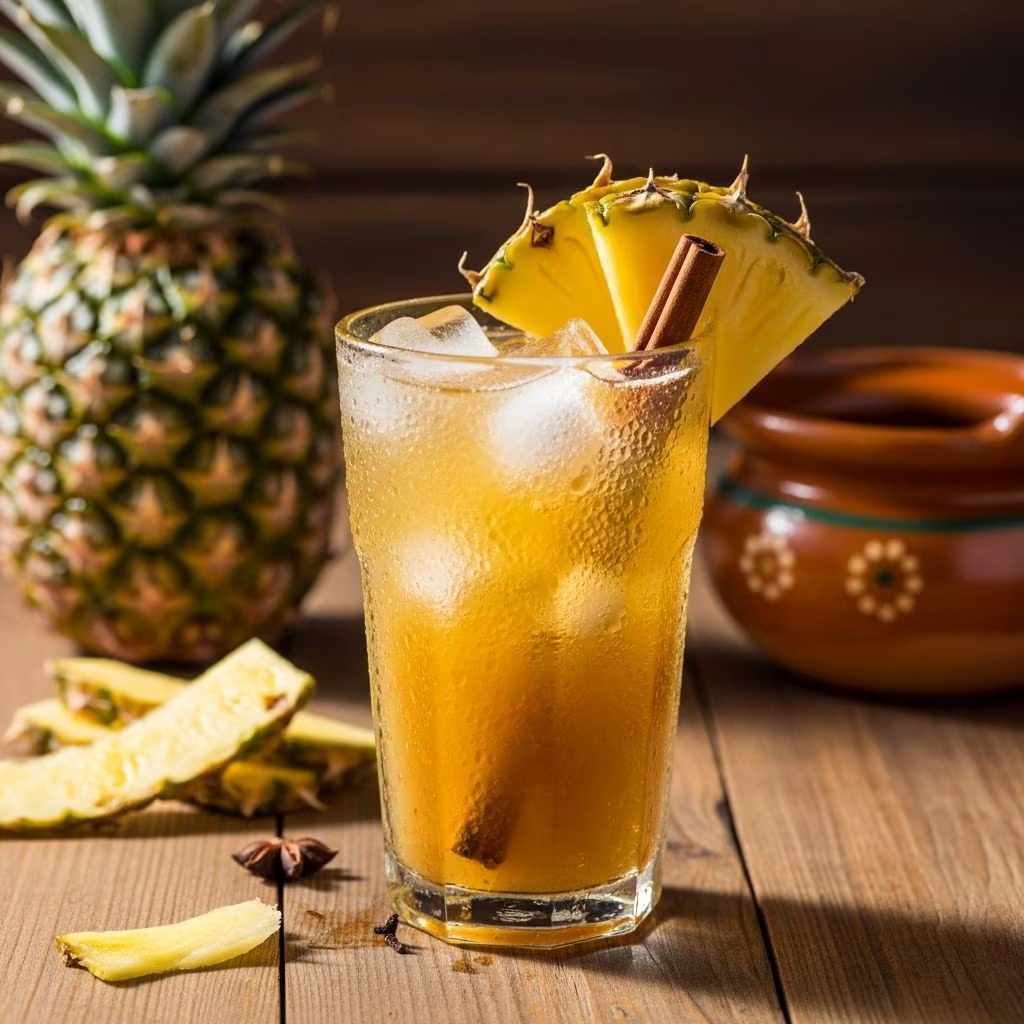
Immerse yourself in the vibrant world of tepache, a lightly fermented beverage that captures the essence of Mexican culinary heritage. This effervescent drink, made primarily from pineapple rinds and sweetened with unrefined sugars, offers a tangy, fizzy profile that’s both refreshing and probiotic-rich. Originating from ancient Mesoamerican traditions, tepache has evolved into a beloved staple, easy to prepare at home with minimal ingredients and equipment.
Tracing Tepache’s Ancient Origins
Tepache’s story begins long before modern fermentation trends, rooted in the pre-Columbian cultures of Mexico. The name derives from Nahuatl terms like tepiātl, referring to a corn-based drink, showcasing its indigenous foundation among the Nahua and Maya peoples.
Early versions involved fermenting mashed corn, a process that produced a mildly alcoholic, nutritious beverage used in rituals and daily life. Archaeological and linguistic evidence points to its use in central Mexico and the Yucatan peninsula, where it held cultural significance.
The arrival of pineapple from South America post-Spanish conquest transformed the recipe. Initially added as a natural sweetener to the corn base, pineapple eventually became the star ingredient due to expanded trade routes making it widely available. Today, this shift defines tepache as a pineapple-forward ferment, distinct from its corn predecessor known as pozol.
Why Tepache Stands Out Among Ferments
Unlike kombucha’s tea base or kefir’s dairy origins, tepache relies on the wild yeasts and bacteria naturally present on pineapple skins. This spontaneous fermentation yields a low-alcohol (typically under 2-3% ABV) drink with bright acidity and spice notes.
- Quick Fermentation: Ready in 2-5 days, far faster than many brews.
- Zero Waste: Uses pineapple rinds and cores, reducing food scraps.
- Customizable: Regional variations incorporate local fruits, chilies, or herbs.
Its resurgence ties into global interest in gut-healthy drinks, but tepache’s appeal lies in its simplicity and cultural depth, not fleeting hype.
Essential Ingredients for Authentic Tepache
Core components revolve around pineapple waste, a traditional sweetener, and warming spices. Here’s a breakdown:
| Ingredient | Role | Alternatives |
|---|---|---|
| Pineapple rinds & core (1 medium fruit) | Fermentation fuel via natural yeasts/sugars | Organic for best microbes; add flesh for sweetness |
| Piloncillo/panela (4-8 oz) | Primary sugar source for yeast food | Brown sugar, raw cane sugar, or palm sugar |
| Cinnamon sticks (1-2) | Aroma and subtle warmth | Ceylon variety for milder flavor |
| Filtered water (1 gallon) | Dilutes and hydrates ferment | Chlorine-free to protect microbes |
| Optional spices: cloves, allspice, anise | Depth and complexity | 1-2 tsp per gallon; adjust to taste |
Piloncillo, a cone-shaped unrefined cane sugar, imparts molasses-like richness true to tradition. Source organic pineapples to maximize wild yeast activity.
Step-by-Step Guide to Brewing Tepache
Creating tepache requires no special tools beyond a large jar and cheesecloth. This yields about 1 gallon.
- Prep Pineapple: Wash a ripe pineapple thoroughly. Chop rinds and core into chunks, reserving flesh optionally for extra sweetness. Avoid metal knives to prevent reactions.
- Dissolve Sweetener: In a pot, heat 1 quart water with piloncillo and spices until fully melted. Cool to lukewarm and add remaining water.
- Combine & Ferment: Layer pineapple pieces in a 1-gallon jar, pour in sweetened spiced water. Cover with cheesecloth secured by a rubber band. Store at 70-80°F (21-27°C) away from direct sun.
- Monitor Fermentation: Stir daily. Bubbles and foam appear in 24-48 hours. Taste after day 2; ferment 3-5 days until tangy and fizzy.
- Strain & Bottle: Strain through cheesecloth-lined sieve into bottles, leaving sediment. Refrigerate to slow fermentation. Consume within 1-2 weeks.
For carbonation boost, use swing-top bottles and “burp” daily to release pressure.
The Fermentation Science Behind the Fizz
Tepache ferments via wild Saccharomyces yeasts and lactic acid bacteria on pineapple skins, converting sugars to alcohol, CO2, and acids. Initial phase (24 hours) is alcoholic; secondary (days 2+) shifts to lactic for tang.
Temperature controls outcome: warmer speeds fizz but risks over-ferment; cooler yields milder flavors. pH drops from 4.5 to 3.5, preserving safely.
Health Benefits of This Probiotic Powerhouse
Tepache supports digestion with live probiotics from lactic fermentation, akin to yogurt. Bromelain in pineapple aids anti-inflammation and protein digestion.
- Rich in vitamin C and manganese from pineapple.
- Potential prebiotic fibers feed gut flora.
- Low-calorie hydration with natural electrolytes.
Moderate alcohol content promotes mindful sipping. Those with pineapple allergies or sensitivities should consult professionals.
Creative Variations to Elevate Your Brew
Experiment regionally inspired twists:
- Spicy Tepache: Add jalapeño slices for heat.
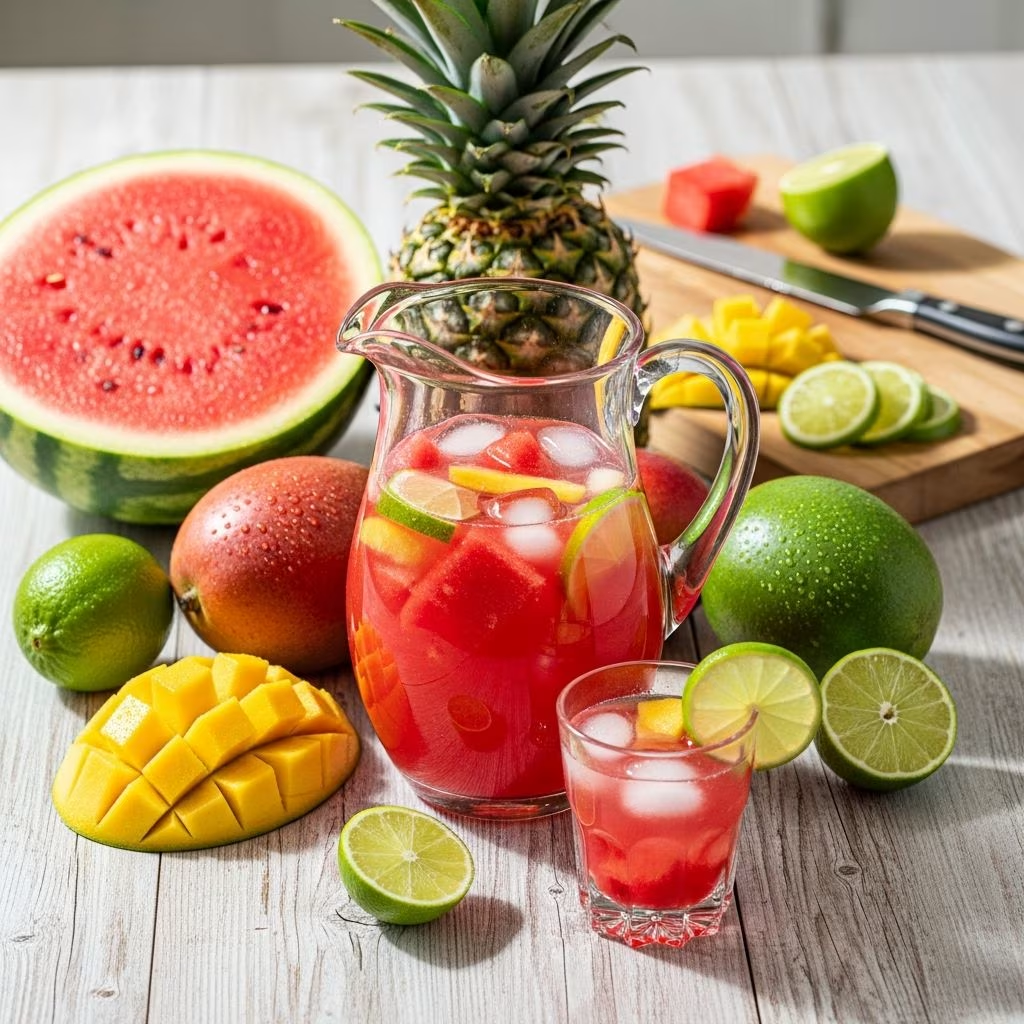
- Tropical Fusion: Mango peels or tamarind pods.
- Citrus Lift: Orange zest or quince peels.
- Herbal Twist: Ginger chunks or hibiscus for color.
Scale for crowds: double ingredients for larger batches, maintaining ratios.
Pro Tips for Fermentation Success
Avoid common errors with these strategies:
| Issue | Solution |
|---|---|
| No bubbles | Add pinch baker’s yeast; ensure warm spot and fresh pineapple |
| Too vinegary | Ferment shorter; taste daily from day 2 |
| Over-pressurized bottles | Burp daily; use plastic caps initially |
| Off smells (moldy) | Discard batch; sanitize equipment |
Use glass jars; avoid plastic leaching. Ferment in dark for best results.
Serving Suggestions and Pairings
Chill and serve over ice with lime wedges. Pair with tacos, ceviche, or grilled meats. Mocktail version: dilute with soda water.
For festivities, infuse with chilies or fruits pre-bottling. Non-alcoholic dilution extends enjoyment.
Frequently Asked Questions
Is tepache alcoholic?
Lightly so (1-3% ABV), depending on fermentation length. Refrigerate early for minimal alcohol.
How long does tepache last?
1-2 weeks refrigerated; fizz peaks first few days. Freeze pulp for smoothies.
Can I use table sugar?
Yes, but piloncillo adds authentic depth. Organic cane closest substitute.
Vegan and gluten-free?
Fully plant-based and grain-free in modern form.
What if no natural fermentation starts?
Boost with 1/4 tsp yeast or ginger bug starter.
References
- Making Tepache From Scratch — Casa Jacaranda. 2023. https://www.casajacaranda.mx/blog/makingtepachefromscratch
- Tepache Recipe with Spices — Mountain Rose Herbs Blog. 2023. https://blog.mountainroseherbs.com/spiced-tepache-recipe
- A Complete History On the Tepache Recipe — Delacalle.mx. 2023. https://www.delacalle.mx/blogs/news/tepache-recipe
- Tepache Recipe (Pineapple Beer) — Revolution Fermentation. 2023. https://revolutionfermentation.com/en/blogs/fermented-beverages/tepache-recipe-pineapple-beer/
- How to Make Tepache — Mary’s Nest. 2023. https://marysnest.com/how-to-make-tepache/