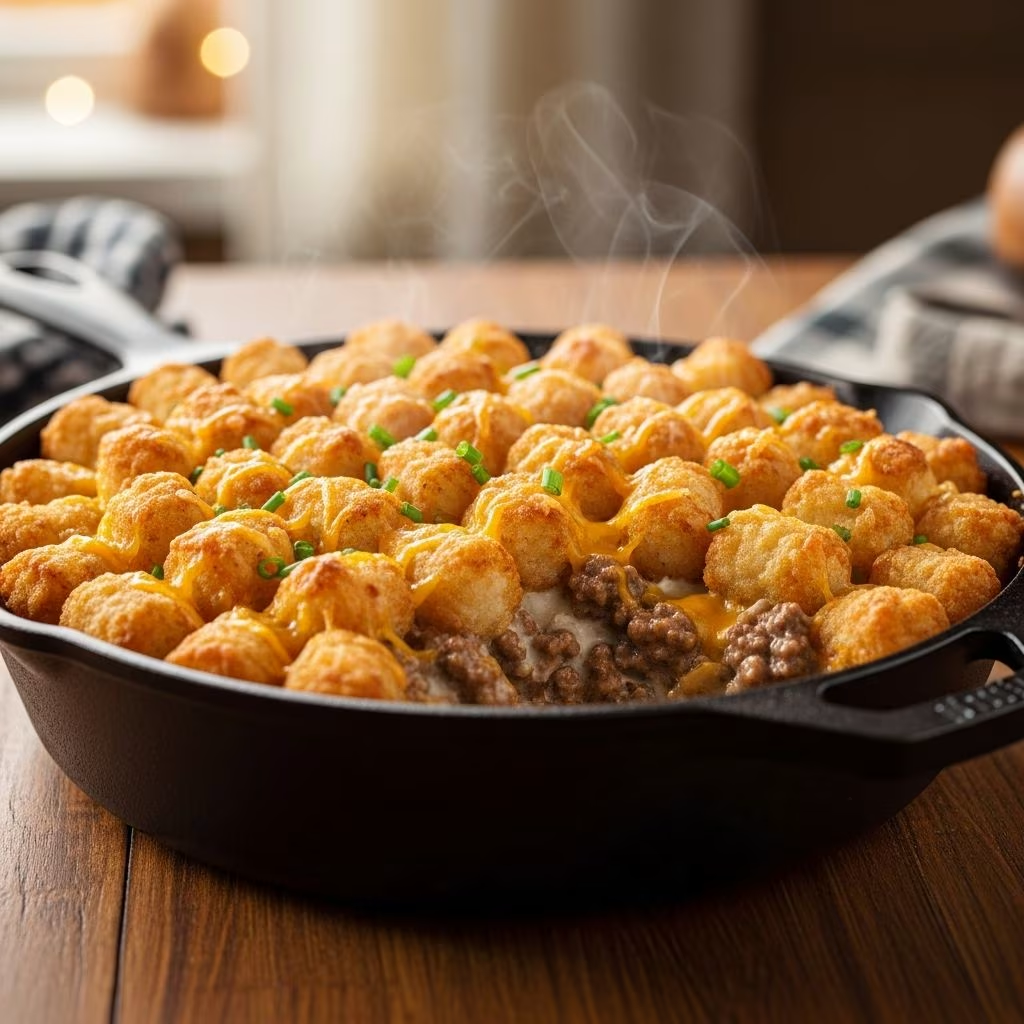
Few dishes evoke the warmth of home-cooked comfort food quite like tater tot casserole. This unpretentious yet satisfying entrée combines seasoned ground meat, wholesome vegetables, creamy binding elements, and a golden crown of crispy potato puffs. Whether you’re feeding a family of four or preparing a dish for a potluck gathering, tater tot casserole delivers consistent results with minimal effort. The beauty of this dish lies in its versatility—while the fundamental concept remains unchanged, countless variations allow home cooks to customize flavors and ingredients according to their preferences and dietary needs.
Understanding the Foundation of Tater Tot Casserole
At its core, tater tot casserole represents the essence of practical home cooking. The dish emerged from the American culinary tradition of combining affordable, accessible ingredients into economical yet satisfying meals. Ground beef serves as the protein foundation, though ground turkey offers a leaner alternative for health-conscious cooks. The savory meat layer is typically enhanced with aromatic vegetables and bound together with a creamy sauce base, creating a cohesive filling that holds its structure during baking.
The signature topping—frozen tater tots—provides both textural contrast and nostalgic appeal. These bite-sized potato cylinders transform during baking, developing crispy exteriors while maintaining tender centers. The melted cheese layer beneath the tots creates a barrier that helps the casserole maintain its integrity while adding rich, savory depth to each forkful.
Essential Ingredients and Their Roles
The Protein Component
Ground beef remains the traditional choice for tater tot casserole, with most recipes calling for one pound of meat to adequately serve four to six people. Using lean ground beef—preferably 90% lean or higher—reduces excess fat content while maintaining adequate moisture and flavor. The browning process develops fond, those flavorful browned bits clinging to the pan bottom, which enriches the overall dish complexity. Proper drainage of rendered fat prevents the casserole from becoming greasy, an important step that many home cooks overlook.
Ground turkey presents an increasingly popular alternative, particularly for those seeking reduced fat content. Using 93% lean ground turkey maintains succulence while providing approximately 25% fewer calories per serving compared to standard ground beef. The milder flavor profile of turkey allows supporting ingredients to shine, making this option ideal for casseroles featuring prominent vegetable components or distinctive spice blends.
Aromatic Base Vegetables
Diced onion and minced garlic form the flavor foundation of virtually every tater tot casserole variation. These aromatics undergo a flavor transformation when sautéed with ground meat, developing sweet and savory notes that penetrate the entire dish. Most recipes incorporate half a small onion to one medium onion, roughly corresponding to three-quarters to one cup of diced onion. Similarly, two fresh garlic cloves, minced, provide sufficient garlic presence without overwhelming other flavors.
Bell peppers contribute additional vegetable substance, color, and subtle sweetness. Whether using red, yellow, green, or orange peppers, one cup of diced pepper integrates seamlessly into the meat mixture. These peppers soften during the initial cooking phase, becoming nearly imperceptible in texture while contributing to the overall flavor profile.
Binding and Flavoring Agents
Condensed cream soups serve as the primary binding agent in most traditional tater tot casseroles. Cream of mushroom soup offers earthy undertones and excellent binding properties without introducing sharp flavors. Cream of chicken soup provides a more neutral canvas, allowing other ingredients to establish the casserole’s character. Each ten-ounce can of condensed soup contains sufficient liquid to create a cohesive filling without rendering the casserole soupy or watery.
Some innovative variations substitute the canned soup altogether, instead creating a homemade sauce base. A mixture of flour and butter creates a roux, which is then combined with beef or chicken broth, resulting in more control over sodium content and flavor intensity. This approach requires approximately two tablespoons of flour to three-quarter cup of broth, simmered until thickened—roughly two to three minutes of stirring.
Flavor Enhancers
Worcestershire sauce appears in nearly every tater tot casserole recipe, contributing depth and umami complexity without identifiable sauce flavor. Typically one to two tablespoons suffice to enhance rather than dominate. Ketchup and yellow mustard bring subtle sweetness and tangy notes respectively, moderating each other’s intensity when used together. Hot sauce adds layered heat without creating spiciness when used sparingly—a mere dash prevents the casserole from becoming uncomfortable for sensitive palates while introducing complexity appreciated by more adventurous eaters.
Smoked paprika contributes subtle smokiness reminiscent of slow-cooked meat, requiring only one teaspoon. Garlic salt and basic salt and pepper round out the seasoning profile, with salt particularly important for balancing the mild, somewhat bland quality of canned soups.
Cheese and Tater Tots
Sharp cheddar cheese provides superior flavor compared to mild varieties, with two cups of shredded cheese offering substantial coverage without excessive heaviness. Some recipes split the cheese application—half incorporated into the filling and half sprinkled between layers—creating multiple flavor integration points throughout the casserole.
Frozen tater tots require no preparation beyond direct application to the casserole. One pound of frozen tater tots, typically corresponding to sixteen ounces, creates a complete single layer across a nine-by-thirteen-inch baking dish. Some recipes incorporate tater tots at multiple levels within the casserole for increased textural interest, though this approach requires increased baking time.
Step-by-Step Preparation Process
Initial Meat Browning Phase
Begin by heating a large skillet over medium heat and adding ground beef without any preliminary oil, as the meat’s own fat provides adequate cooking medium. Break the meat into small crumbles as it cooks, stirring frequently to ensure even browning. This process typically requires five to seven minutes for one pound of ground beef. During the final minute of cooking, add diced onion and minced garlic, stirring constantly for approximately sixty seconds until fragrant. This brief cooking period softens the aromatics slightly while preserving their textural integrity.
Once the meat reaches brown coloration throughout with minimal pink remaining, carefully pour the contents into a fine-mesh strainer positioned over a heat-safe bowl. This drainage step removes approximately one to two tablespoons of rendered fat, depending on the ground beef’s fat content. Some home cooks prefer retaining a minimal amount of fat for moisture and flavor purposes, while others prefer complete removal for lighter results.
Combination and Mixture Development
Transfer the drained meat mixture into a large mixing bowl, creating adequate space for incorporating remaining ingredients. Add all vegetables, whether canned or fresh, along with the cream soup, seasonings, and flavoring agents. Stir thoroughly, ensuring the cream soup disperses evenly throughout the mixture without any concentrated pockets. The mixture should achieve a cohesive, slightly thick consistency resembling ground beef stew filling.
Casserole Assembly and Layering
Prepare a nine-by-thirteen-inch baking dish by lightly coating the interior with nonstick cooking spray or oil, preventing the casserole from adhering to the dish during and after baking. Spread the meat mixture evenly across the dish bottom, using a spatula to create an even distribution. Sprinkle half of the shredded cheese over the meat layer, covering the surface completely.
Arrange frozen tater tots in neat rows directly over the cheese layer, positioning them point-side-up for optimal browning. Some cooks prefer arranging tots in a more uniform pattern, while others use a less structured approach. The key consideration involves ensuring complete surface coverage to prevent exposed cheese from browning excessively or burning.
Baking and Finishing Touches
Preheat the oven to the appropriate temperature—most recipes specify either 350°F or 375°F. The choice between these temperatures affects baking time and browning intensity. Lower temperatures require extended baking time, typically forty to forty-five minutes, producing evenly browned tots. Higher temperatures accelerate browning, reducing total baking time to approximately thirty to thirty-five minutes. Regardless of temperature, baking continues until tater tots achieve golden-brown coloration with visible crispness.
Some recipes incorporate a two-stage baking approach, dividing the cheese topping application. Following initial baking for approximately forty minutes, remove the casserole from the oven and sprinkle remaining cheese over the partially browned tots, then return to the oven for an additional five minutes. This technique ensures cheese coverage over newly exposed tater tots that may have shifted during the initial baking phase.
Creative Variations and Adaptations
Vegetable-Enhanced Versions
Home cooks seeking to increase vegetable content can incorporate corn, green beans, peas, carrots, or mixed vegetables. Canned and drained vegetables integrate seamlessly into the meat mixture without requiring additional cooking. Fresh or frozen vegetables benefit from brief sautéing before incorporation, which improves texture and flavor while reducing excess moisture. Approximately two to three cups of vegetables maintains proper ingredient proportions without overshadowing the beef and cheese components.
Healthier Protein Substitutions
Beyond ground turkey, ground chicken provides another lean protein option with similar nutritional benefits and neutral flavor characteristics. Ground bison delivers rich, slightly sweet flavor with reduced fat content compared to beef. Plant-based ground meat alternatives accommodate vegetarian preferences while maintaining structural integrity expected from traditional casseroles.
Soup and Sauce Alternatives
Cream of broccoli, cream of celery, cream of potato, or cream of cheddar soups provide distinctive flavor profiles while maintaining the binding properties essential to casserole structure. Homemade béchamel sauce—butter, flour, and milk combined—offers complete control over flavor intensity and sodium content. Beef or chicken broth-based gravies create lighter, less creamy casseroles appealing to those avoiding excessive dairy.
Garnish and Topping Enhancements
Crispy bacon crumbles or bacon bits sprinkled over the finished casserole introduce smoky flavor complexity. Fresh chive garnish adds bright, onion-forward notes immediately before serving. Sour cream dollops served alongside provide cool, tangy contrast to the warm, savory casserole.
Nutritional Considerations and Serving Guidelines
| Component | Typical Amount | Nutritional Impact |
|---|---|---|
| Ground Beef (1 lb) | Per serving (6 servings) | Approximately 170 calories, 15g protein |
| Cheddar Cheese (2 cups) | Per serving (6 servings) | Approximately 200 calories, 12g fat |
| Tater Tots (1 lb) | Per serving (6 servings) | Approximately 90 calories, 8g fat |
| Vegetables (canned) | Per serving (6 servings) | Approximately 20 calories, 2g carbs |
A typical serving of tater tot casserole contains between 400 and 500 calories, depending on ingredient selections and portion size. Ground turkey versions reduce caloric content by approximately 100 calories per serving compared to standard ground beef preparations. Utilizing low-sodium condensed soups significantly reduces sodium content, with each serving containing between 600 and 1200 milligrams depending on soup selection.
Most recipes yield six servings of approximately one and one-half cups each from a single nine-by-thirteen-inch baking dish. Smaller appetites or lighter meals may stretch the recipe to eight servings of approximately one-cup portions. The casserole accommodates straightforward portioning, dividing evenly into squares that maintain structural integrity during serving.
Storage, Reheating, and Make-Ahead Strategies
Tater tot casserole stores effectively in airtight containers within the refrigerator for three to four days. Freezing complete, unbaked casseroles offers maximum convenience—assemble the casserole completely without baking, wrap securely with plastic wrap then aluminum foil, and freeze for up to three months. Thaw frozen casseroles in the refrigerator overnight before baking according to standard instructions, though baking time may increase by ten to fifteen minutes.
Reheating leftover casserole in a conventional oven at 325°F for fifteen to twenty minutes restores the crisper exterior better than microwave reheating, though microwaving individual portions for two to three minutes offers convenience when time is limited. Some home cooks prefer preparing the casserole through the cheese layer stage one day ahead, refrigerating overnight, then adding tater tots and baking immediately before serving—this approach combines convenience with optimal texture.
Frequently Asked Questions
Can I prepare tater tot casserole in advance?
Yes, complete unbaked casseroles freeze successfully for up to three months. Alternatively, prepare through the cheese layer, refrigerate overnight, then add tater tots and bake when ready to serve.
What should I do if my casserole turns out watery?
Excess moisture typically results from inadequate meat browning or insufficient fat drainage. Prevent this by ensuring complete browning before adding other ingredients and properly draining rendered fat. If watery casserole occurs, bake covered with foil for additional time to allow liquid to evaporate.
How can I make this casserole spicier?
Increase hot sauce quantity gradually, add diced jalapeños to the meat mixture, incorporate cayenne pepper, or use spicy seasoning blends like cajun or southwestern profiles.
Is this casserole suitable for dietary restrictions?
Ground turkey reduces fat for lower-fat diets. Gluten-free individuals can use certified gluten-free cream soups and ensure all seasonings avoid gluten-containing additives. Dairy-free versions require non-dairy cheese and cream-based soup alternatives.
Why are my tater tots not crispy?
Insufficient baking time or temperature too low prevents proper crisping. Ensure oven temperature reaches the specified level before inserting the casserole, and avoid opening the oven door excessively during baking, which disrupts temperature stability.
Can I use fresh potatoes instead of frozen tater tots?
Fresh shredded potatoes require extensive preliminary cooking and moisture removal before use, making preparation significantly more complex. Frozen tater tots offer convenience and consistent results, making them the recommended choice for most home cooks.
Conclusion: Mastering a Timeless Comfort Food
Tater tot casserole represents accessible, satisfying home cooking that adapts beautifully to individual preferences and available ingredients. From traditional beef-based versions to innovative variations incorporating alternative proteins and vegetables, this versatile dish welcomes customization while maintaining its fundamental appeal. The straightforward preparation process, budget-friendly ingredient list, and reliable results make tater tot casserole an ideal choice for busy weeknights, casual entertaining, and comforting family meals. By understanding the fundamental components and preparation principles outlined in this guide, home cooks can confidently create restaurant-quality tater tot casseroles that satisfy diverse palates and dietary needs.
References
- Ground Beef Cooking and Food Safety Guidelines — United States Department of Agriculture Food Safety and Inspection Service. 2023. https://www.fsis.usda.gov/food-safety/safe-food-handling-and-preparation/meat/ground-beef
- Dietary Guidelines for Americans 2020-2025 — U.S. Department of Agriculture and U.S. Department of Health and Human Services. 2020. https://www.dietaryguidelines.gov/
- Food Storage and Freezing Guidelines — United States Department of Agriculture. 2024. https://www.fsis.usda.gov/food-safety/safe-food-handling-and-preparation/leftovers/storage-freezing-leftovers