Italian cuisine celebrates simplicity, and few dishes exemplify this philosophy better than tagliatelle dressed with prosciutto and butter. This traditional preparation from the Emilia-Romagna region demonstrates how a handful of premium ingredients, when combined with proper technique, can create a meal that rivals the most elaborate culinary creations. The beauty of this dish lies not in complexity, but in the quality of its components and the respect shown to each ingredient.
Understanding the Regional Context
The tagliatelle with prosciutto and butter represents one of the foundational preparations that define Northern Italian cooking. Emilia-Romagna, the region stretching across central Italy, has long been celebrated as a gastronomic heartland where traditions remain deeply rooted in agricultural heritage and family recipes passed through generations. This particular combination stands alongside ragù alla bolognese as a beloved accompaniment to fresh tagliatelle, showcasing the region’s mastery of pork products and dairy-based sauces.
What makes this dish truly remarkable is how it allows each ingredient to shine. The prosciutto provides a delicate saltiness and subtle sweetness, the butter creates a luxurious mouthfeel, and the fresh egg pasta serves as the perfect vehicle for these complementary flavors. This is not a dish where ingredients compete; rather, they harmonize to create something greater than their individual parts.
Essential Ingredients and Quality Considerations
The foundation of this recipe rests on selecting exceptional ingredients. Unlike recipes that incorporate numerous components, this preparation demands that each element meet a standard of excellence.
- Fresh Egg Tagliatelle: The pasta should be made with eggs, creating a rich, tender texture that dried pasta cannot replicate. Approximately 450 grams of fresh tagliatelle serves four people adequately, though portions can be adjusted based on whether this serves as a main course or precedes other dishes.
- Prosciutto di Parma or Prosciutto Crudo: This cured pork product should be sliced thin and of superior quality. Using 8 ounces of authentic prosciutto ensures proper seasoning without overwhelming the pasta. The salt content in quality prosciutto means additional seasoning should be applied judiciously.
- Butter: Six tablespoons of unsalted butter provides the richness that binds the components together. The butter should be cold when beginning the cooking process, allowing it to melt gradually and create a silky sauce rather than becoming greasy.
- Parmigiano-Reggiano Cheese: Freshly grated Parmigiano-Reggiano, approximately half a cup, adds umami depth and a slightly nutty character. Pre-grated cheese contains additives that prevent clumping and will not incorporate as smoothly into the sauce.
- Seasonings: Kosher salt for pasta water, freshly cracked black pepper, and optionally a whisper of nutmeg complete the ingredient list.
The Art of Preparation
Understanding the sequence of steps ensures that all components come together at precisely the right moment. Proper timing transforms this from a collection of ingredients into a cohesive dish.
Preparing the Pasta Foundation
Begin by bringing a large pot of cold water to a rolling boil. Add generous amounts of kosher salt—the water should taste like the sea. This seasoning happens only during cooking and cannot be corrected afterward. If you are making tagliatelle from scratch, allow adequate time for the dough to rest and develop proper structure. Fresh pasta typically requires only three to four minutes to reach al dente, while dried tagliatelle needs eight to nine minutes. The key indicator is tasting the pasta; it should offer slight resistance when bitten but should not feel starchy or hard in the center.
Developing the Prosciutto and Butter Base
While the pasta water heats, begin working on the sauce. In a large, heavy-bottomed pan—essential for even heat distribution—melt the butter over medium-low heat. This gentle temperature prevents the butter from browning and becoming nutty, which would introduce flavors that compete with the subtle prosciutto. Once melted, add the prosciutto, which has been torn or cut into small pieces. The prosciutto should cook for approximately seven to eight minutes, developing a light golden color at the edges. This step allows the prosciutto to release its flavors while maintaining its delicate texture. The pan should never reach high temperatures; if the butter begins to brown or smoke, reduce the heat immediately.
The Critical Moment of Combining
As the tagliatelle approaches al dente, remove it from the boiling water using a pasta claw or fork, reserving approximately one cup of the starchy cooking liquid. Transfer the hot pasta directly into the pan containing the butter and prosciutto, tossing gently to coat. The heat should be set to low to prevent any ingredients from cooking further. Add approximately one-quarter cup of the reserved pasta water, introducing it gradually while tossing the pasta continuously. This starchy liquid acts as an emulsifier, combining with the butter to create a glossy sauce that coats every strand. The mixture should look creamy and luxurious, with the pasta glistening under light.
Continue tossing for one additional minute, allowing the sauce to fully incorporate and thicken slightly. The pasta should move freely within the pan without appearing dry or overly wet.
Finishing Techniques and Presentation
Serve the tagliatelle immediately on warmed plates, as this dish loses its textural appeal if allowed to sit. Top each portion with freshly cracked black pepper and additional freshly grated Parmigiano-Reggiano cheese. Some cooks prefer to grate a small amount of nutmeg over the top, adding subtle complexity that complements both the prosciutto and the cheese without announcing itself.
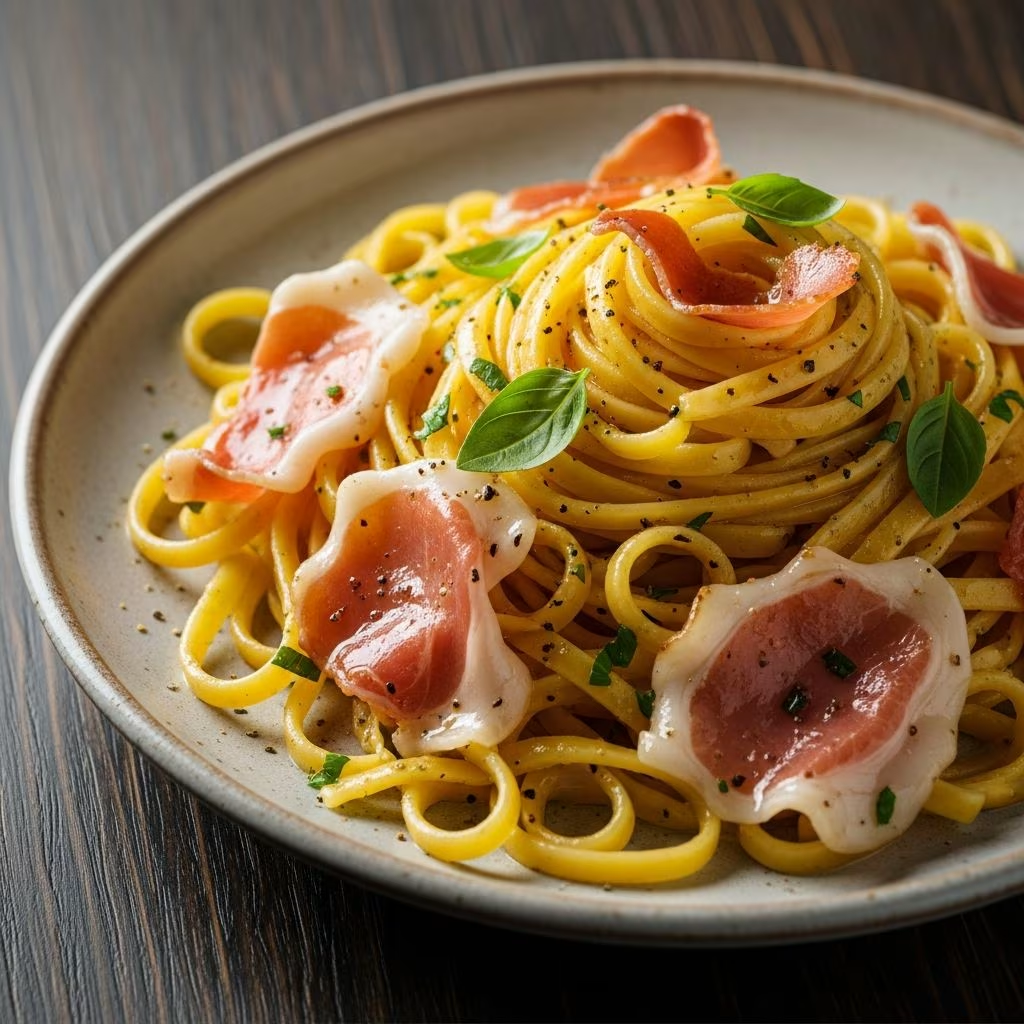
The presentation should showcase the delicate strands of pasta well-coated in butter, with visible flecks of prosciutto distributed throughout. The sauce should be evident but not pooling at the bottom of the plate—if this occurs, the pasta water was added too generously.
Variations and Adaptations
While the traditional version maintains strict simplicity, several thoughtful adaptations honor the original while introducing subtle enhancements.
| Variation | Key Differences | Best Used When |
|---|---|---|
| Creamy Tomato Version | Incorporates passata and a béchamel-style sauce using butter, flour, and milk alongside the prosciutto | Serving as a heartier main course or when tomato freshness is desirable |
| Aromatic Vegetable Base | Includes finely diced onion and garlic sautéed in butter before adding prosciutto | Building deeper flavor layers or serving to those preferring more texture |
| White Wine Reduction | Incorporates dry white wine that reduces before the pasta is added | Creating complexity or when the prosciutto quality is standard rather than exceptional |
| Cream Enhancement | Adds heavy cream or room-temperature cream to the butter base | Creating an exceptionally luxurious texture or serving as a special occasion dish |
Timing and Yield Information
This recipe demonstrates remarkable efficiency in the kitchen. Active preparation time totals approximately ten minutes once pasta is prepared or obtained. If making tagliatelle from scratch, add one hour for dough rest and rolling. The total yield serves four people as a first course or two to three as a substantial main course. The beauty of fresh tagliatelle means that scaling the recipe requires simple mathematics: maintain the 2:1 ratio of pasta to prosciutto, adjusting butter and cheese proportionally.
Ingredient Sourcing and Substitutions
For optimal results, source prosciutto di Parma from a specialty retailer or quality grocery store where it is sliced to order. Pre-packaged prosciutto often suffers from oxidation and develops off-flavors. If Parmigiano-Reggiano proves unavailable, Grana Padano offers similar characteristics, though it lacks the complexity of properly aged Parmigiano. Pecorino Romano, while excellent in other applications, proves too sharp for this delicate preparation. Regarding butter, European-style butter with higher fat content creates a superior sauce, though standard unsalted butter remains acceptable.
Pairing and Menu Considerations
This dish traditionally begins a meal rather than concluding it, serving as a primo before a protein course. Pair it with a crisp white wine—Chenin Blanc, Pinot Grigio, or a dry Prosecco complements the salty-creamy profile beautifully. If serving as the main course, follow with a simple salad of bitter greens dressed lightly with vinegar and oil. Avoid heavy sauces or rich proteins immediately preceding or following this preparation, as the butter creates satiety that a lighter second course balances more gracefully.
Troubleshooting Common Issues
- Sauce appears greasy: The butter broke during cooking. This occurs when heat exceeded medium-low or when insufficient pasta water was added. Start fresh and remember that emulsification requires patience and gradual liquid introduction.
- Pasta tastes underseasoned: Inadequate salt in the cooking water or sparse prosciutto distribution. Quality prosciutto should season the dish adequately when used in proper quantities.
- Prosciutto becomes crispy: Heat was too high during the sautéing step. Lower heat and increase cooking time slightly; the prosciutto should soften and brown gently, not crisp aggressively.
- Sauce thickens excessively after plating: Normal behavior as residual heat continues to cook the starch. Serve immediately and accept that the final texture will firm somewhat as the plate cools.
Frequently Asked Questions
Can I use dried tagliatelle instead of fresh?
While possible, dried pasta lacks the tender, delicate texture that makes this dish special. Fresh egg tagliatelle provides a richness that dried pasta cannot match. If you must use dried pasta, extend cooking time to eight or nine minutes and use slightly less pasta water in the final combination, as dried pasta absorbs more liquid.
Is it acceptable to prepare this dish in advance?
This preparation demands service immediately after completion. The sauce continues to set as it cools, and reheating degrades the delicate texture. Prepare the prosciutto-butter base in advance if desired, but cook and combine the pasta only when ready to serve.
What if I cannot find quality prosciutto?
The dish relies entirely on prosciutto’s character. If authentic prosciutto proves unavailable, consider preparing an alternative sauce. This particular preparation loses its essential character without proper prosciutto.
Should I make the pasta from scratch?
For special occasions or when time permits, homemade pasta elevates the dish considerably. However, quality fresh pasta purchased from Italian markets or specialty shops provides excellent results and demands considerably less time.
Can cream replace butter?
No substitution proves equal. Butter creates a light, silky sauce, while cream produces something heavier and less elegant. If serving someone who avoids dairy, this traditional preparation cannot be adequately adapted.
References
- Tagliatelle with Prosciutto and Butter — Q.B. Cucina. https://qbcucina.com/blogs/recipes/tagliatelle-prosciutto-butter
- Tagliatelle al Prosciutto — Stefan’s Gourmet Blog. 2012-05-01. https://stefangourmet.com/2012/05/01/tagliatelle-al-prosciutto/
- Tagliatelle al Prosciutto (Tagliatelle with Prosciutto) — Tina’s Table. https://www.tinastable.com/tagliatelle-al-prosciutto/
- Tagliatelle with Prosciutto in a Creamy Tomato Sauce — Sara Moulton. 2025-11-01. https://saramoulton.com/2025/11/tagliatelle-with-prosciutto-in-a-creamy-tomato-sauce/