The distinctive taste of Taco Bell nacho fries comes from a carefully balanced combination of spices that create a savory, slightly sweet, and mildly spicy flavor profile. Recreating this beloved fast-food favorite at home is entirely possible when you understand the key components that make up the signature seasoning blend. This comprehensive guide walks you through each ingredient, explains why it matters, and provides practical steps for achieving restaurant-quality results in your own kitchen.
Understanding the Flavor Foundation
Taco Bell nacho fries possess a complex taste that combines multiple flavor dimensions. The seasoning blend includes elements of heat, umami, sweetness, and herbaceous notes that work together harmoniously. Rather than relying on a single dominant spice, the recipe achieves its character through the interplay of complementary ingredients. Understanding why each component matters will help you appreciate the balance and make informed substitutions if needed.
The seasoning works best when applied to hot fries that have been lightly coated with oil. This allows the spice particles to adhere properly and distribute evenly across the surface. The residual heat from the fries also helps activate the aromatic compounds in the spices, intensifying their flavors.
Core Ingredients in the Seasoning Blend
Cheese Component
Cheddar cheese powder serves as one of the foundational elements of this seasoning blend. This ingredient provides a savory, tangy note that distinguishes nacho fries from standard seasoned fries. The cheese powder doesn’t just add flavor—it contributes to the overall umami profile that makes these fries so satisfying. For those who prefer alternatives, cheddar cheese popcorn seasoning offers a comparable result and works particularly well if you already have it on hand.
The Sweetness Factor
Sugar might seem like an unexpected ingredient in a savory seasoning, but it plays a crucial role in balancing the spice blend. The subtle sweetness prevents the heat and earthiness from becoming overwhelming, creating a more complex and refined flavor. When combined with chili-based spices, sugar acts as a bridge that softens the intensity while enhancing overall palatability. This is why many commercial seasoning blends contain some form of sweetener.
Citrus and Heat Elements
Lemon pepper seasoning brings a distinctive zing that creates the recognizable Taco Bell flavor profile. This ingredient combines the brightness of lemon with black pepper’s peppery bite. If you cannot locate lemon pepper seasoning, Tajin seasoning or lemon chili powder provide comparable citrusy notes. The acid component from these ingredients enhances the perception of flavor and adds complexity to the blend.
Warm Spices
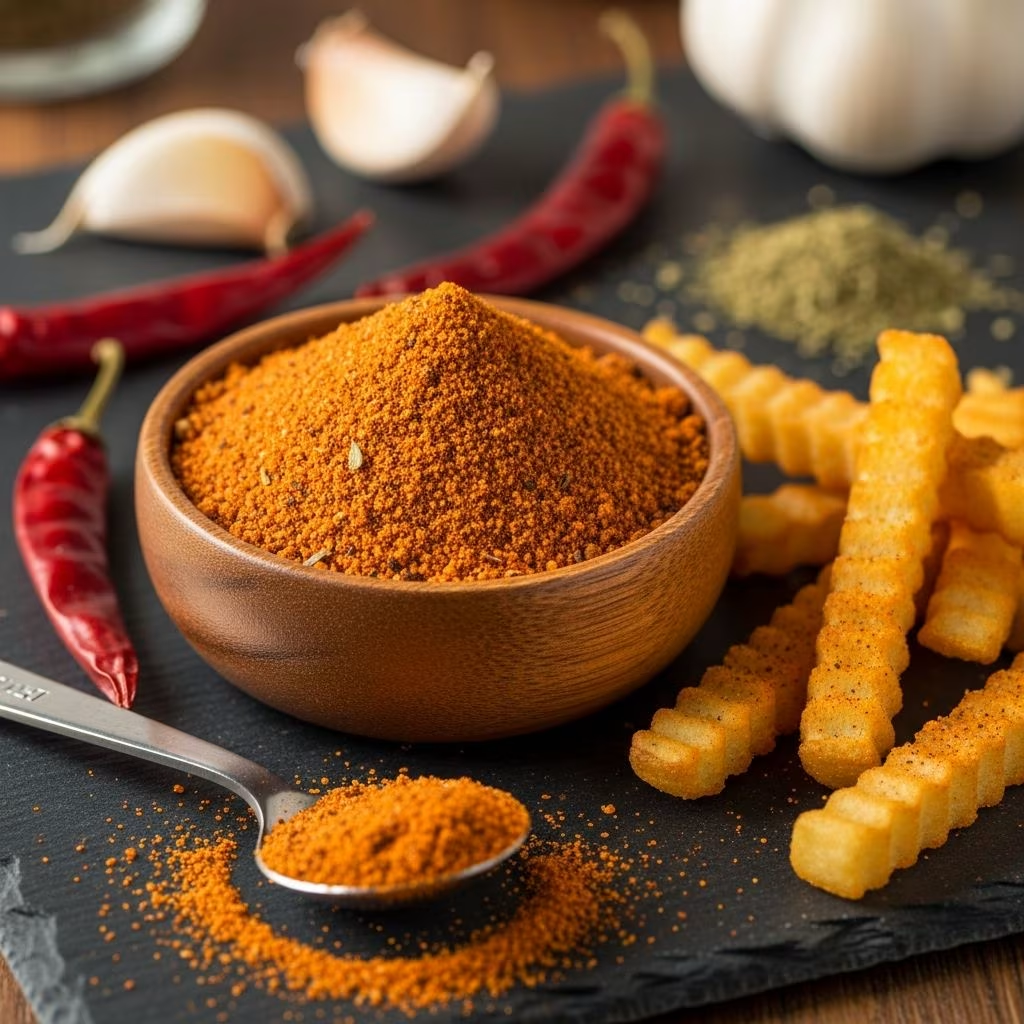
Ground cumin contributes warm, earthy, and slightly citrusy flavors that are fundamental to Latin-inspired seasoning. This spice appears in many taco seasonings and works beautifully in this blend. Ground coriander adds a subtle nutty and citrusy undertone that many people don’t immediately identify but miss when absent. Paprika, specifically sweet paprika, delivers both deep peppery flavors and an appealing reddish hue that makes the seasoned fries visually appetizing.
Aromatic Spices
Garlic powder and onion powder are essential components that create depth and savory richness. These powdered forms of aromatics blend seamlessly with other spices, unlike fresh garlic or onion which would make the seasoning clumpy. Together, they form the aromatic backbone that makes the seasoning instantly recognizable as a savory, restaurant-quality blend.
Heat and Final Touches
Cayenne pepper introduces the distinctive heat that characterizes these fries. This spice adds smoky warmth rather than sharp, mouth-burning spice. For those sensitive to heat, red chili pepper flakes offer an alternative, though they may provide a slightly different texture. Salt, black pepper, and dried oregano round out the blend, with oregano contributing herbaceous notes that prevent the seasoning from tasting one-dimensional.
Complete Ingredient Measurements
The following quantities create a seasoning blend suitable for coating multiple batches of fries:
- ½ teaspoon cheddar cheese powder
- 1 teaspoon sugar
- ½ teaspoon lemon pepper seasoning
- ½ teaspoon ground cumin
- ¼ teaspoon ground coriander
- 1¼ teaspoons paprika powder (sweet paprika)
- 1 teaspoon garlic powder
- 1 teaspoon onion powder
- ½ teaspoon cayenne pepper
- ½ teaspoon salt
- ¼ teaspoon black pepper
- ¼ teaspoon dried oregano
Preparation Methods
Mixing Techniques
Combine all seasoning ingredients in a small bowl and stir thoroughly with a spoon. For a more refined result, use a blender or food processor with just a few pulses. The mechanical mixing ensures all spices combine evenly and helps release aromatic compounds that intensify flavors. This optional step is particularly beneficial if you plan to store the blend for future use, as it creates a more homogeneous mixture.
Application Process
Begin by preparing your fries according to package directions or your preferred method. While fries cook, measure out your seasoning ingredients. Once fries reach a golden brown, crispy stage, strain them using a colander or slotted spoon. Transfer the hot fries to a large bowl and add approximately 1 to 2 tablespoons of olive oil or vegetable oil. The oil coating helps seasonings adhere to the fries’ surface.
Start by adding half your desired amount of seasoning, then taste and adjust. This prevents over-seasoning and allows you to calibrate the intensity to your preference. For a standard batch of fries, approximately 3 to 5 teaspoons of the combined seasoning blend typically provides excellent coverage and flavor.
Coating Enhancement
For superior seasoning adhesion, add ½ teaspoon of cornstarch to the oiled fries before adding the seasoning blend. Cornstarch creates a slightly tacky surface that helps spice particles stick firmly rather than falling to the bottom of the bowl. While optional, this step significantly improves the eating experience by ensuring consistent flavor in every bite.
Customization and Variations
Simplified Seasoning Approach
If you lack specific ingredients, a streamlined version combines cheddar cheese powder, sugar, lemon pepper seasoning, and pre-made taco seasoning. This four-ingredient blend captures the essential flavor profile while reducing complexity. While not identical to the full blend, it provides an excellent approximation and remains easier to prepare.
Heat Level Adjustments
The cayenne pepper quantity can be modified based on personal heat tolerance. Remove it entirely for mild fries, or double it for significantly spicier results. Red chili pepper flakes offer an alternative that provides similar heat with a slightly different texture and intensity curve.
Cheese Variations
Experiment with different cheese powders or blends to create unique flavor variations. Parmesan cheese powder adds sharpness, while a combination of cheddar and Monterey Jack creates complexity. Smoked cheese powder introduces subtle smokiness that complements the existing spice blend.
Herb Experimentation
Additional dried herbs like cilantro, cumin leaves, or chili powder variations can be incorporated based on preference. Keep modifications minor, as excessive changes can overwhelm the balanced original blend.
Serving Suggestions and Accompaniments
Serve freshly seasoned nacho fries immediately while they remain hot and crispy. Accompany them with nacho cheese sauce by combining American cheese slices with milk and optional jalapeño juice for added tang and complexity. Sour cream, guacamole, salsa, or jalapeño-infused sour cream provide excellent dipping options that complement the seasoning profile.
Create a loaded version by topping seasoned fries with shredded cheese, diced jalapeños, sour cream, and seasoned ground beef for a complete meal. The seasoning works equally well on regular-cut fries, waffle-cut fries, or crinkle-cut varieties.
Storage and Shelf Life
Store the prepared seasoning blend in an airtight container at room temperature for up to three months. Keep it away from direct sunlight and moisture to maintain potency. Properly stored seasoning remains effective throughout this timeframe, though flavor intensity gradually diminishes over time. Label your container with the preparation date for reference.
Frequently Asked Questions
Can I make this seasoning in larger batches?
Absolutely. Simply multiply all ingredient quantities by your desired factor. A larger batch made in a food processor creates excellent homogeneity and convenience for frequent use.
What if I cannot find certain spices?
Substitute unavailable ingredients with similar spices. Lemon chili powder replaces lemon pepper seasoning, red pepper flakes substitute for cayenne, and basic taco seasoning can replace the cumin and coriander combination.
Should I apply seasoning to hot or cold fries?
Apply seasoning to hot fries. Heat helps the spices adhere and activates their aromatic compounds, creating more intense flavors.
Does cornstarch change the taste?
Cornstarch remains virtually flavorless while improving seasoning adhesion. Use it if available, but omit it if necessary without significantly affecting taste.
Can I prepare seasoned fries ahead of time?
Eat seasoned fries immediately for optimal crispiness and flavor. If necessary, store them in an airtight container for up to two hours, though they gradually lose crispness.
What is the best oil to use?
Olive oil, vegetable oil, or canola oil all work effectively. Use approximately 1 to 2 tablespoons per batch for proper seasoning adhesion without greasiness.
Achieving Restaurant Quality Results
The key to replicating Taco Bell nacho fries involves understanding that the seasoning blend itself is only half the equation. Properly cooked fries that are golden brown and crispy outside while remaining fluffy inside form the ideal base. The seasoning application requires hot fries with sufficient oil coating to ensure even distribution and proper adhesion. Finally, timing matters—eat seasoned fries immediately after preparation for the best experience.
This homemade version offers advantages over restaurant alternatives, including customizable heat levels, control over ingredients, and the ability to prepare fries exactly when desired. With practice, you’ll develop an intuition for the right amount of seasoning and perfect your technique for consistent results.
References
- The Buttery Fairytale — The Buttery Fairytale Blog. Accessed April 2026. https://thebutteryfairytale.com/taco-bell-nacho-fries-recipe/
- Easy Copycat Taco Bell Nacho Fries Recipe — Cooking in the Midwest. Accessed April 2026. https://cookinginthemidwest.com/blog/copycat-taco-bell-nacho-fries/
- How to Make Taco Bell Nacho Fries at Home — Eating on a Dime. Accessed April 2026. https://www.eatingonadime.com/taco-bell-nacho-fries-recipe/