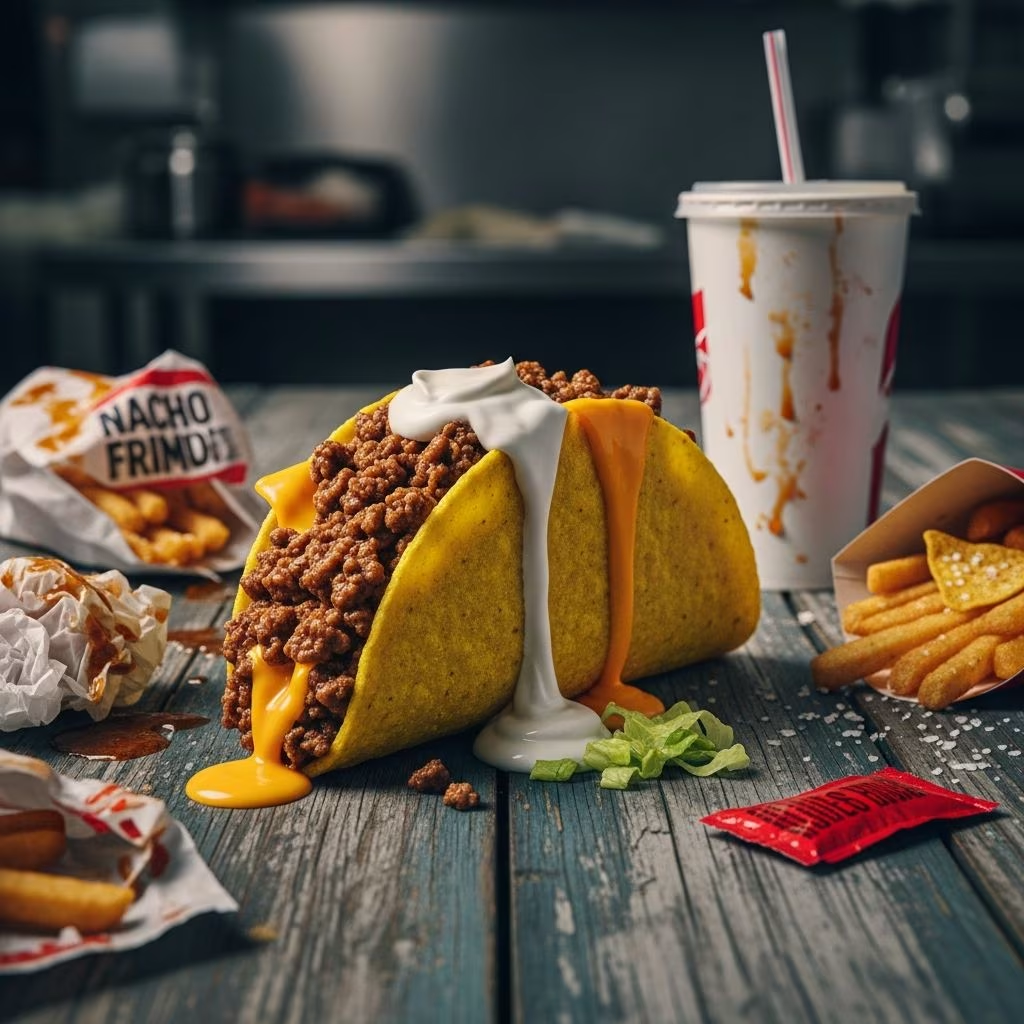
Taco Bell has become a staple destination for quick, affordable meals across North America. However, not all items on the menu offer the same nutritional value or quality assurance. Whether you’re concerned about your daily calorie intake, sodium consumption, or the actual preparation standards behind your favorite items, understanding which products to bypass can significantly improve your dining choices at this popular chain.
Understanding the Nutritional Landscape at Taco Bell
Fast-food restaurants typically operate under time constraints and cost-efficiency pressures that can compromise nutritional quality. Taco Bell’s menu reflects this reality, with numerous items packed with excess sodium, saturated fats, and refined carbohydrates. For individuals monitoring their cardiovascular health, managing weight, or simply seeking more nutritious options, knowledge becomes your most powerful tool.
The chain’s emphasis on flavor and value often comes at the expense of balanced nutrition. Many items exceed recommended daily limits for sodium in a single serving, while others derive more than half their calories from fat. Understanding these patterns helps consumers make informed decisions that align with their health objectives.
High-Calorie Burden Items That Should Concern Health-Conscious Diners
The XXL Grilled Stuft Burrito Problem
The XXL Grilled Stuft Burrito represents one of the most calorie-dense offerings at Taco Bell, containing 870 calories per serving. What makes this item particularly problematic is the composition of those calories: nearly half derive from fat sources. The sodium content reaches approximately 90 percent of the recommended daily allowance in just one burrito.
This oversized creation combines salty seasoned beef with excessive rice, multiple cheese varieties, guacamole, avocado ranch sauce, and beans—all compressed into two oversized tortillas. For anyone practicing portion control, following a balanced diet, or managing hypertension, this menu item presents a significant nutritional challenge that extends far beyond a single meal’s impact.
The Misleading Salad Option
The Fiesta Taco Salad illustrates how menu terminology can deceive health-conscious consumers. Despite the word “salad” suggesting a lighter choice, this item contains 760 calories. The salad features seasoned beef, beans, sour cream, cheese, and fried tortilla strips served in a crispy fried tortilla bowl.
The deeper concern emerges when examining available upgrades and additions that can push the nutritional profile into even more problematic territory. The combination of fried elements, high-fat dairy components, and processed meat creates a dish that contradicts its health-conscious appearance.
The Deceptive Five-Layer Burrito
Priced attractively at $2.19, the Beefy 5-Layer Burrito tempts budget-conscious customers with perceived value. However, this item delivers 500 calories, concentrated saturated fat, and more than 50 percent of daily sodium allowance. The construction includes two tortillas bound with nacho cheese, filled with seasoned beef, beans, sour cream, and additional cheese.
Excessive Sodium and Cardiovascular Implications
The Sodium Crisis in Signature Items
Perhaps no nutritional concern exceeds the sodium problem pervasive throughout Taco Bell’s menu. The Cheesy Gordita Crunch delivers a staggering 850 milligrams of sodium in a single item. This represents approximately one-third of the daily recommended sodium intake in just one menu selection.
The Cheesy Gordita Crunch exemplifies the layering approach Taco Bell uses: a hard shell containing beef, ranch sauce, and lettuce, wrapped in a flour flatbread, all held together with excessive cheese. Each component contributes incremental sodium, creating a cumulative effect that significantly impacts cardiovascular health markers.
Understanding Sodium’s Health Impact
Elevated sodium consumption correlates with increased blood pressure, heightened cardiovascular disease risk, and compromised kidney function. For individuals already managing hypertension or at genetic risk for heart disease, menu items exceeding 800-900 milligrams of sodium pose particular concerns. The Nachos Bell Grande, containing 750 calories with nearly half derived from fat, compounds this sodium issue.
Quality and Preparation Concerns from Industry Insiders
Employee Revelations About Ingredient Handling
Taco Bell employees have publicly shared concerning information about how various ingredients are prepared and stored. The beans, appearing uniformly textured and unappetizing directly from their packaging, undergo rehydration with water and then sit in warming pans throughout service hours. This extended warm storage raises food safety concerns alongside nutritional degradation questions.
Similarly, guacamole faces criticism from multiple employees regarding its storage practices. Left in warm environments and infrequently used, guacamole’s quality and safety deteriorate significantly during shifts. One employee explicitly stated they would never choose this addition, citing its poor condition.
Steak: Premium Price, Questionable Quality
Taco Bell markets steak as a premium menu option, yet former employees reveal the reality contradicts marketing claims. Rather than being grilled fresh on-site, steak arrives pre-packaged in plastic bags and receives reheating by submersion in hot water. This preparation method differs substantially from the implied fresh-grilling process suggested by the menu description.
The resulting texture and quality have earned the steak a negative reputation among staff, who note it doesn’t resemble genuine taco-quality meat. Combined with the premium price point and questionable ingredients linked to negative health outcomes, the steak option represents poor value despite its marketing positioning.
Artificial Additives and Chemical Concerns
The Mountain Dew Baja Blast Freeze Phenomenon
This branded beverage exemplifies fast-food drinks prioritizing marketing appeal over nutritional value. The unnaturally vibrant green color signals the presence of artificial coloring and chemical additives rather than natural ingredients. Despite the vague lime flavoring suggestion, the drink contains essentially icy soda composed of chemicals and artificial elements.
A single 16-ounce serving contains zero nutritional value alongside 51 grams of carbohydrates derived entirely from sugar. The lack of vitamins, minerals, or beneficial nutrients, combined with excessive sugar content, makes this item particularly problematic for diabetics and individuals managing sugar intake.
Preservation and Additive Issues in Signature Items
The Nachos Bell Grande contains numerous unpronounceable preservatives, modified additives, and ingredients featuring “gum” in their nomenclature. These additives extend shelf life and create consistent texture but raise questions about long-term health implications of consuming processed food components regularly.
Consistency and Preparation Quality Problems
Structural Failures in Popular Items
Customer reports and employee confirmations reveal systematic preparation inconsistencies. The Crunchwrap Supreme frequently arrives flat or unevenly prepared, with photographs from various locations showing significant variation in construction. Some locations deliver overly greasy versions, while others serve soggy variants, suggesting inadequate training or quality control.
At 540 calories with over 1,200 milligrams of sodium, the Crunchwrap Supreme combines nutritional concerns with consistency problems—making it a double-threat menu item to avoid.
The Disappointing Burrito Supreme
Despite its name suggesting premium quality, the Burrito Supreme disappoints consumers with bland flavor profiles and poor filling-to-tortilla ratios. Multiple consumers report that bites frequently contain predominantly tortilla with minimal filling content. This execution failure undermines the entire dining experience regardless of nutritional considerations.
Storage and Freshness Issues
Potatoes: Hard and Unappetizing
Taco Bell’s seasoned potatoes, appearing in various menu items, suffer from texture problems directly attributable to storage practices. Store managers confirm that potatoes remain in heating cabinets positioned atop service lines, where prolonged exposure to heat renders them hard and dry. This preparation method sacrifices quality for operational convenience.
Vegetarian customers often select potato-based items as protein alternatives, only to encounter consistently disappointing texture and unappetizing presentation.
The Chili Cheese Burrito Saga
Employee testimony reveals that chili cheese burritos are rarely ordered, resulting in old chili that either remains unstirred or receives inconsistent distribution throughout burritos. Some locations apparently substitute red nacho cheese sauce for actual chili, creating an entirely different product than customers expect. One employee summarized the situation bluntly, suggesting the item should be removed from the menu entirely.
Items Built on Problematic Foundations
Doritos Locos Tacos and MSG Concerns
While Doritos Locos Tacos appear relatively modest in calorie, fat, and sodium content individually, their construction raises concerns. The Doritos shells contain monosodium glutamate (MSG), added for flavor enhancement. However, MSG’s recognized appetite-stimulation properties lead consumers to purchase additional items, ultimately increasing total calorie, fat, and sodium consumption significantly.
The psychological effect of MSG—making foods more appetizing and potentially more addictive—transforms what appears to be a reasonable individual choice into a gateway to excessive consumption.
The Cheesy Roll-Up Disappointment
Employees describe the Cheesy Roll-Up as merely “a vessel for sauce,” suggesting the item lacks substance and serves primarily as a delivery mechanism for condiments. Those seeking an actual food item rather than seasoned cheese sauce wrapping should definitely bypass this option.
Timing Considerations and Additional Concerns
Late-Night Service Quality
Multiple employees recommend avoiding any Taco Bell items ordered after 10 p.m., citing deteriorating food quality as service hours extend. Ingredients sitting longer, reduced staff focus, and accumulated grease likely contribute to compromised quality during late-night hours.
Breakfast Menu Cautions
Taco Bell’s breakfast offerings receive particular criticism for excessive grease content. Employees describe breakfast items as overly greasy, unappetizing, and excessively expensive relative to quality provided. Combined with higher price points compared to lunch and dinner offerings, breakfast represents poor value.
Guacamole Quality Crisis
Perhaps no ingredient receives more consistent negative employee feedback than guacamole. Multiple Taco Bell workers explicitly stated they avoid the guacamole entirely, noting its inferior quality compared to fresh traditional guacamole. The combination of being infrequently ordered, stored improperly in warm environments, and potentially degraded in quality during extended service makes this addition universally discouraged.
Strategic Recommendations for Healthier Choices
Focusing on Better Alternatives
Rather than simply highlighting problematic items, consumers should understand that Taco Bell does offer relatively better alternatives. Some menu items exist with more reasonable calorie counts and lower sodium levels, though they rarely achieve optimal nutritional profiles. Consulting detailed nutritional information available through Taco Bell’s official resources empowers better decision-making.
Customization options—such as requesting light cheese, extra lettuce, avoiding fried components, and selecting grilled proteins where available—can improve menu choices substantially. Building meals from component parts rather than ordering pre-constructed items often yields better nutritional outcomes.
Frequency and Portion Control
Even problematic items become manageable when consumed infrequently as occasional treats rather than regular menu selections. Understanding that a single XXL Grilled Stuft Burrito contains nearly a full day’s sodium allowance helps contextualize consumption decisions. Splitting items with companions or consuming smaller portions addresses portion-control concerns.
Conclusion: Making Informed Taco Bell Decisions
Taco Bell’s menu contains numerous items worthy of avoidance for nutritional, quality, or safety reasons. From the calorie-dense XXL Grilled Stuft Burrito to the problematic guacamole, employees and nutritionists consistently identify specific menu items deserving skepticism. Understanding these concerns—whether rooted in excessive sodium, artificial additives, preparation inconsistencies, or ingredient-handling deficiencies—enables consumers to make choices aligning with their health objectives and quality expectations.
By remaining informed about which items to bypass and understanding the reasoning behind these recommendations, Taco Bell customers can navigate the menu more successfully, protecting both their nutritional goals and their dining satisfaction.
References
- Things You Should Never Order At Taco Bell — Mashed. 2024. https://www.mashed.com/52722/things-never-order-taco-bell/
- 8 Things You Should Never Order From Taco Bell — Cheapism. 2024. https://www.cheapism.com/things-to-never-order-from-taco-bell/
- 8 Taco Bell Menu Items You Should Never Order, According To Employees — The Takeout. 2024. https://www.thetakeout.com/1896929/taco-bell-menu-items-employees-never-order/