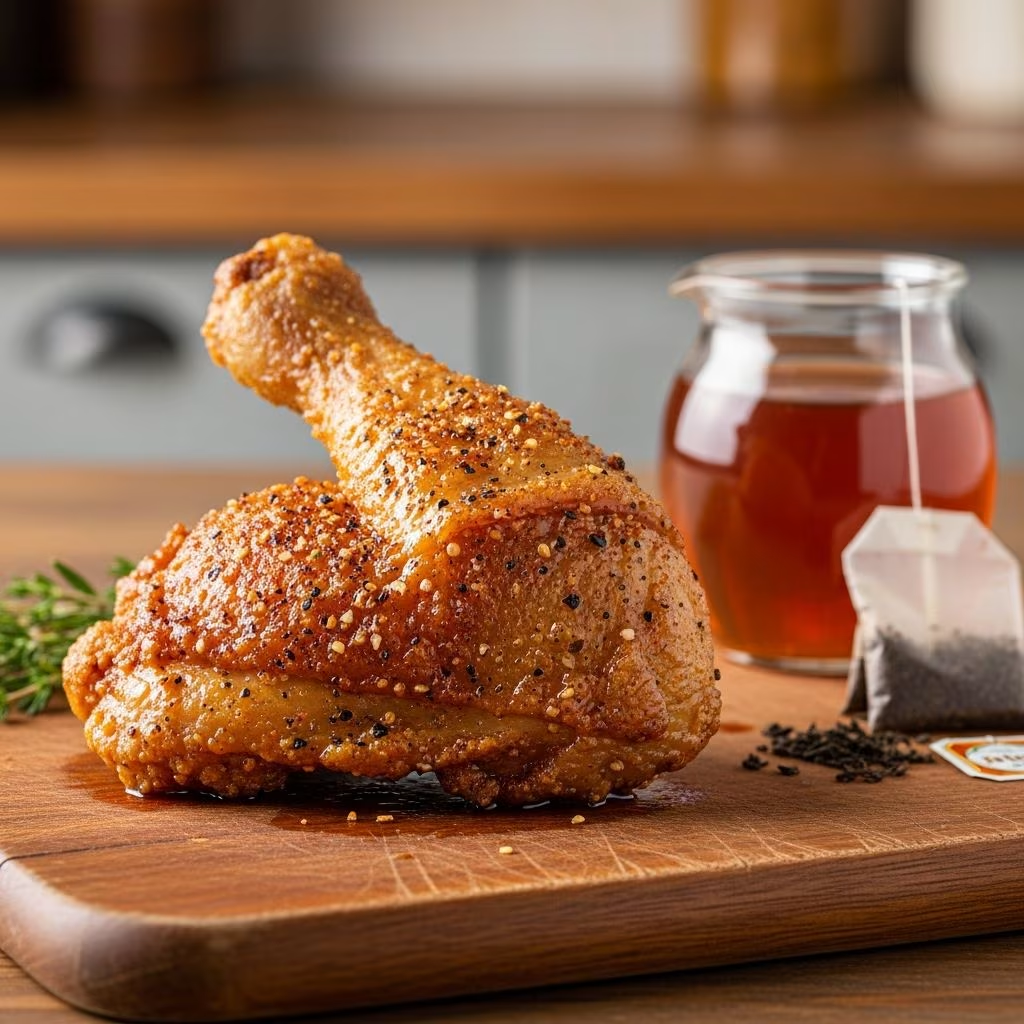
Combining the refreshing essence of sweet tea with the timeless appeal of fried chicken creates a dish that captures the heart of Southern cooking. This technique uses a brine made from brewed tea, sugar, and salt to ensure the meat stays incredibly moist while absorbing subtle flavors that enhance its natural taste. Unlike traditional methods, the tea adds a unique tannic note and gentle acidity, resulting in chicken that’s tender on the inside and shatteringly crisp on the outside.
Why Brining Transforms Fried Chicken
Brining is a game-changer for poultry preparation. By soaking chicken in a saltwater solution, often enhanced with sugars and aromatics, the process allows salt to penetrate the muscle fibers, relaxing them and retaining moisture during high-heat cooking like frying. Sweet tea elevates this by introducing natural sweetness and citrus undertones, balancing the savoriness of the crust.
Scientific principles underpin its success: osmosis draws brine into the meat, while denatured proteins hold onto water. Studies from food science resources confirm that brined chicken can retain up to 10-15% more moisture compared to unbrined counterparts, preventing dryness even after prolonged frying.
Essential Ingredients for the Perfect Brine
Start with high-quality components to build a robust foundation. Key elements include:
- Tea base: Use family-size unsweet iced tea bags or double-strength black tea for bold flavor without bitterness.
- Sweetener: Granulated sugar, about 1/2 to 1 cup per quart, dissolves easily and caramelizes during frying.
- Salt: Kosher or coarse sea salt, 1/2 cup per quart, for optimal penetration without oversalting.
- Citrus and aromatics: Lemon zest or quarters, fresh herbs like thyme, and smashed garlic cloves add brightness and depth.
- Water: Divided into boiling for infusion and cold for shocking the mixture.
These ingredients create a balanced brine that’s mildly sweet, tangy, and herbaceous, setting the stage for flavorful chicken.
Step-by-Step Brining Process
Preparing the brine takes about 20-30 minutes, plus chilling time. Here’s how:
- Boil half the water (4 cups for a standard batch), add tea bags, sugar, salt, lemon, herbs, and garlic. Steep 10-15 minutes, stirring until dissolved.
- Remove tea bags, squeezing excess liquid, then add remaining cold water or ice to cool rapidly.
- Submerge 3-8 pounds of chicken pieces (legs, thighs, breasts, or quarters) in the chilled brine. Refrigerate 4-48 hours; longer for bone-in dark meat.
- Rinse lightly under cold water post-brine to remove excess salt, then pat dry thoroughly for crisp skin.
For best results, use non-reactive containers like glass bowls or food-grade plastic. Always ensure the brine is ice-cold before adding raw chicken to inhibit bacterial growth.
| Chicken Cut | Ideal Brine Time | Notes |
|---|---|---|
| Boneless Breasts | 4-8 hours | Prevents over-tenderizing |
| Leg Quarters | 24-48 hours | Maximizes juiciness |
| Wings/Thighs | 12-24 hours | Balances flavor absorption |
Crafting the Ideal Dredge and Batter
The crust is where texture shines. A multi-step dredging—flour, wet batter, seasoned flour—creates nooks for oil to crisp into.
- Dry mix 1: All-purpose flour (3 cups) for initial coating.
- Wet dip: Buttermilk (1-2 cups) mixed with eggs or hot sauce for adhesion and tang.
- Seasoned dry mix 2: Flour (2 cups), cornmeal (for crunch), spices like Old Bay, chili powder, cayenne, black pepper, and salt.
Let dredged pieces rest 20-30 minutes on a rack; this sets the coating, preventing slippage in hot oil.
Frying Techniques for Golden Perfection
Heat management is crucial. Use a cast-iron skillet or deep pot with 3-6 cups neutral oil (vegetable or peanut) heated to 325-350°F.
- Test oil with a flour pinch; it should sizzle steadily without smoking.
- Fry in batches to avoid temperature drops—3-4 pieces max per batch.
- Cook 12-15 minutes, turning halfway, until internal temp hits 165-170°F and exterior is deep gold.
- Drain on a wire rack over a sheet pan; seasoning immediately post-fry locks in crunch.
Monitor with a thermometer for consistency. Overcrowding leads to greasy results; patience yields restaurant-quality fry.
Flavor Variations to Elevate Your Recipe
Customize beyond basics:
- Spicy Kick: Add cayenne or hot sauce to brine and dredge for heat buildup.
- Herbal Twist: Incorporate rosemary, thyme, or bay leaves in brine for earthy notes.
- Sweet Heat: Mix honey into buttermilk for caramelized edges.
- Gluten-Free: Swap flour for rice flour or almond meal blend.
- Oven-Baked Option: Spray dredged pieces with oil, bake at 425°F for 40-50 minutes, flipping once.
These tweaks keep the dish versatile for weeknights or gatherings.
Pairing Suggestions and Serving Ideas
Serve hot with classic sides: coleslaw, cornbread, pickles, or biscuits. For a Southern stack, top biscone-style buns with fried chicken, scallion butter, and cheddar. Beverages like iced tea or lemonade complement the flavors perfectly.
Pro tip: Double-fry for extra crunch—first at 325°F for 8 minutes, rest, then 375°F for 3-5 minutes.
Common Mistakes and Troubleshooting
Avoid these pitfalls:
- Wet chicken: Always pat dry post-brine.
- Oil too hot/cold: Causes burning or sogginess; adjust heat dynamically.
- Thin coating: Double-dredge and rest adequately.
- Over-brining: Stick to time guidelines to prevent mushiness.
If crust falls off, insufficient resting or overcrowding is likely. Practice yields mastery.
Nutritional Insights and Storage Tips
A 4-oz serving offers about 400-500 calories, rich in protein (30g+). Balance with veggies. Store leftovers in airtight containers up to 3 days; reheat in 350°F oven for 10-15 minutes to revive crispness. Freeze uncooked brined chicken up to 2 months.
Frequently Asked Questions (FAQs)
Can I use green tea instead of black?
Yes, but black tea provides the classic tannic depth; green adds grassiness. Adjust steeping to 5 minutes max.
How do I know if the oil is ready?
Sprinkle flour; it should bubble vigorously but not burn. Thermometer at 325-350°F is foolproof.
Is brining necessary?
Not strictly, but it dramatically improves moisture and flavor—worth the time.
Can this be made ahead?
Brine up to 48 hours ahead; dredge and fry same day for best texture.
What if I don’t have buttermilk?
Mix milk with 1 tbsp lemon juice or vinegar per cup; let sit 10 minutes.
Mastering sweet tea brined fried chicken opens doors to endless culinary creativity. With practice, you’ll produce crowd-pleasing results that rival any Southern kitchen.
References
- Sweet Tea-Brined Fried Chicken — Blackberry Farm Brewery. Accessed 2026. https://blackberryfarmbrewery.com/recipes/sweet-tea-brined-fried-chicken
- Sweet Tea-Brined Fried Chicken on a “Biscone” — Paula Deen. Accessed 2026. https://www.pauladeen.com/recipe/sweet-tea-brined-fried-chicken-on-a-biscone/
- Sweet Tea Brined Fried Chicken Recipe — Luzianne Tea. Accessed 2026. https://luzianne.com/recipes/sweet-tea-brined-fried-chicken/
- How to Make Sunny Anderson’s Fried Sweet Tea Chicken — YouTube (Rachael Ray Show). 2021. https://www.youtube.com/watch?v=ZH30dT1iPqE