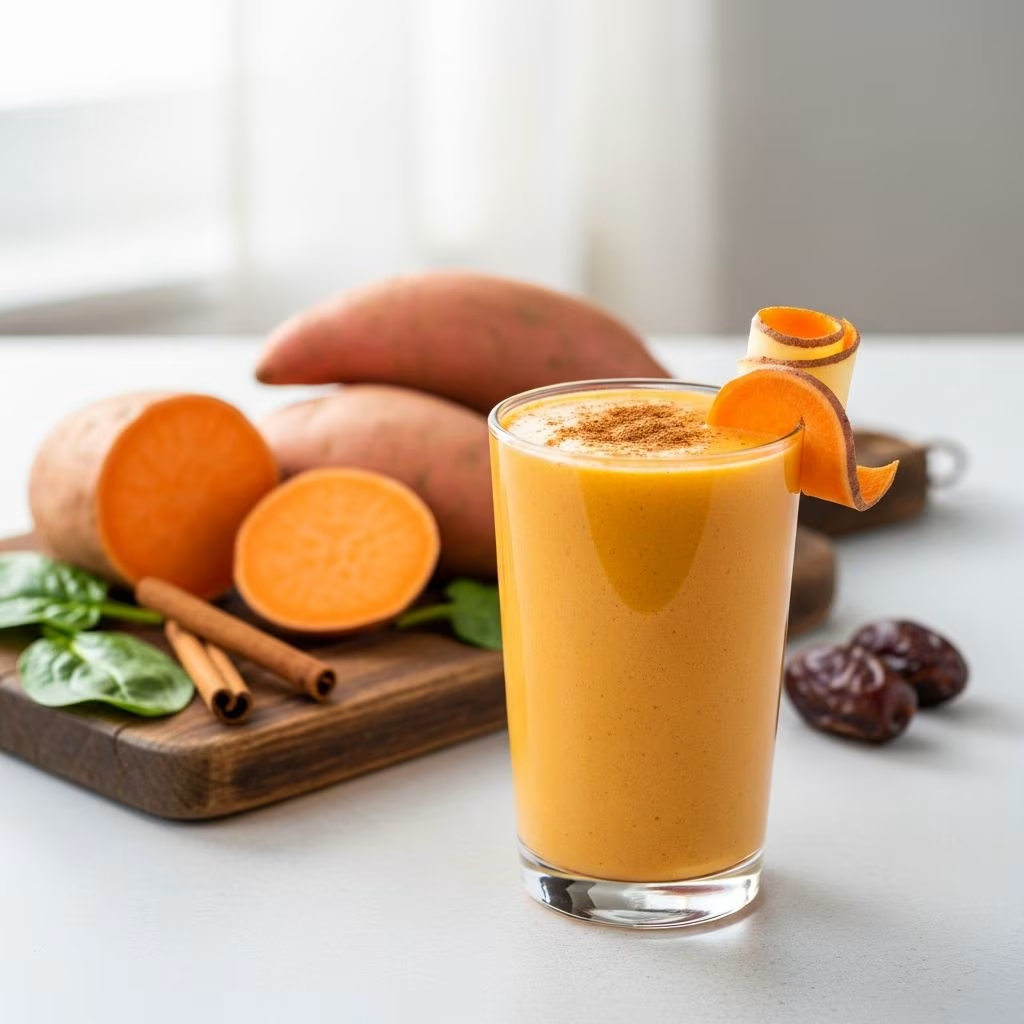
Sweet potato smoothies have become increasingly popular as a nutritious and satisfying beverage option for health-conscious consumers. These creamy drinks combine the natural sweetness and earthy flavor of roasted sweet potatoes with complementary ingredients to create a meal-like smoothie that tastes indulgent while delivering substantial nutritional value. The versatility of this base ingredient allows for countless flavor combinations, making sweet potato smoothies an excellent choice for breakfast, post-workout recovery, or afternoon snacks.
Understanding the Foundation: Why Sweet Potatoes Work So Well in Smoothies
Sweet potatoes serve as an exceptional smoothie base due to their unique nutritional composition and texture properties. When cooked properly, these root vegetables become incredibly creamy, providing the liquid-binding properties that create a smooth, pudding-like consistency without requiring excessive dairy or non-dairy milk. This natural creaminess means you can achieve satisfying thickness while maintaining a drinkable texture, something that distinguishes sweet potato smoothies from many fruit-based alternatives.
The nutritional density of sweet potatoes contributes significantly to their popularity in smoothie recipes. These vegetables contain substantial amounts of dietary fiber, vitamins A and C, potassium, and manganese. When incorporated into smoothies, they transform ordinary drinks into nutrient-dense beverages capable of supporting sustained energy levels and providing satiety that lasts several hours. The complex carbohydrates present in sweet potatoes digest slowly, preventing the energy crashes often associated with high-sugar fruit smoothies.
Selecting and Preparing Your Sweet Potatoes
The quality of your finished smoothie depends significantly on proper sweet potato preparation. Choose firm, medium-sized sweet potatoes with unblemished skin and a deep orange color, as these indicate optimal ripeness and sugar content. Smaller potatoes tend to be sweeter and more tender than larger varieties, making them ideal for smoothie applications.
Several cooking methods work effectively for smoothie preparation:
- Oven baking – Preheat your oven to 375-400 degrees Fahrenheit, line a baking sheet with parchment paper, and bake whole sweet potatoes for 30-40 minutes until completely fork-tender. This method preserves maximum flavor and nutritional content.
- Cubed baking – Cut sweet potatoes into 1-2 inch chunks, drizzle lightly with olive oil, and bake on a parchment-lined sheet at 375 degrees for 20-30 minutes, stirring halfway through. This approach reduces cooking time significantly.
- Steaming – Steam whole or cut sweet potatoes for 15-20 minutes until soft, which offers a gentler cooking method that minimizes nutrient loss.
- Microwave option – Pierce whole sweet potatoes several times with a fork and microwave on high for 5-8 minutes, rotating halfway through, for maximum convenience.
Once cooked, allow potatoes to cool completely to room temperature before handling. Peel away the skin using your fingers or a vegetable peeler, then measure the flesh into serving portions. For optimal smoothie results, freeze prepared sweet potato pieces in airtight containers or freezer bags for up to three months. This freezing step creates the perfect consistency when blended, mimicking the texture achieved by commercial smoothie bars.
Building Your Ideal Smoothie: The Complete Ingredient Framework
Creating a balanced sweet potato smoothie requires thoughtful ingredient selection across multiple categories. Each component contributes specific functions toward the final texture, flavor, and nutritional profile.
Liquid Base Options
The liquid component determines both the smoothie’s consistency and its nutritional additions. You have considerable flexibility in this choice:
- Unsweetened almond milk offers a neutral flavor that doesn’t compete with sweet potato spices, containing approximately 30-40 calories per cup and minimal added sugars.
- Soy milk provides higher protein content (around 7-8 grams per cup) and creamier texture than almond alternatives, making it ideal for post-workout smoothies.
- Coconut milk beverage adds tropical undertones that complement sweet potato perfectly, though it contains more calories than other options.
- Dairy milk or Greek yogurt increases protein significantly while contributing richness and satiety.
- Oat milk offers a naturally sweet base that pairs beautifully with cinnamon and warming spices.
Start with approximately 3/4 to 1 cup of liquid per serving, then adjust based on your desired consistency. More liquid creates a drinkable smoothie, while less produces a thicker shake suitable for eating with a spoon.
Protein Enhancement Strategies
While sweet potatoes provide modest protein levels, incorporating additional protein sources creates a more complete meal:
- Greek yogurt – Plain varieties without added flavoring contribute 15-20 grams of protein per half-cup while adding creaminess
- Collagen powder – Neutral-flavored collagen peptides integrate seamlessly without altering taste, providing 10-15 grams per scoop
- Plant-based protein powders – Vanilla or unflavored varieties work best to avoid competing with spice profiles
- Nut butters – Almond, pecan, or peanut butter contribute protein along with healthy fats that enhance satiety
- Hemp hearts – These nutty-flavored seeds add complete plant protein plus omega-3 fatty acids
Flavor Profile Development
Spices transform basic sweet potato smoothies into dessert-like beverages that rival pie-flavored treats. The traditional spice combination mimics pumpkin pie spice:
- Ground cinnamon (1/2 to 1 teaspoon) – Provides warming sweetness and helps regulate blood sugar
- Ground nutmeg (1/8 to 1/4 teaspoon) – Adds depth and subtle earthiness
- Ground ginger (1/8 teaspoon) – Contributes brightness and digestive support
- Ground cloves (pinch) – Delivers complexity without overwhelming other flavors
Alternatively, use pre-made pumpkin pie spice blends at approximately 1/2 teaspoon per serving. Vanilla extract (1 teaspoon) enhances overall flavor perception without adding sweetness, while a pinch of sea salt amplifies all spice flavors through natural flavor-enhancement mechanisms.
Natural Sweetening Options
Sweet potatoes contain substantial natural sugars, often making additional sweeteners unnecessary. However, if desired, consider:
- Pitted dates – Approximately 2-3 dates provide natural sweetness plus fiber and minerals
- Maple syrup – Use 1-2 teaspoons for subtle sweetness without overpowering other flavors
- Honey – Contributes antimicrobial properties and smooth sweetness (1-2 teaspoons)
Complementary Fruit Additions
While not always necessary, certain fruits enhance sweet potato smoothies without creating competing flavor profiles:
- Frozen banana – Adds creaminess, natural sweetness, and potassium (1/2 to 1 whole banana)
- Mango chunks – Contribute tropical brightness and vitamin C
- Fresh or frozen berries – Provide antioxidants and mild tartness for balance
Step-by-Step Blending Instructions
Achieving optimal smoothie consistency requires following a specific blending sequence:
- Add your chosen liquid base to the blender first, filling it approximately one-third of the way.
- Layer in leafy greens (spinach or kale) if desired, blending until no visible leaf pieces remain.
- Add the prepared sweet potato pieces, followed by any protein powder, collagen, or nut butter.
- Include spices, vanilla extract, and any whole fruits or frozen banana.
- Secure the blender lid and blend on high speed for 45-60 seconds until completely smooth.
- Taste the mixture and adjust sweetness or spice levels as desired, re-blending if modifications are made.
- For a cold smoothie, add approximately one heaping cup of ice cubes and blend again for 30-45 seconds until completely pulverized.
- Pour immediately into serving glasses and consume right away for optimal nutrition and texture.
Nutritional Analysis and Health Benefits
A typical sweet potato smoothie containing one frozen banana, half-cup cooked sweet potato, one-half cup Greek yogurt, one tablespoon almond butter, and one cup unsweetened almond milk provides approximately 18+ grams of protein, 7+ grams of dietary fiber, and 9+ grams of healthy monounsaturated fats. This macronutrient distribution creates genuine satiety, making the smoothie suitable as a standalone breakfast or post-workout recovery beverage.
The fiber content supports digestive health while slowing glucose absorption, preventing the blood sugar spikes associated with high-carbohydrate beverages. The protein component preserves lean muscle mass and extends satiety duration, while healthy fats from nut butters enhance nutrient absorption and provide sustained energy.
Recipe Variations for Every Preference
The Classic Pie-Inspired Version
Blend one cup frozen sweet potato cubes, one frozen banana, three-quarters cup unsweetened almond milk, one-half cup plain Greek yogurt, one tablespoon almond butter, one teaspoon vanilla extract, one-half teaspoon ground cinnamon, one-eighth teaspoon nutmeg, and a pinch of ground cloves for a dessert-like smoothie that satisfies sweet cravings while delivering substantial nutrition.
The Tropical Variation
Combine one-half cup cooked sweet potato, one-half cup fresh or frozen mango chunks, one tablespoon chia seeds, one and one-third cups unsweetened coconut milk beverage, and two teaspoons maple syrup for a lighter smoothie featuring bright tropical notes that complement the earthy sweet potato base.
The Green Power Blend
Layer one cup fresh baby spinach, one cup unsweetened almond milk, and two tablespoons water in your blender, blend until smooth, then add one-half cooked sweet potato, one cup frozen mango, one-half teaspoon cinnamon, and one-half teaspoon nutmeg for a nutrient-dense smoothie that hides the spinach completely.
The Veggie-Enhanced Option
Blend three-quarters cup frozen sweet potato, one cup frozen cauliflower rice, three-quarters cup milk of choice, one serving collagen powder, and your choice of spices for a smoothie that dramatically increases vegetable consumption while maintaining pleasant flavor.
Storage and Make-Ahead Strategies
Properly prepared sweet potato components make smoothie assembly incredibly convenient:
- Store cooked sweet potato pieces in airtight freezer containers for up to three months, allowing grab-and-blend convenience.
- Prepare individual smoothie ingredient bags by portioning sweet potato, spices, and any dry additions into labeled freezer bags, ready for quick blending.
- Pre-portion nut butters and other wet ingredients into small containers, enabling streamlined smoothie assembly.
- Do not blend smoothies in advance, as separation occurs and texture degrades within hours. Always blend immediately before consumption for optimal quality.
Troubleshooting Common Smoothie Issues
Smoothie too thick: Gradually add additional liquid (milk or water) one tablespoon at a time while re-blending until achieving desired consistency.
Smoothie too thin: Add more frozen sweet potato pieces, additional banana, or a tablespoon of almond butter to increase thickness.
Insufficient sweetness: Blend in an additional pitted date or one teaspoon of maple syrup rather than adding refined sugar.
Spice flavor too strong: Dilute with additional milk and re-blend, reducing future spice measurements accordingly.
Blender struggling: Ensure you’re using a high-powered blender capable of processing frozen ingredients, or slightly thaw frozen sweet potatoes before blending.
Frequently Asked Questions
Can I use canned sweet potato for smoothies?
Yes, canned sweet potatoes work effectively, though fresh baked potatoes generally provide superior flavor and texture. Always use varieties packed without added sugar or syrup, rinsing thoroughly before blending.
How much frozen sweet potato should one serving contain?
A typical single-serving smoothie uses one-half to one cup of prepared sweet potato (approximately 4-8 ounces), depending on whether you prefer sweet potato as the primary ingredient or a supporting component.
Is it necessary to peel sweet potatoes before blending?
While the skin is edible and nutritious, removing it before blending creates a smoother texture and more refined flavor. However, blending unpeeled cooked sweet potato is acceptable if you prefer maximum nutritional retention.
What’s the best high-powered blender for this recipe?
Vitamix, Ninja, and Breville models consistently perform well with frozen ingredients, though any blender with at least 1200 watts of power should handle sweet potato smoothies effectively.
Can I substitute sweet potato with butternut squash?
Yes, butternut squash offers similar texture and complementary flavor, though it contains slightly less natural sweetness. Adjust additional sweetener accordingly based on taste preferences.
References
- Sweet Potato Smoothie (that tastes like pie!) — Detoxinista. Accessed April 2026. https://detoxinista.com/sweet-potato-smoothie/
- Creamy Sweet Potato Smoothie (w/ Protein) — Eat the Gains. Accessed April 2026. https://eatthegains.com/sweet-potato-smoothie/
- Amazing sweet potato smoothie — Sugarsalted. Accessed April 2026. https://www.sugarsalted.com/amazing-sweet-potato-smoothie/
- Creamy Sweet Potato Smoothie — Simple Green Smoothies. Accessed April 2026. https://simplegreensmoothies.com/sweet-potato-smoothie/
- Cinnamon Sweet Potato Smoothie (tastes like pie!) — Ambitious Kitchen. Accessed April 2026. https://www.ambitiouskitchen.com/cinnamon-sweet-potato-smoothie/