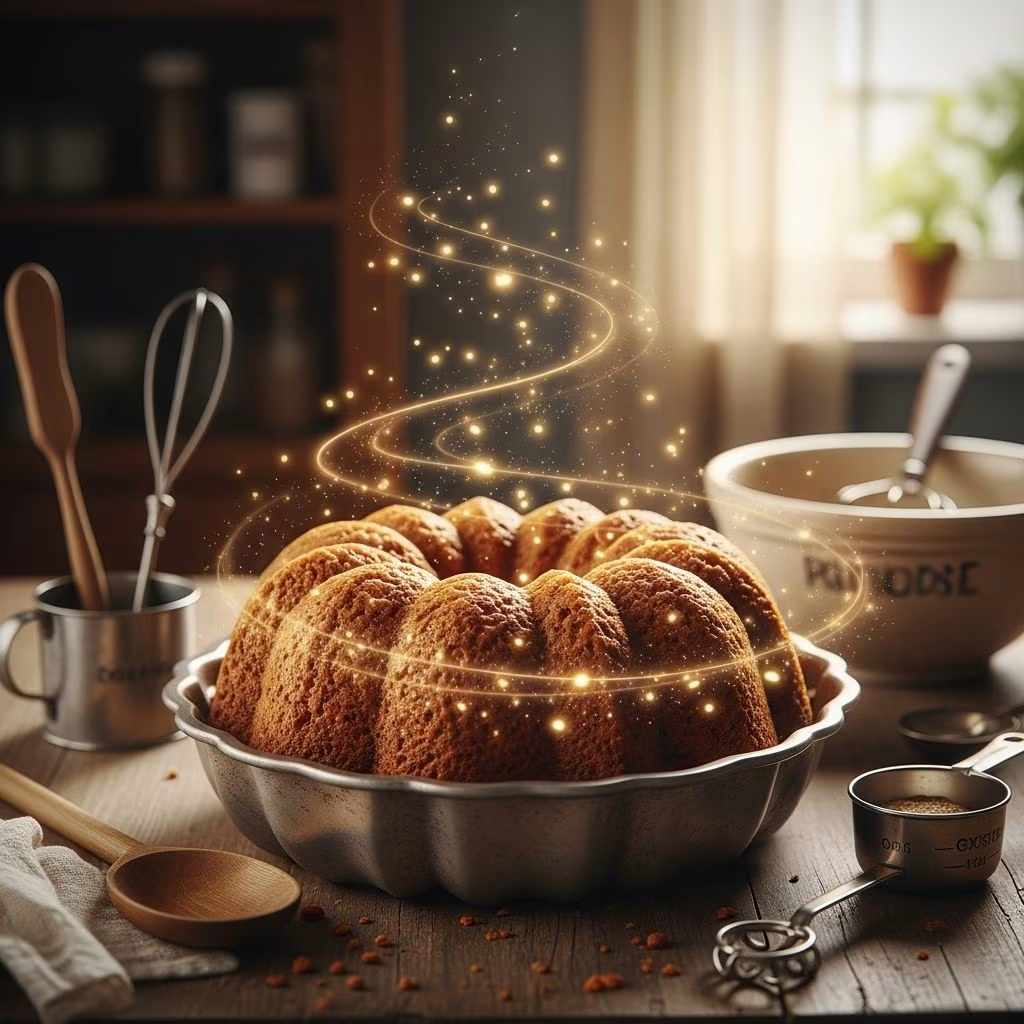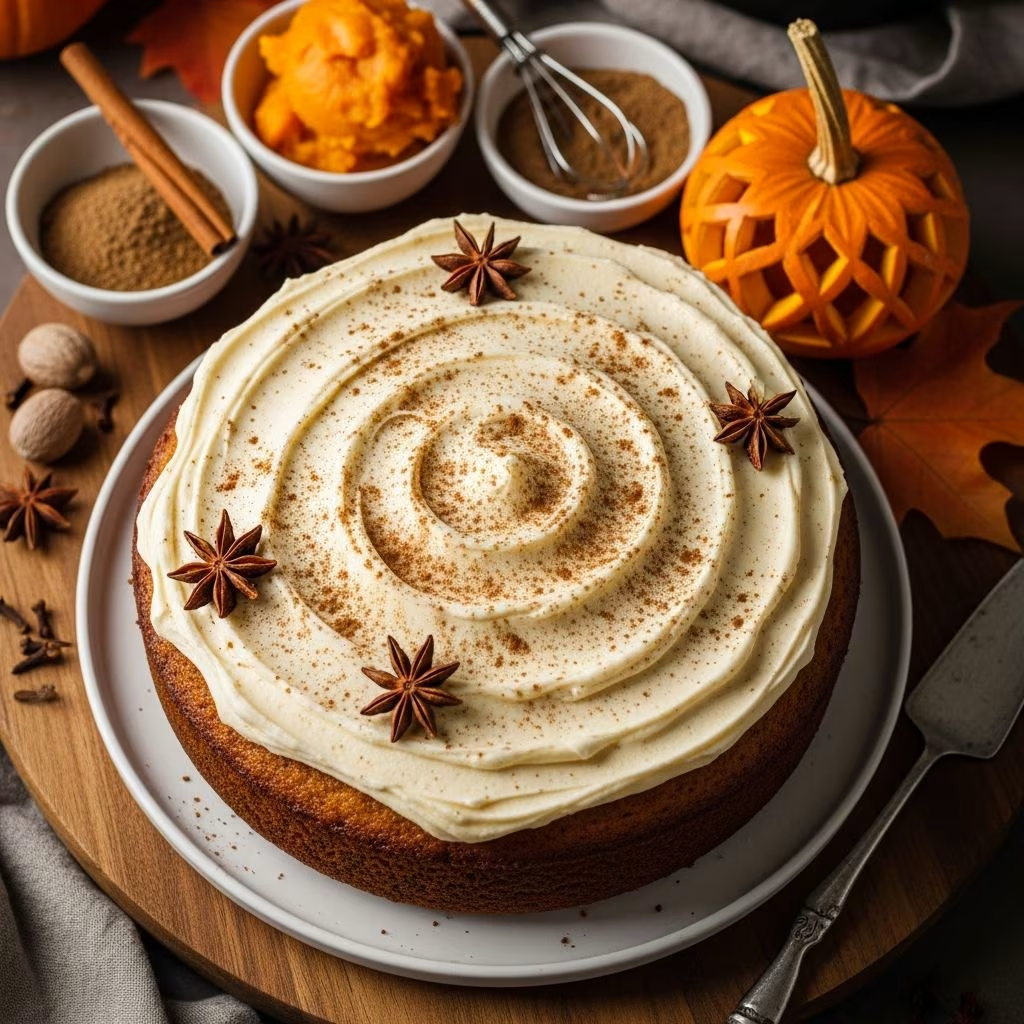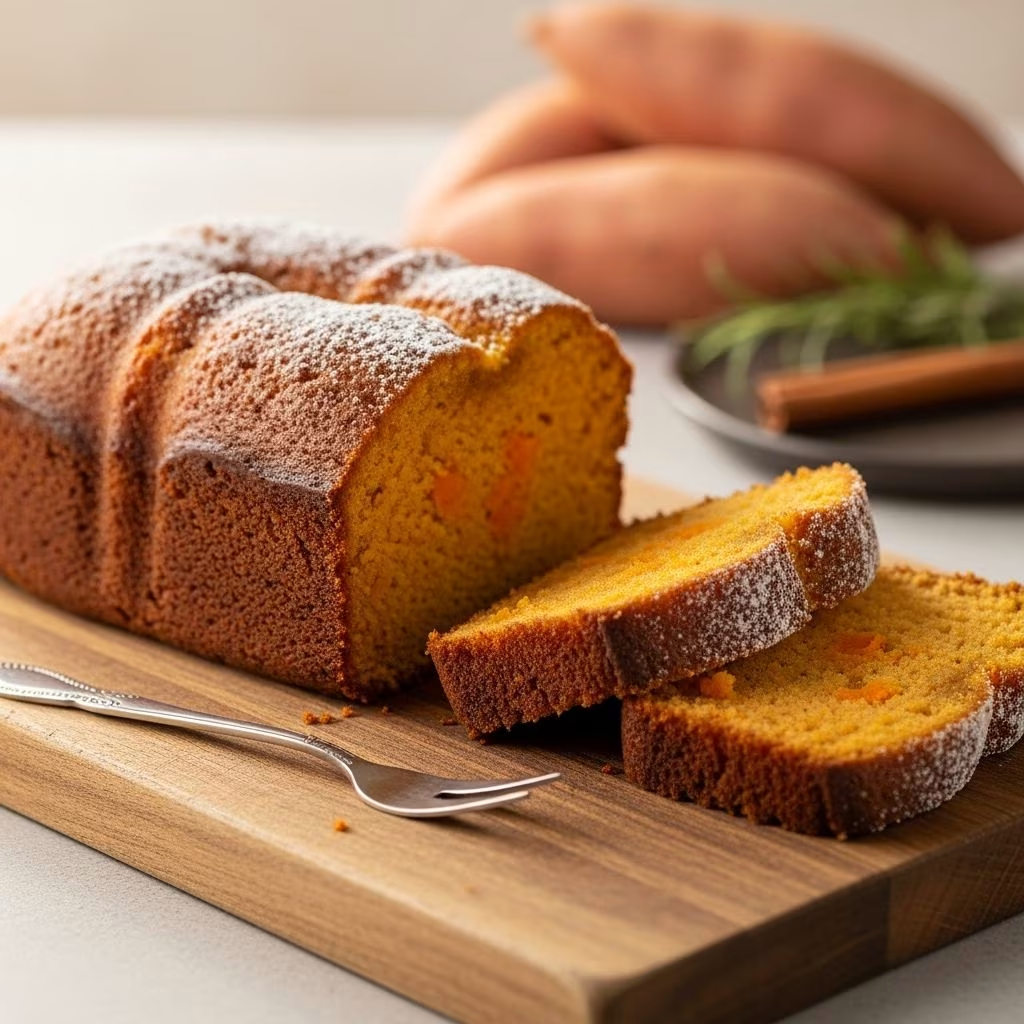
Sweet potato pound cake represents a cherished intersection of Southern tradition and modern baking innovation. This dense, moist dessert combines the natural sweetness of roasted sweet potatoes with warm spice notes, creating a sophisticated yet approachable treat. Whether you’re preparing this cake for a holiday gathering or simply seeking a comforting homemade dessert, understanding the key components and techniques will elevate your baking results significantly.
Understanding Your Ingredient Selection
The foundation of an exceptional pound cake begins with thoughtful ingredient choices. Each component plays a specific role in achieving the desired texture, flavor, and moisture content. Rather than treating ingredients as interchangeable commodities, recognizing their individual contributions allows you to make informed substitutions when necessary.
The Role of Butter in Pound Cake Structure
Butter serves as the structural foundation of pound cake, providing both richness and helping to create the cake’s characteristic dense crumb. Using room-temperature butter ensures even incorporation of sugar, which creates small air pockets essential for lift during baking. Most recipes call for between 1 to 2 cups of unsalted butter, softened to approximately 68-72 degrees Fahrenheit. The importance of room temperature cannot be overstated—cold butter will not cream properly with sugar, while overly warm butter may cause separation in your batter.
Sweet Potato Preparation Methods
How you prepare your sweet potatoes directly influences the final cake’s texture and flavor profile. Three primary methods exist for processing sweet potatoes: baking, boiling, and microwaving. Baking sweet potatoes in foil at 375-400°F for 90 to 120 minutes develops deeper, more concentrated flavors through the caramelization of natural sugars. Boiling offers a quicker alternative, requiring approximately 20 minutes for medium-sized pieces. Microwaving provides the fastest option, though some bakers note slightly less developed flavor. After cooking, sweet potatoes should be mashed until silky smooth, with measurements typically ranging from 1 to 2 cups of puree per cake.
Dry Ingredient Functionality
The flour blend comprises the structural matrix of your cake. All-purpose flour works well, though some bakers prefer cake flour for a more delicate crumb. The difference lies in protein content—cake flour contains approximately 7-8% protein compared to all-purpose flour’s 10-12%, resulting in a more tender texture. Baking powder and baking soda serve distinct purposes: baking powder provides lift throughout the cake, while baking soda reacts with acidic components like buttermilk or sour cream to create additional rise during baking.
Spice Blending for Optimal Flavor Balance
The spice profile distinguishes sweet potato pound cake from standard varieties. Traditional warm spices include cinnamon, nutmeg, and ground ginger, with proportions typically ranging from 1 to 2.5 teaspoons of cinnamon, 0.5 to 2.5 teaspoons of nutmeg, and 0.25 to 0.5 teaspoons of ginger per cake. Some recipes incorporate orange zest, which brightens the warm spice notes while adding subtle citrus complexity. Pumpkin pie spice serves as an effective all-in-one substitute when individual spices aren’t available. The key to successful spice incorporation lies in distributing them evenly throughout the dry ingredients before combining with wet components.
The Creaming Method: Building Your Cake’s Foundation
The creaming process represents the first critical step in pound cake preparation. This technique involves beating softened butter with granulated sugar for approximately 4 to 5 minutes until the mixture becomes light, fluffy, and pale in color. During this process, air bubbles become incorporated into the butter-sugar mixture, providing lift during baking. A hand mixer or stand mixer fitted with a paddle attachment works effectively, though hand-beating with vigor can achieve similar results.
Egg Integration Process
After achieving the desired butter-sugar consistency, incorporate eggs one at a time, ensuring complete integration before adding the next. This staged approach prevents curdling and maintains the emulsion you’ve created. Each egg should be fully mixed into the batter before proceeding, typically requiring 30 to 45 seconds per egg.
Wet Ingredient Combination
Following egg addition, introduce your mashed sweet potato, buttermilk or sour cream, and vanilla extract. Mixing these components thoroughly creates a homogeneous wet base for your dry ingredients. The resulting mixture should appear well-blended and uniform in color, with no visible streaks of unmixed components.
Dry Ingredient Integration and Final Mixing
Incorporating dry ingredients requires a different approach than the initial creaming phase. Rather than mixing all dry ingredients at once, most successful recipes alternate between dry and wet components in stages. This technique prevents overdevelopment of gluten, which would result in a tough, dense crumb. A typical pattern involves adding one-third of the dry ingredients, then one-third of the liquid components, repeating until all ingredients are incorporated. Final mixing should continue only until just combined—overmixing at this stage leads to dense cakes with inferior texture.
Preparation and Pan Considerations
Proper pan preparation sets the stage for successful cake removal and presentation. A 12-cup Bundt pan represents the standard vessel for sweet potato pound cake, though loaf pans or round cake pans work equally well with adjusted baking times. Prepare your chosen pan using either nonstick cooking spray with flour, commercial cake release, or the traditional method of greasing and flouring. These approaches prevent sticking while allowing for clean cake removal.
Baking Temperature and Timing
Sweet potato pound cake bakes at moderate temperatures, typically between 300°F and 350°F, for 50 to 60 minutes. Lower temperatures allow the center to cook through before the exterior over-browns, while higher temperatures may result in a golden exterior with an undercooked interior. Visual indicators of doneness include a golden-brown exterior and a toothpick or cake tester inserted into the center emerging with just a few moist crumbs. Avoid removing the cake from the oven until the toothpick test confirms proper baking, as pound cakes benefit from complete cooking before cooling.
Glazing Options and Finishing Techniques
A complementary glaze elevates the presentation and adds moisture to the finished cake. Brown butter glaze represents a popular choice, created by melting butter over medium heat until it browns and develops nutty aromatics. Whisking powdered sugar into cooled brown butter, then adding milk for consistency, produces a luxurious coating. Alternatively, maple pecan glaze combines maple syrup with butter and pecans for a regional twist. Some variations incorporate bourbon, adding depth and complexity to the final presentation.
Application and Garnishing
Allow the cake to cool to room temperature before applying glaze, which prevents the coating from running off excessively. Drizzle glaze over the cooled cake, allowing it to cascade naturally down the sides. Optional garnishes include toasted pecans, additional spice dusting, or candied orange peel, which add textural interest and visual appeal.
Storage and Make-Ahead Strategies
Sweet potato pound cake maintains quality for several days when stored properly. Keep the frosted or glazed cake covered at room temperature for up to 3 days, or refrigerate for extended shelf life of up to 5 days. For longer storage, freeze the unglazed cake wrapped in plastic wrap and aluminum foil for up to 3 months. Thaw at room temperature before applying glaze, allowing the flavors to fully develop.
Common Adjustments and Troubleshooting
| Issue | Potential Cause | Solution |
|---|---|---|
| Dense, heavy texture | Overmixing or cold ingredients | Mix only until combined; ensure all ingredients are room temperature |
| Underbaked center | Oven temperature too high | Lower baking temperature and increase baking time |
| Dry cake | Overbaking or insufficient sweet potato | Reduce baking time by 5 minutes; increase sweet potato to 1.5 cups |
| Sunken top | Oven temperature fluctuations | Maintain steady temperature; avoid opening door during baking |
Ingredient Substitutions and Adaptations
Flexibility within pound cake recipes allows for personal preferences and dietary needs. Greek yogurt substitutes effectively for sour cream on a one-to-one basis, reducing fat content slightly while maintaining moisture. Maple syrup replaces honey in glazes with minimal adjustment to quantities. Gluten-free all-purpose flour blends work well, though using a blend with added xanthan gum produces superior crumb structure. For lower-sugar variations, using monk fruit or erythritol in place of granulated sugar requires attention to liquid balance, as sugar also serves functional purposes beyond sweetness.
Frequently Asked Questions
How far in advance can I prepare sweet potato pound cake?
Pound cake improves in flavor after 24 hours as the flavors meld. You can bake the cake up to 3 days ahead and store it unglazed, applying glaze the day before serving. Alternatively, freeze the unglazed cake for up to 3 months.
Can I use canned sweet potatoes?
While canned sweet potatoes offer convenience, fresh roasted or boiled sweet potatoes produce superior flavor and texture. If using canned, drain thoroughly and press to remove excess moisture, using only the solid portion without any syrup.
What’s the difference between sweet potato and pumpkin pound cake?
Sweet potatoes offer a creamier texture and more subtle sweetness compared to pumpkin, which provides earthier, more pronounced flavor. Both work well in pound cake applications with similar spice profiles.
Why is my cake greasy?
Excess grease typically results from too much butter or oil, or from insufficient mixing during the creaming phase. Ensure butter is softened but not melting, and cream thoroughly with sugar before proceeding.
Can I double this recipe?
Yes, pound cake recipes scale well. Double all ingredients and bake in two pans or a larger commercial pan, monitoring baking time as it may increase by 10-15 minutes for larger volumes.
References
- The Science of Baking Cakes — American Chemical Society. 2024. https://www.acs.org/content/acs/en/careers-and-jobs/careers/chemist-perspectives/the-science-behind-baking.html
- USDA Food Composition Database — United States Department of Agriculture. 2024. https://fdc.nal.usda.gov/
- Baking Science and Technology — American Bakers Association Educational Foundation. Updated 2023. https://www.americanbakers.org/