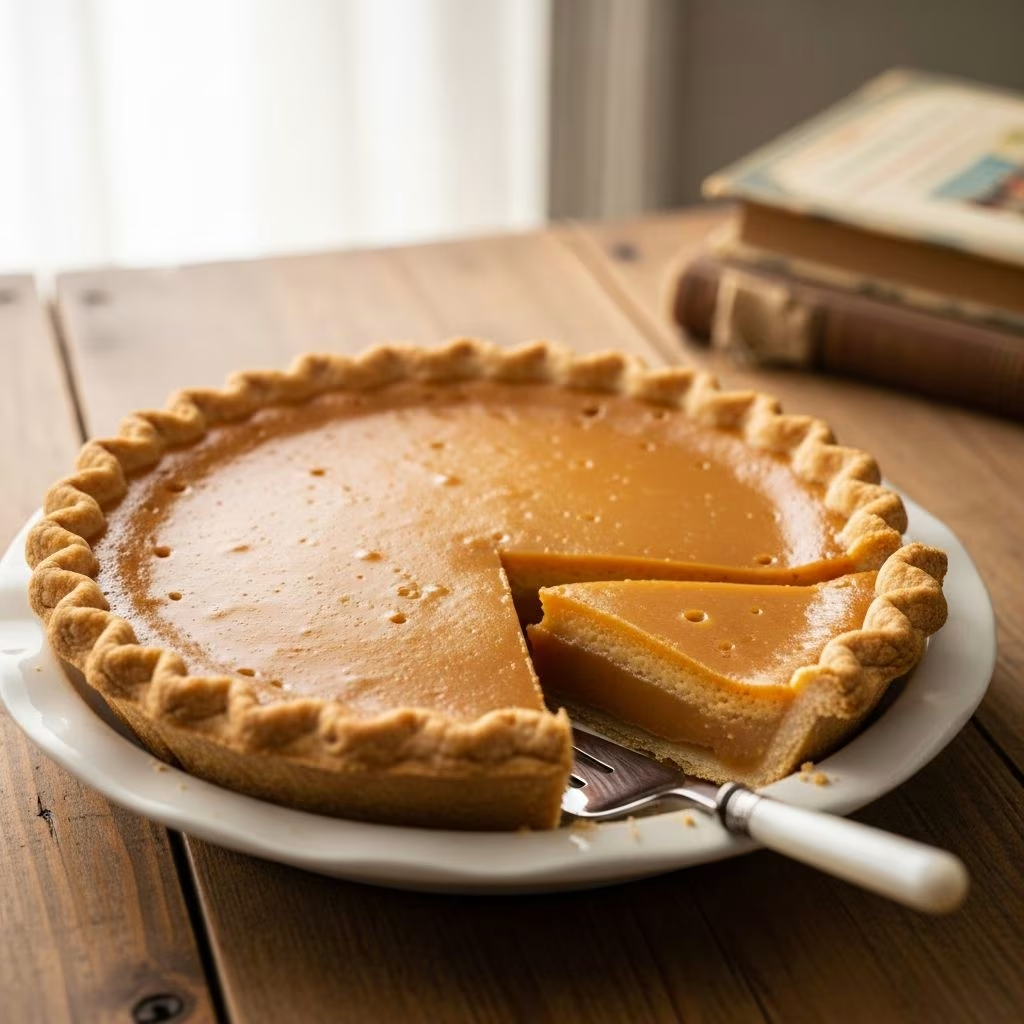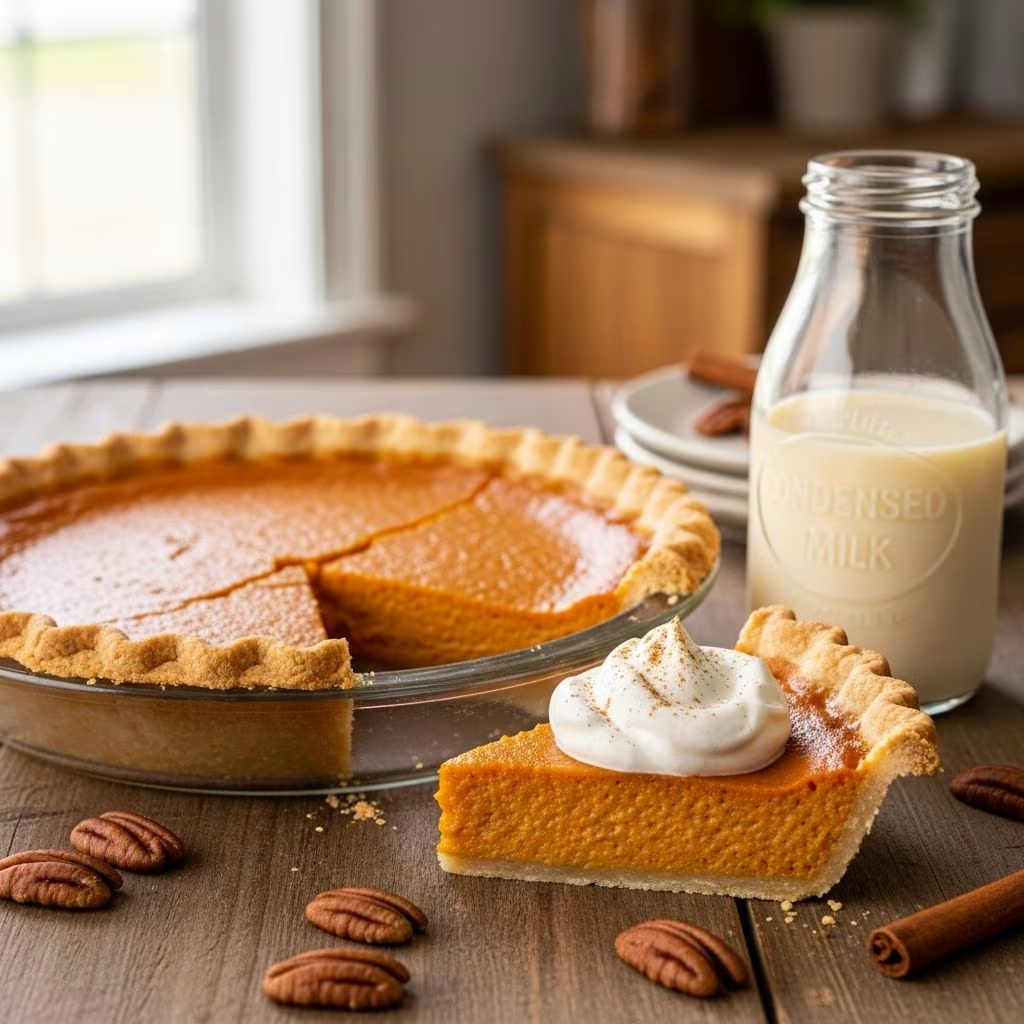
Sweet potato pie stands as one of the most beloved desserts in American culinary tradition, particularly in Southern households where it holds a place of honor on holiday tables and family gatherings. This custard-like dessert combines the natural sweetness and earthy flavor of sweet potatoes with warm spices and a creamy texture that melts on the tongue. The secret to achieving this signature creaminess lies in the use of condensed milk, a pantry staple that simplifies the preparation process while delivering consistently excellent results.
Understanding Your Foundation: Selecting Quality Sweet Potatoes
The foundation of any exceptional sweet potato pie begins with choosing the right potatoes. Fresh sweet potatoes deliver superior flavor compared to their canned counterparts, offering a more vibrant, complex taste profile. When selecting fresh sweet potatoes, look for medium-sized tubers with unblemished skin and firm texture. A typical recipe calls for approximately one pound of sweet potatoes, which yields roughly two cups when mashed—the ideal quantity for a nine-inch pie.
While fresh sweet potatoes are recommended, canned alternatives can work in a pinch. If using canned sweet potatoes, thorough draining becomes essential to prevent excess moisture from compromising the pie’s texture. The liquid content significantly affects baking time and the final consistency of your filling, so this step should never be overlooked.
The Art of Preparing Sweet Potatoes for Maximum Flavor
Preparation methods directly influence both the flavor development and texture of your finished pie. Roasting sweet potatoes brings out their natural sweetness through caramelization, a process that cannot be replicated through boiling or microwaving. The recommended approach involves roasting whole, unpeeled sweet potatoes at 400°F for forty-five to sixty minutes until they yield easily to gentle pressure.
To roast properly, first scrub the sweet potatoes under running water to remove any soil. Use a fork to pierce several holes across the surface—this prevents steam from building up inside and potentially causing the potato to split. Place them on a baking sheet lined with aluminum foil or directly on an oven rack positioned above foil to catch any drips.
Once the potatoes have cooled enough to handle comfortably, scoop the soft interior flesh away from the skin. Two cups of this cooked potato should be measured out for the filling. Some cooks prefer achieving a completely smooth consistency by using a blender, while others favor a more rustic texture achieved with a traditional potato masher. Both approaches produce delicious results—the choice depends on personal preference.
Crafting the Perfect Filling: Ingredient Ratios and Techniques
The filling represents the heart of your pie, and understanding how ingredients work together ensures professional-quality results. The basic formula combines mashed sweet potatoes, butter, condensed milk, eggs, vanilla extract, and warm spices.
Key Ingredients and Their Functions
- Butter: Softened butter (typically six tablespoons) enriches the filling and creates a silky mouthfeel while adding subtle depth to the sweet potato flavor.
- Condensed Milk: This concentrated dairy product contributes creaminess, sweetness, and binding properties. One fourteen-ounce can is standard, though some recipes use slightly less to adjust sweetness levels.
- Eggs: Two large beaten eggs provide structure and help set the custard during baking. They also contribute richness and improve the pie’s ability to hold together when sliced.
- Spices: Ground cinnamon (one teaspoon), nutmeg (half teaspoon), and occasionally ginger or mace create the warming flavor profile associated with traditional sweet potato pie. Some recipes incorporate vanilla extract (one teaspoon) for additional depth.
- Salt: A quarter teaspoon enhances all other flavors and prevents the pie from tasting one-dimensional.
The Mixing Process
Begin by combining the mashed sweet potatoes with softened butter. Using an electric mixer on medium speed ensures thorough incorporation and creates a smooth base. In a separate bowl, whisk together the beaten eggs with the condensed milk, then gradually incorporate this mixture into the potato-butter base. This gradual approach prevents overmixing and maintains a homogeneous filling without introducing excess air.
Add the spices, salt, and vanilla last, mixing only until just combined. Overmixing at this stage can develop gluten in any flour present in the filling, resulting in a tougher texture than desired.
Pie Crust Selection and Preparation
The pie crust serves as the structural support for your filling and contributes significantly to the overall eating experience. You have several options: store-bought refrigerated or frozen crusts for convenience, homemade all-butter crusts for superior flavor and control, or specialized variations like sour cream pie crust that add complexity.
If using a homemade or thawed crust, blind baking (pre-baking the crust partially) prevents a soggy bottom. Line the crust with aluminum foil or parchment paper, fill with pie weights or dried beans, and bake at 425°F for twelve to fifteen minutes until the edges just begin browning. Remove the weights and bake an additional five minutes, then allow to cool before filling.
Navigating the Baking Process for Consistent Success
Temperature management defines the difference between a perfectly set pie and one with structural issues. The process begins at a high temperature to set the outer edges quickly, then transitions to a gentler heat to allow the center to cook through without the edges burning.
Step-by-Step Baking Instructions
Preheat your oven to 425°F. Pour the filling into your prepared pie crust, placing the pie on a rimmed baking sheet for easy handling and to catch any drips. Bake at this high temperature for fifteen minutes—this initial blast sets the custard’s outer layers and creates a slight crust on top.
After fifteen minutes, reduce the oven temperature to 350°F and continue baking for thirty-five to forty additional minutes. The pie is finished when the outer edges appear firm to the touch and the center exhibits a slight wobble when gently shaken—approximately one inch of the center should jiggle slightly.
A useful test involves inserting a knife about one inch from the center’s edge. If the knife comes out clean, the pie has set adequately. The residual heat as the pie cools to room temperature will firm up that central wobble without overbaking.
Cooling and Storage: Protecting Your Masterpiece
Patience during cooling prevents cracks and allows flavors to develop fully. Allow the pie to cool to room temperature on a wire rack, approximately two to three hours. Some recipes suggest refrigerating the pie for several hours or overnight before serving, which allows the custard to set completely and makes slicing cleaner.
Stored properly, sweet potato pie keeps refrigerated for up to four days. Cover it loosely with plastic wrap or aluminum foil to prevent it from absorbing refrigerator odors. You can also freeze sweet potato pie for up to two months—wrap it thoroughly in plastic wrap, then aluminum foil before freezing.
Creative Variations and Flavor Enhancements
While the classic recipe deserves respect, several variations offer exciting alternatives without straying from the traditional essence.
Topping Options
- Pecan Layer: A mixed topping of beaten egg, corn syrup, brown sugar, melted butter, and toasted pecans creates a distinct layer with delightful texture contrast. This variation requires spooning the topping onto the pie after twenty minutes of initial baking, then continuing to bake at 350°F for approximately twenty-five additional minutes.
- Marshmallow Crown: Sprinkle one cup of mini marshmallows over the finished pie, then broil briefly until golden and puffy for a nostalgic twist popular with younger palates.
- Meringue Finish: Whip three egg whites with one-quarter teaspoon cream of tartar and six tablespoons granulated sugar until stiff peaks form. Spread over the hot pie and broil to brown the peaks lightly.
- Whipped Cream: A simple dollop of homemade whipped cream, optionally dusted with cinnamon, provides an elegant, classic finish.
Flavor Modifications
Orange zest or a tablespoon of fresh orange juice adds brightness that complements the warm spices beautifully. Maple flavoring or a small amount of maple syrup intensifies the dessert’s seasonal appeal. A tablespoon of bourbon or rum introduces subtle sophistication for adult audiences.
Frequently Asked Questions About Sweet Potato Pie
Can I use canned sweet potatoes instead of fresh?
Yes, canned sweet potatoes work as substitutes, though they lack the depth of fresh roasted potatoes. Drain them thoroughly to remove excess liquid, which would otherwise compromise the pie’s texture and potentially extend baking time significantly.
Why is my pie too watery?
Excess moisture typically results from using undrained canned potatoes or adding too much condensed milk. Ensure all liquid ingredients are measured accurately and that potatoes are fully drained before mashing. Additionally, verify that you’re not overbaking, as extended heat can cause separation.
What should the final texture be?
The pie should resemble a creamy custard—not jiggly like flan, but not as firm as a cake. The slight wobble in the center during baking indicates proper doneness. As it cools, this wobble will naturally firm up to the perfect consistency.
How do I prevent a soggy crust?
Blind baking your crust before adding filling prevents sogginess. Additionally, placing a baking sheet beneath the pie during baking helps distribute heat evenly and cooks the bottom crust more thoroughly.
Can sweet potato pie be made ahead?
Absolutely. You can prepare the filling one day ahead and refrigerate it separately from the crust. Assemble and bake when ready. Alternatively, bake the entire pie one to two days before serving and refrigerate until serving time.
Serving Suggestions and Pairing Ideas
Sweet potato pie shines as a standalone dessert but pairs beautifully with complementary flavors. Serve it warm or at room temperature, depending on preference. Traditional accompaniments include freshly whipped cream, vanilla ice cream, or a drizzle of caramel sauce.
For a more sophisticated presentation, consider pairing thin slices with aged cheddar cheese—the sharpness contrasts wonderfully with the pie’s sweetness. Coffee serves as an ideal beverage pairing, as does spiced tea or hot cider during fall gatherings.
Why Condensed Milk Makes the Difference
Condensed milk revolutionizes sweet potato pie preparation by providing consistent results without complicated procedures. Unlike evaporated milk or fresh heavy cream, condensed milk delivers both creaminess and sweetness simultaneously, reducing the need for additional sugar and complicated adjustments. This ingredient has become standard in Southern pie-making for good reason—it produces reliably delicious results in home kitchens.
References
- Sweet Potato Pie Recipe — Eagle Brand. https://www.eaglebrand.com/recipe/sweet-potato-pie/
- Sweet Potato Pecan Pie Recipe — Eagle Brand. https://www.eaglebrand.com/recipe/sweet-potato-pecan-pie/
- Sweet Potato Pie With Condensed Milk — State of Dinner. https://stateofdinner.com/sweet-potato-pie-recipe/
- Classic Sweet Potato Pie — Southern Bite. https://southernbite.com/classic-sweet-potato-pie/