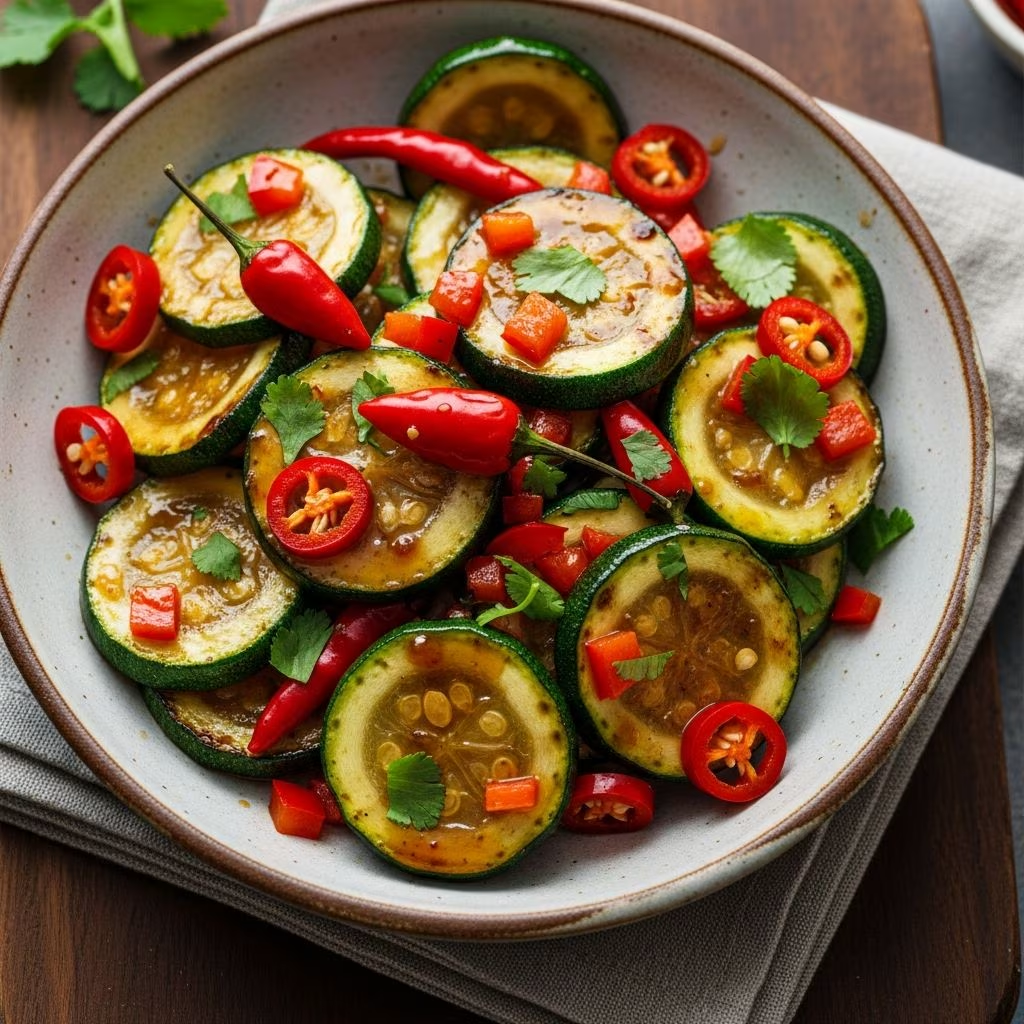
Zucchini is one of the most versatile vegetables in any kitchen, yet it often gets overlooked in favor of more dramatic ingredients. When prepared thoughtfully, however, this humble summer squash becomes an extraordinary side dish or vegetarian main course that rivals any restaurant offering. The key lies in understanding how to layer complementary flavors—combining heat, sweetness, and savory depth to create a dish that engages all your taste buds. This guide explores how to elevate zucchini through the strategic use of Asian-inspired seasonings and cooking techniques that bring out the vegetable’s natural sweetness while adding complexity and excitement to every bite.
Understanding the Core Flavor Profile
The magic of sweet and spicy zucchini lies in its carefully balanced flavor composition. This dish relies on the interplay between three primary taste dimensions: the natural sweetness of honey or mirin, the heat from chili sauce or sambal, and the umami depth provided by soy sauce or tamari. These elements don’t compete with one another; instead, they create a cohesive whole that feels both comforting and adventurous. The sweetness acts as a counterbalance to the spice, preventing the dish from becoming one-dimensional, while the umami components add savory notes that tie everything together. Understanding this balance helps you adjust the recipe to your personal preferences without losing the essential character of the dish.
Essential Ingredients and Their Functions
Creating an authentic sweet and spicy zucchini preparation requires several key components, each contributing something specific to the final result:
- Sesame Oil: Provides a nutty, toasted flavor that distinguishes Asian cooking from other cuisines. Use toasted sesame oil (the darker variety) for maximum flavor impact, as the lighter, un-toasted versions lack sufficient depth.
- Garlic: Serves as the aromatic foundation, adding pungency and complexity. Fresh minced garlic is essential; jarred versions won’t provide the same vibrant, fresh taste.
- Soy Sauce or Umami Tamari: Delivers the savory, umami-rich backbone that makes this dish feel substantial. Choose all-purpose or light soy sauce rather than dark varieties, which can overpower other flavors.
- Chili Sauce or Sambal Oelak: The primary heat source, this ingredient should be balanced rather than dominating. Sambal oelak, made from fresh chilies, provides authentic flavor, though sriracha works as an accessible substitute.
- Honey or Mirin: Adds sweetness and creates a glaze-like consistency that coats the vegetables beautifully. These ingredients also help balance the heat from the spices.
- Sesame Seeds and Red Pepper Flakes: Contribute texture, visual appeal, and concentrated flavor bursts that keep each bite interesting.
- Green Onions: Fresh green onions add brightness and a mild onion flavor that complements the deeper, cooked elements of the dish.
Selecting and Preparing Your Zucchini
The quality of your final dish begins with zucchini selection. Choose firm, medium-sized zucchini with unblemished skin—oversized specimens tend to be watery and less flavorful. When preparing zucchini for this recipe, consider your preferred texture. Sliced rounds create a more traditional side dish presentation and cook relatively quickly, developing golden edges that add visual interest and concentrated flavor. Alternatively, halved zucchini boats create a more substantial presentation suitable for vegetarian mains, though they require slightly longer cooking time to achieve proper tenderness.
Before cooking, wash your zucchini thoroughly and pat completely dry. Moisture is the enemy of browning; wet vegetables will steam rather than sear, preventing the development of the flavorful golden crust that makes this dish special. If you prefer halved zucchini, cut lengthwise and lightly score the cut side in a crosshatch pattern—this helps the seasoning penetrate and creates an interesting texture.
The Cooking Technique: Building Flavor Through Heat
Proper cooking technique separates an exceptional sweet and spicy zucchini dish from a mediocre one. Begin by heating your sesame oil in a large non-stick skillet over medium heat until it shimmers. The oil should be hot enough to create an audible sizzle when you add ingredients, but not so hot that it smokes. Add your minced garlic and sauté for approximately one to two minutes until fragrant but not browned—burnt garlic introduces unwanted bitterness.
Next, add your prepared zucchini in a single layer. This step requires patience; resist the urge to stir constantly. Allow the zucchini to remain undisturbed for three to four minutes, developing a golden-brown crust on the first side. This browning process, called the Maillard reaction, creates complex flavors and appealing texture. Once the first side achieves color, turn the pieces and cook the other side for an additional three minutes. The zucchini should be tender but still possess some firmness in the center—it will continue cooking from residual heat after you remove it from the pan.
After achieving proper texture and color, reduce heat to low and add your honey, chili sauce, and soy sauce or tamari. Stir everything together gently, ensuring the sauce coats all pieces evenly. Simmer for just two to three minutes—this brief cooking time allows flavors to meld without further softening the zucchini or reducing the sauce so much that it becomes overly concentrated and salty.
Customizing Heat and Sweetness Levels
One of the greatest advantages of this recipe is its flexibility. If you prefer a milder version, reduce the chili sauce or sambal to half the suggested amount, or substitute it entirely with sriracha (which tends to be less spicy). For those craving more heat, increase the chili sauce or add extra red pepper flakes. Remember that heat builds gradually, so it’s wiser to start conservatively and add more if desired.
Similarly, sweetness can be adjusted based on preference. Some people love a pronounced sweet-spicy contrast, while others prefer subtler sweetness that merely balances the heat. Experiment by reducing or increasing honey incrementally until you find your ideal balance. Keep in mind that some soy sauces contain added sugar, so taste your sauce before adding extra sweetness.
Finishing Touches and Presentation
The final presentation elevates this dish from simple to impressive. Transfer your cooked zucchini to a serving plate, arranging pieces in a visually appealing pattern. Drizzle any remaining sauce from the pan over the vegetables. Generously sprinkle with red pepper flakes, sesame seeds, and fresh-chopped green onions. The visual contrast of the dark zucchini with white sesame seeds and bright green onions creates an appetizing presentation that hints at the complex flavors within. Some cooks prefer adding crispy fried shallots for additional texture and a subtle sweetness that complements the overall composition.
Serving Suggestions and Menu Integration
While sweet and spicy zucchini works beautifully as a standalone side dish, it also integrates seamlessly into larger meals. Serve it alongside steamed rice, which absorbs the flavorful sauce beautifully, or pair it with noodle dishes for an integrated Asian-inspired meal. The dish also complements grilled proteins—the sweet-spicy flavors balance well with chicken, fish, or tofu. For vegetarian gatherings, double this recipe and serve it as a main course with fragrant jasmine rice and perhaps a fresh cucumber salad for textural contrast.
Storage and Reheating Considerations
Prepared sweet and spicy zucchini keeps refrigerated for up to three days, making it excellent for meal preparation. Store it in an airtight container, keeping the sauce with the vegetables to maintain moisture. When reheating, use low heat and add a splash of water if the mixture seems dry. Alternatively, enjoy it at room temperature, which often intensifies the flavor perception. The dish doesn’t freeze particularly well, as zucchini becomes mushy upon thawing, so plan to consume within a few days for best results.
Variations and Creative Adaptations
Once you master the basic technique, numerous variations become possible. Try incorporating other vegetables—bell peppers, mushrooms, or snap peas—alongside zucchini for a vegetable medley. Some cooks add a tablespoon of rice vinegar to introduce acidity that brightens the overall flavor profile. Others incorporate ginger for warmth and complexity, or add a teaspoon of miso paste to deepen the umami notes. Experiment with different chili products: chili crisp offers a different texture than smooth chili sauce, while harissa brings Moroccan spice dimensions to the traditional Asian foundation.
Troubleshooting Common Issues
If your zucchini turns out watery rather than tender-firm, you likely overcooked it or used oversized specimens. Next time, shorten cooking time and select smaller vegetables. If the sauce tastes too salty, a splash of water or a squeeze of fresh lemon juice can restore balance. If flavors seem muted, you may need more sesame oil—this ingredient carries the toasted, nutty notes that make the dish distinctive. Insufficient browning usually indicates oil wasn’t hot enough initially or you didn’t allow undisturbed cooking time.
Nutritional Considerations
Beyond taste, this dish offers genuine nutritional value. Zucchini is low in calories while providing fiber, vitamin C, and potassium. The sesame oil contributes healthy monounsaturated fats and lignan compounds with potential antioxidant properties. This makes the dish satisfying without being heavy—perfect for those seeking flavorful meals that align with health-conscious eating. Garlic provides beneficial sulfur compounds and potential immune-supporting properties, while the variety of spices contains numerous phytochemicals valued in traditional medicine systems.
Frequently Asked Questions
Can I make this recipe gluten-free?
Yes. Simply substitute tamari (gluten-free soy sauce) for regular soy sauce. Most other ingredients are naturally gluten-free, though always verify your specific chili sauce brand if you have celiac disease or severe gluten sensitivity.
What if I don’t have sesame oil?
While sesame oil is ideal, you can substitute with neutral oils like canola, though the final flavor will be less distinctive. For best results, drizzle a small amount of sesame oil at the end to recapture some of that toasted flavor.
How spicy is this dish?
The standard recipe offers mild-to-moderate heat. The sweetness from honey helps temper the spice, making it accessible to those with moderate spice tolerance. Reduce chili sauce for milder versions or increase for more heat.
Can this be prepared ahead of time?
Yes, you can prepare the sauce and slice vegetables several hours ahead. Cook the dish shortly before serving for best texture, as cooked zucchini continues softening over time.
What wine pairs well with this dish?
Crisp white wines with slight sweetness, like Riesling or Gewürztraminer, complement the sweet-spicy profile beautifully. Alternatively, light lagers or pale ales provide refreshing contrast to the rich sesame oil and umami flavors.
Conclusion: Elevating Everyday Vegetables
Sweet and spicy zucchini represents more than just a side dish—it’s a technique for transforming ordinary vegetables into memorable meals. By understanding flavor balance, mastering heat control, and appreciating how complementary ingredients work together, you unlock possibilities for countless other vegetable preparations. This recipe builds foundational skills applicable to Asian-inspired cooking broadly, making it an investment in your culinary repertoire that yields returns far beyond this single dish.
References
- San-J International Sweet and Spicy Zucchini Recipe — San-J International. Accessed April 2026. https://san-j.com/recipes/sweet-and-spicy-zucchini/
- Spicy Asian Zucchini Recipe — RecipeTin Eats. Accessed April 2026. https://www.recipetineats.com/spicy-asian-zucchini-recipe/
- Sesame Oil: Properties and Culinary Applications — International Journal of Gastronomy and Food Science. 2024. Research on toasted versus un-toasted sesame oil flavor profiles and culinary applications.