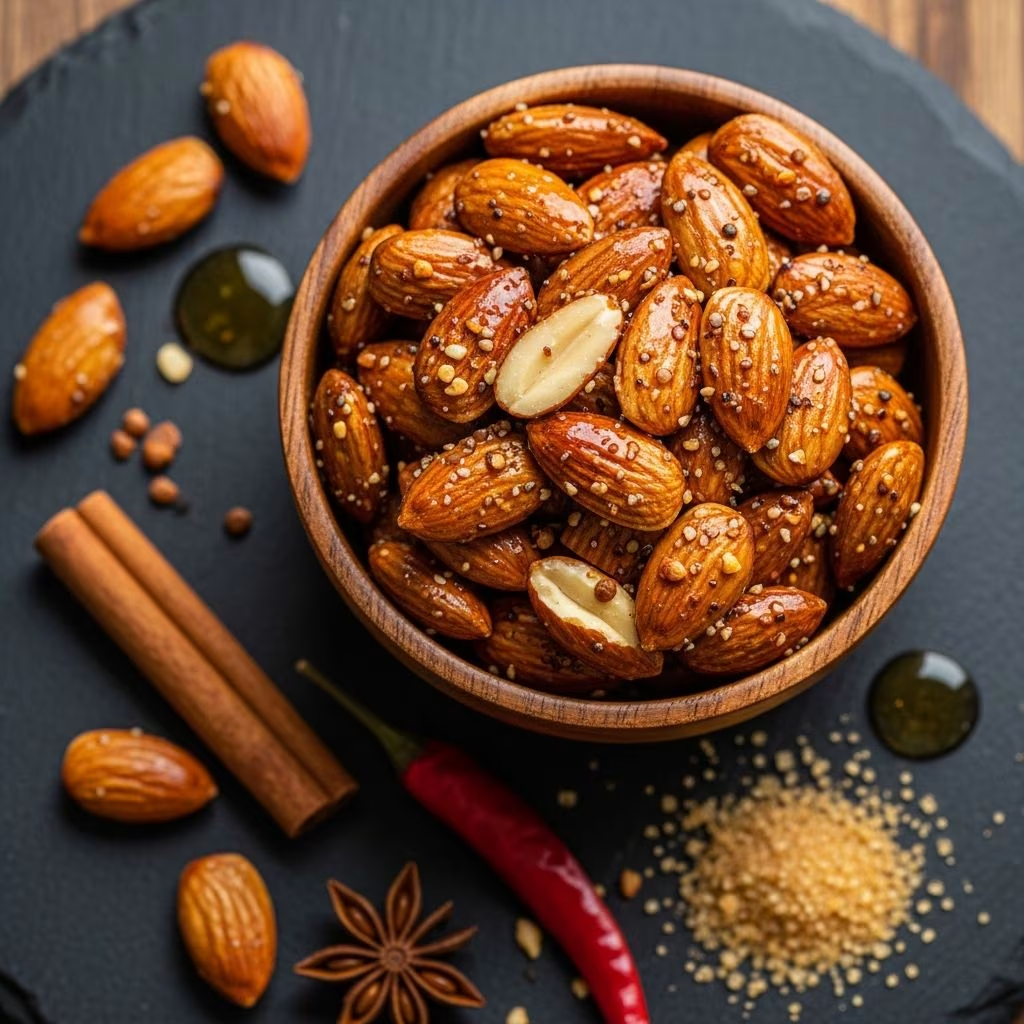
The combination of sweet and spicy flavors has captivated food lovers for generations, and when applied to roasted almonds, this pairing creates an irresistible snack that keeps you reaching for more. Unlike mass-produced versions found in specialty stores, homemade sweet and spicy almonds offer superior freshness, customizable heat levels, and a fraction of the cost. This comprehensive guide walks you through every step of transforming simple raw almonds into a gourmet treat that rivals professional confectioners.
Understanding the Foundation: Why Almonds Make the Perfect Canvas
Almonds possess unique characteristics that make them ideal for coating with sweet and spicy seasonings. Their neutral flavor profile allows complementary tastes to shine, while their naturally dense texture provides satisfying crunch even after coating. Raw almonds, in particular, absorb glazes and seasonings more effectively than pre-roasted varieties, resulting in better flavor penetration throughout each nut.
Beyond taste and texture, almonds offer nutritional advantages that extend beyond indulgence. Rich in protein, healthy fats, and essential minerals, almonds transform a simple snacking experience into a more nutrient-dense option compared to typical processed alternatives.
Essential Ingredients for Your Sweet and Spicy Creation
Creating an exceptional batch of sweet and spicy almonds requires understanding how each ingredient contributes to the final product. The following components work in harmony to build layers of flavor and achieve the desired consistency:
The Base: Almonds and Coating Components
- Raw almonds — The foundation of your creation, typically requiring 2-4 cups depending on desired yield
- Sugar varieties — White sugar provides clean sweetness, while brown sugar adds depth and molasses undertones
- Honey or egg white — These binding agents help seasonings adhere to the almond surface during roasting
- Olive oil — A small amount facilitates even coating and prevents sticking
The Flavor Profile: Spice and Seasoning Elements
- Cayenne pepper — Delivers the signature heat; start conservatively at 1/2 teaspoon and adjust according to preference
- Sea salt — Enhances both sweet and spicy components while balancing overall flavor intensity
- Optional spice additions — Garlic powder, paprika, chili powder, cinnamon, and oregano each bring unique dimensions
The Preparation Phase: Setting Up for Success
Proper preparation ensures even roasting and optimal flavor distribution. Begin by preheating your oven to the appropriate temperature—typically between 325°F and 375°F depending on your specific recipe approach. While the oven reaches temperature, prepare your workspace by lining baking sheets with parchment paper, which prevents sticking and simplifies cleanup.
Next, measure all dry ingredients into a separate bowl and blend them thoroughly. This pre-mixing step creates a uniform seasoning blend that distributes evenly across all almonds. For those seeking an ultra-fine coating, briefly processing the spice mixture in a coffee grinder or dedicated spice mill creates a powder that clings more effectively to the nuts’ surface.
Roasting Techniques: Two Proven Approaches
The Traditional Wet-Coat Method
This approach involves coating almonds with a liquid binder before the final seasoning application. Toss raw almonds with honey, olive oil, or slightly beaten egg white in a skillet over medium heat for 1-2 minutes, ensuring even distribution of the binding agent. Transfer the coated almonds to your prepared baking sheet and roast at 350°F for 10-12 minutes until they achieve a light golden hue.
Upon removal from the oven, immediately transfer the warm almonds to your prepared spice mixture. Working quickly while the almonds remain warm allows the sugar and spices to adhere optimally. Toss gently but thoroughly using two spoons to prevent breakage while ensuring complete coverage.
The Dry-Coat Alternative
For those preferring simplified cleanup and slightly different texture results, the dry-coat method combines almonds directly with a spice mixture before roasting. Toss raw almonds with the sugar and spice blend, coating evenly, then spread on a prepared baking sheet. Roast at 325°F for 15-20 minutes, stirring halfway through to prevent burning and ensure uniform browning.
Mastering the Roasting Timeline
| Temperature | Method Type | Total Time | Key Considerations |
|---|---|---|---|
| 325°F | Dry-coat | 15-20 minutes | Lower temperature prevents burning; requires monitoring |
| 350°F | Wet-coat traditional | 10-12 minutes initial + cooling | Moderate temperature ideal for sugar caramelization |
| 375°F | Dry-coat quick roast | 8-10 minutes | Higher temperature requires careful timing to prevent scorching |
Timing represents one of the most critical aspects of almond roasting. Nuts transition from perfectly golden to burnt remarkably quickly—often within just 2-3 minutes. Set a timer for the minimum recommended time, then check progress regularly. Properly roasted almonds display a light to medium golden brown color with a fragrant, toasted aroma. Underroasted almonds lack the desired crispness, while overroasted versions become bitter and unpleasant.
The Cooling and Finishing Process
After roasting, spread your almonds in a single layer on parchment paper or a clean baking sheet. This step proves essential for several reasons: it halts the cooking process, prevents the sugar coating from becoming overly sticky, and allows flavors to set properly. Resist the temptation to sample immediately—the sugar coating remains extremely hot and can cause burns.
During the 15-20 minute cooling period, the coating firms up and transforms from glossy to matte as it cools. Some recipes include a final dusting of additional sugar or spice mixture during the last stages of cooling, which adds textural interest and intensifies specific flavors.
Customization: Making the Recipe Uniquely Yours
Adjusting Heat Levels
The beauty of homemade sweet and spicy almonds lies in personalization. Those with mild heat preferences should start with 1/4 teaspoon of cayenne pepper, tasting and adjusting upward as desired. Conversely, heat enthusiasts can gradually increase cayenne to 1-2 teaspoons or experiment with hotter pepper varieties like ghost peppers or habanero powder.
Flavor Variations
Beyond the traditional sweet-and-spicy profile, creative cooks can explore numerous variations. Adding 1/2 teaspoon of cinnamon and nutmeg creates warm, autumnal notes. Incorporating 1 teaspoon of smoked paprika introduces depth and subtle smokiness. For Mediterranean-inspired versions, fresh rosemary and oregano complement the basic recipe beautifully.
Sweetness Modifications
The ratio of sugar to other ingredients significantly impacts the final product. Those seeking less intensely sweet almonds can reduce sugar by 25-50% while maintaining structural integrity. Alternatively, substituting half the white sugar with coconut sugar or maple sugar provides complex sweetness with reduced intensity.
Storage and Longevity
Properly stored sweet and spicy almonds maintain quality for extended periods. Once completely cooled, transfer them to airtight containers such as glass jars or plastic containers. Store in a cool, dry location away from direct sunlight—pantries and cupboards work ideally. Under these conditions, homemade sweet and spicy almonds remain fresh and crispy for up to two weeks, though most batches disappear considerably faster.
For those preparing gift baskets or batch cooking, almonds can be frozen in airtight containers for up to three months. Allow almonds to reach room temperature before opening frozen containers to prevent condensation, which can soften the coating.
Troubleshooting Common Issues
Almonds Burning or Browning Unevenly
Uneven browning typically results from inconsistent oven temperature or overcrowding on the baking sheet. Ensure almonds are spread in a single layer with space between each nut. Rotate baking sheets halfway through roasting if your oven has temperature hot spots. Consider investing in an oven thermometer to verify actual temperature matches the setting.
Coating Not Adhering Properly
Insufficient binding agent or applying spices to cooled almonds prevents proper adhesion. Ensure adequate honey, oil, or egg white coverage before roasting. Apply spice mixtures while almonds remain warm, as heat opens the surface structure and allows better seasoning penetration.
Almonds Remaining Too Soft
Extending roasting time by 2-3 minutes typically resolves textural issues. Additionally, ensure complete cooling before storage, as residual heat creates steam that softens the coating. If almonds become slightly soft during storage, brief reheating at 300°F for 5-10 minutes restores crispness.
Frequently Asked Questions
Can I use roasted almonds instead of raw almonds?
While possible, raw almonds produce superior results. Roasted almonds already possess the desired texture, and additional roasting risks creating an overly hard or bitter product. If using pre-roasted almonds, reduce roasting time significantly and monitor closely.
What is the best binding agent for this recipe?
Honey provides the best flavor profile, contributing subtle sweetness and enhancing caramelization. Egg white creates excellent adhesion but adds no flavor. Olive oil provides a neutral option that works well for savory variations.
How much spice should I use for my preferred heat level?
Begin with half the recommended amount, taste after cooling, then adjust accordingly. Remember that spice intensity can increase slightly as flavors meld during storage. Start conservatively to avoid an unpalatable result.
Can these almonds be made in a slow cooker or air fryer?
Air fryers offer an excellent alternative, reducing cooking time to 8-10 minutes at 350°F while producing similar results. Slow cookers prove less effective due to difficulty achieving the desired caramelization and crispness.
Serving Suggestions and Uses
Sweet and spicy almonds adapt wonderfully to numerous applications beyond standalone snacking. Incorporate them into salads for textural contrast and flavor complexity. Layer them into yogurt parfaits, combine with dried fruits for custom trail mix, or present as an elegant appetizer at dinner parties. They also make exceptional homemade gifts when packaged in decorative containers, appreciated far more than store-bought alternatives.
References
- Nutritional Composition and Health Benefits of Almonds — International Tree Nut Council. 2024. https://www.treenuts.org
- Food Safety Guidelines for Home Roasting and Storage — U.S. Food and Drug Administration. 2023. https://www.fda.gov
- Thermal Processing of Nuts: Temperature and Time Optimization — Institute of Food Technologists. 2024. https://www.ift.org
- Flavor Development in Roasted Tree Nuts — Journal of Food Science and Technology. 2023. https://doi.org/10.1007/s13197-023-05712-4
- Storage Methods for Preserving Nut Quality and Shelf Life — University of California Agricultural Extension. 2024. https://ucanr.edu