Swedish glögg stands as a cornerstone of festive traditions, transforming cold winter evenings into moments of shared warmth and delight. This spiced, heated wine beverage, often enriched with spirits and aromatic spices, captivates with its complex flavors and comforting heat. Far more than a simple drink, glögg embodies the spirit of Scandinavian holidays, particularly around Christmas and Advent. In this comprehensive guide, we delve into its rich history, essential ingredients, step-by-step recipes, creative variations, and expert serving suggestions to help you create your own batches of this enchanting elixir.
The Origins and Cultural Significance of Glögg
Glögg traces its roots deep into Nordic history, evolving from medieval mulled wines popular across Europe. In Sweden and neighboring countries like Finland—where it’s known as gloggi—this drink became synonymous with the yuletide season. Historical records suggest early versions emerged in the 19th century, with recipes from 1870 incorporating aquavit, a potato or grain spirit akin to vodka, to infuse spices overnight through maceration. This method allowed flavors to develop without heat initially, preserving alcohol content.
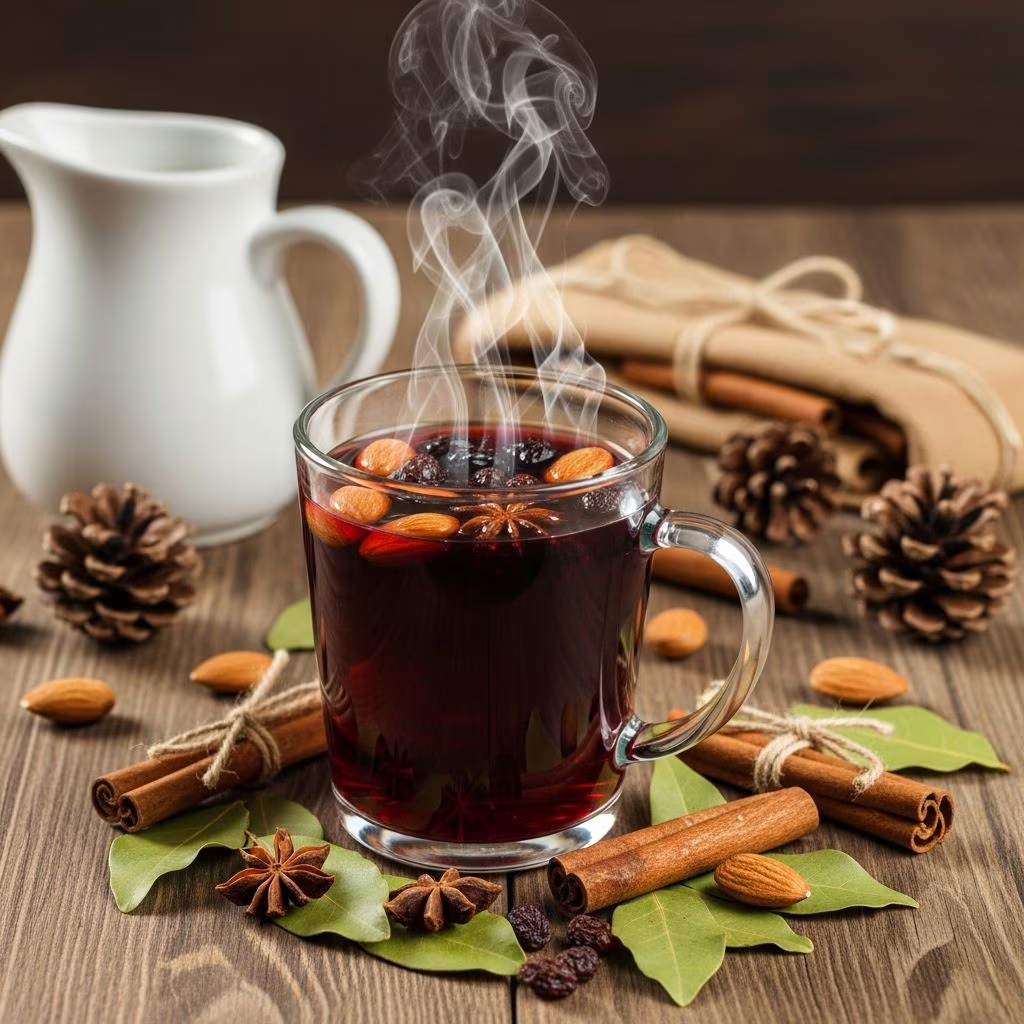
Today, glögg is indispensable during Advent parties and St. Lucia’s Day on December 13th. It’s served at glöggfester, social gatherings where guests sip from small glasses, often pairing it with simple bites like gingerbread or cheese. The tradition fosters community, warming both body and soul against harsh winters. Unlike generic mulled wines, Swedish glögg distinguishes itself with bold spices like cardamom and cloves, plus personal touches such as almonds and raisins dropped into each serving glass.
Core Ingredients That Define Authentic Glögg
The magic of glögg lies in its harmonious blend of base wines, fortifying spirits, sweeteners, and spices. A standard recipe starts with a full bottle of dry red wine—options like Pinot Noir, Merlot, or Beaujolais provide fruity foundations without overpowering the spices. Ruby port or similar adds depth and sweetness, while brandy, rum, bourbon, or vodka elevates the alcohol profile, contributing nuanced flavors.
Spices form the heart: cinnamon sticks for warmth, whole cloves for pungency, green cardamom pods for citrusy notes, and fresh ginger slices for zing. Orange peel introduces bright citrus, and sugar—caster, brown, or to taste—balances acidity. Garnishes include blanched almonds for crunch and raisins or dried cherries for chewiness, often steeped ahead.
| Ingredient Category | Classic Examples | Role in Flavor |
|---|---|---|
| Base Wine | 750ml dry red (e.g., Cabernet Sauvignon) | Fruity body |
| Fortified/Spirit | 200ml rum or brandy, 1 cup port | Strength and complexity |
| Spices | 2 cinnamon sticks, 8 cloves, 5-12 cardamom pods | Aromatic warmth |
| Sweetener | ½-1 cup sugar | Balances tartness |
| Garnish | Almonds, raisins, orange peel | Texture and bursts of flavor |
Classic Swedish Glögg Recipe: Step-by-Step Guide
Preparing glögg is straightforward, emphasizing gentle heating to preserve alcohol and intensify spices. This yields about 6-8 servings.
- Infusion Base: Combine 80g raisins, 2cm sliced ginger, 1 tsp crushed cardamom, 2 cinnamon sticks, 8 cloves, and optional star anise in a jar. Add peel from half an orange (pith removed) and 200ml dark rum. Seal and steep 5-7 days in a cool, dark place.
- Wine Mixture: In a non-reactive pot (avoid aluminum or copper), pour 750ml red wine, juice of half orange, and 90g caster sugar. Heat on low until sugar dissolves, never boiling.
- Combine and Strain: Strain infused rum into the wine. Taste and adjust sweetness. Simmer 20-60 minutes on low for flavor melding.
- Serve: Ladle into preheated mugs or glasses. Add 1-2 blanched almonds and a cinnamon stick per serving.
Total time: 25 minutes active, plus steeping. Pro tip: Use a spice pouch (cheesecloth tied with twine) for easy straining.
Quick-Version Glögg for Last-Minute Gatherings
Not everyone has days to steep. This one-pot method skips maceration, ready in under 30 minutes.
- Combine 750ml red wine, 1 cup bourbon or brandy, ½ cup sugar, 2 cinnamon sticks, ¼ tsp cloves, 5 cardamom pods, 1-inch ginger (sliced), 2 tbsp orange zest, 2 tbsp raisins, and 2 tbsp chopped blanched almonds in a pot.
- Heat on medium-low to a gentle simmer (small bubbles at edges). Maintain for 10-20 minutes, stirring occasionally.
- Strain, then serve hot with orange slices or star anise garnish.
This version retains potency—boiling evaporates alcohol, so keep temperatures below 180°F (82°C).
Creative Variations to Suit Every Palate
Glögg’s versatility invites experimentation. For a richer profile, incorporate 12oz ruby port and 6oz cognac alongside red wine, as in party-sized batches. Norwegian gløgg leans on vodka or bourbon with vanilla extract and dried cranberries.
- Non-Alcoholic: Swap wine and spirits for dark grape juice, black tea, or dealcoholized wine; add extra spices for depth.
- Fruity Twist: Use dried cherries instead of raisins; infuse with sliced apples or pears.
- Spice Boost: Add crushed cardamom seeds or a vanilla pod for intensified aroma.
- Modern Fusion: Try aquavit for authenticity or whiskey for smokiness.
Always taste iteratively—Swedish recipes from the 1800s used neutral vodka to let spices shine, a technique still effective today.
Pairing Glögg: Food and Occasion Ideas
Glögg shines brightest with complementary foods. Traditional pairings include pepparkakor (spiced ginger cookies), Lussekatter (saffron buns on St. Lucia’s Day), or aged cheeses like Prästost. For heartier spreads, offer rye crispbread with liver pâté or pickled herring—contrasting textures enhance the drink’s warmth.
At parties, set up a glögg station: pot on low heat, garnishes in bowls, and small glasses for sipping. It scales easily—double for crowds. For intimate nights, serve by the fireside with chocolate-dipped almonds.
Essential Tips for Perfect Glögg Every Time
- Choose quality yet affordable wines; inexpensive bottles suffice as spices dominate.
- Pre-blanch almonds: Boil briefly, shock in ice water, and peel for smoothness.
- Preheat serving vessels to maintain heat.
- Store leftovers in fridge up to 3 days; reheat gently.
- Pot material matters: Stainless steel or enamel prevents metallic off-flavors.
Frequently Asked Questions (FAQs)
What is the difference between glögg and regular mulled wine?
Glögg features stronger cardamom, often includes almonds/raisins, and uses spirits like aquavit or brandy, setting it apart from milder European versions.
Can I make glögg alcohol-free?
Yes, substitute with non-alcoholic wine, juice, or tea, boosting spices and adding honey for body.
How far ahead can I prepare glögg?
Infuse spices days in advance; assembled glögg keeps 2-3 days refrigerated.
Why shouldn’t glögg boil?
Boiling evaporates alcohol and dulls delicate spice notes.
What’s the best spirit for glögg?
Rum, brandy, or vodka work well; vodka’s neutrality highlights spices best in traditional recipes.
References
- Swedish Glögg (mulled wine) – Nordic Kitchen stories — Nordic Kitchen Stories. 2018-12-21. https://www.nordickitchenstories.co.uk/2018/12/21/swedish-glogg-recipe/
- Glogg (Swedish Mulled Wine) — Hapanom. N/A. https://hapanom.com/glogg-swedish-mulled-wine/
- Swedish Glögg: Hot Mulled Spiced Wine – Panning The Globe — Panning the Globe. N/A. https://www.panningtheglobe.com/glogg/
- Swedish Glögg – In the Kitch — In the Kitch. N/A. https://inthekitch.net/cinnamon-orange-glogg/
- The Best Gløgg (Norwegian Mulled Wine) – Sunday Table — Sunday Table. N/A. https://sundaytable.co/best-glogg-norwegian/
- Swedish Mulled Wine (Glögg) – The FoodOlic recipes — The FoodOlic. 2023-12-19. https://thefoodolic.com/2023/12/19/swedish-mulled-wine-glogg/
- How to Make Glogg Mulled Wine – Anders Erickson — Anders Erickson. N/A. https://www.anderserickson.com/how-to-make-glogg-mulled-wine