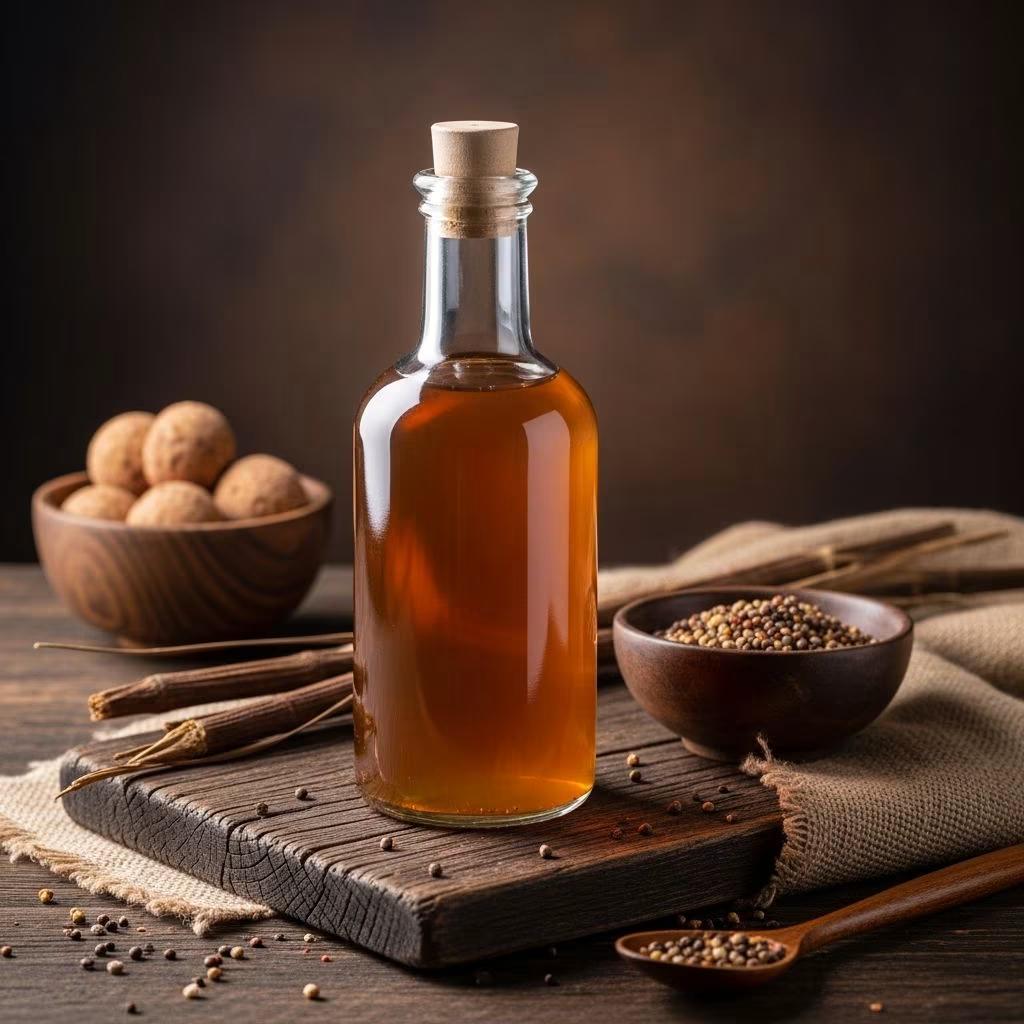
Deep in the northern provinces of the Philippines, particularly the Ilocos region, a humble yet powerful ingredient shapes the taste of countless meals: Sukang Iloco. This fermented cane vinegar stands out for its light brown hue, mild tang, and versatile role in everyday cooking. Derived from sugarcane wine that has naturally soured, it brings balance to rich, savory dishes, offering a refreshing counterpoint that defines regional cuisine.
Origins and Traditional Production Methods
Sukang Iloco traces its roots to the resourceful traditions of Ilocano farmers. Sugarcane, abundant in the area, is first fermented into basi, a local wine, before transforming into vinegar through natural acetification. This process relies on wild yeasts and acetic acid bacteria present in the environment, turning sweet wine into a sharp, aromatic vinegar over weeks or months.
The traditional method begins with harvesting fresh sugarcane stalks. Juice is extracted by crushing, then fermented anaerobically to produce basi. Once the alcohol content peaks, exposure to air initiates the shift to vinegar, where bacteria convert ethanol into acetic acid. Artisanal producers monitor this carefully, often in earthen jars, ensuring the final product retains a delicate balance of acidity and subtle sweetness.
- Key Steps in Production:
- Crush sugarcane to extract juice.
- Ferment juice into basi wine (7-14 days).
- Allow aeration for vinegar formation (2-4 weeks).
- Filter and age for clarity and flavor development.
This labor-intensive approach yields a vinegar milder than commercial distilled types, prized for its complexity.
Distinct Characteristics That Set It Apart
What makes Sukang Iloco unique is its profile: a light brown color from sugarcane molasses, a pH around 3-4 for balanced sharpness, and faint fruity notes from the base wine. Unlike coconut or palm vinegars from other regions, its sugarcane origin imparts a cleaner, less pungent taste, making it ideal for raw applications like dipping sauces.
| Vinegar Type | Source | Color | Flavor Profile | Common Use |
|---|---|---|---|---|
| Sukang Iloco | Sugarcane wine | Light brown | Mild tang, subtle sweet | Dipping, salads |
| Sukang Puli | Coconut sap | Dark brown | Strong, earthy | Stews, adobo |
| Apple Cider Vinegar | Apples | Amber | Fruity, sharp | Health drinks |
Its lower acidity (typically 4-6%) prevents overpowering delicate ingredients, earning it a staple status in Ilocano pantries.
Culinary Applications Across Filipino Dishes
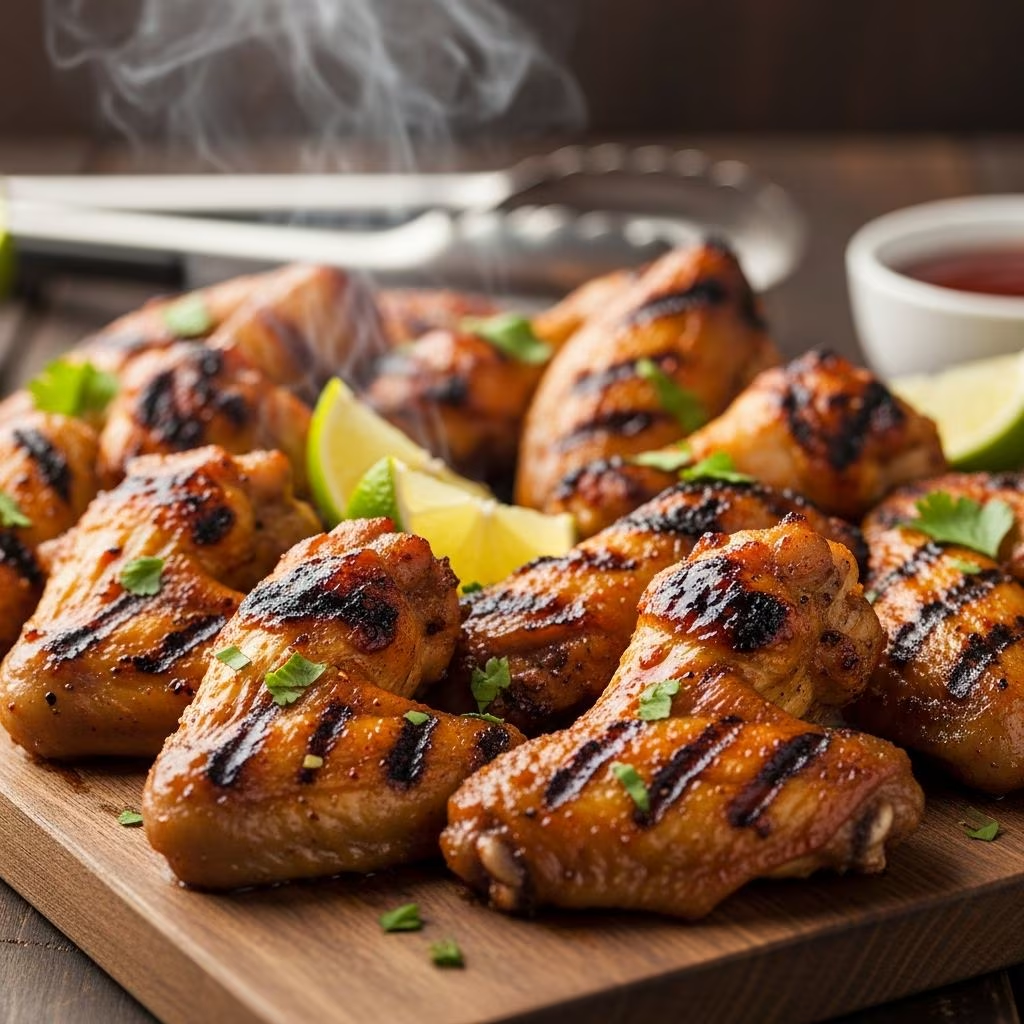
In Filipino kitchens, Sukang Iloco shines in simple yet flavorful preparations. It’s the base for pinakbet, a vegetable stew where it cuts through pork fat and bagoong (fermented shrimp paste). Diners also drizzle it over grilled meats or fish for a quick flavor boost.
Its most iconic role is in dipping sauces, paired with garlic, onions, and chilies. This combination accompanies lumpia (spring rolls), inihaw (grilled items), and okoy (crispy fritters), providing a bright contrast to fried textures.
Signature Dipping Sauce Recipe
Recreate an authentic Ilocano dip with these proportions for 1/2 cup serving:
- 1/2 cup Sukang Iloco
- 2 tsp sugar
- 1/2 tsp salt
- 2 cloves garlic, crushed
- 1/4 red onion, finely chopped
- Pinch of black pepper
Mix until dissolved; serve fresh or chilled. This sauce elevates pork belly lumpia or fried fish.
Health Benefits and Nutritional Insights
Beyond taste, Sukang Iloco offers wellness perks from natural fermentation. Acetic acid aids digestion, potentially stabilizing blood sugar after meals. Probiotics from the process support gut health, while antioxidants from sugarcane combat oxidative stress.
Studies on fermented vinegars note benefits like improved lipid profiles and antimicrobial properties, though specific data on Sukang Iloco is emerging. Use it diluted in water for a morning tonic, mimicking traditional remedies.
From Home Fermentation to Commercial Availability
Modern home cooks can replicate Sukang Iloco using basic equipment. Start with sugarcane juice or molasses, add yeast for basi, then mother culture for vinegar. Videos demonstrate Ilocano techniques, like “pinagdapil,” blending batches for consistency.
Commercially, brands bottle it authentically, often labeled “Sukang Iloko.” Look for natural fermentation indicators on labels, avoiding diluted imports. It’s increasingly available in Asian markets worldwide, fueling Filipino diaspora cooking.
Pairing Ideas and Modern Twists
Experiment beyond tradition: mix into salad dressings with calamansi, or reduce into a glaze for roasted vegetables. In fusion cuisine, it deglazes pans for noodle stir-fries or marinates chicken for grilling, blending Ilocano heritage with global palates.
- Modern Recipes:
- Vinegar-pickled vegetables (add chili flakes).
- Sukang cocktails with ginger beer.
- Marinade for tofu adobo alternatives.
Cultural Significance in Ilocos Heritage
Sukang Iloco embodies Ilocano ingenuity—turning surplus sugarcane into a preservation powerhouse. Festivals feature vinegar-soaked dishes, and families pass down recipes, preserving identity amid urbanization. Its role in dinengdeng (leafy stew) underscores communal meals.
Storage, Selection, and Troubleshooting Tips
Store in cool, dark places; it lasts indefinitely due to high acidity. Select cloudy artisanal bottles for live cultures. If too sharp, dilute with water; for milder batches, shorten fermentation.
FAQs
What is Sukang Iloco made from?
It’s fermented from sugarcane wine (basi) sourced from the Ilocos region.
Can I make Sukang Iloco at home?
Yes, using sugarcane juice and natural fermentation, following traditional steps shown in local tutorials.
How does it differ from other vinegars?
Lighter and less harsh than coconut vinegar, with a sugarcane sweetness.
Is it safe for daily consumption?
In moderation, yes, for its digestive benefits from acetic acid.
Where to buy authentic Sukang Iloco?
Asian grocery stores or online Filipino specialty shops.
References
- SUKANG ILOCO WITH RED ONION & GARLIC DIPPING SAUCE — Busog Sarap. 2012-02. https://www.busogsarap.com/2012/02/sukang-iloco-with-red-onion-garlic.html
- FERMENTED SUGARCANE VINEGAR | MALIIT NA NEGOSYO — YouTube. Accessed 2026. https://www.youtube.com/watch?v=cNQwPnt9y8w
- How To Make Iloco Vinegar — YouTube (michael angelo edralin). Accessed 2026. https://www.youtube.com/watch?v=Iuviiuo5g3A
- How to Make Cane Vinegar — Scribd. Accessed 2026. https://www.scribd.com/doc/69066316/How-to-Make-Cane-Vinegar