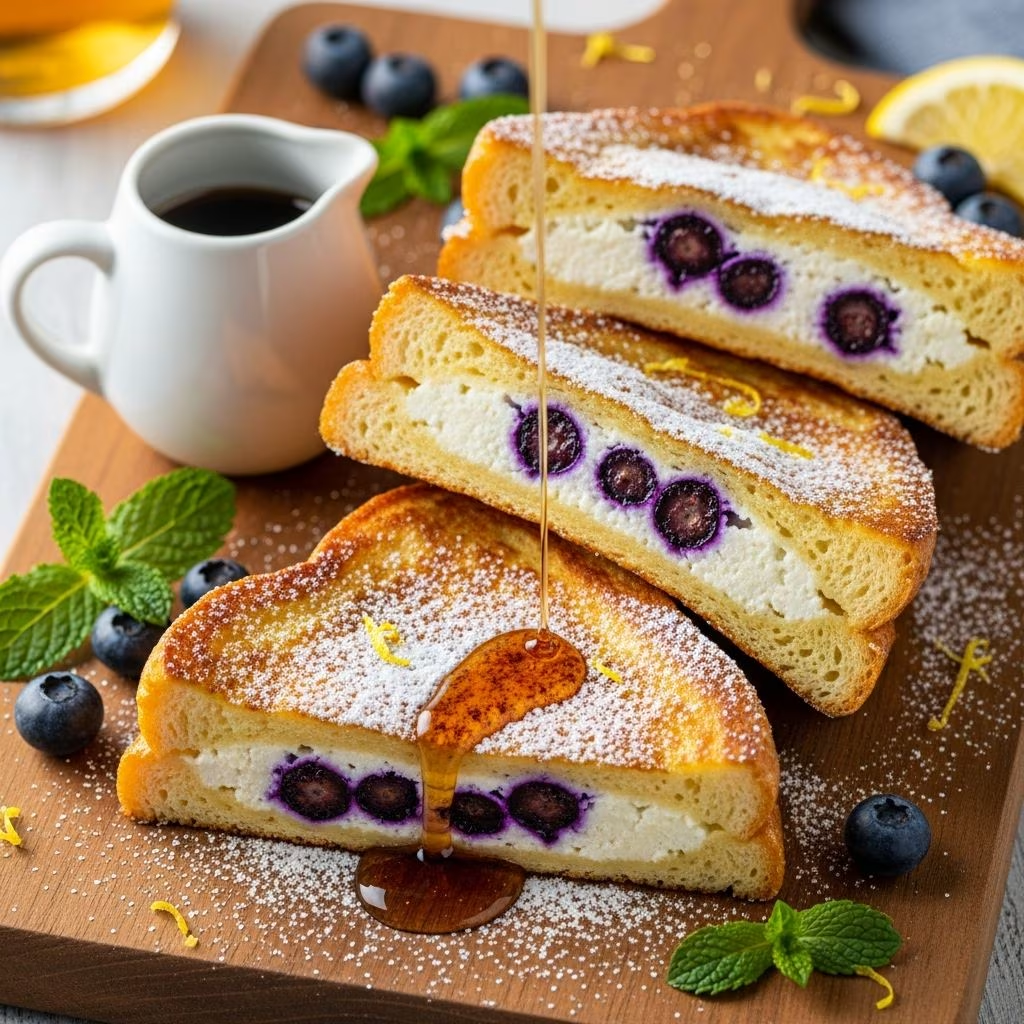
Stuffed French toast represents an elegant elevation of a beloved breakfast classic, transforming simple bread into a sophisticated dish worthy of special occasions or weekend indulgence. Unlike traditional French toast, this version features a delicious filling sandwiched between thick bread slices before the entire creation is dipped in custard and cooked to golden perfection. What makes this dish particularly appealing is its surprising simplicity—despite looking restaurant-quality, it requires minimal ingredients and straightforward techniques that home cooks can master quickly.
Understanding the Fundamentals of Stuffed French Toast
At its core, stuffed French toast involves creating a sandwich using two thick slices of bread, filling that sandwich with a creamy mixture, dipping it in an egg-based batter, and then cooking it on a griddle or skillet until both sides achieve a beautiful golden-brown color. The magic happens when the filling warms up inside the bread while the exterior becomes crispy and caramelized, creating a contrast of textures that makes each bite memorable.
This dish differs fundamentally from standard French toast in several ways. The filling adds richness and sweetness without needing copious amounts of syrup, while the sandwich structure ensures the filling stays contained during cooking rather than seeping out. The thicker bread slices required for proper stuffing also contribute to a more substantial texture compared to thin-sliced versions of regular French toast.
Essential Ingredients for Your Filling
The filling serves as the foundation of your stuffed French toast experience. While variations exist, most successful versions begin with softened cream cheese as the base ingredient. The cream cheese should be at room temperature before mixing—this typically requires 20 to 30 minutes of sitting time uncovered at room temperature. Cold or partially softened cream cheese will remain lumpy and difficult to spread properly.
Sweetening agents transform plain cream cheese into a luscious filling. Powdered sugar dissolves smoothly without graininess, making it superior to granulated sugar for this application. Some recipes incorporate both powdered and granulated sugar for layered sweetness and texture. Vanilla extract adds depth of flavor and complements the warming spices used in the egg batter.
Beyond these basics, creative additions can elevate your filling:
- Fresh berries like strawberries, blueberries, or raspberries
- Berry jams or preserves for concentrated fruit flavor
- Chocolate spreads or nutella for rich, indulgent versions
- Ricotta cheese mixed with cream cheese for lighter texture
- Whipped cream folded into the mixture for increased fluffiness
- Almond or vanilla extracts for alternative flavor profiles
Selecting and Preparing Your Bread
Bread selection significantly impacts your final result. Texas toast or brioche slices work exceptionally well due to their thickness and structure—they can absorb the egg mixture without falling apart while maintaining enough integrity to hold the filling. Challah bread offers another excellent option, providing a slightly sweet flavor that complements cream cheese fillings beautifully.
Thicker slices, typically three-quarters to one inch, provide sufficient space for filling while ensuring the bread can be dipped in egg batter without immediate sogginess. Thinner bread slices may become overly saturated during the dipping process, compromising texture.
For those preferring a technique similar to Uncrustables-style preparation, you can trim crusts from softer sandwich bread before adding filling. This method works best with thinner bread varieties and creates a more delicate presentation suitable for special occasions.
Crafting the Perfect Egg Batter
The egg batter creates the signature exterior texture of French toast. A basic formula combines eggs, milk, and spices in proportions that create a coating that fries to golden-brown perfection without becoming rubbery.
Standard Egg Batter Components:
- Two large eggs per four to six sandwich preparations
- Three-quarter to one cup of milk (whole milk or half-and-half recommended)
- One teaspoon vanilla extract for flavor depth
- Half to one teaspoon ground cinnamon for warmth
- One-quarter teaspoon ground nutmeg for subtle spice (optional)
- One teaspoon granulated sugar for subtle sweetness
Whisking these ingredients thoroughly in a shallow pan or dish ensures even distribution of spices and creates the proper consistency for dipping. The milk content should be sufficient to create a wet coating that adheres to the bread while not so much that it creates puddles of excess liquid.
Step-by-Step Assembly Process
Proper assembly ensures your filling stays contained during cooking and distributes evenly throughout each sandwich.
Step One: Prepare Your Filling Beat softened cream cheese with powdered sugar and vanilla using an electric mixer or vigorous hand-mixing until you achieve a smooth, spreadable consistency. If adding fresh fruit, fold it in gently after beating to maintain texture. For berry jam versions, simply blend the jam with the sweetened cream cheese mixture.
Step Two: Spread the Filling Apply a generous but not excessive layer of filling to one slice of bread. Spreading too little means minimal filling in each bite, while spreading too much causes leakage during cooking. Aim for approximately one-quarter cup per sandwich.
Step Three: Create the Sandwich Top the filling-coated slice with another slice of bread, pressing gently to secure the filling. Avoid pressing so hard that filling squeezes out the sides.
Step Four: Dip with Care Submerge both sides of the sandwich in the egg batter, ensuring complete coating. Spend only a few seconds per side to avoid over-saturation. The bread should be wet but not dripping excessively when transferred to the cooking surface.
Step Five: Prepare for Cooking Place the dipped sandwich on a buttered or oiled skillet heated to medium-high temperature. Some recipes suggest coating the bread crumb-coated exterior with a cinnamon-sugar mixture before cooking for additional texture and sweetness.
Cooking Techniques and Temperature Control
Temperature management represents a critical factor in successful stuffed French toast preparation. Too-low heat means the exterior won’t brown while the interior remains cold. Conversely, excessive heat burns the exterior before the inside heats through.
Medium to medium-high heat typically produces optimal results, allowing four to five minutes per side for a standard brioche or Texas toast thickness. The filled sandwich requires slightly longer cooking than unfilled French toast because the filling needs time to warm through.
Visual cues guide timing better than strict numbers. The first side is ready to flip when it develops a deep golden-brown color and releases easily from the pan with minimal resistance. The filling will be warm and slightly softened at this point. The second side should match the color of the first side, typically requiring slightly less time since the heat has already begun warming the sandwich interior.
Flipping requires careful attention because warm cream cheese filling becomes slippery, increasing the risk of the sandwich slipping during the flip. Using a sturdy spatula and a confident, decisive motion minimizes mishaps. Some cooks advocate for two spatulas—one to support the sandwich from underneath and one to guide it during the flip.
Topping and Serving Suggestions
The preparation method influences appropriate toppings. Cream cheese-filled versions benefit from maple syrup drizzled over the top, supplemented with fresh whipped cream and berries. Berry-stuffed varieties may be served simply with powdered sugar dusting and a light syrup drizzle, allowing the fruit filling to remain the star ingredient.
| Filling Type | Recommended Toppings | Best Serving Occasion |
|---|---|---|
| Cream Cheese | Maple syrup, whipped cream, fresh berries | Weekend breakfast, entertaining guests |
| Strawberry & Cream Cheese | Strawberry syrup, whipped cream, fresh strawberries | Spring brunch, romantic breakfast |
| Mixed Berry Jam | Powdered sugar, light syrup, mint garnish | Summer entertaining, casual brunch |
| Chocolate & Cream Cheese | Chocolate syrup, fresh berries, powdered sugar | Dessert breakfast, special celebrations |
Frequently Asked Questions
Can I prepare stuffed French toast in advance?
You can assemble the sandwiches several hours ahead of cooking, storing them covered in the refrigerator. However, they’re best cooked immediately before serving for optimal texture. The dipped, egg-coated sandwiches should not be prepared in advance, as the bread becomes overly saturated.
What’s the best bread for stuffed French toast?
Texas toast, brioche, and challah bread varieties perform best due to their thickness and ability to absorb the egg mixture while maintaining structural integrity. French bread cut into thick slices also works well for this preparation.
How do I prevent the filling from leaking?
Avoid using excessive filling amounts, keep the filling away from the bread edges, and don’t press the sandwich slices too firmly together. Proper dipping technique—quick submersion rather than prolonged soaking—also prevents over-saturation that leads to leakage.
Can I use cream cheese alternatives?
Whipped ricotta cheese creates a lighter alternative, while mascarpone cheese adds Italian flair. Some recipes use whipped cream cheese for increased fluffiness, though this requires more careful handling during cooking.
What makes stuffed French toast different from regular French toast?
The sandwich filling creates sweetness and richness that eliminates the need for excessive syrup. The thicker bread and double layers trap heat differently, creating a different texture profile with a crispy exterior and creamy interior.
How many servings does a basic recipe yield?
A recipe using one loaf of bread typically yields four to six servings, depending on bread thickness and individual appetite. Each sandwich serves one to two people depending on whether it accompanies other breakfast items.
Storage and Make-Ahead Considerations
Leftover stuffed French toast can be refrigerated for up to three days in an airtight container. Reheat in a 350°F oven for about ten minutes to restore crispiness, or use a skillet over medium-low heat. Avoid microwaving, which creates undesirable texture changes.
For longer storage, individually wrapped cooked sandwiches freeze successfully for up to two months. Thaw overnight in the refrigerator before reheating. The texture will be slightly softer than freshly cooked sandwiches but remains delicious.
Variations and Creative Adaptations
Baked versions exist for those seeking to prepare larger quantities. Layered bread slices with filling in a baking dish, topped with the egg mixture, then baked at 375°F for approximately 30 to 40 minutes creates a French toast casserole-style dish ideal for feeding groups.
Savory variations replace sweet cream cheese with herb-infused ricotta and thinly sliced meats, creating sophisticated brunch dishes that blur the line between breakfast and lunch. These adaptations use the same cooking technique with adjusted seasonings.
Seasonal variations incorporate flavors like pumpkin spice in autumn, peppermint during winter holidays, or fresh citrus zest during spring months. These elements work in both the filling and the egg batter for cohesive flavor profiles.
References
- Cream Cheese Stuffed French Toast — Yellow Bliss Road. 2024. https://www.yellowblissroad.com/creamcheesestuffedfrenchtoast/
- Classic Stuffed French Toast — A Beautiful Mess. 2024. https://abeautifulmess.com/classic-stuffed-french-toast/
- Berry Stuffed French Toast — Inspired by Charm. 2024. https://inspiredbycharm.com/berry-stuffed-french-toast/
- Stuffed French Toast: An Elegant Breakfast for Two — Biscuits & Burlap. 2024. https://www.biscuitsandburlap.com/stuffed-french-toast-recipe/
- Strawberry Cream Cheese Stuffed French Toast — Savory Nothings. 2024. https://www.savorynothings.com/skinny-crunchy-stuffed-french-toast/
- Stuffed French Toast — Oh Sweet Basil. 2024. https://ohsweetbasil.com/to-die-for-stuffed-french-toast-recipe/
- Baked Stuffed French Toast — 12 Tomatoes. 2024. https://12tomatoes.com/baked-stuffed-french-toast/