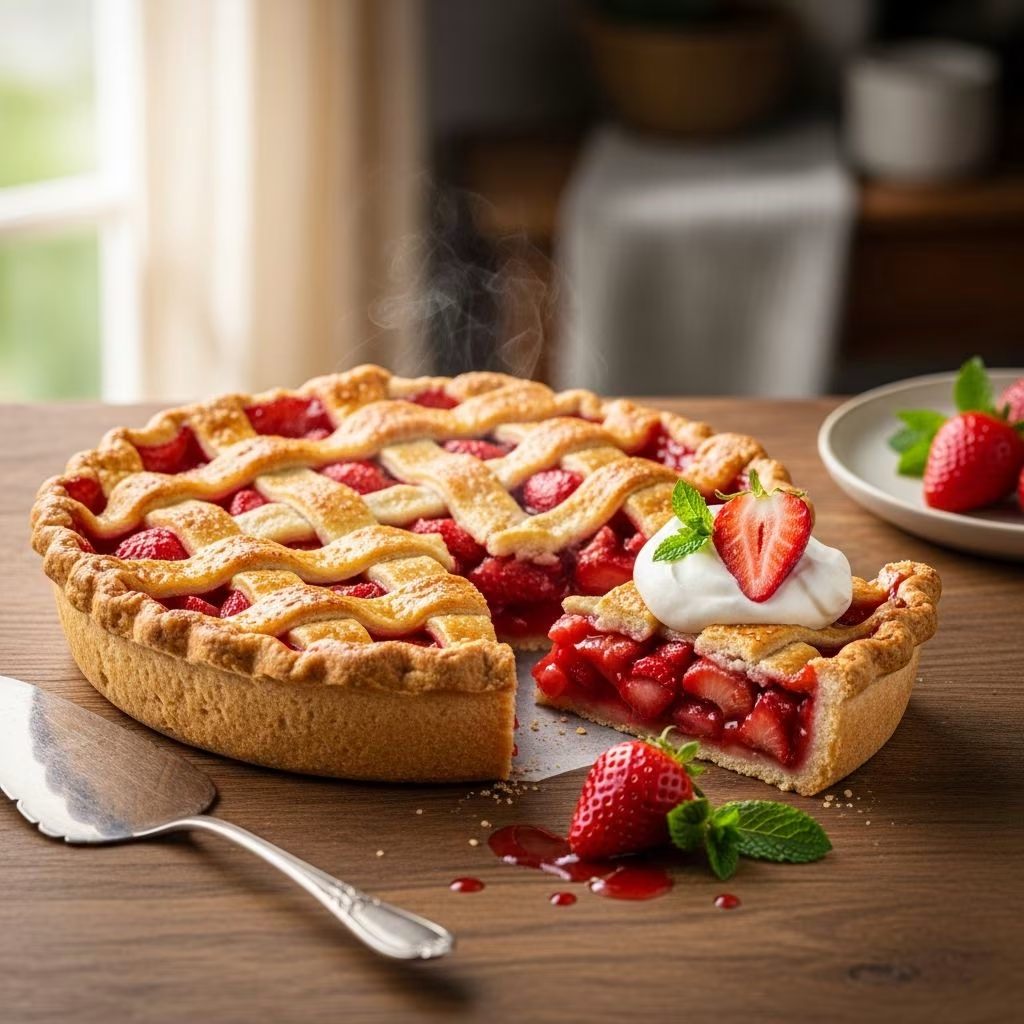
The combination of tart rhubarb and sweet strawberries represents one of the most celebrated flavor pairings in home baking. This distinctive fruit pie captures the essence of spring while offering a beautiful balance between tartness and sweetness that appeals to a wide range of palates. Creating an exceptional strawberry rhubarb pie requires understanding the fundamental techniques involved in pastry preparation, fruit selection, and precise baking methodology.
Understanding the Fundamental Ingredients
A successful strawberry rhubarb pie begins with selecting quality ingredients and understanding how each component contributes to the final result. The foundation of any exceptional pie consists of a well-crafted crust, a carefully balanced filling, and optional toppings that enhance both texture and flavor.
Building the Crust Foundation
The pastry crust serves as the structural and textural foundation of your pie. A traditional two-crust approach requires approximately 2 cups of all-purpose flour combined with 1 tablespoon of granulated sugar and 1 teaspoon of salt. Rather than using oil, professionals typically incorporate 1 cup of cold shortening or a combination of butter and shortening, which creates the characteristic flaky texture through lamination—the process of creating thin layers of fat and dough.
The liquid component, typically 1/3 cup of ice-cold water, should be added gradually while mixing with a fork until the dough just begins to form. This technique prevents overworking the dough, which would develop gluten and result in a tough, dense crust rather than the desired tender, flaky texture.
Selecting and Preparing the Fruit
The filling composition significantly impacts the pie’s flavor profile and texture. Most recipes call for approximately 4 to 6 cups of fresh rhubarb, chopped into consistent 1/2-inch pieces, combined with 2 to 5 cups of fresh or frozen strawberries, depending on desired tartness intensity and personal preference. The ratio between these fruits can be adjusted—some bakers prefer nearly equal quantities for balanced flavor, while others favor additional rhubarb for enhanced tartness.
When preparing rhubarb, it’s essential to remove and discard all leafy portions, as they contain oxalic acid compounds that are harmful if consumed. Only the stalks should be used in culinary applications. Strawberries should be washed, hulled, and cut into pieces of comparable size to the rhubarb chunks for even cooking.
The Role of Thickening Agents
Achieving the ideal filling consistency requires incorporating thickening agents. Common options include cornstarch (typically 1/4 to 1/3 cup), minute tapioca (approximately 3 tablespoons), or all-purpose flour (about 1 tablespoon). These ingredients absorb excess moisture released during fruit cooking, preventing a soggy crust while maintaining a jammy texture that slices cleanly. The choice between these agents affects the final texture—cornstarch produces clarity in the filling, while tapioca creates a slightly more rustic appearance.
Flavor Enhancement Through Complementary Ingredients
Beyond the primary fruits and crust, several supporting ingredients elevate the complexity of the finished pie.
Sweetening Components and Balance
The filling typically combines 1 to 1-1/3 cups of granulated sugar with optional brown sugar, which adds depth and subtle caramel notes. Some recipes incorporate a combination of both sugars—approximately 1/3 cup granulated and 1/3 cup brown sugar—to create layered sweetness that complements the rhubarb’s tartness without overwhelming it.
Citrus and Spice Elements
Citrus components play a crucial role in brightening the filling. Lemon juice and zest, or alternatively orange juice and zest, add brightness that emphasizes the fruit’s natural flavors. Most recipes incorporate 1 to 2 tablespoons of fresh citrus juice or zest. Ground cinnamon (typically 1/2 to 1 teaspoon) provides warm spice notes that complement the fruit without dominating the flavor profile.
Some innovative approaches incorporate lime zest instead of traditional lemon or orange, creating a more contemporary flavor dimension. Vanilla extract (usually 1 teaspoon) adds subtle depth and rounds out the overall flavor experience.
Preparation Methodology and Timing
The sequence and timing of preparation steps directly influence the quality of the finished pie.
Crust Preparation Protocol
Preparing the pie crust requires careful attention to temperature and technique. After combining dry ingredients (flour, sugar, and salt), the cold shortening should be cut into pea-sized pieces and evenly distributed throughout the mixture. This distribution ensures consistent flakiness across the entire crust.
Water should be added gradually, with mixing continuing only until the dough just cohesively forms. Dividing the dough into two balls—one slightly larger for the bottom crust—and flattening each before wrapping separately in plastic wrap allows for easier rolling later. Refrigeration for at least 30 minutes, or preferably overnight, relaxes the gluten network and solidifies the fat, both essential for flaky results.
Filling Preparation and Resting
Combining the prepared fruit with sugar, thickening agents, spices, and citrus components should be done gently to avoid bruising delicate fruit. Allowing the mixture to rest for 15 to 20 minutes before assembly permits the fruit to release some juices, which will be thickened by the cornstarch or tapioca, creating better filling consistency during baking.
Assembly and Baking Techniques
The assembly and baking process determines whether your pie achieves the desired golden exterior and perfectly cooked filling.
Crust Assembly Strategy
Rolling the larger dough portion to slightly larger than your pie dish, then carefully transferring it to a 9-inch pie pan, creates the bottom foundation. Pressing the crust gently into the bottom and sides while allowing excess to hang over the edge prevents shrinkage during baking. Adding the prepared filling and distributing it evenly ensures consistent cooking.
The top crust should be rolled similarly and either placed whole or cut into strips for a lattice pattern. For a solid top crust, crimping the edges seals the pie and creates an attractive border. For a lattice approach, weaving strips creates an attractive presentation while allowing steam to escape during baking. Cutting small slits in a solid top crust provides ventilation for steam release.
Temperature and Timing Management
Most recipes employ a two-temperature baking approach. Initial baking at 425°F for 15 minutes sets the crust and begins cooking the filling. Temperature then reduces to 375°F for 45 to 60 additional minutes until the filling bubbles around the edges and the crust achieves deep golden-brown color. Some recipes recommend covering the crust edges with foil after the initial 15 minutes to prevent excessive browning while the filling continues cooking.
Alternative Blind-Baking Approach
For roasted fruit fillings or particularly juicy combinations, a blind-baking technique produces superior results. The bottom crust is partially or fully baked before filling, creating a crisp base that resists moisture penetration. This involves rolling the dough into a 14-inch circle, fitting it into the pie dish, chilling for 20 minutes, then lining with parchment paper and pie weights or dried beans. Baking at 400°F for 20 minutes, then removing weights and baking 15-20 additional minutes creates a sturdy foundation.
Cooling and Serving Considerations
After removing the pie from the oven, allowing adequate cooling time proves essential for proper setting and clean slicing. Most recipes recommend cooling for at least 2 hours before cutting, which permits the filling to gel sufficiently for neat slices without collapsing.
Certain recipes incorporate optional enhancements like coarse sugar sprinkled on the top crust before baking, which creates textural contrast and visual appeal. Egg wash (1 large egg beaten with 1 tablespoon milk) brushed on the crust creates a shiny, attractive golden finish.
Frequently Asked Questions About Strawberry Rhubarb Pie
Can frozen strawberries be substituted for fresh fruit?
Yes, frozen strawberries work effectively in pie filling. They should be thawed and any excess liquid drained before combining with other ingredients to prevent excessive moisture in the filling.
What causes a soggy crust, and how can it be prevented?
Soggy crusts result from excess moisture in the filling penetrating the pastry. Prevention strategies include using adequate thickening agents, allowing filling to rest before assembly, and employing blind-baking techniques for particularly juicy fruit combinations.
How should leftover pie be stored?
Cooled pie should be covered loosely and refrigerated for up to 3-4 days. Pie can also be frozen for longer storage; wrap tightly in plastic wrap and aluminum foil before freezing for up to 3 months.
Can the pie crust be made ahead of time?
Yes, prepared pie dough can be refrigerated for up to 2 days or frozen for several weeks. If frozen, thaw in the refrigerator before rolling.
What causes the filling to bubble excessively over the pie edge?
Over-bubbling typically indicates too much filling or inadequate venting. Ensure slits or lattice provides adequate steam escape, and follow recipe measurements for filling quantity precisely.
Ingredient Ratio Reference Table
| Component | Typical Quantity | Purpose |
|---|---|---|
| Rhubarb (chopped) | 3-6 cups | Primary tart flavor |
| Strawberries | 2-5 cups | Sweetness and moisture |
| Granulated Sugar | 2/3-1⅓ cups | Sweetening |
| Cornstarch | ¼-⅓ cup | Thickening |
| Citrus Juice | 1-2 tbsp | Brightness |
| Ground Cinnamon | ½-1 tsp | Spice depth |
| All-Purpose Flour | 2 cups | Crust structure |
| Cold Shortening | 1 cup | Crust flakiness |
Baking Temperature and Time Reference
| Stage | Temperature | Duration | Action |
|---|---|---|---|
| Initial Bake | 425°F | 15 minutes | Crust setting, filling begins cooking |
| Reduced Heat | 375°F | 45-60 minutes | Continue cooking until filling bubbles, crust golden |
| Optional Blind Bake (Bottom) | 400°F | 20 minutes with weights, then 15-20 without | Create crisp bottom crust |
| Cooling Period | Room Temperature | At least 2 hours | Filling sets for clean slicing |
Expert Tips for Exceptional Results
- Maintain ingredient temperatures—keep shortening, water, and bowl cold throughout preparation for maximum flakiness
- Avoid overworking dough, which develops gluten and creates tough rather than tender crust
- Test filling consistency by ensuring it bubbles visibly around pie edges before removing from oven
- Use a pie crust shield or foil over edges during final baking stages to prevent excessive browning
- Place the pie on a lower oven rack positioned on a baking sheet to catch any filling overflow
- Allow complete cooling before slicing to permit filling to set adequately for neat presentation
- Adjust sweetness based on rhubarb tartness—very tart rhubarb may require additional sugar
Creative Variations to Explore
While the traditional strawberry rhubarb combination remains timeless, numerous variations offer interesting flavor explorations. Incorporating orange zest and juice instead of lemon creates subtle flavor differences. Adding vanilla extract beyond the standard amount introduces additional depth. Some bakers experiment with alternative citrus—lime zest creates a more contemporary interpretation.
Crumble toppings offer an alternative to traditional double crusts, combining flour, brown sugar, oats, and cold butter into a streusel topping that bakes until golden brown and creates textural contrast with the fruit filling.
References
- Best Strawberry Rhubarb Pie — Blue Ribbon Group. Accessed April 2026. https://www.blueribbongroup.net/blue-ribbon-foodies/best-strawberry-rhubarb-pie/
- Roasted Strawberry Rhubarb Pie Recipe — Wyse Guide. Accessed April 2026. https://www.wyseguide.com/roasted-strawberry-rhubarb-pie/
- Strawberry Rhubarb Pie — The Flying Kitchen. Accessed April 2026. https://theflyingkitchen.com/strawberry-rhubarb-pie/
- Strawberry Rhubarb Pie — Budget Bytes. Accessed April 2026. https://www.budgetbytes.com/strawberry-rhubarb-pie/
- Strawberry Rhubarb Pie — Sally’s Baking Addiction. Accessed April 2026. https://sallysbakingaddiction.com/strawberry-rhubarb-pie/