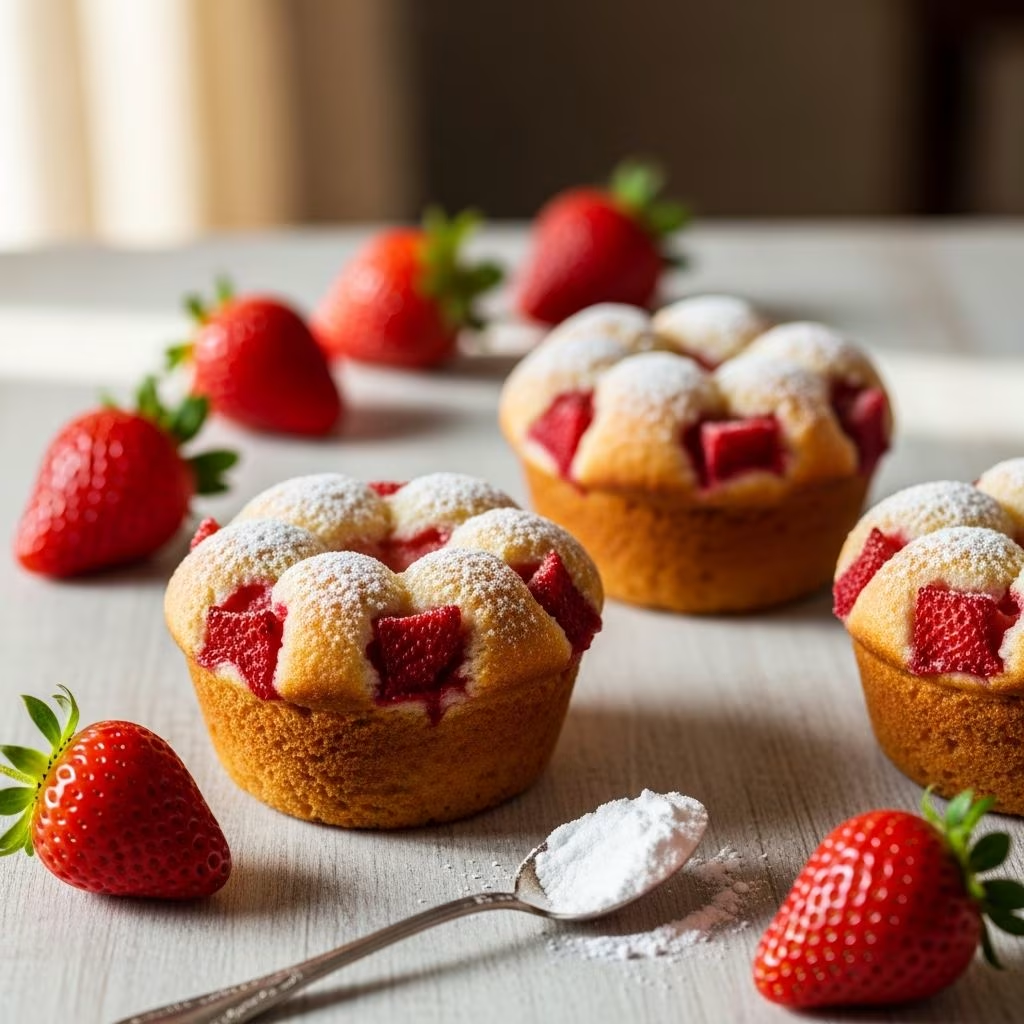
The fusion of two beloved breakfast treats—muffins and doughnuts—has created a delightful hybrid that captivates both seasoned bakers and novices alike. Strawberry doughnut muffins represent the perfect marriage of fluffy, cake-like texture with the nostalgic sweetness of fresh berries. This comprehensive guide explores everything you need to know about preparing these delightful pastries from your own kitchen.
Understanding the Hybrid Treat Concept
Strawberry doughnut muffins offer a unique advantage over traditional doughnuts: they require no deep frying, making them an accessible option for home bakers. Unlike conventional doughnuts that demand specialized equipment and careful temperature monitoring, these muffins are baked in standard muffin pans, simplifying the process considerably. The result is a tender crumb with a delicate, airy structure that rivals traditional fried varieties while maintaining the wholesome appeal of baked goods.
The strawberry component adds natural sweetness, vibrant color, and subtle flavor complexity. Whether incorporated as fresh puree, frozen pieces, or jam filling, strawberries elevate these muffins beyond basic vanilla versions, creating a more sophisticated flavor profile suitable for breakfast, brunch, or afternoon snacking.
Essential Dry Ingredients and Their Roles
The foundation of any successful strawberry doughnut muffin begins with the dry ingredient combination. All-purpose flour serves as the primary structural component, typically requiring between 1.5 to 3 cups depending on the recipe’s proportions and desired density.
- All-purpose flour: Forms the basic structure and provides the tender crumb essential to the muffin’s texture
- Baking powder: Acts as the primary leavening agent, typically 2 teaspoons, creating the characteristic rise and airy interior
- Baking soda: Often used in conjunction with baking powder at approximately 1/3 teaspoon, particularly in recipes incorporating acidic components like buttermilk or yogurt
- Salt: Enhances flavor perception and strengthens gluten structure, usually 1/4 to 1 teaspoon
- Spices and seasonings: Ground nutmeg and cinnamon add warmth and depth, complementing strawberry’s sweetness perfectly
- Cornstarch: When included at 2 tablespoons, creates an exceptionally tender crumb by inhibiting gluten development
Wet Ingredient Components and Their Functions
The wet ingredients work together to create moisture, structure, and binding. The balance between these components directly influences texture and crumb structure.
Eggs contribute protein, fat, and binding power—typically 1 to 3 eggs depending on recipe scale. They create structure while adding richness to the muffin’s crumb. Fats, whether vegetable oil or melted butter, promote tenderness and create a more luxurious mouthfeel. Most recipes employ 1/4 to 1/2 cup of fat, with butter providing superior flavor compared to neutral oils.
Dairy components—whole milk, buttermilk, or fat-free milk—add moisture while the acidity in buttermilk activates baking soda for superior rise. Vanilla extract rounds out the flavor profile, typically at 1 teaspoon, providing subtle complexity that enhances rather than dominates.
Sugar Variations and Sweetness Balance
Sugar serves multiple purposes beyond simple sweetness. It contributes to browning, texture development, and moisture retention. Most recipes employ a combination of granulated sugar and brown sugar, creating layered sweetness.
| Sugar Type | Amount (Standard Recipe) | Purpose |
|---|---|---|
| Granulated Sugar | 2/3 to 3/4 cup | Primary sweetness, browning, structure |
| Brown Sugar | 1/3 to 7 tablespoons | Depth, moisture retention, tender crumb |
| Powdered Sugar (coating) | As needed | Final topping, visual appeal |
Strawberry Integration Methods
Strawberries can be incorporated in multiple ways, each offering distinct textural and flavor outcomes. Fresh strawberry puree, created by blending hulled berries in a food processor, creates seamless strawberry integration throughout the muffin. This method yields approximately 1/4 cup puree per cup of berries and provides consistent flavor distribution.
Jam filling offers concentrated strawberry flavor with visual appeal. Inserting a small amount of high-quality jam into the muffin center before baking creates a delightful surprise that consumers discover upon tasting. This technique requires precise placement to prevent leaking during baking.
Freeze-dried strawberry powder, used in coating applications, provides intense strawberry flavor without excess moisture. Crushed into fine powder and combined with sugar, it creates a sophisticated topping that adheres beautifully to buttered muffin tops.
Fresh strawberry pieces can be mixed into batter or placed atop each muffin before baking. This approach requires fewer processing steps and maintains a more rustic appearance.
Step-by-Step Preparation Process
Successful baking depends on systematic methodology. Begin by preheating your oven to 350-375°F, depending on recipe specifications. Grease muffin pans thoroughly using baking spray or butter, ensuring easy release after baking.
Combine all dry ingredients in a medium bowl, whisking until thoroughly integrated. In a separate vessel, whisk together wet components including eggs, milk, vanilla, and oil. This separation prevents overmixing when combining wet and dry ingredients—a critical factor in muffin success. Overmixing develops gluten excessively, resulting in dense, tough crumbs rather than the desired tender texture.
Pour wet ingredients into dry ingredients, folding gently until just combined. Small lumps are entirely acceptable and even desirable. This approach, known as the muffin method, produces superior texture compared to thoroughly smooth batters.
Portion batter using a 2-tablespoon or 3-tablespoon ice cream scoop, filling muffin cups approximately 2/3 full. This standardizes baking time and ensures uniform results. Add strawberry pieces or jam at this stage if using filling.
Baking Procedures and Doneness Testing
Most strawberry doughnut muffins require 12-25 minutes of baking, though mini versions bake considerably faster at 10-14 minutes. Larger standard muffins typically need the full 20-25 minute range. Oven temperature variations necessitate close monitoring during final minutes.
Test doneness using the toothpick method: insert a wooden toothpick into the muffin’s center. Properly baked muffins yield a toothpick with minimal crumbs adhering—a few moist crumbs remain acceptable, but wet batter indicates underbaking. The muffin tops should feel gently firm when pressed rather than leaving deep indentations.
Allow muffins to cool in the pan for 5 minutes before transfer to a cooling rack. This resting period permits structural setting without causing sticking. Cool completely—approximately 15-20 minutes—before applying glazes or sugar coatings.
Creating Gourmet Toppings and Coatings
Transform basic muffins into impressive presentations through strategic topping applications. The strawberry-sugar coating represents a popular choice: melt unsalted butter in a shallow bowl, then dunk warm muffin tops into butter followed by a mixture of granulated sugar combined with crushed freeze-dried strawberries. The freeze-dried component ensures powder-like consistency and vibrant color without introducing excess moisture.
Powdered sugar glazes create elegant finishes: whisk powdered sugar with small amounts of milk or lemon juice until achieving spreadable consistency. Drizzle over completely cooled muffins for professional appearance. For enhanced strawberry flavor, incorporate strawberry puree or extract into the glaze.
Simple granulated sugar coating requires only buttering muffin tops and rolling in sugar immediately after removal from the oven. This classic approach creates appealing texture and sparkle.
Storage and Make-Ahead Strategies
Properly stored strawberry doughnut muffins maintain optimal quality for 3-4 days. Allow complete cooling before storage, then transfer to airtight containers at room temperature. Prolonged exposure to air causes staling and flavor deterioration.
For extended storage, freeze cooled muffins in freezer-safe containers for up to 3 months. Thaw at room temperature before serving. Muffins can be reheated gently in a 300°F oven for 5-10 minutes to restore softness if desired.
Prepare batches in advance by freezing batter in muffin cups. Once frozen, transfer to freezer bags and bake directly from frozen, adding 2-3 minutes to baking time. This approach enables fresh muffin consumption without daily preparation.
Ingredient Substitution Strategies
Strawberry doughnut muffins accommodate numerous substitutions for dietary requirements or ingredient availability. Whole wheat flour can replace up to half the all-purpose flour, though this increases density slightly. Oat flour incorporation adds nuttiness while maintaining moisture.
Dairy-free variations utilize non-dairy milk alternatives with matching ratios. Coconut milk, oat milk, or almond milk work effectively. Replace eggs with flax eggs (1 tablespoon ground flaxseed plus 3 tablespoons water per egg) for vegan versions. Applesauce or mashed banana can replace some fat in dairy-free formulations.
Sugar reduction is achievable through partial replacement with unsweetened applesauce or banana, though this requires adjusting liquid ratios to prevent excessive moisture.
Frequently Asked Questions
Can I use frozen strawberries instead of fresh?
Yes, frozen strawberries work perfectly when thawed and excess moisture is pressed away before puréing. Alternatively, use freeze-dried strawberries, which require no preprocessing. Fresh provides superior flavor complexity, but frozen maintains excellent results when properly handled.
Why are my muffins dense and heavy?
Dense muffins typically result from overmixing batter, excess baking soda or powder, incorrect oven temperature, or measuring inaccuracies. Use the muffin method—combine wets and dries with minimal stirring. Measure flour by spooning into measuring cups rather than scooping directly into bags.
How do I prevent jam filling from leaking during baking?
Use thick, high-quality jam and place a small amount (approximately 1 teaspoon) in the center rather than distributed throughout. Avoid overfilling. Ensure batter completely surrounds jam before baking.
Can these muffins be made as full-size rather than mini muffins?
Absolutely. Standard muffin recipes require 18-24 minutes baking time compared to 10-14 minutes for mini versions. Reduce recipe quantities if using mini pans instead of standard pans.
What’s the best way to reheat day-old muffins?
Wrap in foil and warm in a 300°F oven for 5-10 minutes. Alternatively, microwave for 15-20 seconds, though this can make texture slightly dense. Avoid prolonged heating, which causes excessive drying.
Flavor Variation Possibilities
The strawberry doughnut muffin foundation accommodates numerous flavor enhancements. Rose extract combined with strawberry creates an elegant, sophisticated profile. White chocolate chips stirred into batter add richness and sweetness. Lemon zest brightens strawberry notes beautifully while adding complexity.
Vanilla bean paste replaces extract for more pronounced vanilla flavor and visual interest from visible bean flecks. Almond extract in small quantities (1/4 teaspoon) complements strawberry wonderfully without overwhelming.
Professional Presentation Tips
Present strawberry doughnut muffins attractively by ensuring uniform size through consistent scooping, applying coatings generously while muffins remain warm, and arranging on serving platters with visual intent. Individual paper liners add presentation polish while facilitating handling.
For gifting, package cooled muffins in clear cellophane bags tied with ribbon. Include storage instructions and a brief ingredient list for recipients aware of allergens.
References
- Strawberry Jelly Donut Muffins — Bakers Table. Accessed 2026. https://bakerstable.net/strawberry-jelly-donut-muffins
- Strawberry Donut Muffins — Kirbie’s Cravings. Accessed 2026. https://kirbiecravings.com/strawberry-donut-muffins/
- Strawberry Jam Filled Mini Donut Muffins — Mint + Mallow Kitchen. Accessed 2026. https://mintandmallowkitchen.com/strawberry-jam-filled-donut-muffins/
- The Joy of Cooking — Irma S. Rombauer, Marion Rombauer Becker, and Ethan Becker. Scribner, 2006. ISBN 978-0743246644. Foundational baking science principles.