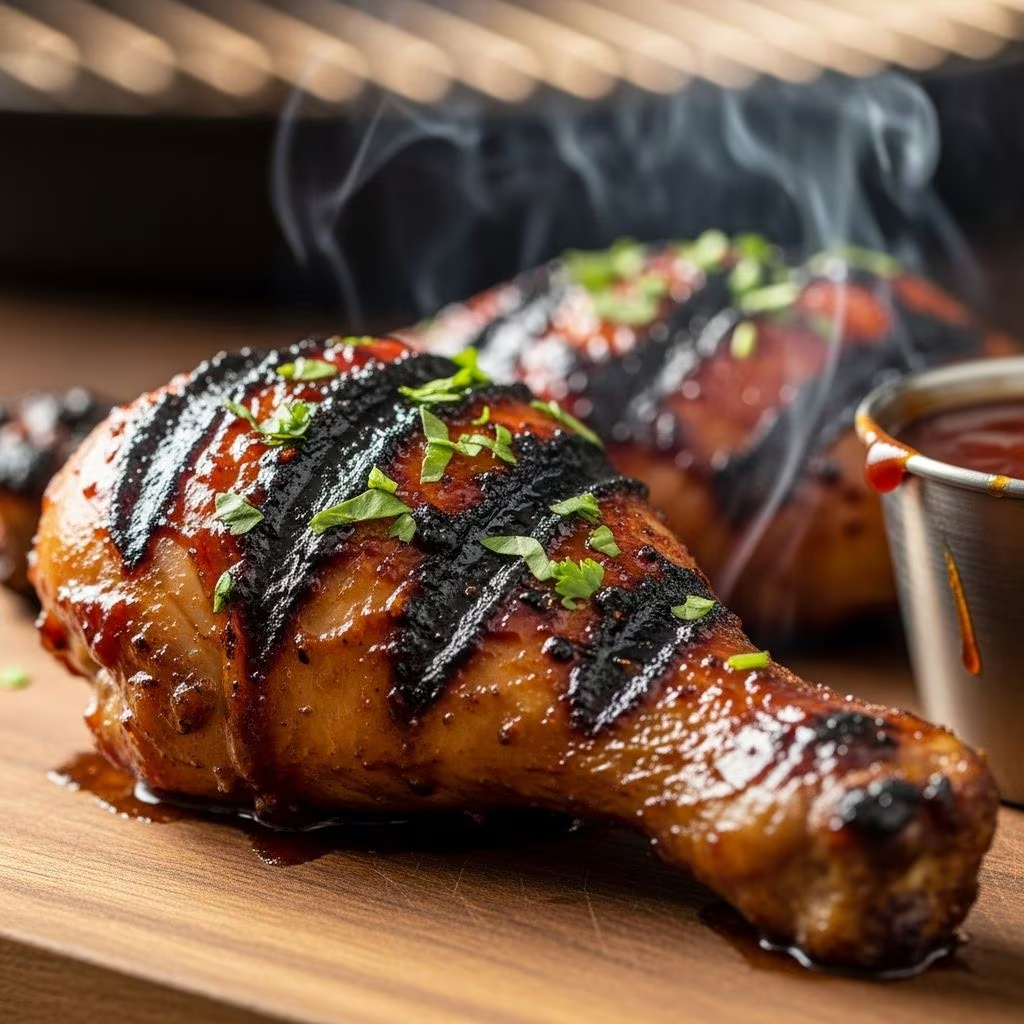
The allure of sticky barbecue chicken lies in its combination of smoky depth, sweet caramelization, and succulent meat that practically falls off the bone. Achieving this balance requires understanding the interplay between marinade composition, cooking temperature, and technique. Whether you’re preparing dinner for your family or hosting a backyard gathering, mastering this classic dish transforms your cooking repertoire.
Understanding the Foundation of Flavor
The secret to exceptional sticky barbecue chicken begins with creating a robust flavor base. A well-crafted marinade serves dual purposes: it tenderizes the meat while infusing it with complex flavors that develop and intensify during cooking. The most effective marinades combine acidic elements, sweeteners, and savory components that work in concert to break down muscle fibers and create depth.
Acidic ingredients like vinegar varieties or citrus juices penetrate the chicken’s protein structure, beginning the tenderizing process within minutes of contact. When combined with natural sugars from honey, brown sugar, or fruit preserves, these acidic components create the foundation for that coveted sticky glaze. The Maillard reaction—the chemical process where proteins and sugars combine under heat to create new flavor compounds—is what transforms these ingredients into a deeply caramelized coating.
Essential Marinade Components and Customization
Building an effective marinade doesn’t require exotic ingredients. A versatile base combines soy sauce for umami depth, vinegar for acidity and tang, and honey or sugar for sweetness and glaze development. From this foundation, endless variations emerge based on personal preference and available ingredients.
- Soy Sauce: Provides saltiness and umami while helping tenderize the meat through enzymatic action
- Balsamic or Apple Cider Vinegar: Adds acidity for tenderizing and complex flavor notes
- Honey or Brown Sugar: Creates sweetness and promotes caramelization during cooking
- Garlic and Ginger: Contribute pungency and warmth that complements barbecue spice profiles
- Worcestershire or Soy Sauce: Deepen savory notes and add fermented complexity
- Hot Sauce or Chili Flakes: Introduce heat and spicy dimensions for those who prefer bolder profiles
- Mustard: Adds tanginess and acts as an emulsifier to bind ingredients
Customization is one of the greatest advantages of making marinade from scratch. Add fresh herbs like parsley or cilantro, incorporate dried spices such as paprika or cayenne, or experiment with unexpected additions like apricot jam for fruity complexity. The marinade’s versatility ensures you can adapt it to match your taste preferences and available pantry items.
Food Safety Considerations in Marinade Preparation
A critical aspect of marinade preparation often overlooked by home cooks involves maintaining separate portions for different purposes. The marinade that has contacted raw chicken should never be used as a finishing glaze or basting sauce. This prevents potential cross-contamination and foodborne illness.
Best practice involves dividing your marinade into two portions: the larger portion for marinating raw chicken, and a smaller reserved portion kept separate and refrigerated for use as a basting glaze during cooking. This simple step maintains food safety while allowing you to achieve that beautiful glossy coating that defines sticky barbecue chicken.
Selecting the Optimal Chicken Cuts
Not all chicken cuts perform equally when preparing sticky barbecue chicken. The choice of cut significantly impacts cooking time, texture, and the quality of caramelization you can achieve.
| Chicken Cut | Cooking Time | Best For | Caramelization Quality |
|---|---|---|---|
| Boneless Skinless Thighs | 6-8 minutes grilling | Quick weeknight meals | Good, but limited |
| Bone-in Skin-on Thighs | 8-12 minutes grilling | Superior flavor development | Excellent |
| Drumsticks | 12-15 minutes grilling | Crowd-pleasing gatherings | Very Good |
| Chicken Breasts | 6-8 minutes grilling | Leaner protein preference | Fair |
Bone-in, skin-on chicken thighs represent the gold standard for sticky barbecue chicken preparation. The extended cooking time allows marinades to fully infuse the meat while the skin protects the thighs from drying out. The fat content in thighs creates a tender, juicy result that boneless breasts cannot match. Additionally, the skin provides a superior surface for glaze caramelization, creating that signature sticky, glossy appearance.
Drumsticks offer an excellent alternative, particularly for gatherings where guests appreciate finger-friendly options. While they require slightly longer cooking times than thighs, the results justify the extra minutes. Boneless chicken thighs cook quickly but may not allow sufficient time for the glaze to caramelize properly, resulting in a less desirable texture and appearance.
Marinating Techniques and Timing
The duration of marinating significantly influences flavor development and tenderization. While some recipes suggest overnight marination, substantial flavor development occurs within two to four hours. Even a thirty-minute marinade imparts noticeable flavor, though longer periods allow deeper penetration.
For optimal results, follow this marination timeline:
- 30 minutes: Surface flavor development; suitable for quick meals
- 2-4 hours: Moderate flavor infusion with noticeable tenderizing effects
- Overnight (8-12 hours): Maximum flavor development and optimal tenderization
- Beyond 12 hours: Risk of over-marinating; acidic components may begin breaking down texture excessively
Always marinate chicken in the refrigerator, never at room temperature, to prevent bacterial growth. Use glass bowls or food-safe plastic bags, ensuring the marinade completely covers all chicken pieces. If using plastic bags, squeeze out excess air and turn occasionally to ensure even coverage.
Cooking Methods and Temperature Management
Sticky barbecue chicken can be prepared through multiple cooking methods, each offering distinct advantages. The choice depends on your available equipment, time constraints, and flavor preferences.
Grilling Method
Grilling imparts smoky depth and creates beautiful caramelization on the chicken’s exterior. Preheat your grill to medium heat, then oil the grates to prevent sticking. Allow excess marinade to drip from chicken pieces before placing them on the grill. Cook for approximately four minutes until the first side achieves a golden-brown color with light char marks, then flip. Brush the now-exposed side with your reserved glaze and cook for another four minutes. Continue flipping and glazing every few minutes during the final cooking stages, building layers of sticky coating.
Oven Baking Method
Baking offers convenience and reliability for consistent results without the need for outdoor space or weather considerations. Preheat your oven to 400°F (204°C). Arrange chicken pieces skin-side up on a baking sheet, season the skin with your spice mixture, and drizzle with oil. Bake for approximately 40 minutes, then remove from the oven and brush generously with your glaze mixture. Return to the oven for the remaining 35 minutes of cooking. For additional caramelization, finish with a brief broil session in the final minutes.
Pan-Searing Method
For quick preparations or smaller portions, pan-searing on the stovetop delivers excellent results. Heat oil in a large skillet over medium-high heat, then add chicken pieces skin-side down. Sear for 3-4 minutes until the skin crisps and browns, then flip. Reduce heat to medium and continue cooking while basting with glaze every few minutes until the chicken reaches an internal temperature of 165°F (74°C).
Achieving Perfect Glaze Caramelization
The hallmark of exceptional sticky barbecue chicken is a thick, glossy glaze that clings to the meat while providing caramelized sweetness and depth. Achieving this requires understanding sugar behavior during cooking and applying glaze at the correct timing.
Begin glaze application only after the chicken has cooked sufficiently to develop a protective crust. Applying glaze too early can cause burning before the interior reaches safe temperatures. Brush glaze onto the chicken, then flip immediately to avoid over-concentration on one side. Repeat this process every few minutes during the final cooking stages, creating multiple thin layers rather than one thick coating. This layered approach develops superior texture and prevents burning while building an attractive sheen.
The glaze should reach a thick consistency before application. If your glaze seems too thin, simmer it on the stovetop for several minutes to reduce and concentrate the sugars. A thicker glaze adheres better to the chicken and caramelizes more effectively than watery mixtures.
Frequently Asked Questions
How long should chicken marinate before cooking?
Chicken can benefit from marination periods ranging from 30 minutes to overnight. While even brief marinating improves flavor, four to eight hours provides optimal balance between taste development and texture. Avoid marinating beyond 12 hours, as excessive acid exposure may adversely affect the meat’s structure.
Can I use the raw chicken marinade as a finishing glaze?
No. Always reserve a separate portion of marinade before adding raw chicken to avoid cross-contamination risks. Never use marinade that has contacted raw poultry as a glaze or sauce. This practice is essential for food safety.
What’s the difference between bone-in and boneless chicken for this recipe?
Bone-in chicken thighs retain more moisture and develop superior flavor through the bones and skin. Boneless versions cook faster but may not allow sufficient time for optimal glaze caramelization. Bone-in pieces deliver more tender, juicy results with better texture.
How do I know when the chicken is fully cooked?
Use an instant-read thermometer to verify internal temperature reaches 165°F (74°C) at the thickest part of the meat, not touching bone. This ensures food safety while preventing overcooking that can result in dry, tough chicken.
Can I make sticky barbecue chicken indoors?
Yes. Oven baking and stovetop pan-searing both produce excellent sticky barbecue chicken without outdoor equipment. Oven-baked versions may lack the smoky depth that grilling provides, but proper glaze application and broiling can create satisfying caramelization and flavor.
Serving Suggestions and Complementary Sides
Sticky barbecue chicken pairs beautifully with classic sides that complement its sweet and savory profile. Creamy mashed potatoes provide contrast to the rich glaze, while roasted corn adds sweetness and texture. Coleslaw offers fresh crunch and acidity to balance the sticky coating. Consider pickled vegetables for authentic takeaway-inspired accompaniments, or serve alongside rice for a lighter option.
Garnishing with chopped fresh herbs, sesame seeds, or thinly sliced green onions adds visual appeal and final flavor notes. These simple additions elevate the presentation while providing complementary tastes that tie the dish together.
Conclusion: Elevating Your Barbecue Game
Mastering sticky barbecue chicken requires understanding the interaction between marinades, cooking techniques, and glaze application. By selecting quality cuts, maintaining food safety protocols, and applying strategic cooking methods, you can consistently prepare restaurant-quality chicken that impresses family and guests alike. Whether grilled, baked, or pan-seared, the principles remain consistent: build flavor through marinades, protect moisture with appropriate cuts, and layer glaze systematically for perfect caramelization. With these techniques in your culinary toolkit, every barbecue occasion becomes an opportunity to showcase your expertise.
References
- Safe Food Handling: Marinades and Basting Sauces — U.S. Department of Agriculture Food Safety and Inspection Service. 2024. https://www.fsis.usda.gov/food-safety/safe-food-handling-and-preparation