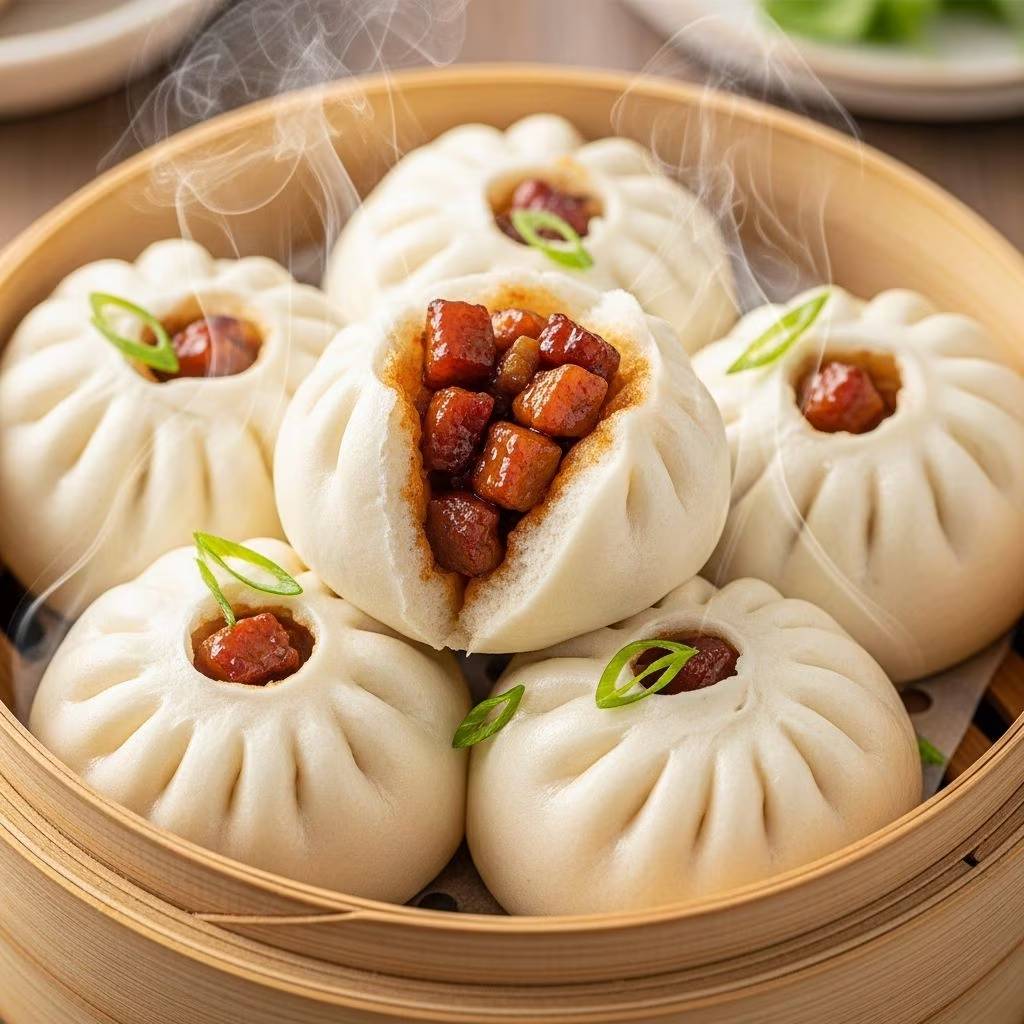
Steamed barbecue pork buns represent one of the most beloved dishes in Chinese dim sum cuisine. These pillowy, cloud-like pockets of dough encase a savory and slightly sweet barbecue pork filling that delights the palate. Creating these buns at home may seem intimidating, but with the right techniques and understanding of the process, anyone can achieve bakery-quality results in their own kitchen.
Understanding the Traditional Origins
These iconic buns, known as char siu bao in Cantonese, have been a staple of dim sum services throughout Asia for generations. The dish emerged from Guangdong province, where the combination of sweet and savory flavors reflects the region’s culinary philosophy. The name “char siu” literally translates to “fork-roasted,” referring to the traditional method of roasting the pork over an open flame. Over time, this preparation has evolved, and home cooks now have multiple approaches to creating the filling without specialized equipment.
Essential Ingredients for Success
The Dough Foundation
The dough serves as the canvas for this dish, requiring precision in ingredient selection and measurement. The foundation begins with all-purpose flour, which provides structure to the buns. Cornstarch plays a critical role in achieving the characteristic tender crumb that distinguishes exceptional bao from dense, heavy versions. Active dry yeast brings the dough to life through fermentation, creating the lift and texture that defines these buns.
Warm water activates the yeast and hydrates the flour, while a modest amount of sugar feeds the yeast and adds subtle sweetness. Baking powder, added during the second stage of dough preparation, provides additional lift and contributes to the fluffy texture. Finally, a small quantity of neutral oil contributes tenderness and prevents the dough from drying out during the resting periods.
The Savory Filling Components
The filling demands cooked barbecue pork, which can be purchased pre-prepared or made from scratch using pork shoulder and traditional char siu sauce. The pork should be tender and capable of shredding into fine pieces that distribute evenly throughout the buns.
The sauce component combines several layers of umami and subtle sweetness:
- Oyster sauce contributes deep, briny notes
- Soy sauce provides saltiness and additional umami
- Dark soy sauce intensifies color and adds complexity
- Sesame oil introduces aromatic nutty qualities
- Sugar balances the savory elements with gentle sweetness
- Chicken or vegetable stock creates a flavorful liquid base
- Cornstarch transforms the liquid into a thick, binding sauce
Aromatics including finely chopped onions or shallots form the flavor foundation, while a small amount of oil facilitates the cooking process.
Preparing the Dough: A Two-Stage Process
Initial Mixing and First Rise
Begin by dissolving active dry yeast in warm water, allowing several minutes for the yeast to activate and bloom. Meanwhile, sift together the flour and cornstarch to eliminate lumps and promote even hydration. Combine the yeast mixture with the flour blend, adding sugar and oil. Using an electric mixer fitted with a dough hook or mixing by hand, blend these components until a smooth, cohesive dough forms.
Once the dough achieves a smooth consistency, cover it with a damp cloth or plastic wrap and allow it to rest undisturbed for approximately ninety minutes to two hours. During this period, the yeast ferments, producing gases that create countless tiny air pockets throughout the dough. This resting period is non-negotiable for achieving the characteristic fluffy texture.
Second Stage Activation
After the initial rise, incorporate the baking powder into the dough using the mixer on the lowest setting. If the dough appears dry or the baking powder resists incorporation, add one to two teaspoons of water to ease the process. Gently knead until smoothness returns, then cover and allow a fifteen-minute rest. This briefer resting period allows the baking powder to distribute evenly and prepares the dough for shaping.
Creating the Flavorful Pork Filling
Building Layers of Flavor
While the dough rises, prepare the filling by heating oil in a wok or large skillet over medium-high heat. Add the finely chopped onions or shallots, stirring constantly for approximately one minute until they become fragrant and begin to soften. Reduce the heat to medium-low and introduce the sauce components: sugar, light and dark soy sauce, oyster sauce, and sesame oil. Allow these to cook together, stirring occasionally, until the mixture begins to bubble gently.
At this point, add the chicken or vegetable stock and allow the mixture to reach a simmer. This step develops the sauce’s depth and permits the flavors to meld. In a small bowl, combine cornstarch with a small amount of cold water to create a slurry. Slowly pour this mixture into the simmering sauce while stirring constantly. The sauce will thicken noticeably, transforming from a thin liquid into a glossy, gel-like consistency that clings to the pork.
Incorporating the Protein
Once the sauce achieves the desired thickness, remove the pan from heat and fold in the cooked barbecue pork. Ensure each piece becomes coated thoroughly with the sauce. Transfer the filling to a shallow bowl and allow it to cool completely before using. If preparing the filling in advance, cover it and refrigerate to prevent moisture loss.
Shaping and Proofing the Buns
Divide the rested dough into ten equal portions, rolling each into a smooth ball. Using a rolling pin or your hands, flatten each ball into a disc approximately three inches in diameter and slightly thicker at the edges than in the center. This shape facilitates even cooking and provides structure to contain the filling.
Place approximately one and a half tablespoons of the cooled filling in the center of each disc. Gather the edges of the dough upward and toward the center, pinching and pleating to seal the filling inside. The bun should resemble a small pouch with a small opening at the top. Arrange each shaped bun on a small square of parchment paper, as this prevents sticking to the steamer basket.
Allow the shaped buns to rest for thirty minutes at room temperature. During this proofing period, they will puff slightly and become lighter. The dough should feel soft and springy when gently pressed.
Steaming Techniques for Optimal Results
Setting Up the Steamer
Fill a wok, large pot, or steamer base with water until approximately one-third full. For traditional bamboo steamers, some cooks add a tablespoon of white vinegar to prevent the dough from developing a yellowish tinge. Bring the water to a vigorous boil over high heat before introducing the buns.
Place the steamer basket or rack above the water, ensuring the water does not contact the buns directly. If using a bamboo steamer, arrange the proofed buns with adequate spacing—approximately one to two inches between each—to allow room for expansion during cooking. Cover the steamer with its lid and place a kitchen towel over the rim to trap steam effectively.
The Steaming Process
Steam the buns over medium-high to high heat for ten to twelve minutes, depending on the steamer size and configuration. The buns are finished when they appear puffy and soft, with a slightly cracked appearance at the top. The exterior should feel light and airy rather than dense or wet.
Remove the steamed buns immediately from the steamer using tongs or a slotted spoon, placing them on a rack to cool slightly. This brief cooling prevents condensation from accumulating on the bottom, which can create a soggy texture.
Troubleshooting Common Challenges
| Challenge | Probable Cause | Solution |
|---|---|---|
| Dense, Heavy Buns | Insufficient fermentation or expired yeast | Extend initial rise time; verify yeast freshness before using |
| Buns Collapse After Steaming | Overproofing or excessive steam exposure | Reduce proofing time; decrease steaming duration by one minute |
| Soggy Bottom Crust | Parchment paper retained too long or cooled on steamer | Remove parchment immediately after steaming; cool on rack |
| Filling Leaking During Cooking | Inadequate sealing or filling too warm when filling buns | Ensure thorough pleating and sealing; allow filling to cool completely |
| Yellowish Tint on Dough | Mineral content in water or steam condensation | Add white vinegar to steaming water; cover steam vents effectively |
Storage and Make-Ahead Strategies
Freshly steamed buns are best consumed within a few hours, though they maintain quality for up to one day when stored in an airtight container at room temperature. For longer storage, place cooled buns in freezer-safe bags and freeze for up to three months. Reheat frozen buns by steaming for approximately five minutes over medium heat until warmed through.
The filling can be prepared up to two days in advance and stored in the refrigerator in a covered container. The dough can be prepared through the first rise, then refrigerated overnight. Allow it to return to room temperature and proceed with the second rise before shaping. This flexibility permits strategic meal planning and reduces time pressure on serving day.
Frequently Asked Questions
Can I use instant yeast instead of active dry yeast?
Yes, instant yeast works effectively as a substitute. Use the same quantity called for in the recipe, though the dough may rise slightly faster. Instant yeast possesses finer granules that activate more quickly than active dry yeast.
What if I don’t have a bamboo steamer?
Metal steamers, silicone steamer baskets, or even a colander positioned above a pot of boiling water work perfectly. The key requirement is elevating the buns above the boiling water while containing the steam effectively.
Can the filling incorporate vegetables?
Traditional char siu bao features pork exclusively, but variations incorporating diced bell peppers, mushrooms, or water chestnuts have gained popularity. These additions should be cooked until tender before combining with the pork to ensure even cooking during steaming.
How do I prevent the dough from drying out?
Always cover the dough with a damp cloth or plastic wrap during resting periods. This retains moisture and prevents a skin from forming on the surface, which would compromise texture.
Is it necessary to use parchment paper during steaming?
While not absolutely essential, parchment paper prevents the dough from adhering to the steamer basket or bamboo mat, making removal significantly easier. Small squares of wax paper or silicone baking mats serve the same purpose.
References
- Steamed BBQ Pork Buns (Char Siu Bao) Recipe — The Woks of Life. Accessed April 2026. https://thewoksoflife.com/steamed-bbq-pork-buns-char-siu-bao/
- Steamed BBQ Pork Buns (Char Siu Bao) — Eat, Little Bird. Accessed April 2026. https://eatlittlebird.com/steamed-bbq-pork-buns-char-siu-bao/
- Easy No Knead Char Siu Bao (Steamed BBQ Pork Buns) — Nut Free Wok. Accessed April 2026. https://nutfreewok.com/char-siu-bao-steamed-bbq-pork-buns/
- The Hirshon Cantonese Cha Siu Bao (Steamed BBQ Pork Buns) — The Food Dictator. Accessed April 2026. https://www.thefooddictator.com/the-hirshon-cantonese-cha-siu-bao-steamed-bbq-pork-buns/
- Cha Siu Bao (叉烧包): Chinese Steamed BBQ Pork Buns — Seonkyoung Longest. Accessed April 2026. https://seonkyounglongest.com/bbq-pork-buns/
- Char Siu Bao (BBQ Pork Buns, 叉烧包) — Red House Spice. Accessed April 2026. https://redhousespice.com/char-siu-bao/