The cabbage has experienced a remarkable culinary transformation in recent years, evolving from a humble pantry staple into a celebrated feature on upscale restaurant menus. What was once relegated to coleslaw and side salads now commands attention as a sophisticated main dish or premium vegetable accompaniment. The steakhouse preparation method exemplifies this elevation, showcasing how proper cooking techniques, thoughtful seasoning, and strategic garnishes can turn an inexpensive ingredient into something genuinely remarkable.
This style of preparation draws inspiration from traditional steakhouse cuisine, where vegetables receive the same care and attention as proteins. By understanding the fundamentals of this cooking approach, home cooks can recreate restaurant-quality results in their own kitchens without requiring specialized equipment or expertise.
Understanding the Steakhouse Approach to Cabbage
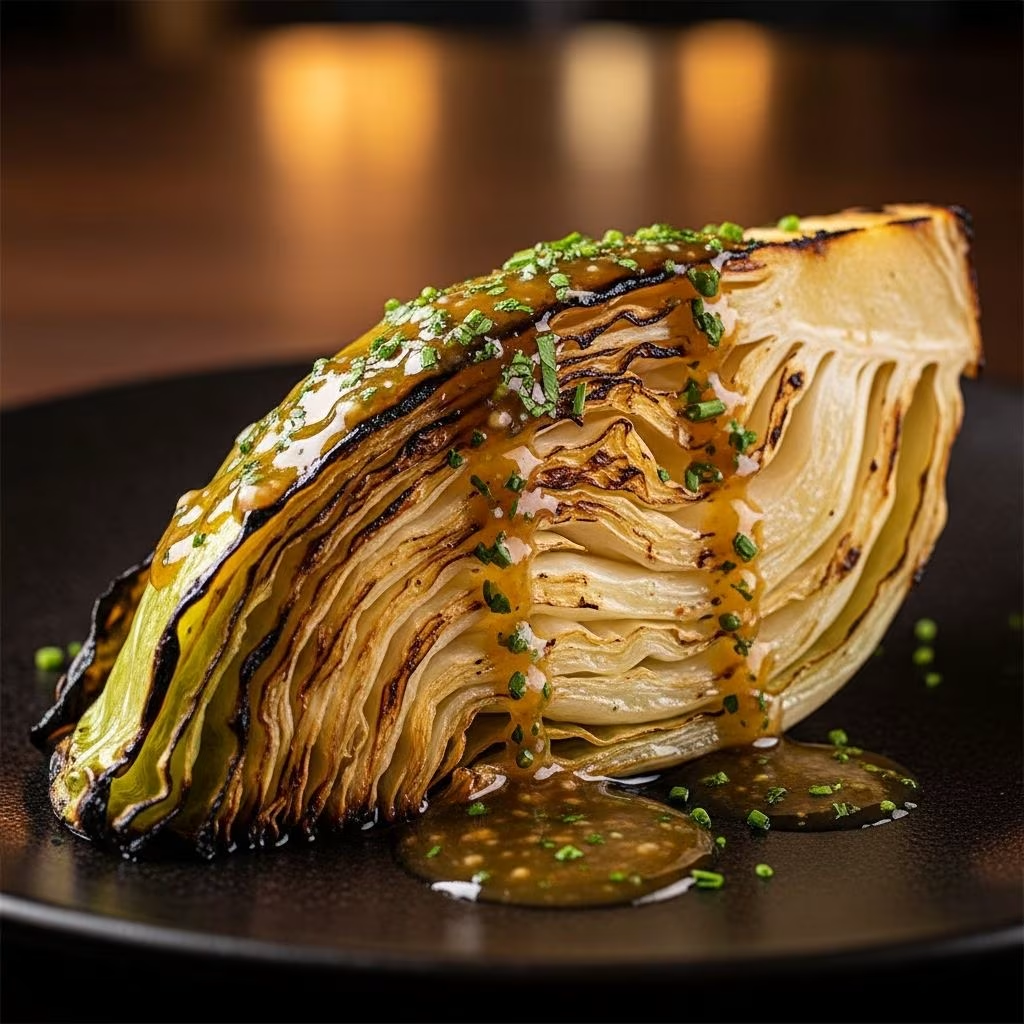
Steakhouse-style cabbage differs fundamentally from everyday cabbage preparation. Rather than shredding the vegetable for slaws or chopping it for stews, this method involves cutting the cabbage into thick wedges or cross-sectional slices that maintain structural integrity throughout cooking. These substantial pieces become the foundation for caramelization, allowing the outer leaves to develop a flavorful, crispy exterior while the interior remains tender.
The philosophy behind this approach centers on maximizing texture contrast. The charred, caramelized exterior provides depth and complexity, while the inner portion retains moisture and subtle sweetness. This textural interplay creates a more sophisticated eating experience than traditional cabbage preparations offer. The cooking technique also allows for even browning and controlled development of flavor compounds through the Maillard reaction, the chemical process responsible for browning in foods.
Selecting and Preparing Your Cabbage
Success with steakhouse-style cabbage begins with quality ingredient selection. Choose a firm, compact head of cabbage without significant blemishing or loose outer leaves. Green cabbage remains the most traditional choice for steakhouse preparation, though red cabbage offers an attractive visual alternative. The size of your cabbage matters considerably; a medium-to-large head provides the best proportion for cutting substantial steaks or wedges.
Preparation requires a sharp knife and careful technique. Begin by removing any damaged outer leaves and examining the cabbage for quality. Place the cabbage on a cutting board with the root end facing upward. Trim the base slightly to create a flat, stable surface, but avoid removing too much of the core, as this structural element holds the wedges together during cooking.
Slice the cabbage vertically into pieces ranging from one-half to one inch in thickness. The precise thickness depends on your preferred outcome: thinner slices cook more quickly and develop more caramelization, while thicker wedges retain more interior moisture and develop a more dramatic contrast between crispy exterior and tender interior. Most preparations target approximately one-inch thickness as the optimal balance.
The Foundation: Oil and Seasoning Strategy
The oil selection influences both flavor and cooking performance. Extra-virgin olive oil provides traditional flavor and health benefits, though it has a lower smoke point than some alternatives. Avocado oil or refined vegetable oils offer higher smoke points, enabling more aggressive heat and greater browning potential. Many professional preparations employ a combination approach, using a higher-heat oil for initial cooking and finishing with a premium oil for flavor.
Seasoning presents another critical decision point. Basic salt and pepper provide foundational flavor that allows the cabbage’s natural sweetness to shine. Garlic powder adds umami depth without introducing moisture that might inhibit browning. Some preparations incorporate smoked paprika, cayenne pepper, or other spice blends for additional complexity. The key principle involves applying seasoning to both sides of each wedge before cooking, ensuring even flavor distribution.
Application technique matters as much as ingredient selection. Rather than sprinkling seasoning directly onto dry cabbage, brushing or drizzling oil across the surface first helps seasonings adhere properly and distribute evenly. This approach prevents uneven flavor distribution and ensures consistent results across multiple wedges.
Cooking Methods and Temperature Control
The primary cooking method for steakhouse cabbage involves oven-roasting at high temperatures. Most recipes recommend preheating to between 400 and 425 degrees Fahrenheit, creating an environment hot enough to develop significant caramelization within a reasonable timeframe. The high heat triggers the Maillard reaction effectively while the oven’s dry heat environment allows moisture to evaporate from the outer leaves.
Initial cooking typically requires 20 to 30 minutes, at which point the bottom surfaces should display visible browning and charring. Rotating the baking sheet halfway through the cooking time ensures even heat distribution and uniform browning across all wedges. After the initial cooking period, flipping the wedges allows the opposite side to develop similar caramelization.
Total cooking time generally ranges from 35 to 50 minutes, depending on wedge thickness, oven characteristics, and desired tenderness level. The cabbage is finished when the outer leaves display significant browning and charring, while the interior remains tender enough to cut easily with a fork. The texture should involve a pleasant contrast between crispy, flavorful edges and yielding, slightly sweet interior portions.
Enhanced Preparations and Gourmet Toppings
The true distinction of steakhouse-style cabbage emerges through thoughtful topping selections that transform the finished vegetable into something truly restaurant-caliber. These additions provide flavor contrast, textural variety, and visual appeal.
Blue Cheese Preparations: Whipped blue cheese represents the classic steakhouse topping, directly referencing the famous blue cheese wedge salad served in high-end restaurants. The pungent, salty character of blue cheese contrasts beautifully with cabbage’s subtle sweetness. Some preparations involve mixing blue cheese with sour cream or yogurt to create a creamier consistency that adheres better to the cabbage surface. Others simply crumble cold blue cheese directly onto hot cabbage, allowing it to partially melt while maintaining some structural integrity.
Protein and Textural Elements: Crispy bacon pieces provide essential textural contrast and savory depth. Cook bacon until distinctly crispy, then crumble it into bite-sized pieces shortly before serving. Crispy fried onions offer similar textural benefits with a slightly sweet undertone. These elements should be added immediately before service to maintain their crispness.
Fresh Herbaceous Components: Green onions or scallions provide fresh, sharp flavor that cuts through the richness of creamy toppings and the sweetness of roasted cabbage. Chop them into thin rings, incorporating both white and green portions. Fresh parsley adds mild herbaceous notes and visual appeal. Cherry tomatoes, halved to expose their interior, contribute acidity and vibrant color.
Dressing Variations: A lemon-Dijon dressing offers bright acidity and subtle complexity. Combine mayonnaise with extra-virgin olive oil, fresh lemon juice, Dijon mustard, minced garlic, and chopped parsley for a versatile topping. This dressing works equally well on roasted cabbage steaks or as an accompaniment for diners to apply according to personal preference.
Integrated Protein Approaches
While cabbage typically functions as a vegetable side, creative preparations incorporate proteins directly into the dish, creating complete meals rather than accompaniments. One notable approach combines sliced steak directly with cabbage in a skillet preparation, allowing the proteins and vegetables to cook together and share flavors.
These preparations typically begin by searing thin slices of sirloin or similar tender cuts in a hot, oiled skillet until largely cooked. The meat is then set aside while shredded cabbage and sliced onions cook in the same pan, picking up flavorful browned bits from the meat’s cooking process. The steak returns to the pan for final integration, with soy sauce or other umami-rich seasonings tying the components together. These one-pan preparations complete in under 30 minutes while delivering substantial flavor and nutritional value.
Presentation and Serving Suggestions
Visual presentation significantly impacts the dining experience, particularly for dishes intended to replicate steakhouse-quality preparations. Individual steaks or wedges should be arranged on the plate with intent, using negative space effectively. Toppings should be distributed thoughtfully rather than applied haphazardly; segregating components slightly—placing blue cheese on one portion, bacon on another, and fresh herbs as a garnish—creates visual interest and allows diners to experience different flavor combinations within the same dish.
Temperature considerations affect both preparation and service. The cabbage should be hot or at least warm when topped with cold components like crumbled blue cheese or fresh herbs. This temperature differential creates pleasant sensory variety while preventing condensation that would soften textural elements like bacon or crispy onions.
Portion sizing depends on whether cabbage functions as a side dish or main course. A single substantial steak or wedge per person serves as an impressive steakhouse-style side accompanying grilled proteins. For vegetarian-focused meals or lighter dining, two to three steaks per person with generous topping coverage provides adequate satiation.
Common Preparation Challenges and Solutions
Achieving consistent results requires understanding and managing potential issues. Uneven browning often results from inadequate heat or failure to rotate the cooking vessel. Ensure your oven is fully preheated and use an oven thermometer to verify actual temperature rather than trusting dial readings. Rotating the baking sheet halfway through cooking distributes heat more evenly.
Wedges that remain excessively tender with insufficient browning indicate either inadequate temperature or insufficient cooking time. Increase oven temperature by 25 degrees and extend cooking time by five to ten minutes. Some wedges may require additional time beyond the standard range; monitor them closely toward the end of cooking and remove individual pieces once they reach desired doneness rather than waiting for all pieces to finish simultaneously.
Burnt outer leaves with undercooked interiors suggest excessive heat combined with insufficient cooking time. Reduce oven temperature slightly and increase total cooking duration. The covered roasting technique—roasting under foil for the first 20 minutes, then uncovered for the remainder—addresses this issue by allowing gentle cooking initially followed by aggressive browning in the final stage.
Flavor Development Through Technique
Understanding the science behind flavor development elevates results considerably. The Maillard reaction, responsible for browning in foods, creates hundreds of new flavor compounds through interactions between amino acids and sugars. This chemical process requires sufficient heat, adequate time, and low moisture conditions—all achieved through proper oven-roasting technique.
Salt affects this process significantly. Applied properly, salt draws moisture from the cabbage surface, creating conditions more favorable for browning. However, excessive salt or improper application can prevent browning by maintaining excessive surface moisture. The optimal approach involves seasoning after oiling, using moderate salt quantities distributed evenly.
Acids introduced through finishing touches—whether through lemon juice, vinegar-based dressings, or fresh herbs—enhance perceived flavor by providing contrast and complexity. These acidic elements should be added late in the preparation process, ideally at service, to prevent their volatilization during extended heating.
Nutritional Considerations and Health Benefits
Beyond flavor and texture, steakhouse-style cabbage preparations offer genuine nutritional advantages. Cabbage provides substantial fiber for digestive health while remaining relatively low in calories. The roasting process doesn’t significantly diminish cabbage’s nutritional profile, particularly its vitamin C and K content. When prepared with high-quality oils and reasonable topping quantities, this preparation method delivers nutrition alongside culinary satisfaction.
The addition of blue cheese, bacon, and other traditional steakhouse toppings increases caloric and fat content considerably compared to plain roasted cabbage. However, these are often employed as accent flavors rather than the primary component, allowing dishes to provide luxury and satisfaction without excessive nutritional density.
Seasonal and Storage Considerations
Cabbage’s availability throughout the year makes steakhouse preparation possible regardless of season. However, cabbage quality and sweetness can vary with growing conditions and harvest timing. Cabbages harvested in cooler months typically develop higher sugar content, resulting in more pronounced sweetness during roasting.
Storage matters for optimal preparation. Select firm heads without soft spots or significant blemishing. Stored properly in cool conditions, quality cabbage remains suitable for preparation for several weeks. Once cut, prepared wedges should be cooked promptly rather than stored, as cut surfaces oxidize and lose quality over time.
References
- Roasted Cabbage Steaks — California Grown. Accessed April 9, 2026. https://californiagrown.org/recipes/roasted-cabbage-steaks/
- Cabbage Steaks Recipe — Love and Lemons. Accessed April 9, 2026. https://www.loveandlemons.com/cabbage-steaks/
- Steak and Cabbage Skillet — Soup Addict. Accessed April 9, 2026. https://soupaddict.com/steak-cabbage-skillet/
- Roasted Cabbage Steaks & Lemon-Dijon Dressing — Gelson’s. Accessed April 9, 2026. https://www.gelsons.com/recipes/view/roasted-cabbage-steaks-lemon-dijon-dressing
- Steakhouse Cabbage with Whipped Blue Cheese — Food Wishes. Accessed April 9, 2026. https://www.youtube.com/watch?v=L0w0q5PU8c8