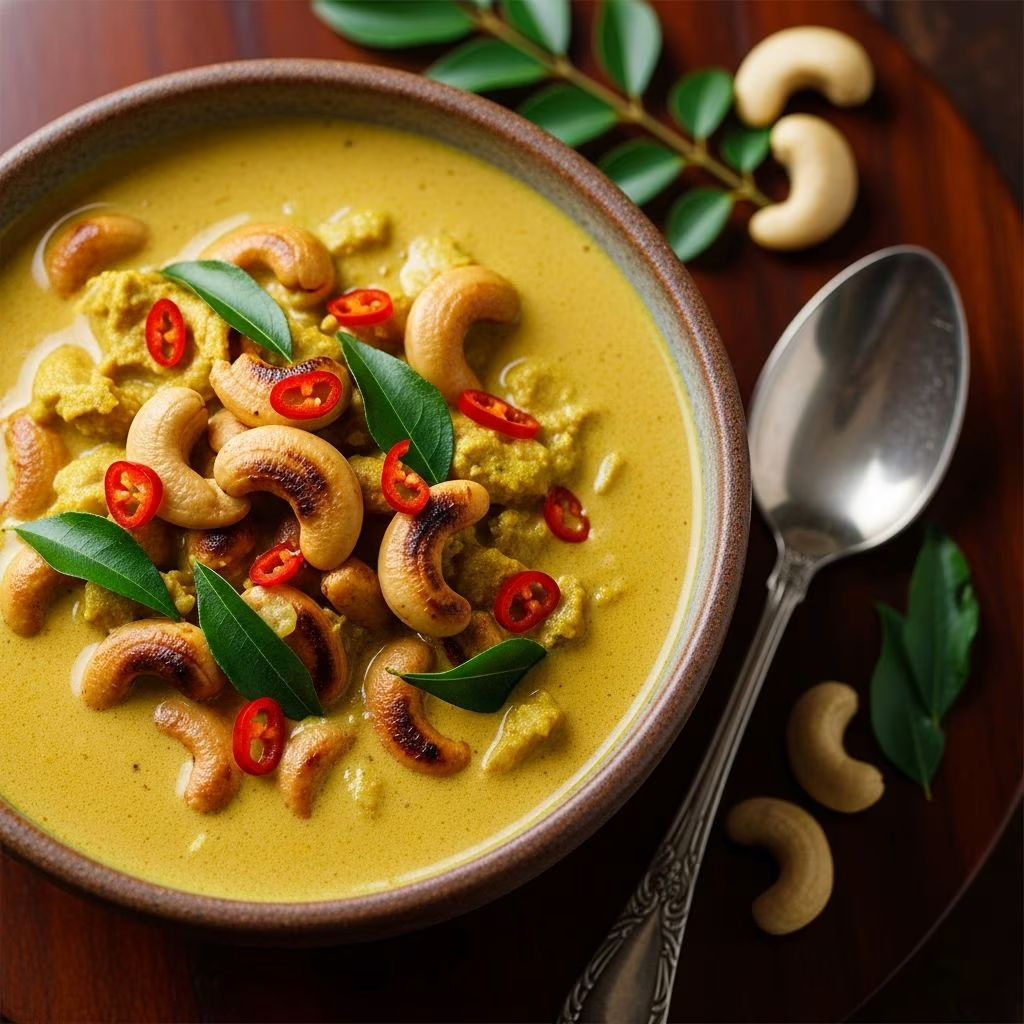
Sri Lankan cuisine showcases a remarkable blend of aromatic spices, coconut-based gravies, and carefully balanced flavors that have captivated food enthusiasts worldwide. Among the most celebrated dishes in this culinary tradition is the cashew curry, known locally as kaju maluwa. This elegant vegetarian preparation transforms humble cashew nuts into a luxuriously creamy dish that serves as both a weeknight staple and an impressive addition to festive meals. The beauty of this curry lies not only in its rich, buttery texture but also in the sophisticated interplay of warming spices and fresh aromatics that make it distinctly memorable.
Understanding the Essence of Cashew Curry
Cashew curry represents a cornerstone of Sri Lankan vegetarian cooking, celebrated for its versatility and relatively straightforward preparation despite its sophisticated flavor profile. Unlike many curries that rely on multiple ingredients for complexity, this dish achieves depth through the careful selection and toasting of spices combined with the natural richness of soaked cashew nuts and coconut milk. The curry’s defining characteristic is its thick, clinging sauce that coats each soft cashew in pure flavor, creating a textural contrast between the creamy exterior and tender interior of the nuts.
Traditional preparations maintain this dish’s vegan and gluten-free nature, making it accessible to those with dietary restrictions while appealing to those seeking plant-based protein sources. The dish has evolved over generations, with modern interpretations sometimes incorporating additional vegetables such as peas, chickpeas, or sweetcorn to add nutritional value and textural variety. Whether served as part of a festive celebration or a simple weeknight dinner, cashew curry demonstrates how fundamental cooking principles—proper soaking, patient spice tempering, and precise timing—elevate simple ingredients into something extraordinary.
Selecting and Preparing Your Cashew Nuts
The foundation of any exceptional cashew curry begins with sourcing quality raw cashew nuts. Raw, unsalted cashews deliver superior flavor compared to roasted varieties, as they absorb the surrounding spices more effectively and develop a buttery texture when cooked. When selecting cashews, look for nuts that are pale, uniform in color, and free from visible blemishes or discoloration. Fresh cashews should carry a subtle, pleasant aroma rather than any musty or rancid smell.
The soaking process, often overlooked in rushed cooking, represents a critical preparation step that fundamentally transforms the final dish. Soaking cashews overnight—or for a minimum of 12 to 24 hours—accomplishes multiple objectives simultaneously. First, it hydrates the nuts, allowing them to absorb moisture and become tender during the subsequent cooking process. Second, the extended soak time removes antinutrients and facilitates better digestive absorption of the nutrients contained within the nuts. Third, it creates an opportunity to develop flavor by adding salt to the soaking liquid, which seasons the cashews from within rather than relying solely on surface-level seasoning.
While some modern adaptations allow for abbreviated soaking times of 20 minutes to 1 hour, these shorter durations compromise the textural and flavor development that distinguishes exceptional curry from adequate curry. The patient cook who respects the overnight soak will notice a marked difference in the final dish’s creaminess and depth.
Essential Spices and Flavor-Building Aromatics
Sri Lankan cashew curry draws its distinctive character from a carefully curated spice profile that combines both ground spice blends and whole spices. Understanding these components allows cooks to adjust proportions according to personal preference and heat tolerance.
The Core Spice Components
- Sri Lankan Curry Powder: This proprietary blend typically combines turmeric, coriander, cumin, and fenugreek. Unlike generic curry powders, authentic Sri Lankan varieties emphasize warmth and earthiness while maintaining subtle sweetness. When purchasing curry powder, check packaging dates and source from specialty retailers that maintain high turnover to ensure freshness.
- Turmeric Powder: Beyond adding golden color, turmeric contributes anti-inflammatory properties and a subtle earthy undertone. The amount used should be carefully calibrated to avoid overpowering other spices.
- Cumin and Fennel Seeds: When toasted and freshly ground, these seeds release aromatic essential oils that cannot be replicated by pre-ground versions. The toasting process activates their natural compounds, intensifying their warming character.
- Cayenne or Chilli Powder: This ingredient determines the curry’s heat level. Conservative cooks begin with modest amounts, tasting as they progress and adding additional heat only when desired.
- Cinnamon and Cardamom: These warming spices add complexity and subtle sweetness that balances the earthier notes from other ingredients.
Fresh Aromatics and Flavor Enhancers
Beyond ground spices, fresh aromatics provide the immediate sensory appeal that distinguishes home-cooked curry from store-bought versions. Curry leaves, which can be sourced fresh from Indian or Asian markets or purchased dried, contribute a distinctive herbal note that is distinctly Sri Lankan. Garlic, ginger, and onions form the foundational flavor base that, when properly sautéed until softened and fragrant, create the aromatic base upon which all subsequent layers build.
Lemongrass, when available, adds a subtle floral citrus note that brightens the rich coconut milk base. Similarly, a small piece of cinnamon stick simmered throughout cooking provides continuous flavor release rather than the concentrated burst from ground cinnamon. Bay leaves or fresh curry leaves should be added during the sautéing stage to allow their essential oils to infuse the cooking medium before other ingredients arrive.
Mastering the Cooking Process
Stage One: Building the Aromatic Foundation
Begin by heating oil—preferably coconut oil for authentic flavor, though neutral oils work adequately—in a medium to large saucepan over medium heat. Add finely diced onions and cook, stirring frequently, until they transition from opaque to translucent and develop slight golden edges. This stage typically requires 3 to 5 minutes and should not be rushed, as the caramelization that begins here creates deeper, more complex flavors.
Add finely chopped garlic, grated ginger, and curry leaves or bay leaves to the softened onions. Continue cooking for an additional 1 to 2 minutes, stirring constantly to prevent garlic from browning, which would introduce undesirable bitter notes. The mixture should become increasingly fragrant, signaling that essential oils have been released and distributed throughout the cooking medium.
Stage Two: Introducing Spices
Add your dry spice blend—whether using individual toasted and ground spices or prepared curry powder—along with turmeric and any other ground spices called for in your chosen recipe. Cook this mixture for 30 to 60 seconds, stirring constantly. This brief but important stage, known as blooming the spices, allows the spices to toast slightly in the hot oil, which deepens their flavors and distributes them throughout the cooking medium before the addition of wet ingredients.
Stage Three: Cooking the Cashews
Add your drained, soaked cashew nuts to the spice mixture and stir thoroughly to coat each nut with the fragrant spice paste. Cook for 2 to 3 minutes, stirring frequently to ensure even coating and prevent sticking to the pan bottom. At this stage, you may notice the cashews beginning to soften further and the mixture becoming increasingly fragrant as the spices penetrate the nut interior.
Stage Four: Introducing Coconut Milk and Simmering
Add coconut milk—preferably full-fat for maximum creaminess—and stir thoroughly to combine. For those using pressure cookers, this is the appropriate stage to seal and cook under pressure until 5 whistles are achieved, then allow natural pressure release. For stovetop cooking, bring the mixture to a gentle simmer and reduce heat to low. Cover partially and allow to simmer for 10 to 15 minutes, stirring occasionally to prevent the bottom from catching and burning.
The curry will gradually thicken as the coconut milk reduces and the cashews release their natural oils and starches into the sauce. The texture should progress from a loose gravy to a thick, clinging sauce that coats the back of a spoon. Depending on your preferred consistency, continue simmering until the desired thickness is achieved.
Stage Five: Final Adjustments and Serving
Taste the curry and adjust salt as needed, remembering that salt added during the soaking stage has already provided a baseline of seasoning. Some recipes call for the addition of coconut cream or additional coconut milk in the final minutes for enhanced creaminess, while others prefer to finish with a sprinkle of roasted curry powder or fresh cilantro for aroma and visual appeal. Allow the curry to rest for a few minutes before serving, which allows flavors to meld and the dish to achieve its optimal texture.
Recipe Variations and Ingredient Substitutions
| Component | Traditional Option | Modern Variation | Notes |
|---|---|---|---|
| Protein | Cashews only | Cashews + chickpeas, peas, or sweetcorn | Additional vegetables add nutrition and texture |
| Fat Base | Coconut oil | Ghee, olive oil, or neutral vegetable oil | Affects flavor profile and dietary considerations |
| Coconut Product | Full-fat coconut milk | Coconut milk + coconut cream blend | Higher cream content increases richness |
| Heat Level | Moderate spice with cayenne | Mild or extra-hot depending on preference | Adjust chilli powder to taste |
| Optional Elements | Curry leaves and cinnamon | Lemongrass, ginger, or additional aromatics | Enhances complexity and freshness |
Serving Suggestions and Accompaniments
Cashew curry reaches its full potential when paired thoughtfully with complementary dishes. Basmati rice, jasmine rice, or fragrant jasmine-scented varieties provide an ideal neutral base that absorbs the rich sauce without competing for attention. For a more substantial meal, serve alongside roti, naan, or paratha flatbreads that allow diners to scoop and enjoy the curry.
Traditional Sri Lankan dining often includes multiple curries consumed simultaneously, with cashew curry’s rich creaminess benefiting from the contrast of spicier, tangier, or fresher accompaniments. A bright green mango curry or apple-based curry provides acidic counterpoint, while fried papadums offer textural contrast and a vehicle for scooping curry. Fresh cilantro leaves scattered across the finished dish add herbaceous brightness and visual appeal.
Storage, Make-Ahead, and Reheating Considerations
Cashew curry stores remarkably well, with flavors actually deepening and mellowing when refrigerated for 24 to 48 hours. Allow the curry to cool completely before transferring to airtight containers, which will keep it fresh for up to four days in the refrigerator. For longer storage, freeze the curry in portions for up to three months, though the texture may shift slightly upon thawing due to the coconut milk separating.
Reheating frozen curry should occur slowly and gently over low heat, with the addition of a splash of coconut milk or water to restore the original sauce consistency. Avoid high-heat reheating, which can cause the coconut milk to break and the sauce to become grainy.
Frequently Asked Questions
Can I use roasted cashews instead of raw cashews?
While roasted cashews can technically be used, they produce inferior results. Raw cashews absorb spice flavors more effectively and develop a superior tender texture. Additionally, roasted cashews have already undergone heat treatment, which can lead to over-softening when simmered in sauce.
What if I don’t have access to fresh curry leaves?
Dried curry leaves work adequately, though they contribute less fragrant impact than fresh varieties. Alternatively, bay leaves provide similar structural flavor without the exact herbaceous character. Use approximately one bay leaf for every eight curry leaves called for in the recipe.
How can I make this curry less creamy?
Reduce the amount of coconut milk or substitute a portion with vegetable broth or water. Some recipes naturally create thicker, drier curries through extended simmering that reduces the sauce to a cling consistency rather than a pourable gravy.
Is this curry naturally vegan and gluten-free?
Yes, when prepared with plant-based oils instead of ghee and verified curry powder that contains no additives or gluten-containing ingredients. Always read ingredient labels carefully to confirm gluten-free status, as some curry powder blends may contain additives.
What cooking vessels work best for this curry?
A medium saucepan with heavy bottom works well for stovetop cooking, preventing burning and ensuring even heat distribution. Pressure cookers significantly reduce cooking time while producing tender, flavorful results. Avoid reactive vessels such as aluminum, which can interact with the turmeric and create off-flavors.
References
- Creamy Cashew Curry (Vegan) — The Flavor Bender. Accessed April 2026. https://www.theflavorbender.com/sri-lankan-creamy-cashew-curry-vegan/
- Sri Lankan Cashew Curry — My Darling Lemon Thyme. Accessed April 2026. https://www.mydarlinglemonthyme.com/2018/11/sri-lankan-cashew-curry
- Sri Lankan Cashew Curry — Hungry Lankan. Accessed April 2026. https://www.hungrylankan.com/recipes/sri-lankan-cashew-curry/