As temperatures rise and fresh produce becomes abundant at farmers markets, spring offers the perfect opportunity to move away from heavy winter comfort foods and embrace lighter, fresher casserole options. Casseroles remain a beloved choice for home cooks because they combine convenience, flavor, and the ability to feed a crowd without requiring hours of preparation. This collection of spring-inspired casserole recipes demonstrates that this classic one-dish meal format adapts beautifully to seasonal ingredients, allowing you to create satisfying dinners that celebrate the best of spring produce.
Why Spring Casseroles Stand Out
Spring casseroles offer a unique advantage during the warmer months. Unlike their heavier winter counterparts loaded with cream and cheese, spring versions incorporate fresh vegetables, lighter proteins, and brighter flavor profiles that complement the season’s culinary character. The beauty of spring cooking lies in using ingredients at their peak ripeness and nutritional value, which naturally enhances both the taste and nutritional content of any dish.
The transition from winter to spring cooking doesn’t mean abandoning the convenience of casserole-style meals. Instead, it means reimagining how these dishes showcase seasonal produce. Fresh asparagus, tender peas, young carrots, leafy greens, and spring onions all bring vibrant colors and delicate flavors to casserole dishes. When combined with lean proteins and lighter binding sauces, these ingredients create meals that feel both nourishing and satisfying without the heaviness associated with cold-weather cooking.
Essential Ingredients for Spring Casseroles
Building a successful spring casserole starts with understanding which ingredients work best during this season. Rather than relying on frozen vegetables or canned ingredients, spring cooking rewards the home cook who takes time to select fresh, quality produce.
- Fresh Vegetables: Asparagus, peas, carrots, zucchini, bell peppers, and spring onions form the foundation of most spring casseroles. These vegetables contribute both flavor and nutritional value while their bright colors make dishes visually appealing.
- Lean Proteins: Chicken breast, turkey, fish, and seafood work beautifully in spring casseroles. These lighter proteins pair naturally with fresh vegetables without overwhelming delicate spring flavors.
- Dairy Components: Greek yogurt, light cream, or reduced-fat cheese can replace heavy cream in traditional recipes, providing richness while keeping calories and fat content moderate.
- Grains and Pasta: Whole grain pasta, rice, or breadcrumb toppings add substance and texture to spring casseroles without making them feel too heavy.
- Seasonings: Fresh herbs like dill, tarragon, chives, and parsley complement spring vegetables naturally. Lemon zest and garlic add brightness without requiring heavy cream-based sauces.
Vegetable-Forward Casserole Designs
One approach to spring casseroles involves building recipes around the season’s most abundant vegetables. These vegetable-focused casseroles work well for vegetarian diners while still satisfying meat-eaters when paired with grilled or roasted proteins on the side.
Asparagus-based casseroles celebrate one of spring’s most anticipated vegetables. Tender asparagus spears layer beautifully with light béchamel sauce, toasted breadcrumbs, and hard cheeses. The slight earthiness of asparagus pairs unexpectedly well with dill and lemon, creating a dish that tastes elegant yet requires minimal active cooking time.
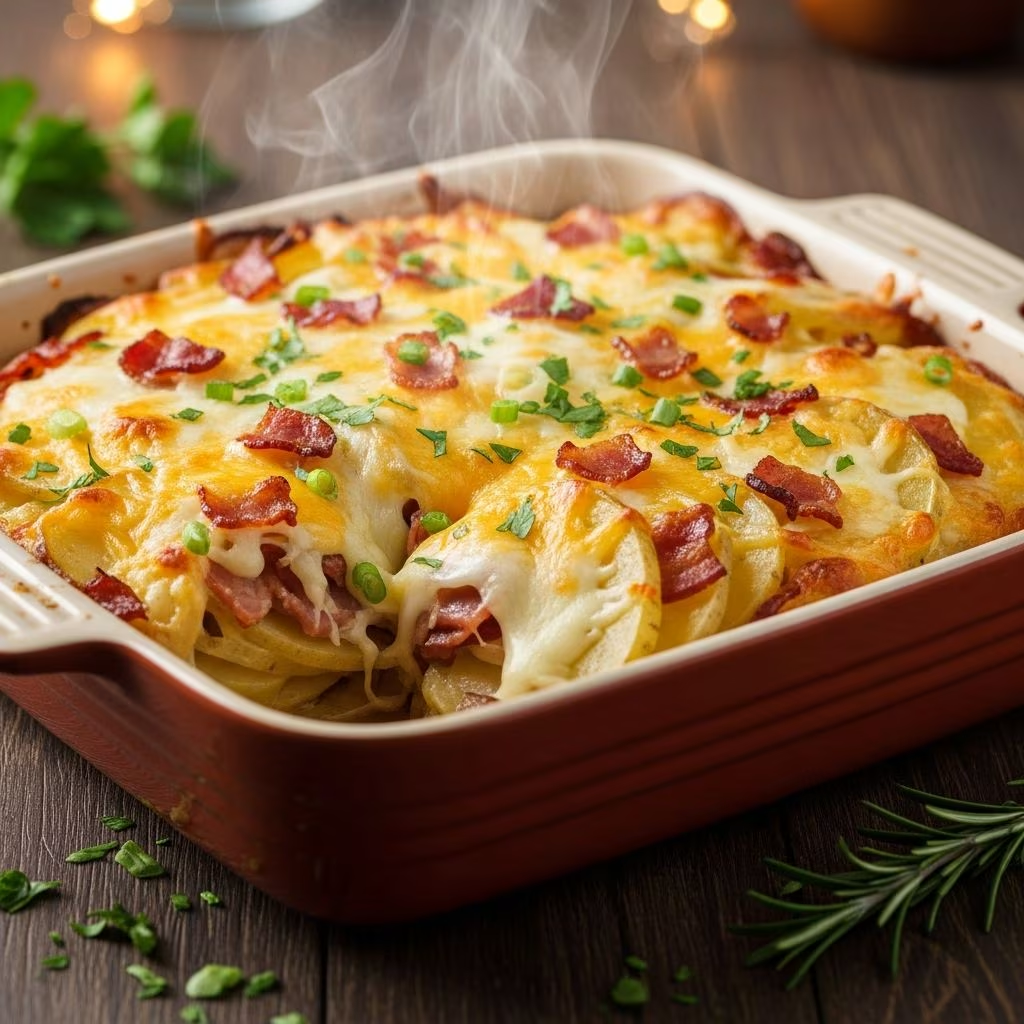
Carrot casseroles move beyond the typical side dish by transforming this humble vegetable into the star of a complete meal. Young spring carrots, with their tender texture and subtle sweetness, work particularly well in gratins where they layer with potatoes and light cream sauce. Adding fresh thyme or rosemary brings complexity without requiring additional cooking steps.
Spring greens, including spinach, chard, and kale, incorporate easily into casseroles and provide nutritional density. These tender greens wilt quickly, so layering them raw into casseroles works well—they cook perfectly in the oven while the dish bakes. Combining spring greens with cheese, breadcrumb toppings, and roasted onions creates a side dish that rivals traditional vegetable preparations.
Protein Integration Strategies
While vegetable casseroles satisfy many appetites, adding protein creates complete meals requiring no additional side dishes. Spring proteins pair most successfully with light sauces that don’t mask their delicate flavors.
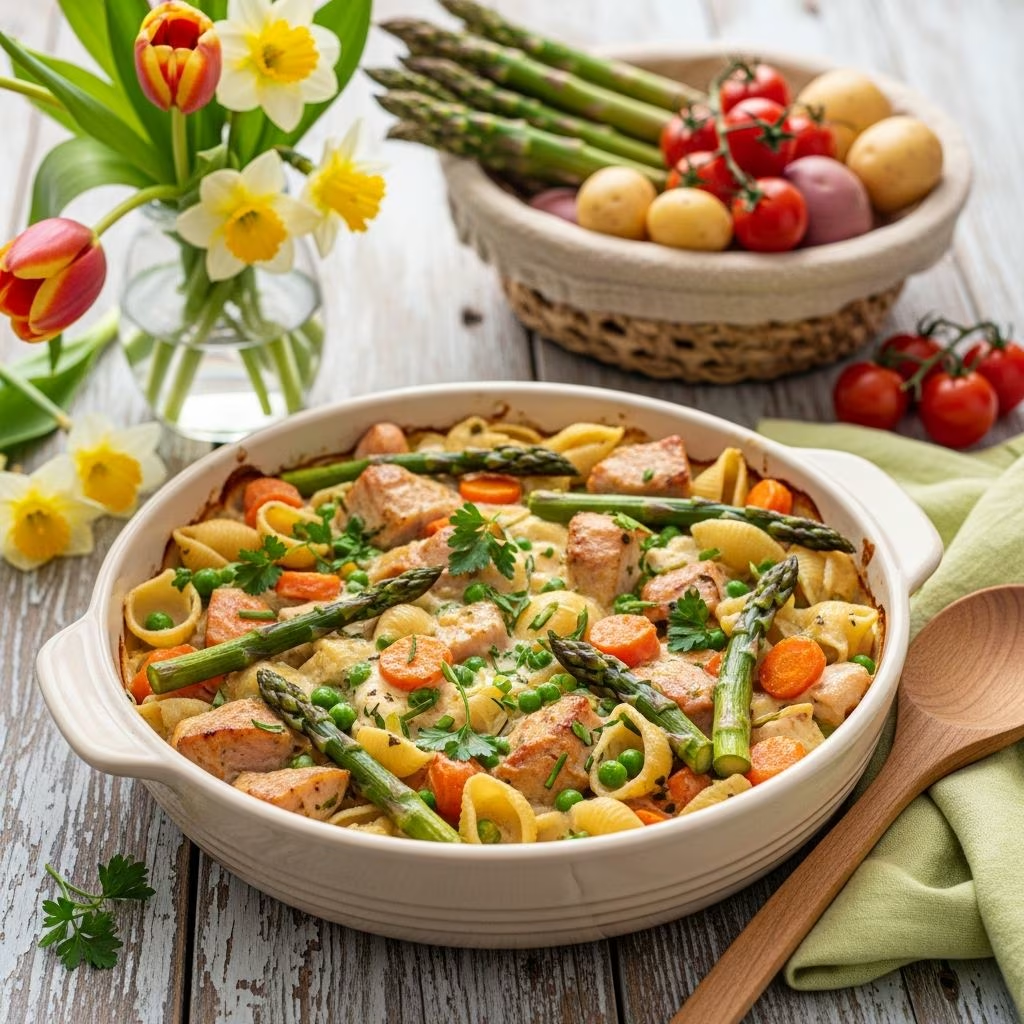
Poultry-based spring casseroles remain popular choices for weeknight cooking. Shredded chicken combines with fresh vegetables and light binding sauces to create satisfying dishes that cook in under an hour. Ground turkey works similarly well, browning quickly and absorbing spring flavors without adding excessive fat. These proteins work especially well when combined with pasta shapes that capture and hold lighter sauces.
Fish and seafood casseroles represent another spring option worth exploring. Salmon, cod, and shrimp all incorporate naturally into casserole formats, particularly when paired with spring vegetables like peas, asparagus, and tender green beans. These protein options cook quickly, so managing cooking times becomes important to prevent overcooking delicate seafood.
For those seeking meat-based options, ground lamb or lean beef work in spring casseroles, particularly when seasoned with Mediterranean herbs that align with spring flavor profiles. Keeping meat portions moderate and balancing them with generous vegetable quantities maintains the light, fresh character of spring cooking.
Sauce and Binding Techniques
The sauce component distinguishes successful spring casseroles from those that fall flat. Rather than relying exclusively on heavy cream-based sauces, spring recipes benefit from lighter approaches that allow vegetable and protein flavors to shine.
White wine-based sauces add sophistication and brightness to spring casseroles. A simple reduction of white wine, chicken or vegetable broth, and fresh herbs creates a flavorful liquid that binds ingredients while adding complexity. This approach works particularly well with seafood and chicken preparations.
Tomato-based sauces bring acidity and freshness to spring casseroles. Using fresh tomatoes when available, or quality canned tomatoes, creates sauce that tastes vibrant rather than heavy. Adding fresh basil, garlic, and a touch of olive oil rounds out flavors without requiring cream or excessive cheese.
Light béchamel made with low-fat milk or half-and-half provides the classic binding necessary for casserole success without the heaviness of traditional versions. Using equal parts butter and flour (a roux) to thicken milk creates a smooth sauce that doesn’t require large quantities of cream.
Yogurt-based sauces offer another lighter option for binding casserole ingredients. Greek yogurt mixed with broth, mustard, and herbs creates a tangy sauce that adds richness without heavy cream. This approach works especially well with Mediterranean-inspired spring casseroles.
Topping Strategies and Finishing Touches
Casserole toppings contribute significant textural and flavor elements to finished dishes. Spring casseroles benefit from toppings that add crunch and visual appeal without overwhelming delicate flavors.
Breadcrumb toppings provide textural contrast and visual interest. Combining panko breadcrumbs with melted butter, fresh herbs, and grated cheese creates a topping that browns beautifully and adds satisfying crunch. Keeping topping quantities moderate prevents them from overwhelming the vegetables and proteins beneath.
Cheese toppings work well when chosen thoughtfully. Hard cheeses like Parmesan add flavor in smaller quantities, while softer cheeses can be scattered across the top to create creamy pockets as they melt. Limiting cheese quantity maintains the fresh character spring casseroles should possess.
Fresh herb garnishes applied after baking add brightness and visual appeal. Dill, tarragon, chives, and parsley scattered across finished casseroles introduce fresh flavor notes that feel particularly appropriate for spring cooking.
Preparation Tips for Success
Mastering spring casserole preparation requires attention to details that affect both cooking time and final results. Proper technique ensures casseroles cook evenly while vegetables maintain appropriate texture.
- Prep vegetables appropriately before assembling casseroles. Cut items to similar sizes so they cook at the same rate, preventing some vegetables from becoming mushy while others remain undercooked.
- Parboil or blanch vegetables that require longer cooking than others will receive in the oven. This technique ensures all ingredients reach optimal texture simultaneously.
- Assemble casseroles in advance and refrigerate them before baking. This approach provides convenience for busy weeknights while allowing flavors to meld during resting time.
- Use appropriate baking dishes that conduct heat evenly. Glass and ceramic dishes work better than metal for most casserole recipes.
- Cover casseroles during most of the baking time to prevent excessive browning and ensure even cooking. Uncover during the final minutes to achieve desired browning on toppings.
- Allow casseroles to rest for several minutes after removing from the oven. This resting period allows the binding sauce to set slightly, making serving cleaner and more elegant.
Flavor Combinations Worth Exploring
Spring casserole success comes partly from thoughtful flavor pairing. Understanding which seasonings and ingredients work together naturally streamlines recipe development and ensures satisfying results.
Mediterranean-inspired combinations using olive oil, garlic, tomatoes, and fresh herbs create casseroles that taste bright and sophisticated. Incorporating these elements with spring vegetables creates dishes that feel appropriate for entertaining as well as everyday meals.
Asian-influenced flavor profiles incorporating ginger, soy sauce, sesame oil, and fresh cilantro work beautifully in spring casseroles featuring cabbage, snap peas, and carrots. These flavor combinations create casseroles that feel fresh and different from traditional Western versions.
French-inspired preparations emphasizing white wine, herbs like tarragon and chervil, and light cream sauces create elegant casseroles perfect for special occasions. These sophisticated flavor combinations prove casseroles need not be casual weeknight fare.
Garden-fresh herb combinations using dill, parsley, chives, and tarragon celebrate spring’s abundance. These herbs pair naturally with tender vegetables and light proteins, creating casseroles that taste fresh without requiring complex techniques.
Frequently Asked Questions
Can spring casseroles be made ahead?
Yes, most spring casseroles benefit from advance preparation. Assembling casseroles several hours before baking allows flavors to develop and blend naturally. Refrigerate assembled casseroles covered with plastic wrap, then bake as directed, adding a few extra minutes to cooking time if baking directly from refrigeration.
How should leftover spring casseroles be stored?
Store leftover casseroles in airtight containers in the refrigerator for up to three days. Reheat gently in a 350-degree oven, covered, to prevent overcooking and maintain texture. Most spring casseroles freeze well for up to two months, though vegetable texture may change slightly upon thawing.
What vegetables work best in spring casseroles?
Spring vegetables including asparagus, peas, carrots, zucchini, bell peppers, and spring onions work beautifully. Choose vegetables at their peak ripeness and tender stage for optimal flavor and texture. Avoid overripe or mushy vegetables that may disintegrate during baking.
Can dairy-free substitutions work in spring casseroles?
Yes, plant-based cream alternatives, nutritional yeast, and dairy-free cheese substitutes work in spring casseroles. Adjust proportions slightly as plant-based products sometimes behave differently than traditional dairy, but the results remain satisfying and delicious.
How do I prevent spring casseroles from drying out?
Ensure adequate sauce or binding liquid in your recipe—the mixture should appear somewhat wet before baking. Cover casseroles during most of the baking time, uncovering only near the end to achieve topping browning. Don’t overbake; remove casseroles from the oven when center is set but still slightly moist.
Seasonal Serving Suggestions
Spring casseroles pair well with light side dishes and beverages that complement their fresh character. A simple green salad dressed with lemon vinaigrette balances richer casserole components beautifully. Crusty bread remains appropriate for soaking up light sauces, while fresh fruit desserts conclude meals appropriately.
For beverages, white wines with good acidity work naturally with spring casseroles, while sparkling water with fresh herbs offers a non-alcoholic option. Iced herbal teas provide another refreshing pairing choice.
Spring casseroles work wonderfully for entertaining, as most can be assembled ahead and baked just before serving. This make-ahead capacity makes them ideal for dinner parties, family gatherings, and casual entertaining where hosts want to spend more time with guests than in the kitchen.
References
- Nutrition and Wellness: The Complete Guide to Healthy Eating — Academy of Nutrition and Dietetics. 2024. https://www.eatright.org
- Seasonal Cooking and Produce Selection — United States Department of Agriculture. 2025. https://www.usda.gov/media/blog
- Food Safety Guidelines for Home Cooking — United States Food and Drug Administration. 2024. https://www.fda.gov/food