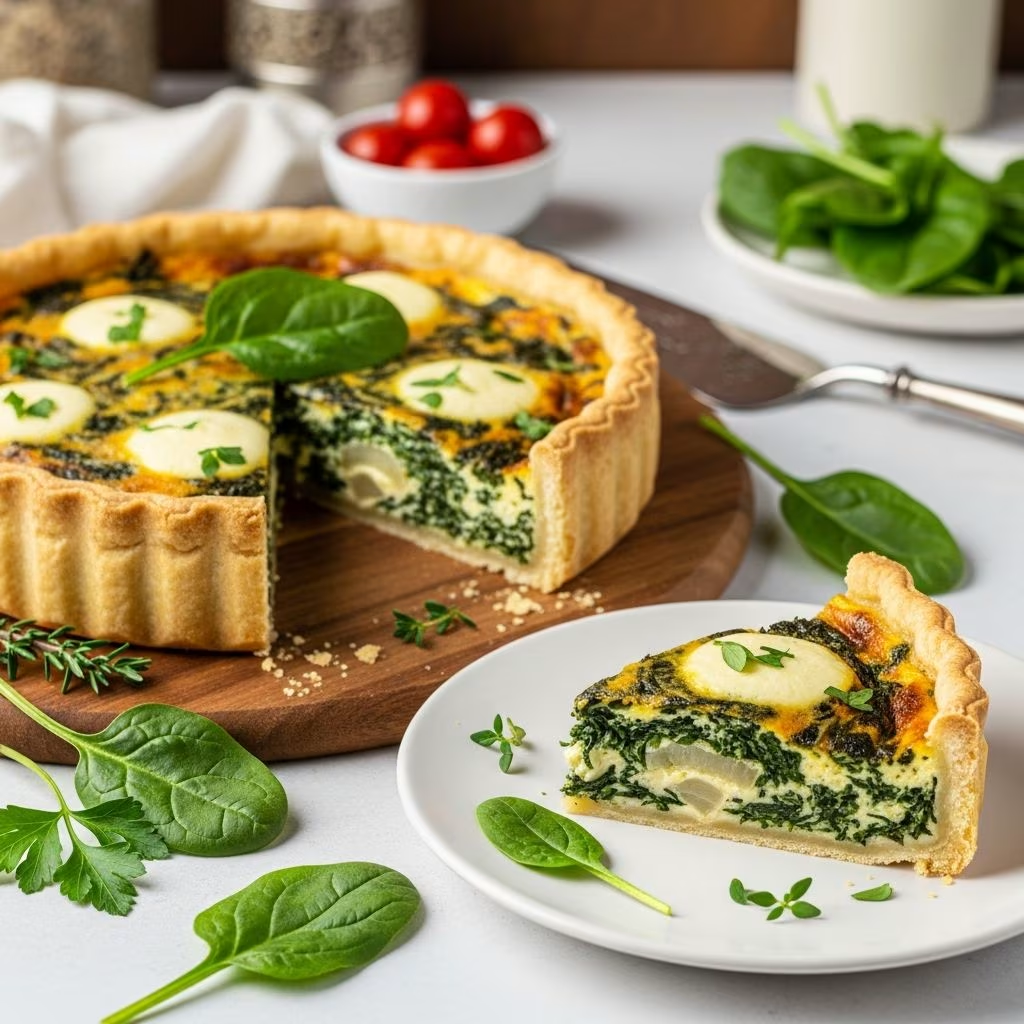
Spinach quiche stands as a timeless dish that combines the richness of egg custard with the nutritional benefits of leafy greens, creating a versatile meal suitable for breakfast, brunch, or even light dinner occasions. This savory pastry-based dish has earned its place in both casual home kitchens and upscale dining establishments due to its elegant presentation and satisfying flavor profile. Understanding the fundamentals of quiche preparation enables home cooks to create restaurant-quality versions within their own kitchens.
Understanding the Foundation: The Pie Crust
The foundation of any exceptional quiche begins with the pie crust, which serves both functional and aesthetic purposes. The crust provides structural support for the delicate custard filling while contributing a buttery, flaky texture that contrasts beautifully with the creamy interior. When selecting a pie crust, home cooks have multiple options ranging from store-bought frozen crusts for convenience to homemade versions crafted from scratch for enhanced flavor and texture control.
Preparation of the pie crust requires careful attention to prevent sogginess, a common issue in quiche preparation. The blind baking process involves partially baking the crust before adding the filling, which helps seal the surface and prevents moisture absorption. This technique typically involves preheating the oven to 375°F, pricking the crust with a fork to allow steam to escape, and baking for approximately 10 minutes until the edges begin to set but the bottom remains light in color. This preliminary baking step proves essential for achieving the desired textural contrast between crust and filling.
The Spinach: Selection and Preparation
Spinach serves as the primary vegetable component, offering nutritional value, color, and distinctive flavor characteristics to the finished quiche. Both fresh and frozen spinach work effectively in quiche preparation, each offering distinct advantages. Fresh spinach delivers a delicate taste and vibrant green color, while frozen spinach provides convenience and consistent availability throughout the year.
The preparation method significantly impacts the final quiche quality. Raw fresh spinach requires cooking and wilting before incorporation into the custard filling, typically accomplished by sautéing in butter or olive oil with aromatic vegetables such as onions, garlic, or shallots. This cooking process develops deeper flavors while removing excess moisture that could compromise the quiche’s texture. Frozen spinach demands thorough thawing and aggressive moisture removal—the key step that many home cooks overlook. Properly processed frozen spinach should be squeezed repeatedly in small batches using cheesecloth or a fine mesh strainer until virtually all liquid has been extracted. This step prevents the finished quiche from becoming waterlogged and ensures a properly set custard.
When incorporating spinach into the filling, layering matters. Most recipes recommend spreading the cooked spinach as an even layer across the partially baked crust, allowing the flavorful vegetable to distribute evenly throughout each slice. This approach also helps prevent spinach from floating upward during baking, ensuring consistent texture and appearance in the final product.
The Custard Foundation: Eggs and Dairy
The custard filling represents the heart of any quiche, determining its overall creaminess, richness, and structural integrity. This component typically consists of beaten eggs combined with dairy products, seasonings, and optional ingredients like cheese and vegetables. The proportion of eggs to dairy significantly influences the final texture—insufficient eggs result in a filling that fails to set properly, while excessive eggs can create a dense, rubbery texture.
Standard quiche recipes typically employ a ratio of approximately 6 to 8 eggs per quiche, mixed with liquid dairy ranging from ½ to 1¼ cups depending on the desired consistency and richness. Home cooks can choose from several dairy options, each contributing unique characteristics:
- Half-and-half: Offers a balanced richness and fat content, creating a custard that is creamy without being overly heavy
- Heavy cream: Produces an exceptionally rich, luxurious filling with superior creaminess and indulgent mouthfeel
- Milk: Creates a lighter custard when used exclusively, though often combined with heavier dairy for improved texture
- Sour cream: Adds tangy flavor notes and contributes to a denser, more substantial custard
Whisking the egg and dairy mixture thoroughly ensures proper emulsification, creating a uniform, smooth custard base. The mixing process should continue until no visible streaks of egg white remain, indicating complete incorporation. Some home cooks prefer using a blender for this step, as the appliance creates an exceptionally smooth, aerated mixture that bakes into a particularly tender custard.
Flavor Enhancement: Cheese and Seasonings
Cheese selection dramatically influences the quiche’s flavor profile and richness. Different cheese varieties contribute distinct taste notes and textural characteristics. Gruyère cheese, a classic choice for traditional French-style quiches, offers nutty, complex flavors and melts smoothly into the custard. Cheddar cheese provides sharp, familiar flavors beloved in American-style preparations. Feta and goat cheese introduce tangy, bright notes that pair beautifully with spinach’s earthy character. Combining multiple cheese varieties creates layered, sophisticated flavor profiles that elevate the dish beyond simple preparations.
Beyond cheese, carefully selected seasonings transform a basic custard into a flavorful masterpiece. Salt and freshly ground black pepper provide essential flavor foundations. Nutmeg, despite its dessert-like associations, adds a subtle warmth and complexity that enhances egg dishes—a traditional pairing dating back centuries. Cayenne pepper introduces gentle heat and complexity, while freshly chopped herbs like chives, dill, or parsley contribute brightness and freshness. These seasonings should be tasted and adjusted before the custard enters the oven, as baking intensifies flavors in unpredictable ways.
Optional Ingredients and Variations
While spinach and egg custard form the quiche’s foundation, numerous ingredients can enhance and personalize the final dish. Aromatic vegetables like caramelized onions, sautéed mushrooms, and roasted garlic add depth and umami complexity. Bacon or ham contributes savory, smoky notes that complement the delicate custard. Bell peppers introduce sweet, colorful accents that brighten both flavor and presentation.
Creating variations based on available ingredients and personal preferences encourages culinary creativity. A Mediterranean version might incorporate sun-dried tomatoes, kalamata olives, and feta cheese. A vegetarian option could feature roasted red peppers, artichoke hearts, and different cheese selections. These variations maintain the essential quiche structure while allowing individual expression and accommodation of dietary preferences.
Assembly and Pre-Baking Arrangement
Proper assembly technique ensures even ingredient distribution and professional presentation. After blind baking the crust, layer ingredients strategically: spread cooked spinach across the bottom, followed by cheese distribution, then additional vegetables if using. This arrangement method prevents ingredients from floating during baking and creates visually appealing cross-sections when sliced.
Pour the custard mixture carefully over the prepared ingredients, allowing it to settle and distribute evenly. If necessary, use a spatula to gently guide the custard into crevices and ensure uniform coverage. Filling the quiche to just below the rim prevents overflow during baking while maximizing filling volume. Some recipes recommend sprinkling additional cheese on top before baking, creating an attractive golden crust and adding concentrated flavor to the top portions of each slice.
Baking Techniques and Temperature Control
Baking temperature dramatically affects the outcome, with most recipes calling for moderate heat between 325°F and 375°F. Lower temperatures bake the quiche more gently, reducing the risk of cracks developing on the surface and ensuring the custard sets evenly throughout. Higher temperatures can create cracks and may cause excessive browning of the crust before the interior fully sets.
Quiche typically requires 40 to 55 minutes of baking time, though exact duration varies based on oven characteristics, quiche size, and filling volume. The quiche reaches doneness when the edges appear set and firm but the center still exhibits slight jiggle when gently shaken—indicating residual carryover cooking will occur. Overbaking results in a dry, curdled custard that loses its creamy appeal.
To prevent crust over-browning, monitor the baking process and tent with aluminum foil if the edges brown too quickly. Placing the quiche on a preheated baking sheet facilitates even heat distribution and simplifies movement in and out of the oven. This technique also prevents spillage if the custard reaches the brim.
Cooling and Serving Strategies
Proper cooling transforms a baked quiche into a sliceable, structurally sound dish. Immediately after removal from the oven, transfer the quiche to a wire cooling rack, allowing air circulation that prevents condensation from creating soggy crusts. Allow the quiche to rest for at least 10 minutes before slicing, giving the custard time to fully set and firm up. This waiting period results in clean, attractive slices rather than flowing custard that falls apart when plated.
Spinach quiche serves beautifully warm, at room temperature, or even chilled, offering versatility for various dining occasions. Warm quiche appeals to those who prefer the comforting qualities of freshly baked dishes. Room-temperature versions suit brunch gatherings and casual entertaining. Chilled quiche refreshes on warm days and transitions easily between settings with minimal reheating requirements.
Storage and Make-Ahead Guidance
Spinach quiche’s make-ahead capabilities make it ideal for busy households and entertaining scenarios. Completely cooled quiche stores covered in the refrigerator for up to 4 days, maintaining quality and flavor throughout this period. For longer storage, wrap individual slices in plastic wrap and freeze for up to 3 months. Thaw frozen quiche in the refrigerator overnight before reheating gently in a 325°F oven until warmed through, approximately 20 to 25 minutes depending on thickness.
The flexibility to prepare quiche components in advance simplifies day-of execution. The pie crust can be prepared and frozen several days ahead. Spinach can be cooked and stored separately until assembly day. The custard mixture can be prepared several hours in advance and refrigerated until needed. This advance preparation reduces stress while maintaining freshness and quality in the finished dish.
Troubleshooting Common Quiche Challenges
| Issue | Cause | Solution |
|---|---|---|
| Soggy crust | Insufficient blind baking or excess moisture in filling | Blind bake thoroughly; ensure spinach is fully drained |
| Cracked surface | Overbaking or excessive oven temperature | Reduce baking time; lower temperature; avoid overcooking |
| Runny center | Insufficient baking time | Bake longer until center shows slight jiggle only |
| Dense, rubbery texture | Too many eggs or excessive baking | Follow egg-to-dairy ratio precisely; avoid overbaking |
| Watery quiche | Insufficient moisture removal from spinach | Squeeze frozen spinach thoroughly; press fresh spinach dry |
Frequently Asked Questions
Can I use fresh spinach instead of frozen for this quiche?
Yes, fresh spinach works wonderfully in quiche preparation. You will need approximately 10 ounces of fresh spinach, which reduces significantly during cooking. Sauté the fresh spinach in butter or oil until completely wilted, then press excess moisture from the cooked greens before incorporating into the quiche. Fresh spinach contributes delicate flavor and vibrant color compared to frozen varieties.
What cheese pairs best with spinach quiche?
Multiple cheeses complement spinach beautifully. Gruyère offers nutty sophistication, cheddar provides familiar comfort, and feta introduces tangy brightness. Many home cooks combine two or three cheeses for layered complexity—for example, combining Gruyère with sharp cheddar, or feta with parmesan. Experiment with combinations based on personal taste preferences and available ingredients.
How can I prevent the crust from becoming soggy?
Blind bake the crust for 10 minutes before filling, then ensure spinach and other vegetables are thoroughly drained of excess moisture. The combination of these steps prevents liquid from saturating the crust during baking. Some cooks brush the blind-baked crust with egg white or cheese to create a protective barrier against moisture.
Can I make quiche without a crust?
Absolutely. Crustless quiche offers a lower-carbohydrate option that reduces preparation complexity. Simply grease a pie plate, add the filling ingredients directly to the dish, pour the custard mixture over top, and bake following standard temperature and timing guidelines. The quiche will lack the crust’s textural contrast but provides all the creamy, savory custard appeal.
How do I reheat leftover quiche?
Preheat your oven to 325°F and cover the quiche loosely with aluminum foil. Bake for 20 to 25 minutes until warmed through, removing foil for the final few minutes if you desire a crisped top. Alternatively, microwave individual slices on reduced power for 1 to 2 minutes, though this method may compromise texture slightly. Avoid high-heat reheating, which can cause the custard to separate and become rubbery.
What size quiche serves how many people?
A standard 9-inch quiche typically serves 6 to 8 people as a main dish or 10 to 12 as part of a brunch buffet. A deep-dish 9-inch quiche accommodates larger filling volumes and serves 8 to 10 as an entrée. Slice sizes should be considered when determining portion counts—generous slices serve fewer people, while smaller portions extend servings further.
Can I assemble the quiche ahead and bake it later?
Yes, though timing matters. Assemble the quiche completely, then cover and refrigerate for up to 24 hours before baking. Add 5 to 10 minutes to the standard baking time when baking cold quiche directly from the refrigerator, as the ingredients require additional time to heat through. Do not leave assembled quiche at room temperature for extended periods, as this risks bacterial growth in the egg custard.
References
- Food Safety and Inspection Service: Egg Products and Food Safety — U.S. Department of Agriculture. 2024. https://www.fsis.usda.gov/food-safety/safe-food-handling-and-preparation/eggs-and-egg-products
- The Science of Cooking Eggs: Structure and Texture Development — University of Illinois Extension. 2023. https://extension.illinois.edu
- Vegetable Preparation and Nutrient Retention in Home Cooking — Academy of Nutrition and Dietetics. 2023. https://www.eatright.org
- Professional Baking Science: Temperature Control and Crust Development — Culinary Institute of America. 2024. https://www.ciachef.edu