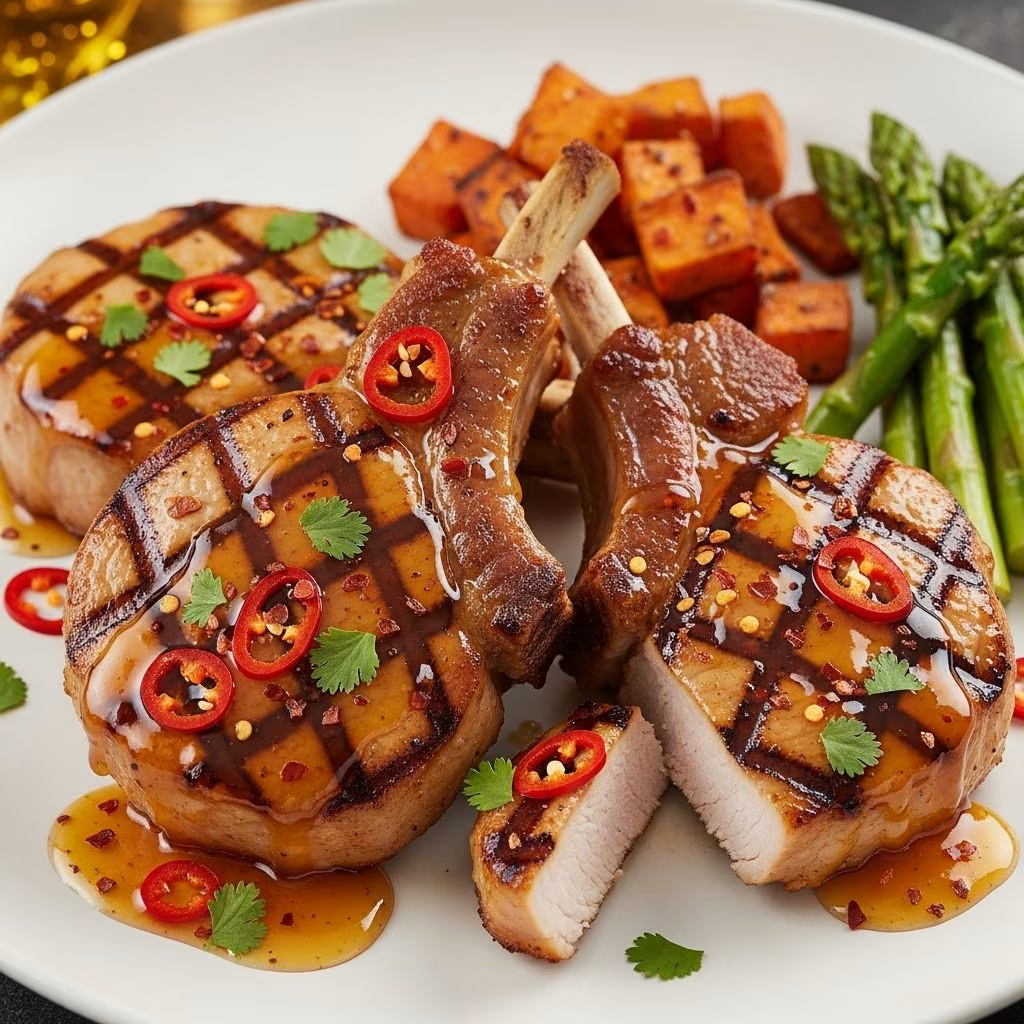
When it comes to weeknight dinners that feel both effortless and impressive, few dishes compare to a well-executed pork chop preparation. The versatility of pork chops lies not just in their accessibility, but in their remarkable ability to absorb and complement bold flavors. Among the most compelling contemporary approaches to cooking pork is the technique of coating these lean cuts with a glaze that merges the natural sweetness of honey with the complex heat of spices and hot sauce. This method transforms a simple protein into a sophisticated main course that restaurant patrons pay premium prices to enjoy.
The combination of honey and heat represents a culinary principle that has gained considerable traction in modern home cooking. Rather than viewing sweetness and spice as opposing forces, contemporary chefs recognize how these elements can work in concert, each amplifying the other’s characteristics while creating a more nuanced flavor profile. This article explores the multifaceted approach to preparing pork chops with this dynamic glaze, examining technique, ingredient selection, and practical execution strategies that yield consistently excellent results.
Understanding the Core Ingredients in Spicy Honey Glazes
The foundation of any successful spicy honey glaze rests on understanding how its primary components interact. Honey serves as the base sweetener and binding agent, providing body to the glaze while adding subtle floral notes that vary depending on the specific variety used. Raw honey, wildflower honey, and clover honey each bring distinct flavor characteristics to the finished dish.
Heat in these preparations typically comes from multiple sources working in combination. Hot sauce varieties—whether vinegar-based like Cholula or cayenne-forward options—contribute not just spice but also acidity that brightens the overall flavor. Fresh or dried chili peppers, cayenne powder, and red pepper flakes add layered heat that builds gradually rather than overwhelming immediately. Fresh garlic, when incorporated, adds pungency and depth that prevents the glaze from becoming one-dimensional in flavor.
Secondary ingredients amplify and round out the primary flavors. Butter enriches the glaze and helps it coat the pork more effectively, creating a lustrous finish. Vinegar—whether apple cider or white—introduces acidity that cuts through richness and helps balance the sweetness. Kosher salt enhances all flavors present, while fresh herbs like green onions provide textural contrast and subtle onion notes.
Selecting and Preparing Your Pork Chops for Success
The quality of your final dish begins with thoughtful pork chop selection. Thickness matters considerably; chops measuring between three-quarters of an inch and one and one-quarter inches thick represent the ideal range for home cooking. These dimensions allow sufficient time for the interior to cook through while the exterior develops the caramelization necessary for flavor development. Thinner chops risk drying out before adequate browning occurs, while excessively thick cuts may develop a raw center before the exterior reaches optimal color.
Bone-in versus boneless chops present different advantages. Bone-in varieties maintain moisture more effectively during cooking and contribute subtle savory depth through the collagen and marrow, though they require slightly longer cooking times. Boneless chops cook more quickly and offer simplicity for those preferring efficiency, though they demand more attention to prevent overcooking.
Proper preparation begins before the pan or grill reaches temperature. Pat chops thoroughly dry using paper towels—excess surface moisture interferes with browning and prevents the glaze from adhering properly. Allow chops to sit at room temperature for approximately ten to fifteen minutes before cooking, which promotes more even heat distribution throughout the meat. Season generously with kosher salt and freshly ground pepper on both sides, allowing these basics to penetrate the surface.
Achieving Perfect Browning Through Strategic Heat Management
The searing process represents a critical juncture where proper technique separates mediocre results from restaurant-quality preparations. Heat your cooking vessel—whether cast-iron skillet, stainless steel pan, or grill grate—until it reaches sufficient temperature that water droplets immediately evaporate upon contact. This indicates readiness for the protein.
For stovetop methods, heat your cast-iron or heavy-bottomed skillet over medium-high heat with a light coating of oil that has a high smoke point, such as vegetable or avocado oil. Place chops in the hot pan without moving them for approximately three minutes per side for standard-thickness cuts. This undisturbed searing creates a flavorful crust through the Maillard reaction, where proteins and sugars combine to form hundreds of new flavor compounds. Resist the urge to flip repeatedly or move chops around the pan, as this interrupts browning.
Grilling offers an alternative preparation method that imparts subtle smokiness complementing the glaze beautifully. Preheat your grill to medium-high heat (approximately 350°F for gas or a medium bed of charcoal for charcoal models). Oil the grill grate lightly to prevent sticking, then place chops directly over heat. Cook for four to five minutes before flipping, maintaining the lid closed to create an oven-like environment that cooks the interior while the exterior continues developing color.
Crafting and Applying Your Glaze
The glaze preparation process offers flexibility for personalization while maintaining the fundamental balance of sweetness and heat. Begin by combining your honey with heat elements—whether hot sauce, cayenne pepper, fresh minced garlic, or a combination thereof—in a small saucepan or heat-safe bowl. If using a stovetop approach, warm these ingredients over medium-low heat, stirring occasionally, until the honey becomes warm and the flavors begin merging, typically ten minutes. This warming process allows the heat from spices to infuse throughout the honey rather than remaining isolated, creating a more cohesive flavor profile.
Incorporating butter into this glaze adds richness and improves adhesion to the cooked pork. Cut cold butter into small cubes and whisk them into your warm glaze off-heat, or melt butter separately and combine with the spiced honey. The emulsification that occurs when combining fat with the liquid components creates a silkier glaze that adheres more effectively than honey alone.
Application timing significantly impacts results. If you’ve completed the initial searing phase, remove chops from heat temporarily. Pour or brush your glaze generously over the cooked surfaces, then return the chops to medium heat for one to two minutes per side. This brief additional cooking allows the glaze to caramelize slightly and bond with the pork’s surface. For grilling, apply glaze during the final minutes of cooking using a grill brush, allowing enough time for the sugars in the honey to caramelize without burning.
Flavor Variations and Creative Adaptations
| Glaze Variation | Key Ingredients | Flavor Profile | Best Paired With |
|---|---|---|---|
| Classic Hot Honey | Honey, hot sauce, cayenne, salt | Balanced heat with sweetness | Simple vegetables, rice |
| Garlic-Forward | Honey, minced fresh garlic, chili powder | Pungent and aromatic | Green vegetables, pasta |
| Vinegar-Brightened | Honey, apple cider vinegar, hot sauce | Tangy with heat undertones | Coleslaw, roasted vegetables |
| Herb-Infused | Honey, fresh herbs, red pepper flakes | Aromatic and sophisticated | Leafy greens, grain salads |
| Butter-Rich | Honey, butter, spices, kosher salt | Luxurious and velvety | Creamed vegetables, potatoes |
While the classic combination of honey and heat provides an excellent foundation, numerous adaptations allow cooks to tailor this approach to personal preferences and available ingredients. Adding minced fresh garlic intensifies the savory component, making the overall dish less one-note sweet. Incorporating fresh herbs like thyme or rosemary introduces aromatic complexity that complements pork’s natural flavors.
For those seeking brightness and additional depth, incorporating apple cider vinegar into the glaze creates pleasant acidity that balances richness. This variation works particularly well when serving the pork alongside coleslaw or other acidic side dishes, as the multiple layers prevent palate fatigue.
Adjusting the ratio of heat to sweetness allows customization for different heat tolerances. Cooking for larger families with varied spice preferences simply means preparing multiple glaze batches or offering undiluted glaze on the side for those desiring additional heat.
Optimal Side Dish Pairings and Serving Strategies
The spiced sweetness of honey-glazed pork chops benefits from thoughtfully selected accompaniments that either complement or provide contrast to the dominant flavors. Vegetable sides offering slight bitterness—such as roasted broccoli, grilled asparagus, or sautéed bitter greens—provide textural and flavor contrast that prevents the meal from becoming overly sweet.
Starches serve an important function in meal composition with these pork preparations. Creamy sides like mashed potatoes or polenta provide rich counterpoints that balance the glaze’s spicy elements. Alternatively, lighter grain preparations such as white rice, jasmine rice, or grain salads offer neutral bases that allow the pork to remain the flavor focus.
Fresh vegetable-based sides like cucumber salads or mixed green salads introduce cooling freshness that complements the heat present in the glaze. Broccoli slaw with a light vinaigrette—as suggested in contemporary recipes—creates a complete, balanced plate that addresses multiple textural and flavor elements.
Technical Guidance for Consistent Excellence
Several practical considerations ensure reliable success with this preparation method regardless of cooking environment or equipment variations.
- Internal Temperature Verification: Use an instant-read thermometer to confirm doneness. Pork safely reaches temperature at 145°F (63°C) according to food safety guidelines. This internal temperature produces meat that remains slightly pink near the bone—a sign of proper cooking rather than underdone preparation—while maintaining optimal juiciness.
- Resting Period Importance: Allow cooked chops to rest for five to ten minutes after removing from heat before serving. This resting period allows juices to redistribute throughout the meat, preventing excessive moisture loss when cut or bitten into, resulting in noticeably juicier finished dishes.
- Glaze Thickness Management: Monitor glaze reduction carefully, as it will continue thickening as it cools. Slightly underdone glaze continues setting during the resting period, reaching ideal consistency by serving time. Overly reduced glaze becomes thick and sticky rather than glossy.
- Batch Cooking Strategy: When preparing for larger groups, cook chops in manageable batches rather than crowding the pan or grill. Overcrowding prevents adequate browning and causes temperature drops that result in steaming rather than searing.
- Equipment Considerations: Cast-iron cookware distributes heat more evenly than lighter pans, resulting in better browning. If using alternative cookware, increase heat slightly to compensate for differential heat distribution.
Frequently Asked Questions About Spicy Honey Pork Chops
How can I prevent pork chops from drying out during cooking?
Several strategies minimize moisture loss. First, avoid cooking beyond 145°F internal temperature, as higher temperatures cause protein contraction and moisture expulsion. Second, use thicker chops (at least three-quarters inch), as thinner cuts cook too rapidly. Third, allow proper resting time after cooking, and finally, consider brining chops for thirty minutes to two hours before cooking to enhance moisture retention at the cellular level.
Can I prepare the glaze in advance?
Yes, most components can be combined and refrigerated for up to three days. However, add butter immediately before cooking rather than in advance, as fat can separate during storage. Warm the glaze gently before application to ensure proper consistency and flavor distribution.
What hot sauce varieties work best in these glazes?
Vinegar-forward sauces like Cholula provide heat without overwhelming the dish, while cayenne-based approaches offer sharper spice. Experiment with different varieties to discover personal preferences. Generally, avoid extremely thick hot sauces that don’t emulsify well with honey.
Are boneless or bone-in chops preferable?
Bone-in varieties offer superior flavor and moisture retention, though boneless chops cook slightly faster and offer simplicity. Choose based on personal preference and available time, as both produce excellent results when cooked properly.
How do I scale this recipe for larger gatherings?
The glaze recipe scales linearly—double it for double the chops. The key adjustment involves cooking in multiple batches to maintain proper browning rather than attempting to crowd all chops into a single pan simultaneously.
Can I make this recipe without a specific hot sauce brand?
Absolutely. Combine your preferred hot sauce or create heat using cayenne pepper, fresh chili peppers, or red pepper flakes. Adjusting quantities allows you to achieve desired heat levels with whatever ingredients you have available.
Conclusion: Mastering This Accessible Yet Sophisticated Preparation
The method of preparing pork chops with spicy honey glazes represents an accessible entry point into more sophisticated home cooking without requiring specialized equipment or difficult techniques. By understanding how honey’s sweetness, heat sources’ complexity, and proper cooking technique combine, home cooks can create restaurant-quality meals in their own kitchens. This preparation method accommodates numerous variations while maintaining a fundamental structure that ensures success. Whether cooking for family weeknight dinners or impressing dinner guests, spicy honey-glazed pork chops offer reliable excellence that transforms a simple protein into a memorable main course.
References
- Honey Glazed Pork Chops — Cheftini. 2024. https://cheftini.com/honey-glazed-pork-chops/
- Juicy Grilled Pork Chops with Hot Honey — Urban Cowgirl Life. 2024. https://urbancowgirllife.com/juicy-grilled-pork-chops-with-hot-honey/
- Hot Honey Pork Chops Recipe — The Pioneer Woman. 2023. https://www.thepioneerwoman.com/food-cooking/recipes/a69936815/hot-honey-pork-chops-recipe/
- Hot Honey Glazed Pork Chops — Masterbuilt. 2024. https://www.masterbuilt.com/blogs/recipes/hot-honey-glazed-pork-chops
- Spicy Honey Garlic Pork Chops — A Spicy Perspective. 2024. https://www.aspicyperspective.com/spicy-honey-garlic-pork-chops/
- One-Pan Spicy Honey Pork Chops — Tastes with Taylor. YouTube. 2024. https://www.youtube.com/watch?v=oUKm-F4-Q3Q