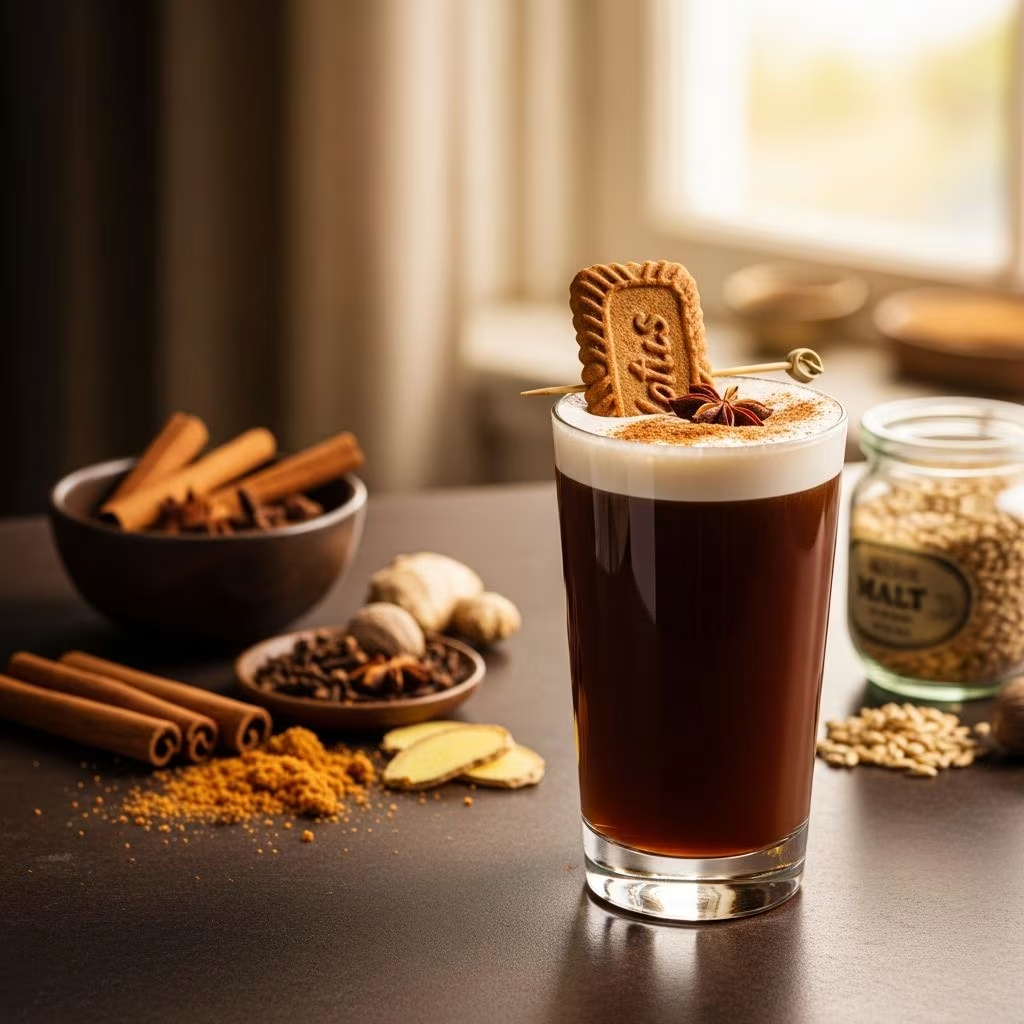
Malt beverages have long captivated dessert enthusiasts with their creamy texture, rich flavor profiles, and nostalgic appeal. Among the diverse variations available to home bartenders and beverage creators, speculoos malts represent a sophisticated fusion of classic malt shop traditions with contemporary gourmet sensibilities. These drinks combine the warm, spiced essence of speculoos cookies—those delicate Belgian treats infused with cinnamon, nutmeg, and clove—with the smooth, frosted texture of traditional malts. The addition of salted elements creates a dynamic flavor interplay that elevates these beverages from simple dessert drinks to memorable culinary experiences.
Understanding the Foundation: Malt Beverages and Their Components
Before exploring the nuances of speculoos malts specifically, it’s essential to understand the fundamental architecture of malt beverages themselves. A traditional malt consists of several key components working in harmony to create the final product. The primary base typically involves high-quality vanilla ice cream, which provides the creamy foundation and contributes richness to the overall texture.
Malted milk powder serves as the distinguishing ingredient that separates malts from ordinary milkshakes. This ingredient contains ground malted barley combined with wheat flour and milk powder, creating a distinctive toasty, slightly caramel-forward flavor profile. According to beverage preparation resources, malted milk powder adds depth and complexity to frozen drinks, with some commercial varieties incorporating cocoa powder to enhance the chocolate notes. The milk component—whether whole milk, half-and-half, or alternative dairy options—determines the viscosity and mouthfeel of the final beverage.
The Role of Speculoos in Modern Beverage Design
Speculoos cookies have gained considerable prominence in contemporary culinary applications beyond their traditional consumption as standalone treats. These crispy, caramelized biscuits possess inherent flavor characteristics that translate remarkably well into frozen beverages. The spice profile—dominated by cinnamon with supporting notes of nutmeg, cardamom, and clove—creates warmth and complexity that complements the earthy undertones of malt powder.
Incorporating speculoos into malt beverages can be accomplished through multiple methodologies. Some practitioners blend cookie pieces directly into the base mixture, creating textural interest and distributing flavor throughout the drink. Others prepare speculoos-infused syrup or utilize speculoos butter as a flavoring agent. Each approach yields distinct results, allowing creators to customize intensity levels according to preference.
- Direct blending method: Incorporates crushed speculoos cookies into the blender with other ingredients
- Syrup approach: Dissolves speculoos butter or cookie paste with liquid sweetener before adding to the malt base
- Layering technique: Places speculoos components in the glass before pouring the finished malt
- Garnish strategy: Tops the completed beverage with speculoos crumbles or a cookie rim for textural contrast
Salted Elements: Creating Sophisticated Flavor Contrast
The introduction of salt into traditionally sweet beverages represents a significant trend in modern mixology and beverage creation. Salt functions not as a dominant flavor but rather as a flavor amplifier and balancer. When applied judiciously, salt suppresses excessive sweetness and highlights the subtle spice notes inherent in both malt powder and speculoos cookies.
Flaky sea salt provides superior results compared to standard table salt when used as a finishing element. The larger crystal structure of sea salt creates distinct texture points on the palate, and these crystals dissolve gradually rather than immediately, providing a sustained salted sensation that complements the beverage’s sweetness. Some practitioners incorporate fine sea salt directly into the malt mixture—typically in quantities of one-eighth to one-quarter teaspoon per serving—while others employ salted rim techniques reminiscent of classic cocktail presentation.
The salted component can also extend to speculoos-derived additions. Salted speculoos cookie preparations, increasingly available in specialty food markets, naturally incorporate sodium into their flavor profile, reducing or eliminating the need for additional salt garnishes.
Technical Considerations for Optimal Preparation
Crafting superior speculoos malts requires attention to several technical factors that significantly impact the final product’s quality. Temperature management proves absolutely critical; all components should be appropriately chilled before blending to ensure the beverage maintains its desired thickness and creamy consistency.
The sequence of ingredient incorporation matters considerably. Most professional beverage creators recommend combining liquid components first—milk, malt powder, and any syrup elements—and achieving a smooth mixture before introducing ice cream. This approach prevents overmixing, which can thin the beverage undesirably and compromise its luxurious mouthfeel. Modern high-powered blenders capable of rapid, efficient mixing perform better than standard equipment, reducing the blending time necessary to achieve proper incorporation.
Container selection affects beverage temperature retention. Pre-chilling serving glasses in the freezer ensures the completed malt remains cold throughout consumption, preventing separation and maintaining visual appeal. Glass thickness and insulation properties contribute to this temperature stability.
Ingredient Quality Parameters
Superior results emerge from selecting premium-quality components. Vanilla ice cream forms the beverage’s primary flavor foundation; consequently, using high-quality vanilla bean ice cream rather than generic vanilla formulations yields noticeably superior results. Malted milk powder freshness significantly influences final product taste; older powder develops off-flavors and loses potency.
Speculoos cookie quality directly correlates with the malt’s ultimate character. Authentic Belgian speculoos varieties offer superior flavor depth compared to mass-produced alternatives. When using speculoos butter or paste, prioritizing versions with minimal additives and natural ingredients ensures cleaner flavor profiles.
Flavor Variations and Creative Interpretations
While traditional speculoos malts provide excellent foundations, numerous creative variations expand the beverage’s potential. The fundamental framework accommodates considerable customization while maintaining the speculoos-malt flavor axis.
| Variation Name | Key Additions | Flavor Profile |
|---|---|---|
| Dark Chocolate Enhancement | Quality cocoa powder or chocolate syrup | Rich, complex with chocolate depth |
| Caramel Accent | Salted caramel syrup or dulce de leche | Sweet, buttery with sophisticated complexity |
| Spice Intensification | Ground cinnamon, cardamom, or ginger | Warm, aromatic with pronounced spice |
| Coffee Infusion | Cold brew concentrate or espresso | Sophisticated blend of coffee and cookie flavors |
Presentation and Serving Strategies
The visual and tactile experience of consuming a speculoos malt contributes significantly to overall satisfaction. Professional presentation techniques elevate the beverage from casual refreshment to memorable indulgence.
Glassware selection influences both temperature retention and visual appeal. Tall soda fountain-style glasses evoke nostalgic associations with classic malt shops while accommodating substantial volume. Frosted glass finishes provide insulation and an elegant aesthetic. Some presentations incorporate creative rim treatments using crushed speculoos cookies mixed with flaky sea salt, creating textural interest and flavor reinforcement from the first sip.
Garnish options extend beyond simple cookie placement. Whipped cream topped with speculoos crumbles provides textural contrast and visual allure. Drizzles of speculoos butter or caramel sauce create flavor pathways that engage the palate throughout consumption. Temperature-contrasted garnishes—such as warm speculoos cookie pieces atop the chilled malt—create interesting sensory experiences.
Practical Guidance for Home Preparation
Creating exceptional speculoos malts at home requires minimal specialized equipment beyond a quality blender. The fundamental ingredient list remains straightforward and accessible:
- Vanilla ice cream (premium quality recommended)
- Whole milk or half-and-half
- Malted milk powder
- Speculoos cookies or speculoos butter
- Fine sea salt
- Optional sweetening element such as honey or sugar syrup
Basic preparation methodology involves blending milk, malt powder, and salt until smooth, then adding ice cream and blending briefly until just incorporated. Speculoos integration occurs simultaneously with other ingredients or post-blending, depending on desired texture and presentation style.
Proportional guidelines suggest using approximately three-quarters cup malted milk powder per four servings, with ice cream comprising the majority of the mixture’s volume. Individual experimentation allows customization to personal preference regarding thickness, sweetness intensity, and speculoos flavor prominence.
Frequently Asked Questions
What distinguishes malts from traditional milkshakes?
Malted milk powder represents the defining ingredient that separates malts from milkshakes. This ingredient, containing malted barley, wheat flour, and milk powder, contributes distinctive toasty and caramel-forward characteristics absent from standard milkshakes. Malts typically feature thicker, creamier textures resulting from this powder’s influence on viscosity and mouthfeel.
Can alternative ingredients substitute for traditional speculoos cookies?
While speculoos cookies provide the authentic flavor foundation, creative substitutions are possible. Gingerbread cookies offer similar spice profiles, though with different secondary flavor notes. Biscoff spread, derived from speculoos, provides accessible intensity without requiring whole cookie incorporation. However, these alternatives yield distinct results compared to authentic speculoos.
How does salt enhance speculoos malt flavor?
Salt functions as a flavor amplifier, suppressing excessive sweetness and highlighting subtle spice notes inherent in both malt powder and speculoos cookies. This balance creates greater complexity and prevents the beverage from becoming one-dimensionally sugary, allowing the sophisticated cookie and malt flavors to achieve prominence.
What equipment produces superior results?
High-powered blenders equipped with efficient mixing capabilities reduce required blending time and prevent overmixing that thins the beverage. Standard kitchen blenders function adequately, though with potentially longer processing times and less optimal texture results.
Should malts be consumed immediately after preparation?
Optimal texture and temperature maintenance occur with immediate consumption. However, properly chilled malts maintain acceptable quality for brief periods—typically up to fifteen minutes—if stored in pre-chilled glasses or insulated containers.
Conclusion: Elevating the Malt Experience
Speculoos malts represent contemporary interpretations of classic malt shop beverages, sophisticated enough for gourmet appreciation yet accessible for home preparation. The combination of traditional malt fundamentals with speculoos’ distinctive spiced cookie character creates beverages that satisfy both nostalgia and modern culinary sensibilities. Strategic incorporation of salted elements introduces flavor complexity that distinguishes these drinks from conventional frozen beverages. Whether prepared for personal enjoyment or served to appreciative guests, speculoos malts exemplify how fundamental techniques combined with thoughtful ingredient selection yield memorable culinary experiences.
References
- Malted Milk Cookies with Milk Chocolate and Pecans — Salt and Serenity. 2017-08-15. https://www.saltandserenity.com/2017/08/malted-milk-cookies-with-milk-chocolate-and-pecans/
- Malted Milkshake (Flavor Variation Ideas!) — Chelsea’s Messy Apron. https://www.chelseasmessyapron.com/malted-milkshake/
- Salted Malted Crispy Chocolate Chip Cookies — Two Peas & Their Pod. https://www.twopeasandtheirpod.com/salted-malted-crispy-chocolate-chip-cookies/
- Malts and Milkshakes! — The Hungry Artist. 2013-04-19. https://thehungryartist.wordpress.com/2013/04/19/malts-and-milkshakes/