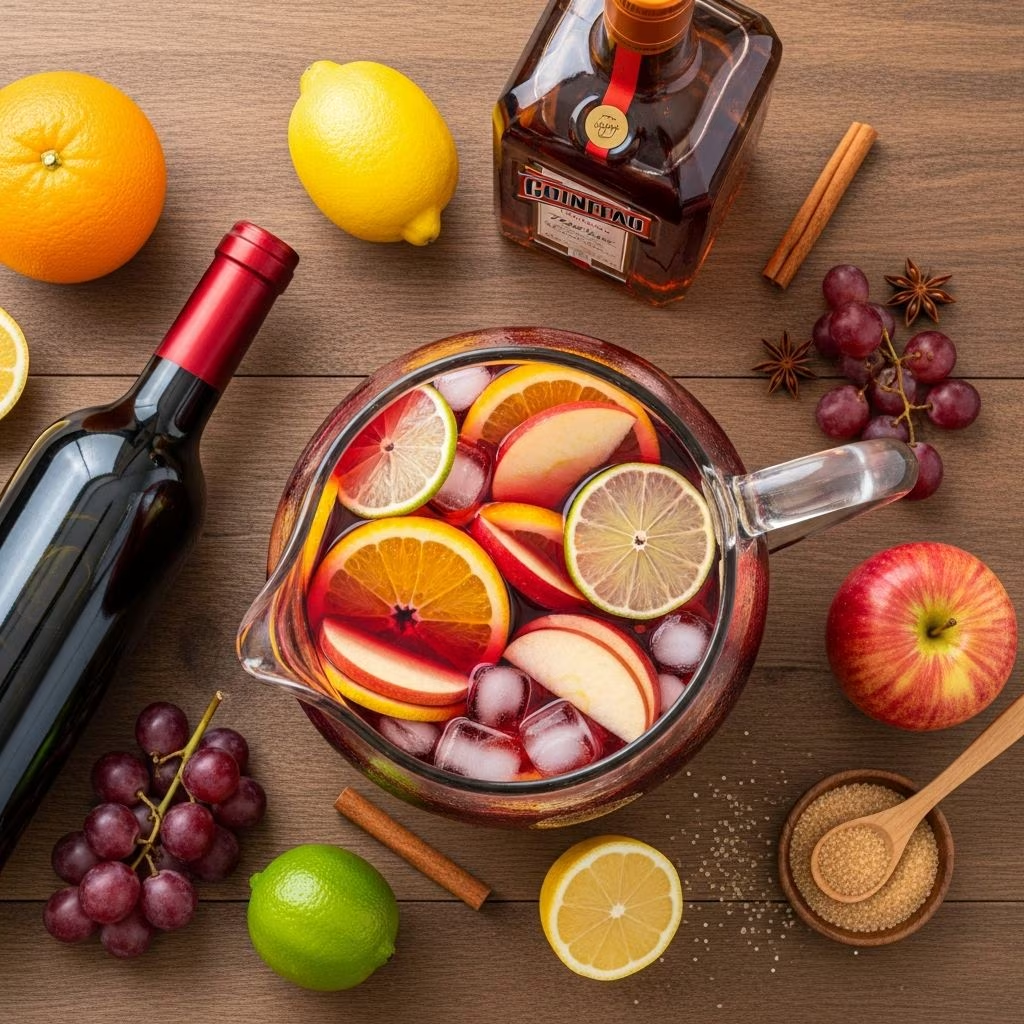
Spanish sangria stands as a timeless refreshment, blending the richness of red wine with vibrant fruits and subtle spices. Originating from Spain’s sunny regions, this drink captures the essence of Mediterranean summers, offering a harmonious mix of tart citrus, sweet fruit chunks, and a hint of fortified spirits. Whether you’re hosting a gathering or seeking a chilled beverage for hot days, mastering sangria elevates any occasion.
The Origins and Appeal of Sangria
Sangria’s roots trace back to Spain, where it emerged as a practical way to enjoy wine by infusing it with local produce. Traditional versions prioritize simplicity, using inexpensive red wines paired with abundant fruits like oranges and apples. The name ‘sangria’ derives from the Spanish word for ‘blood,’ nodding to the deep red hue from the wine.
What makes sangria irresistible is its adaptability. It balances acidity from citrus, natural sweetness from fruits, and warmth from brandy or liqueurs. Served ice-cold, it provides hydration with a festive twist, making it ideal for tapas parties or outdoor events. Unlike punches, sangria allows fruits to macerate, releasing flavors over time for deeper taste profiles.
Essential Ingredients for True Sangria
Building a superior sangria starts with quality components. Focus on fresh, ripe produce and wines that complement rather than overpower.
- Red Wine: Opt for young, fruity varieties like Rioja, Tempranillo, or Garnacha. Avoid heavy, oaked wines that clash with fruits.
- Citrus Fruits: Oranges and lemons provide juice and peels for zest. Slice thinly to maximize infusion.
- Other Fruits: Green apples, peaches, or apricots add texture and sweetness. Chop into bite-sized pieces.
- Brandy or Liqueur: A splash (1/4 to 1/2 cup per bottle) boosts complexity. Orange liqueur like Grand Marnier works well.
- Sweetener: Simple syrup or sugar dissolves evenly. Use sparingly to let fruits shine.
- Spices: A cinnamon stick infuses gentle warmth without overwhelming.
- Soda (Optional): Add lemon-lime soda just before serving for fizz.
Proportions typically involve 1-1.5 bottles of wine for 4-6 servings, scaled as needed.
Step-by-Step Guide to Classic Red Sangria
Preparation takes minutes, but chilling enhances flavors. Plan ahead for best results.
- Prepare Simple Syrup: Dissolve 3 tablespoons sugar in 3 tablespoons warm water. Cool completely.
- Juice Citrus: Squeeze juice from 2 oranges and 1 lemon. Reserve peels in thick strips.
- Chop Fruits: Dice 1 green apple, 1-2 peaches, and slice extra oranges. Include rinds for aroma.
- Mix Base: In a large pitcher, combine wine, citrus juices, brandy, and syrup. Stir thoroughly.
- Infuse: Add fruits, peels, and cinnamon stick. Refrigerate 2-24 hours.
- Serve: Pour over ice, top with soda if desired. Garnish with fresh slices.
This method yields about 6 servings at roughly 180-200 calories each, depending on sweetness.
Variations to Suit Every Taste
Sangria’s versatility shines in adaptations. Experiment while honoring traditions.
White Sangria for Lighter Days
Swap red wine for crisp whites like Albariño or Verdejo. Use peaches, nectarines, and strawberries with elderflower liqueur. Method mirrors red: macerate fruits overnight.
Sparkling Twist
Incorporate prosecco or cava at serving for effervescence. Reduce soda to avoid over-fizzing.
Seasonal Fruits Edition
Summer: Berries and melon. Winter: Pears and pomegranate. Always balance sweetness.
| Variation | Key Swap | Best For |
|---|---|---|
| White Sangria | White wine + stone fruits | Hot afternoons |
| Sparkling | Add cava last | Parties |
| Tropical | Mango + pineapple | Beach vibes |
| Low-Sugar | Stevia + extra fruit | Health-conscious |
Pro Tips for Perfect Pitchers
- Muddle Gently: Crush fruits lightly to release juices without bitterness.
- Chill Time: Minimum 2 hours; ideal 4-8 for flavor marriage.
- Glassware: Wine glasses or tumblers with ice preserve dilution.
- Batch Scaling: Double ingredients for crowds; use a punch bowl.
- Storage: Keeps 2-3 days refrigerated; fruits soften over time.
Avoid over-sweetening initially—taste after infusing, as fruits contribute natural sugars.
Pairing Sangria with Spanish Cuisine
Sangria complements bold flavors. Pair with grilled meats, seafood paella, or cheese platters. Its acidity cuts richness, while fruit notes enhance tapas like patatas bravas or chorizo. For vegetarian spreads, try with gazpacho or empanadas.
Frequently Asked Questions
Can I make sangria without alcohol?
Yes, substitute wine with grape juice and skip brandy for a mocktail version. Add more fruit juice for depth.
What’s the best wine for sangria?
Fruity, dry reds like Tempranillo. Affordable bottles under $15 work best.
How far in advance can I prepare it?
Up to 24 hours for optimal flavor; beyond that, remove spent fruits.
Is carbonation traditional?
Not in oldest recipes, but modern versions often include soda for lift.
Can sangria be frozen?
No, alcohol lowers freezing point; prepare fresh instead.
Nutrition and Moderation Notes
A standard serving (8 oz) offers vitamin C from citrus and antioxidants from wine. Calories range 150-250 based on additions. Enjoy responsibly.
References
- Best Traditional Spanish Sangria Recipe — Spanish Sabores. 2023-06-15. https://spanishsabores.com/traditional-spanish-sangria-recipe/
- Traditional Spanish Sangria Recipe — Spain Food Sherpas. 2022-08-10. https://www.spainfoodsherpas.com/traditional-sangria-recipes/
- Easy Traditional Red Sangria — Minimalist Baker. 2024-05-20. https://minimalistbaker.com/easy-traditional-red-sangria/
- The BEST Sangria Recipe — Gimme Some Oven. 2023-11-12. https://www.gimmesomeoven.com/sangria/
- Spanish Summer Sangria Recipe — AndaSpain. 2023-03-05. https://andaspain.com/blog/sangria/