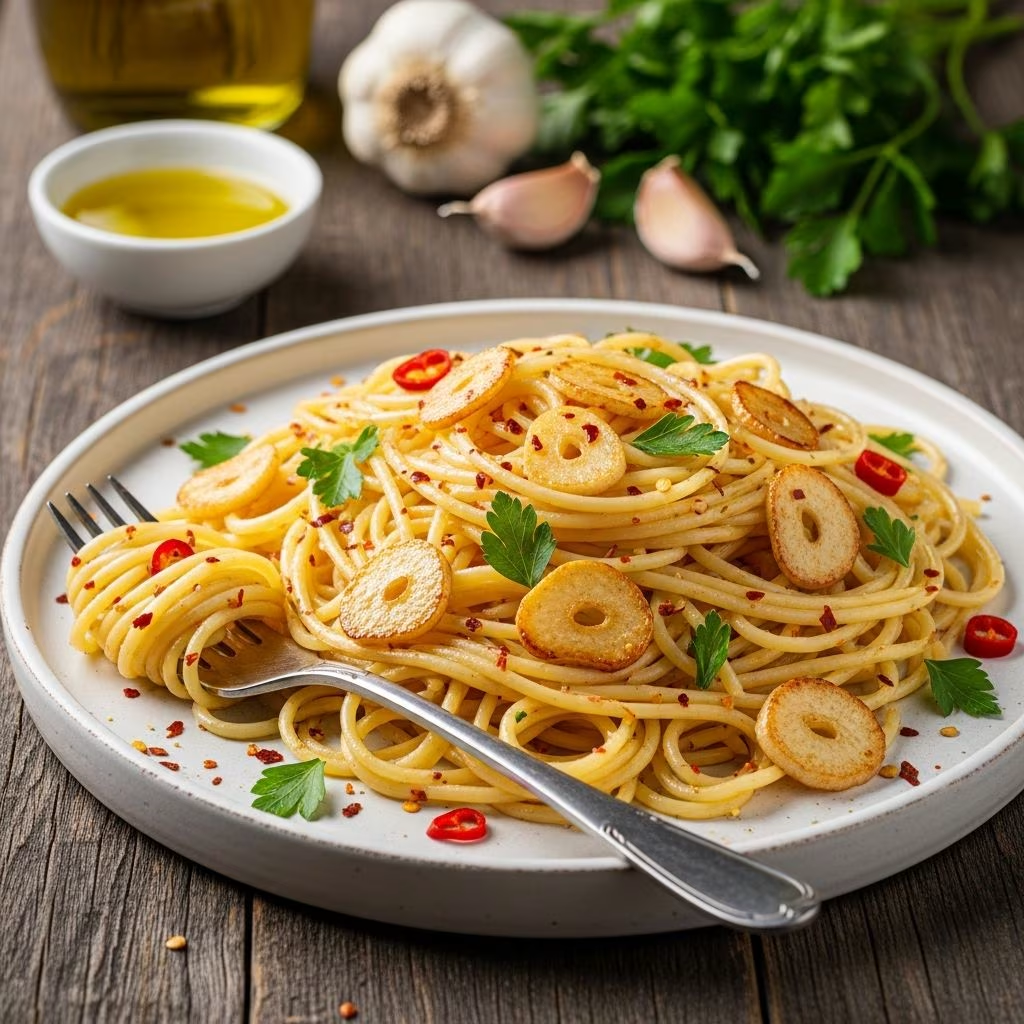
When it comes to demonstrating the true power of simplicity in cooking, few dishes rival the elegance of spaghetti aglio e olio. This iconic Italian preparation showcases how minimal ingredients, when treated with respect and technique, can create a memorable meal that transcends its humble composition. The name itself speaks volumes—literally translating to “spaghetti with garlic and oil”—yet this straightforward description belies the depth of flavor achievable through proper execution.
Understanding the Foundation of This Classic Dish
At its core, spaghetti aglio e olio represents a philosophy of Italian cooking that prioritizes quality ingredients over complexity. The traditional version requires nothing more than dried pasta, premium olive oil, garlic, and seasonings. Some iterations include optional garnishes such as fresh herbs or red pepper flakes, but even these embellishments remain secondary to the main components. What transforms these basic elements into something extraordinary is understanding the relationship between each ingredient and the techniques used to combine them.
The beauty of this dish lies in its accessibility. Whether you’re a novice cook or an experienced culinary enthusiast, the straightforward nature of spaghetti aglio e olio means success depends primarily on ingredient quality and attention to the cooking process rather than complex skills. This makes it an ideal choice for weeknight dinners when you want restaurant-quality results without extensive preparation.
Selecting Quality Ingredients
The Pasta Selection
While the name specifies spaghetti, the beauty of this dish allows for flexibility in pasta choice. However, certain shapes work better than others. Thin, long pasta varieties such as spaghetti, linguine, fettuccine, or bucatini are traditionally preferred because they absorb and cling to the garlic-infused oil more effectively than other cuts. The elongated shape creates more surface area for the sauce to coat, resulting in more flavorful bites.
If you only have short-cut pasta available, the dish will still turn out delicious. The key consideration when selecting pasta is choosing dried pasta of good quality, preferably bronze-cut varieties that have a rougher texture and better sauce adhesion compared to smooth, industrially-produced alternatives.
The Critical Role of Olive Oil
Since olive oil constitutes a primary component of the sauce rather than merely serving as a cooking medium, using the highest-quality extra-virgin olive oil available becomes paramount. The oil’s flavor profile will significantly impact the final dish. Look for oils with descriptors like “smooth,” “buttery,” or “peppery,” depending on your flavor preferences.
Italian extra-virgin oils, particularly those from regions like Tuscany or Sicily, offer excellent flavor profiles suited to this preparation. The investment in premium oil pays dividends in the final result. A robust, well-flavored oil will create a more satisfying dish than generic or lower-quality alternatives.
Garlic Preparation and Quantity
Garlic serves as the other primary flavor component, and its preparation matters considerably. The amount varies by preference and tradition—some recipes call for four cloves while others recommend eight or more. The traditional preparation involves thinly slicing fresh garlic cloves rather than mincing them, which allows for better control over the cooking process and creates more aesthetically pleasing results.
When selecting garlic, choose firm bulbs without soft spots or sprouting. Freshness makes a noticeable difference in the final flavor. Some preparations involve finely grating garlic into oil to create an emulsion-like texture, while others maintain distinct sliced pieces. Both methods have merit, though sliced garlic is more commonly encountered in traditional preparations.
Optional Flavor Enhancers
Red pepper flakes add heat and complexity to the dish. These optional additions allow cooks to customize the flavor profile to personal preferences. Fresh parsley, when included as a garnish, provides color and a subtle herbaceous note. Some contemporary interpretations incorporate grated Parmesan cheese, though this remains debatable among traditionalists who argue the dish’s purity should remain undiluted.
Mastering the Cooking Technique
Preparing Your Pasta Correctly
The foundation of any great spaghetti aglio e olio begins with properly cooked pasta. Bring a large pot of generously salted water to a rolling boil—the water should taste like seawater. This seasoning approach seasons the pasta from within rather than relying solely on salt added after cooking.
Cook the pasta until it reaches the al dente stage, meaning it should be tender yet retain a slight firmness when bitten. This typically requires cooking for one minute less than the package instructions suggest. Before draining, reserve at least one-quarter to one-half cup of the starchy cooking water, which serves as a crucial component in creating the sauce’s silky texture.
Creating the Garlic-Oil Foundation
While the pasta cooks, begin preparing the garlic oil in a large skillet over medium heat. Add the olive oil and allow it to warm until it just begins to shimmer. This gradual heating prevents the oil from smoking while allowing the garlic to infuse gently into it.
Add the sliced garlic to the warm oil and maintain medium heat. This step requires attention and patience—the goal is to lightly brown the garlic around the edges, developing its flavor without burning it. Burning garlic creates bitterness that undermines the entire dish. Some preparations involve turning off the heat after adding garlic, allowing it to steep in the residual warmth. This gentler approach reduces the risk of overcooking the garlic while still extracting its full flavor.
Bringing It Together
Once the garlic reaches the appropriate golden color and the pasta finishes cooking, drain the spaghetti and add it to the skillet with the garlic oil. Toss thoroughly, ensuring every strand becomes coated with the fragrant oil. Add reserved pasta water gradually, one to two tablespoons at a time, until the sauce reaches the desired consistency. The starch in this water emulsifies with the oil, creating a glossy coating rather than an oily puddle.
Season with kosher salt and freshly ground black pepper to taste. The salt in the pasta water may mean less additional salt is needed, so taste before aggressively seasoning. This final adjustment ensures the dish reaches its peak flavor potential.
Timeline and Preparation Strategy
From start to finish, spaghetti aglio e olio requires approximately twenty minutes of total time. However, timing your steps strategically ensures the dish comes together seamlessly. Begin by bringing water to boil and salting it generously. While waiting for the boil, slice your garlic and measure your oil. Once pasta enters the water, immediately begin heating the oil in your skillet. This coordination means all components finish simultaneously, preventing the pasta from cooling while you prepare the sauce.
Ingredient Quality Comparison
| Component | Quality Consideration | Impact on Dish |
|---|---|---|
| Olive Oil | Extra-virgin, first cold-pressed | Defines the sauce flavor profile; inferior oil results in flat-tasting dish |
| Garlic | Fresh, firm bulbs without sprouting | Provides aromatic foundation; old garlic creates harsh, unpleasant flavors |
| Pasta | High-quality dried, preferably bronze-cut | Better texture and sauce adhesion; affects overall eating experience |
| Salt | Kosher salt for cooking water | Proper seasoning foundation; table salt can create metallic taste |
Creative Variations and Additions
Vegetable Enhancements
While traditional spaghetti aglio e olio maintains its simplicity, contemporary interpretations often incorporate vegetables. Wilted lacinato kale adds nutritional value and interesting texture. The kale is tossed in the garlic oil, wilting quickly over medium heat before the pasta joins the skillet. Fresh lemon juice and zest complement this variation, adding brightness and preventing the dish from feeling too heavy.
Protein Additions
For more substantial meals, consider adding proteins such as anchovy fillets dissolved into the oil to create a more complex sauce, or tossing in cooked pancetta for smokiness and salt. These additions transform the dish while maintaining its essential character.
Cheese Incorporation
Grated Parmesan cheese can be stirred in after combining the pasta with the sauce, or sprinkled as a garnish. The heat from the pasta melts the cheese, creating a creamier texture. Some cooks prefer keeping cheese separate, allowing diners to add it according to personal preference.
Frequently Asked Questions
Can I prepare spaghetti aglio e olio in advance?
This dish is best enjoyed immediately after preparation while the pasta remains hot and the oil coating stays fresh. However, you can prepare components ahead—slice garlic and measure oil beforehand, then combine everything during cooking.
What if my garlic burns?
If garlic burns, discard the oil and start fresh with new oil and garlic. Burnt garlic cannot be salvaged and will impart unpleasant bitterness throughout the dish.
How much pasta water should I reserve?
Reserve at least one-quarter cup, though having up to one-half cup available provides flexibility. You won’t necessarily use all of it—add gradually until reaching the desired sauce consistency.
Can I use fresh garlic paste instead of sliced?
While fresh paste works, sliced garlic provides better control over cooking and superior texture. If using paste, add it toward the end of cooking to prevent burning.
Is this dish suitable for vegan diets?
Yes, spaghetti aglio e olio is naturally vegan, requiring no animal products beyond optional Parmesan cheese garnish, which can easily be omitted or replaced with nutritional yeast.
What wine pairs well with this dish?
Light, crisp white wines such as Pinot Grigio or Vermentino complement the garlic and oil flavors without overwhelming them.
Storage and Leftover Considerations
While best enjoyed fresh, leftover spaghetti aglio e olio can be refrigerated in an airtight container for up to two days. Reheating diminishes the dish’s appeal, as the oil separates and the texture changes. If reheating becomes necessary, gently warm the pasta over low heat with a splash of water or additional oil, stirring frequently until heated through.
Conclusion: Appreciating Simplicity
Spaghetti aglio e olio represents an approach to cooking that celebrates quality ingredients and fundamental technique over elaborate preparation. Its enduring popularity among home cooks and restaurant chefs alike speaks to its versatility and reliability. By understanding the role of each ingredient and respecting the cooking process, anyone can create this Italian classic that rivals restaurant versions. Whether enjoyed as a quick weeknight meal or served as an elegant starter, this dish continues to prove that sometimes the simplest preparations yield the most satisfying results.
References
- Spaghetti Aglio e Olio Recipe — Love and Lemons. https://www.loveandlemons.com/spaghetti-aglio-e-olio/
- Spaghetti Aglio e Olio — Lazy Cat Kitchen. https://www.lazycatkitchen.com/spaghetti-aglio-e-olio/
- Spaghetti Aglio e Olio — The Mediterranean Dish. https://www.themediterraneandish.com/spaghetti-aglio-e-olio/
- Spaghetti Aglio e Olio Recipe — Gimme Some Oven. https://www.gimmesomeoven.com/spaghetti-aglio-e-olio/
- Spaghetti Aglio e Olio — James Beard Foundation. https://www.jamesbeard.org/recipes/spaghetti-aglio-e-olio