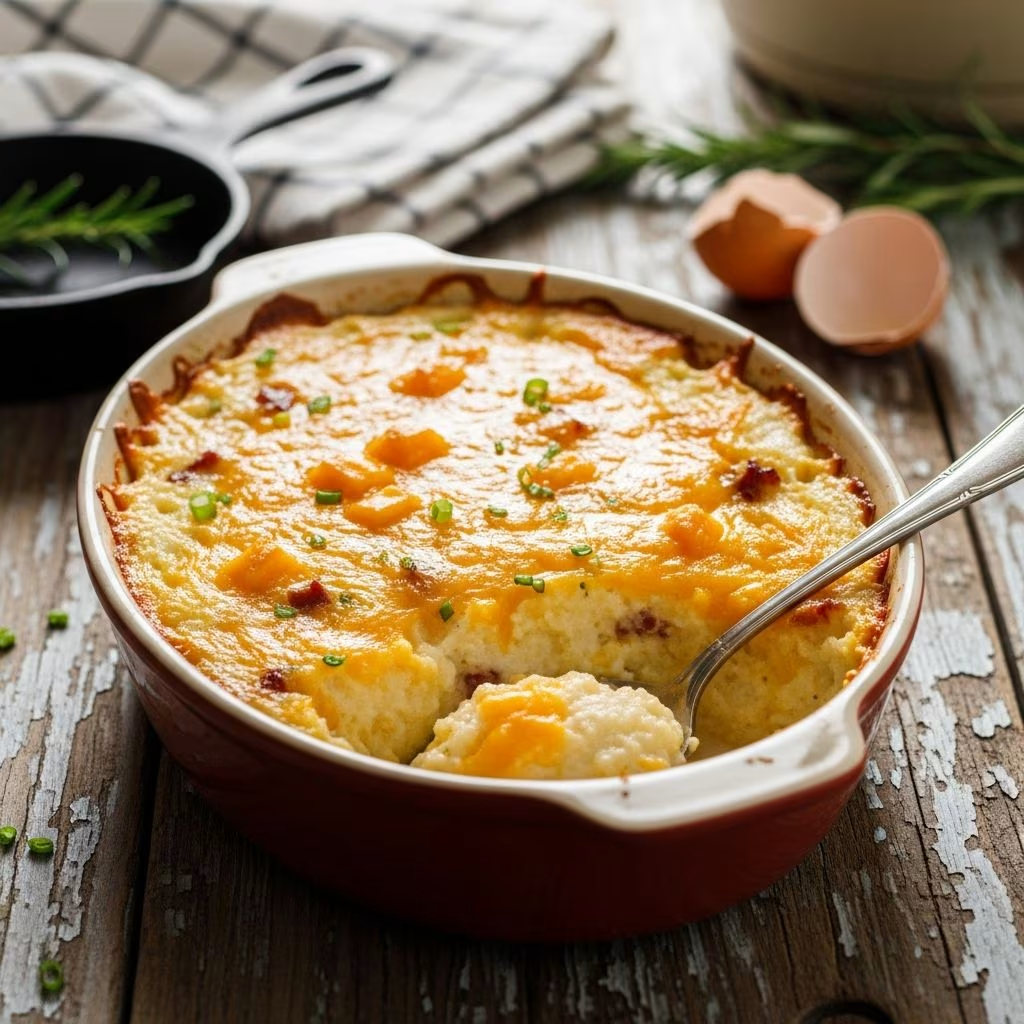
Southern grits casserole represents one of the most beloved comfort dishes in American cuisine, particularly throughout the Southeast where grits hold cultural significance and culinary tradition. This baked preparation transforms simple cornmeal into a luxurious, creamy side dish that can anchor any meal from breakfast through dinner. The combination of tender grits, melted cheese, and aromatic seasonings creates a dish that satisfies both the palate and the soul, making it a staple at family gatherings, holiday celebrations, and everyday home cooking.
Understanding Grits and Their Role in Southern Cooking
Grits originate from Native American cuisine and became a foundational ingredient in Southern food culture. These coarsely ground corn kernels possess a subtle, slightly sweet flavor that serves as an ideal canvas for additional ingredients. The texture of grits ranges from creamy and smooth when cooked properly to grainy and lumpy when preparation goes awry, making technique essential for achieving the desired consistency.
When selecting grits for casserole preparation, understanding the differences between varieties becomes crucial. Quick-cooking grits require approximately five to seven minutes of cooking time, whereas stone-ground varieties demand fifteen to twenty minutes for proper hydration and tenderness. Instant grits, though convenient, often yield a mushier final product and contain additives that may affect flavor complexity. For optimal results in casserole preparations, quick-cooking or stone-ground grits provide superior texture and taste profiles compared to their instant counterparts.
Essential Ingredients for the Perfect Casserole
Creating an exceptional Southern grits casserole requires carefully selected components that work in harmony. The foundation begins with quality grits, typically one to one and one-quarter cups per casserole, combined with water or broth for cooking. The liquid-to-grits ratio significantly impacts the final texture, with most recipes employing four cups of liquid to one cup of grits.
Dairy components elevate the casserole from simple to spectacular. Whole milk and butter contribute richness and creamy mouthfeel, while cheese varieties provide depth and savory complexity. Sharp cheddar cheese delivers bold flavor that resists being overwhelmed during baking, whereas parmesan adds a subtle nuttiness and helps create a golden, crispy top layer. Many cooks combine multiple cheese types to achieve layered flavor profiles that prevent any single note from dominating.
Proteins and seasonings transform the dish into a complete meal component. Eggs bind the mixture while providing structure and lightness to the final baked product. Worcestershire sauce, ground red pepper, garlic powder, and optional Creole seasoning contribute savory notes that complement both the corn and cheese elements. Salt must be measured carefully, as cheese and other components already contribute sodium to the dish.
Core Ingredient List:
- Four cups water or chicken broth
- One teaspoon kosher salt
- One cup quick-cooking grits
- Two cups shredded sharp cheddar cheese
- Two-thirds cup whole milk
- One-third cup unsalted butter
- One teaspoon Worcestershire sauce
- One-quarter teaspoon ground red pepper
- One teaspoon garlic powder
- Four large eggs, lightly beaten
- One-half cup grated parmesan cheese
- Optional paprika garnish
Step-by-Step Preparation Method
Success in casserole preparation hinges upon methodical execution and attention to detail at each stage. Beginning with oven preheating to 350 degrees Fahrenheit ensures consistent baking temperatures throughout the cooking process. A two-quart baking dish, lightly coated with non-stick cooking spray, prevents sticking and facilitates easy serving.
The initial cooking phase demands careful attention to prevent lumping. Water and salt combine in a large saucepan over high heat until boiling vigorously. Grits are added gradually while stirring continuously, preventing the mixture from becoming lumpy or unevenly hydrated. Once returning to a boil, heat reduces to low, the saucepan is covered, and the mixture simmers for approximately five minutes. Frequent stirring throughout this phase disrupts any lumps attempting to form and ensures even cooking throughout the grits.
Upon removing from heat, the cooked grits remain soft but capable of absorbing additional ingredients. Cheddar cheese, milk, butter, Worcestershire sauce, ground red pepper, and garlic powder are added to the warm grits and stirred vigorously until complete melting and combination occur. This step should not be rushed, as proper mixing ensures even distribution of flavors and textures throughout the base mixture.
The eggs require special attention during incorporation. Lightly beaten eggs must be added while stirring constantly to prevent coagulation or scrambling. The residual heat of the grits mixture will continue to cook the eggs gently, resulting in a fully cooked but tender final product. Thorough mixing at this stage prevents any raw egg from remaining in the casserole.
The prepared mixture transfers to the baking dish, where parmesan cheese is sprinkled evenly across the top surface. A light dusting of paprika adds both visual appeal and subtle smoky flavor notes. Uncovered baking for one hour at 350 degrees Fahrenheit allows the casserole to set properly while developing a light golden top. Testing for doneness involves inserting a knife near the center; when it emerges clean with no liquid trailing behind, the casserole has finished cooking.
Allowing the casserole to rest for five to ten minutes after removal from the oven permits the mixture to set slightly, making serving easier and allowing flavors to redistribute throughout the dish.
Flavor Enhancement Through Strategic Additions
While the classic preparation stands beautifully on its own, numerous additions can create interesting variations suited to different occasions and preferences. Protein inclusions transform the casserole from a side dish into a more substantial component capable of anchoring a meal.
Sausage varieties contribute smoky, savory dimensions that complement the creamy cheese base. Ground sausage, cooked and crumbled before incorporation, distributes evenly throughout the casserole, whereas sliced smoked sausage creates visible texture contrasts. Bacon, rendered crispy and crumbled, adds salty, smoky complexity without overwhelming the other flavors. Ham pieces introduce a slightly sweet note that balances the richness of the cheese elements.
Vegetable additions provide texture variation and nutritional benefits. Sautéed onions and garlic create an aromatic foundation that deepens the overall flavor profile. Bell peppers introduce gentle sweetness and subtle textural contrast, while jalapeños add heat for those preferring spicier preparations. Scallions or green onions scattered throughout or reserved for garnish provide fresh, mild onion flavor that cuts through the richness of the cheese and eggs.
Variations for Different Occasions
The versatility of grits casserole makes it suitable for various meals and celebrations. Morning preparations benefit from maple sausage additions, creating a naturally sweetened protein component that pairs wonderfully with the cheesy grits. Hash browns stirred into the mixture add crispy texture and heartiness appropriate for breakfast service.
Holiday and entertaining variations might incorporate additional cheese types such as mozzarella or gruyère for complexity, or add shrimp for coastal Southern influences. Some preparations include sun-dried tomatoes, caramelized onions, or herbs like thyme or rosemary for sophisticated flavor profiles suitable for elegant brunch service.
Lighter variations reduce butter quantities or substitute Greek yogurt for a portion of the milk to lower fat content while maintaining creaminess. Dairy-free preparations employ plant-based milks and nutritional yeast to create similar flavor and texture profiles for guests with dietary restrictions.
Storage and Make-Ahead Strategies
Grits casserole demonstrates excellent make-ahead properties, encouraging preparation during less hectic times. The assembled but unbaked casserole can be covered and refrigerated overnight before baking, though baking time may extend slightly due to cold starting temperatures. Baking directly from refrigeration typically requires an additional ten to fifteen minutes, though careful monitoring ensures the top browns appropriately without the interior drying.
Fully baked casserole stores safely in the refrigerator for three to four days when covered with foil or plastic wrap. Reheating occurs gently at 325 degrees Fahrenheit, covered with foil to prevent excessive browning, until heated through, approximately twenty minutes. Individual portions can be reheated in microwave-safe containers, though this method occasionally results in uneven heating.
Freezing is possible but should occur on the day of baking for best quality. Wrapped securely in plastic wrap and foil, frozen casserole maintains quality for up to three months. Thawing overnight in the refrigerator before reheating produces superior results compared to cooking from frozen.
Troubleshooting Common Preparation Issues
Lumpy grits result from insufficient stirring during the initial cooking phase or adding grits too rapidly to boiling liquid. Gradual addition while whisking continuously prevents this issue. Should lumps develop, passing the cooked grits through a fine-mesh sieve before combining with other ingredients salvages the preparation.
Watery casserole indicates either too much liquid in the initial grits cooking or insufficient eggs for proper binding. Using the recommended liquid-to-grits ratio and ensuring eggs are properly incorporated prevents this problem. If the finished casserole appears too soft, extending baking time by ten-minute increments checks for doneness.
Overly firm or rubbery texture suggests excessive baking time or oven temperature running too high. Using an oven thermometer verifies accuracy, and reducing baking time by five-minute increments in future preparations prevents overcooking. The casserole should jiggle slightly in the center when the baking dish is gently shaken, indicating proper set without excessive firmness.
Frequently Asked Questions
Can I make this casserole gluten-free?
Yes, grits are naturally gluten-free as they come from corn rather than wheat. However, verify that any seasonings, broths, or additional ingredients carry gluten-free certification, as cross-contamination sometimes occurs during processing.
What is the best cheese choice for this dish?
Sharp cheddar provides the best flavor foundation due to its bold taste that withstands baking temperatures. Combining cheddar with parmesan creates layered complexity, with parmesan contributing nuttiness and helping create a golden crust.
Can I substitute the eggs with something else?
Eggs provide structure and binding in the recipe. Egg replacers used in baking might work, though results may be less predictable. Increasing the cheese quantity slightly can compensate for lost richness if eggs must be omitted.
How do I know when the casserole is properly cooked?
A knife inserted near the center should emerge clean with no liquid trailing behind. The top should appear light golden, and the edges may pull slightly from the baking dish sides. The center may jiggle slightly when gently shaken, indicating proper set.
What baking dish size is appropriate?
A two-quart baking dish accommodates the standard recipe well. Nine-by-thirteen-inch rectangular dishes work excellently, as do round or oval dishes with equivalent capacity. Avoid dishes significantly larger or smaller, as these affect cooking times and final texture.
Serving Suggestions and Pairings
Southern grits casserole complements numerous dishes across various meal types. As a breakfast or brunch component, it pairs beautifully with scrambled eggs, fresh fruit, and warm biscuits. Dinner service benefits from pairing this creamy casserole with grilled vegetables, roasted proteins, or fresh salads that provide textural contrast and brightness to balance the richness.
The casserole serves well for entertaining, as preparation can occur hours in advance and reheating requires minimal active engagement. Presentation in the baking dish demonstrates homemade appeal, or individual portions can be plated for more formal service.
References
- Grits and Pine Cones — Southern Cheese Grits Casserole Recipe. Accessed April 2026. https://www.gritsandpinecones.com/southern-cheese-grits-casserole/
- The Pioneer Woman — Cheesy Grits Casserole Recipe with Bacon. Accessed April 2026. https://www.thepioneerwoman.com/food-cooking/recipes/a42026834/grits-casserole-recipe/
- Grandbaby Cakes — Baked Cheese Grits Casserole. Accessed April 2026. https://grandbaby-cakes.com/baked-cheese-grits/
- African Bites — Grits Casserole Recipe with Variations. Accessed April 2026. https://www.africanbites.com/grits-casserole/
- Balancing Motherhood — Maple Sausage Grits Casserole. Accessed April 2026. https://balancingmotherhood.com/grits-casserole/