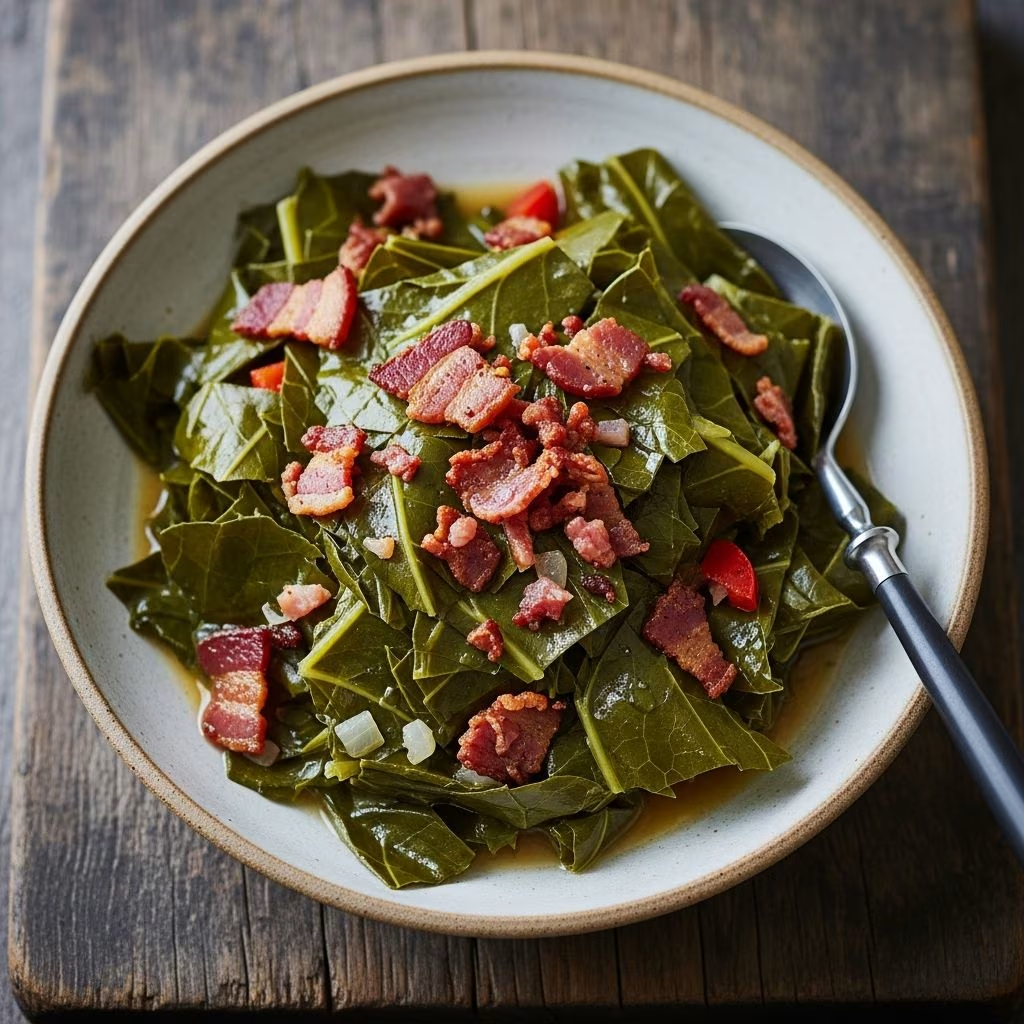
Collard greens represent one of the most cherished vegetables in traditional Southern cuisine, offering both nutritional value and exceptional flavor when prepared properly. This versatile leafy green transforms into a deeply satisfying dish when combined with smoky bacon, caramelized aromatics, and well-balanced seasonings. Whether you’re exploring Southern cooking traditions or seeking a nutritious addition to your meal rotation, mastering this classic preparation method opens doors to countless dining possibilities.
Understanding the Foundation: What Makes This Dish Special
The appeal of collard greens lies in their ability to absorb flavors from surrounding ingredients while maintaining structural integrity throughout the cooking process. Unlike more delicate greens that wilt quickly, collards actually improve with extended cooking, becoming increasingly tender and allowing their natural earthiness to develop fully. The combination of crispy pork, sweet onions, and aromatic garlic creates a flavor foundation that elevates simple greens into a memorable side dish.
The cooking technique matters significantly when preparing collard greens. Rather than steaming or boiling, this method incorporates the greens directly into rendered bacon fat and broth, ensuring every leaf becomes infused with complementary flavors. This approach differs from preparing other leafy vegetables and requires understanding the proper balance between cooking time and texture.
Essential Ingredients and Their Roles
Each ingredient serves a specific purpose in creating the final dish:
- Olive oil: Provides initial cooking medium and prevents sticking during the bacon preparation phase
- Bacon: Contributes smoky depth, creates flavorful fat for sautéing aromatics, and adds textural contrast
- Onion: Develops sweetness through caramelization and provides aromatic complexity
- Garlic: Adds pungent, savory notes that complement the bacon’s smokiness
- Chicken broth: Serves as the cooking liquid that tenderizes greens while allowing flavor absorption
- Red pepper flakes: Introduces subtle heat and prevents the dish from becoming overly rich
- Salt and pepper: Balance overall flavors and enhance natural vegetable taste
Ingredient Quality Considerations
The quality of ingredients directly impacts the final result. Fresh collard greens with firm, unblemished leaves will yield better texture than older specimens. Choosing thick-cut bacon ensures sufficient fat rendering and creates larger, crispier pieces that provide textural interest throughout the dish. Using good-quality chicken broth, whether homemade or store-purchased, prevents unwanted sodium overload while providing genuine chicken flavor rather than artificial seasoning.
Step-by-Step Preparation Method
Initial Setup and Bacon Preparation
Begin by heating olive oil in a large, heavy-bottomed pot over medium-high heat. Once the oil shimmers, add bacon slices and allow them to cook undisturbed for several minutes. The bacon should gradually render its fat into the pot while developing crispy edges. Stir occasionally to ensure even cooking, continuing until the bacon reaches your preferred crispness level. This usually requires 8-10 minutes, depending on bacon thickness and heat intensity.
Transfer the cooked bacon to a paper towel-lined plate, allowing excess grease to drain. Once cooled slightly, crumble the bacon into bite-sized pieces and reserve for later addition. The rendered bacon fat remaining in the pot becomes the flavorful cooking medium for subsequent ingredients.
Building Aromatic Layers
With the pot still over medium-high heat, add the chopped onion directly to the bacon-infused oil. Stir frequently, allowing the onion pieces to soften and begin caramelizing. This process typically requires 5-7 minutes. The onion will gradually transition from raw and sharp to tender and slightly sweet, releasing aromatic compounds that fill your kitchen with enticing scents.
Add the minced garlic and cook for an additional minute, stirring constantly. This brief cooking period mellows the garlic’s raw bite while releasing its aromatic oils. Be careful not to allow the garlic to brown, as burnt garlic imparts an unpleasant bitter flavor that dominates the finished dish.
Introducing and Preparing the Greens
Add the collard greens to the pot, stirring to combine them with the bacon fat and aromatics. The greens will appear to overflow the pot initially, but they’ll rapidly reduce in volume as they begin wilting. Continue stirring for 3-5 minutes, ensuring even distribution of the flavoring ingredients throughout the greens. This initial frying phase allows the collard leaves to begin softening while absorbing flavors from the bacon and aromatics.
The Braising Phase
Pour the chicken broth over the wilted greens and add the crumbled bacon, salt, pepper, and red pepper flakes. Stir thoroughly to combine all components evenly. Increase the heat to bring the liquid to a gentle simmer, then immediately reduce the heat to low. Cover the pot with a lid or tight-fitting foil.
Allow the covered pot to simmer undisturbed for 45 minutes. During this extended cooking period, the collard leaves continue softening, the broth reduces slightly in volume, and flavors meld together harmoniously. The long, slow cooking differentiates this method from quick vegetable preparations, allowing the greens’ natural earthiness to develop fully while complementary flavors penetrate each leaf.
Timing and Doneness Assessment
| Cooking Stage | Duration | Key Characteristics |
|---|---|---|
| Bacon preparation | 8-10 minutes | Bacon becomes crispy; fat renders into pot |
| Onion and garlic sauté | 6-8 minutes | Onion softens and caramelizes; garlic becomes fragrant |
| Initial green wilting | 3-5 minutes | Collards reduce in volume; leaves become pliable |
| Braising | 45 minutes | Greens become very tender; broth reduces; flavors blend |
The collard greens achieve proper doneness when the leaves have become very tender and break apart easily when pressed with a spoon. The resulting texture should be neither mushy nor firm—instead, tender enough to cut with minimal effort. A slight reduction in broth volume indicates proper liquid evaporation, though some cooking liquid should remain in the pot for serving.
Flavor Enhancement and Customization Options
Heat Level Adjustment
The red pepper flakes provide subtle warmth without overpowering other flavors. Those preferring additional heat can incorporate Tabasco sauce or Louisiana-style hot sauce during the braising phase. Add these condiments gradually, tasting between additions to avoid making the dish excessively spicy. Conversely, those sensitive to heat can reduce or omit red pepper flakes entirely.
Acidic Components
Apple cider vinegar introduces brightness that cuts through the dish’s richness. Add a tablespoon or two during the final few minutes of cooking, stirring to distribute evenly. The vinegar’s tanginess prevents the bacon and broth from becoming one-dimensional, while also contributing subtle complexity. White vinegar or rice vinegar serve as acceptable alternatives, though each imparts slightly different flavor profiles.
Additional Seasonings
A modest amount of brown sugar, around one tablespoon, can mellow the collards’ natural bitterness without creating sweetness. Smoked paprika adds depth without increasing heat level. Fresh thyme or bay leaves during braising introduce additional aromatic dimensions. Experiment cautiously with any additions, remembering that flavors concentrate as liquid reduces.
Ingredient Variations and Substitutions
While the classic preparation calls for specific ingredients, several substitutions work well depending on dietary preferences or availability. Turkey bacon provides a leaner alternative to traditional bacon while contributing adequate flavor. Vegetable or beef broth can replace chicken broth, though each creates distinctly different flavor profiles. Those avoiding pork entirely can achieve similar results using diced prosciutto or pancetta in smaller quantities.
The onion species affects sweetness levels—yellow onions provide standard sweetness, while Vidalia onions offer enhanced natural sugar content. Garlic quantity can be adjusted based on personal preference, from one clove for subtle background notes to four or more for garlic-forward intensity.
Seasoning the Collard Greens Properly
Proper seasoning requires a balanced approach. Adding all salt and pepper at the beginning of braising allows these seasonings to distribute throughout the cooking liquid and penetrate the greens thoroughly. However, taste the dish during the braising process around the 30-minute mark and adjust seasonings as needed. Remember that flavors intensify as liquid reduces, so initial underseasoning is preferable to over-salting.
Serving and Storage Guidance
Optimal Serving Methods
Serve the collard greens hot from the pot, ensuring each portion includes both leaves and cooking liquid. The liquid contributes essential moisture and flavor to individual servings. These greens pair exceptionally well with cornbread, fried chicken, smoked meats, or blackened fish, making them versatile for various meal compositions.
Storage Recommendations
Leftover collard greens store well in refrigerator-safe containers for up to four days. The flavors actually deepen over this storage period as ingredients continue melding. Reheat gently on the stovetop over low-to-medium heat, adding small quantities of broth if the mixture appears too dry. The greens also freeze successfully for up to three months, though texture becomes slightly softer upon thawing.
Nutritional Considerations
Collard greens represent nutrient-dense vegetables, providing substantial quantities of vitamins K and C, dietary fiber, and various minerals. The bacon and broth additions increase the overall fat and sodium content compared to plain steamed greens, but the quantities remain reasonable within a balanced diet. The extended cooking process may reduce some water-soluble vitamins, though the absorption of fat-soluble vitamins improves through bacon fat presence.
Common Preparation Mistakes to Avoid
- Overcrowding the pot: Collard greens require adequate space for even cooking; work in batches if necessary
- Cooking bacon too long: Excessively cooked bacon becomes tough rather than crispy and flavorful
- Insufficient braising time: Cooking less than 45 minutes results in greens that remain tough and fibrous
- Neglecting to taste and adjust: Failing to season properly results in flat, underseasoned final dishes
- Using wilted or damaged greens: Starting with poor-quality produce results in disappointing texture and flavor
- Exceeding heat during braising: Vigorous boiling rather than gentle simmering causes excessive liquid evaporation and overcooking
Frequently Asked Questions
Can I use frozen collard greens instead of fresh?
Frozen collard greens work acceptably, though they typically yield softer, less flavorful results compared to fresh greens. If using frozen varieties, reduce braising time to 20-30 minutes since the greens are partially pre-cooked. Thaw frozen greens completely and squeeze out excess moisture before adding to the pot.
How much does this recipe yield?
This recipe typically serves 6 people as a side dish. The one pound of fresh greens reduces significantly during cooking, yielding approximately 3-4 cups of finished product. Adjust ingredient quantities proportionally for different serving sizes.
Can I prepare this dish in advance?
Yes, collard greens actually taste superior when prepared several hours or even a day in advance, allowing flavors to meld further. Reheat gently before serving, adding additional broth if needed to achieve desired consistency.
What if my greens taste bitter?
Bitterness often indicates insufficient cooking time or under-seasoning. Extend braising time by 15 minutes and taste again. If bitterness persists, add a tablespoon of brown sugar or apple cider vinegar, both of which mellow bitter compounds effectively.
Can I make this recipe vegetarian?
Remove the bacon and substitute vegetable broth for chicken broth. Compensate for lost smoky depth by adding smoked paprika or a small quantity of liquid smoke. Increase garlic and onion quantities to enhance flavor complexity.
Conclusion: Mastering This Classic Preparation
Creating excellent collard greens requires understanding the interplay between ingredients and cooking methods rather than following instructions robotically. By respecting the vegetables’ nature, rendering quality bacon properly, and allowing adequate braising time, you’ll develop the skills to prepare this classic dish consistently. Whether serving at family gatherings or weeknight dinners, well-prepared collard greens deliver satisfying flavor and nutritional value that justifies the minimal effort required.
References
- Collard Greens Nutrition and Health Benefits — United States Department of Agriculture, National Agricultural Library. 2024. https://www.nal.usda.gov/
- Southern Cooking Traditions and Methods — Smithsonian Magazine. 2023. https://www.smithsonianmag.com/
- Culinary Techniques for Braised Vegetables — The Culinary Institute of America. 2024. https://www.ciachef.edu/
- Collard Greens Recipe — Tucson CSA. https://tucsoncsa.org/recipe/kickin-collard-greens/
- Traditional Collard Greens Preparation — Lady Moon Farms. https://ladymoonfarms.com/kickin-collards/