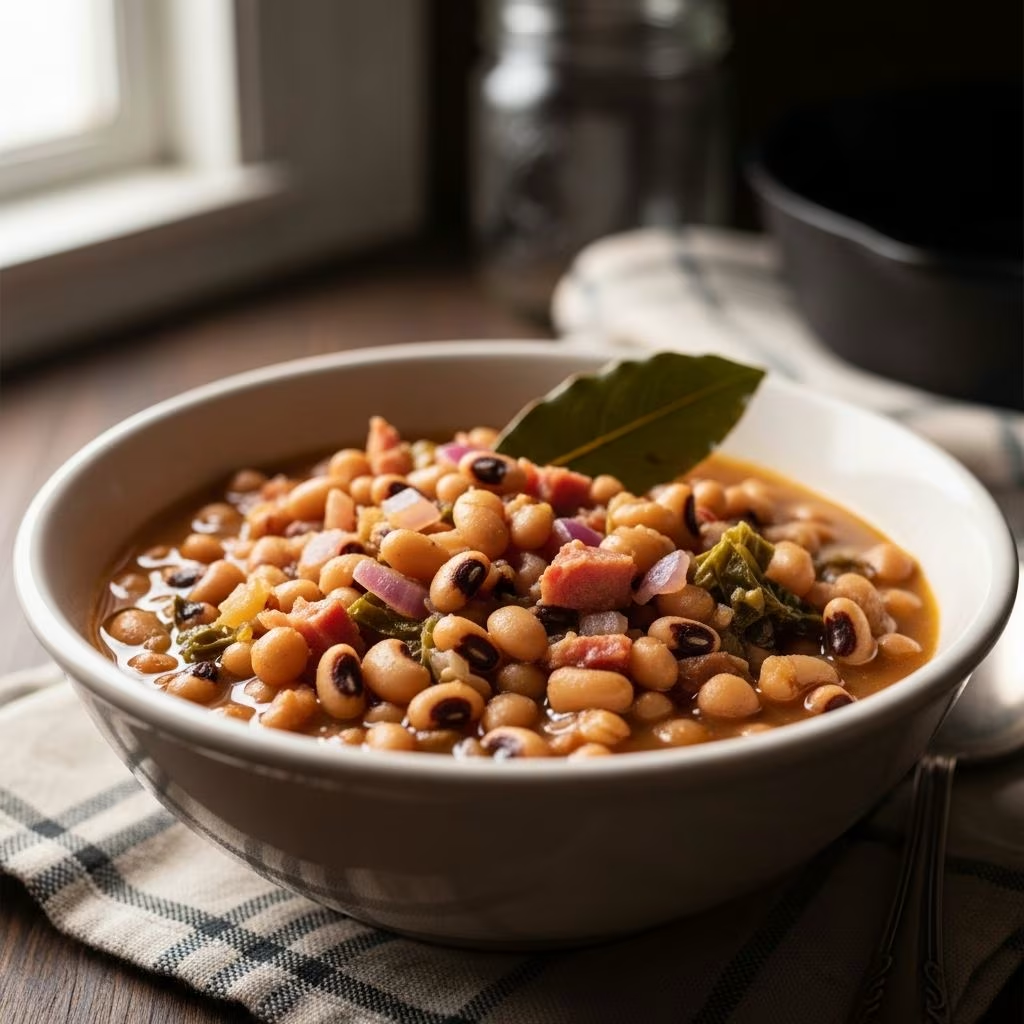
Black-eyed peas represent one of the most cherished staples of Southern cuisine, delivering both nutritional value and deep, satisfying flavors. This legume-based dish combines protein-rich dried peas with smoky meats, aromatic vegetables, and warming spices to create a hearty meal that has graced Southern tables for generations. Whether you are preparing this dish for a casual weeknight dinner or a special celebration, understanding the proper techniques and ingredient selections will elevate your cooking results significantly.
Understanding Black-Eyed Peas as a Culinary Foundation
Black-eyed peas are small, cream-colored legumes marked by a distinctive dark spot, which gives them their recognizable name. These versatile ingredients provide substantial nutritional benefits, including high protein and fiber content that supports sustained energy and digestive health. In Southern cooking traditions, black-eyed peas hold cultural significance, often appearing at New Year celebrations and family gatherings as symbols of prosperity and good fortune. The mild, slightly earthy flavor of these legumes makes them an ideal canvas for the bold seasonings characteristic of Southern cuisine.
When selecting black-eyed peas for cooking, choosing high-quality dried varieties ensures optimal texture and flavor development. Look for peas that appear uniform in color and size, avoiding any that show signs of discoloration or damage. Purchasing from sources with high turnover guarantees fresher products, as older dried peas may require extended cooking times and may not achieve the desired tenderness.
Essential Ingredient Categories and Their Roles
Protein Components
The meat element in Southern black-eyed peas serves multiple functions beyond adding protein. Smoked meats infuse the entire dish with complex, savory depth that cannot be achieved through seasoning alone. Traditional choices include bacon, smoked sausage, ham hocks, and smoked turkey options. Bacon provides crispy texture and renders fat that becomes a flavor foundation for sautéing aromatic vegetables. Smoked sausage adds substantial meatiness and spiced notes that complement the legumes beautifully. For cooks seeking to reduce pork consumption, smoked turkey wings or legs offer comparable flavor profiles with lighter fat content. Each protein choice creates subtle variations in the final dish’s character while maintaining the authentic Southern foundation.
Aromatic Vegetable Base
Building a flavorful foundation begins with properly preparing onions, garlic, and celery. These vegetables, when sautéed until translucent and fragrant, release their natural sugars and create a flavor base that permeates throughout the cooking process. Bell peppers, traditionally included in Southern cooking, add sweetness and textural interest. Jalapeños introduce mild heat and complexity that layers beautifully with the earthiness of the peas. Mincing garlic finely ensures even distribution of its pungent, aromatic qualities throughout the pot.
Spice and Seasoning Profile
The seasoning approach in Southern black-eyed peas balances warm spices with savory elements. Common selections include smoked paprika, which reinforces the smoky qualities already present from the meats; garlic powder and onion powder for concentrated vegetable flavors; and cayenne pepper for gentle heat. Bay leaves impart subtle botanical notes, while thyme and sage add herbaceous complexity. Some preparations include Creole seasoning blends that encompass multiple spice elements simultaneously, streamlining the seasoning process while maintaining traditional flavor profiles. Salt requires particular attention, as the proper quantity enhances all other flavors while insufficient salt leaves the dish tasting flat and incomplete.
Preparation Techniques: Building Your Foundation
Soaking Strategy
Soaking dried black-eyed peas before cooking serves multiple important purposes. This essential step rehydrates the legumes, beginning the cooking process and reducing overall cooking time significantly. The overnight soak, using cold water that covers the peas by three to four inches, represents the traditional approach. For cooks operating on shorter timelines, quick-soaking methods involve bringing the peas and water to a boil, then allowing them to rest for one hour before draining and proceeding. Both methods effectively soften the pea skins and prepare the interior for cooking. After soaking, rinsing the peas removes any debris, foreign objects, or loose skins that may have accumulated during storage or soaking.
Meat Preparation and Initial Cooking
Beginning with properly prepared proteins establishes the flavor foundation for your entire dish. If using bacon, rendering it slowly over medium heat until crispy creates rendered fat and flavorful meat pieces. This rendered fat becomes the cooking medium for the aromatic vegetables, creating continuity in flavor development. Smoked sausage requires brief cooking to warm it through and encourage browning, which deepens its flavor contribution. These meat components, when removed temporarily and set aside, prevent overcooking while allowing vegetable aromatics to develop properly before recombining all elements.
Comprehensive Cooking Method and Timing
Phase One: Establishing Flavor
The initial cooking phase focuses on developing deep, complex flavors through proper sautéing and combining techniques. After removing cooked meat from the pot, add your prepared vegetables to the rendered fat or oil remaining in the pan. Sauté onions, celery, and bell pepper for approximately three to five minutes until they become translucent and release their aromatic compounds. Add minced garlic for only thirty seconds to one minute of cooking, preventing any bitter flavors that result from overcooking. Reintroduce the cooked meat to the pot, then add your spice selections and stir thoroughly to coat all ingredients with the seasoning blend.
Phase Two: Bringing Everything Together
Drain your soaked peas thoroughly and add them to the seasoned meat and vegetable mixture. Pour in chicken broth or water, using six to ten cups depending on your preferred final consistency and the quantity of peas being prepared. Stir everything together thoroughly, ensuring spices distribute evenly and no peas become trapped at the pot bottom where they might stick or burn. Bring the mixture to a boil over medium-high heat, then reduce the temperature to a gentle simmer and cover the pot with a lid.
Phase Three: Patient Simmering and Development
The simmering phase typically requires between one and one and a half hours, during which the peas gradually soften while absorbing all the flavors from the meat, vegetables, and spices. Stir occasionally and monitor the liquid level, as water gradually evaporates during cooking. If the mixture appears too dry before the peas achieve desired tenderness, add additional water or broth in one-cup increments. Some cooks prefer to remove the cover during the final twenty to thirty minutes of cooking to allow excess liquid to evaporate and create a thicker, more concentrated sauce that clings to each pea.
Texture Refinement and Final Adjustments
The desired final texture of black-eyed peas can be adjusted to personal preference through cooking duration and post-cooking manipulation. For a brothier consistency that resembles a hearty soup, maintain sufficient liquid throughout cooking and serve with a slotted spoon into bowls containing additional broth. For a thicker, more stew-like preparation, reduce liquids in the final cooking stages and optionally smash some of the cooked peas against the pot interior using the back of a wooden spoon. This technique creates a creamier overall texture while maintaining some whole peas for visual interest and varied mouthfeel.
Taste testing near the end of cooking allows for final seasoning adjustments. Additional salt, pepper, or spice additions can be made at this stage without affecting the cooking process. Many cooks prefer to season conservatively during initial stages and adjust at the end, as this approach provides greater control over the final flavor intensity.
Serving Suggestions and Complementary Preparations
Traditional Accompaniments
Southern black-eyed peas pair beautifully with cornbread, whose slightly sweet flavor and crumbly texture contrast wonderfully with the savory legumes. Rice provides a neutral foundation that stretches the dish and allows diners to customize each bite’s proportions. Collard greens or other hearty vegetables add nutritional balance and textural variety to the meal. Hot sauce or pepper vinegar on the side allows individual diners to adjust heat levels according to personal preference.
Storage and Reheating
This dish actually improves after a day or two as flavors continue melding and deepening. Store leftovers in airtight containers in the refrigerator for up to four days, or freeze for several months. Reheating on the stovetop over low heat with occasional stirring prevents scorching and allows gradual temperature elevation. Adding a splash of water or broth during reheating restores desired consistency if thickening occurred during storage.
Troubleshooting Common Issues
| Challenge | Cause | Solution |
|---|---|---|
| Peas remain hard after extended cooking | Insufficient soaking or very old peas | Ensure overnight soaking; use fresher peas from high-turnover sources |
| Dish tastes bland | Inadequate seasoning or salt | Taste frequently during cooking; add salt gradually in teaspoon increments |
| Mixture becomes too thick or sticks | Excessive evaporation | Monitor liquid levels; add water or broth when level drops below pea coverage |
| Meat becomes tough or stringy | Overheating rendered fat or overcooking meat | Cook meat at medium temperature; remove from pot if necessary and recombine later |
Frequently Asked Questions
Can I use canned black-eyed peas instead of dried?
Yes, canned peas can substitute for dried varieties, though the cooking process differs significantly. Canned peas are already cooked and require only heating through with seasonings and meats. Use approximately two and a half to three cans (each containing roughly fifteen ounces) to replace one pound of dried peas. Add canned peas toward the end of cooking to prevent mushiness, as they require only fifteen to twenty minutes of heating compared to the one to one and a half hours needed for dried peas.
What distinguishes black-eyed peas from other legume varieties?
Black-eyed peas belong to the cowpea family and feature cream-colored skin marked by a distinctive dark spot. Unlike kidney beans or chickpeas, which have denser textures and earthier flavors, black-eyed peas maintain a slightly delicate structure when properly cooked and offer a milder taste profile. This characteristic makes them especially suitable for dishes where other ingredients can shine without being overwhelmed by bean flavor.
How far in advance can I prepare this dish?
Black-eyed peas actually develop superior flavor when prepared one to two days ahead of serving. The additional time allows flavors to continue melding and intensifying. You can prepare the entire dish up to three days before serving, storing it covered in the refrigerator. Freezing for up to three months allows for even longer advance preparation, though flavor quality remains optimal within the first month of freezing.
Is it necessary to include meat in this recipe?
While meat traditionally defines Southern black-eyed peas, vegetarian preparations are certainly possible. Omit meat components and increase vegetable quantities, potentially adding mushrooms for umami depth. Vegetable broth replaces meat-based broths, and smoked paprika or liquid smoke contributes the characteristic smoky flavor typically derived from meats. These modifications produce a genuinely satisfying dish, though with a distinctly different character from traditional preparations.
Nutritional Considerations and Health Benefits
Black-eyed peas contribute significant nutritional value to any diet. As excellent plant-based protein sources, they support muscle maintenance and repair, particularly beneficial for vegetarians or those seeking to diversify protein sources. High fiber content promotes digestive health and contributes to sustained energy levels throughout the day. These legumes also provide essential minerals including magnesium, potassium, and phosphorus. When combined with whole grains like brown rice or cornbread, black-eyed peas create complete protein profiles containing all essential amino acids. While the addition of rendered meat fat and salt contributes to calorie and sodium content, the overall nutritional profile remains positive, particularly when portions are appropriately sized within a balanced diet.
Regional Variations and Creative Adaptations
While this recipe presents foundational Southern preparation methods, regional variations reflect local ingredient availability and cultural preferences. Coastal Southern regions might incorporate shrimp or seafood-infused broths. Urban preparations sometimes include tomato products for additional acidity and depth. Some families introduce unconventional ingredients like apple cider vinegar or hot sauce for distinctive flavor signatures passed through generations. These creative adaptations honor the core preparation while allowing personal or regional expression. Experimenting with different meat combinations, additional vegetables, or unique spice additions can produce exciting results while maintaining connection to traditional cooking methods.
References
- Black-Eyed Peas Nutritional Profile and Health Benefits — USDA FoodData Central. Accessed April 2026. https://fdc.nal.usda.gov/
- Traditional Southern Legume Cooking Methods — Southern Food & Beverage Museum Research. 2024. https://www.southernfood.org/
- Aromatic Vegetable Foundation Techniques in Culinary Science — University of Kentucky Cooperative Extension, Department of Food Science. 2023. https://www.uky.edu/
- Creole and Cajun Seasoning Applications in Regional Cuisine — Louisiana State University Agricultural Center. 2025. https://www.lsu.edu/
- Legume Hydration and Cooking Process Optimization — Colorado State University Extension. 2024. https://extension.colostate.edu/
- Protein and Fiber Content in Legume-Based Dishes — National Institutes of Health Nutrition Research Division. 2025. https://nih.gov/