Understanding This Timeless Legume Soup
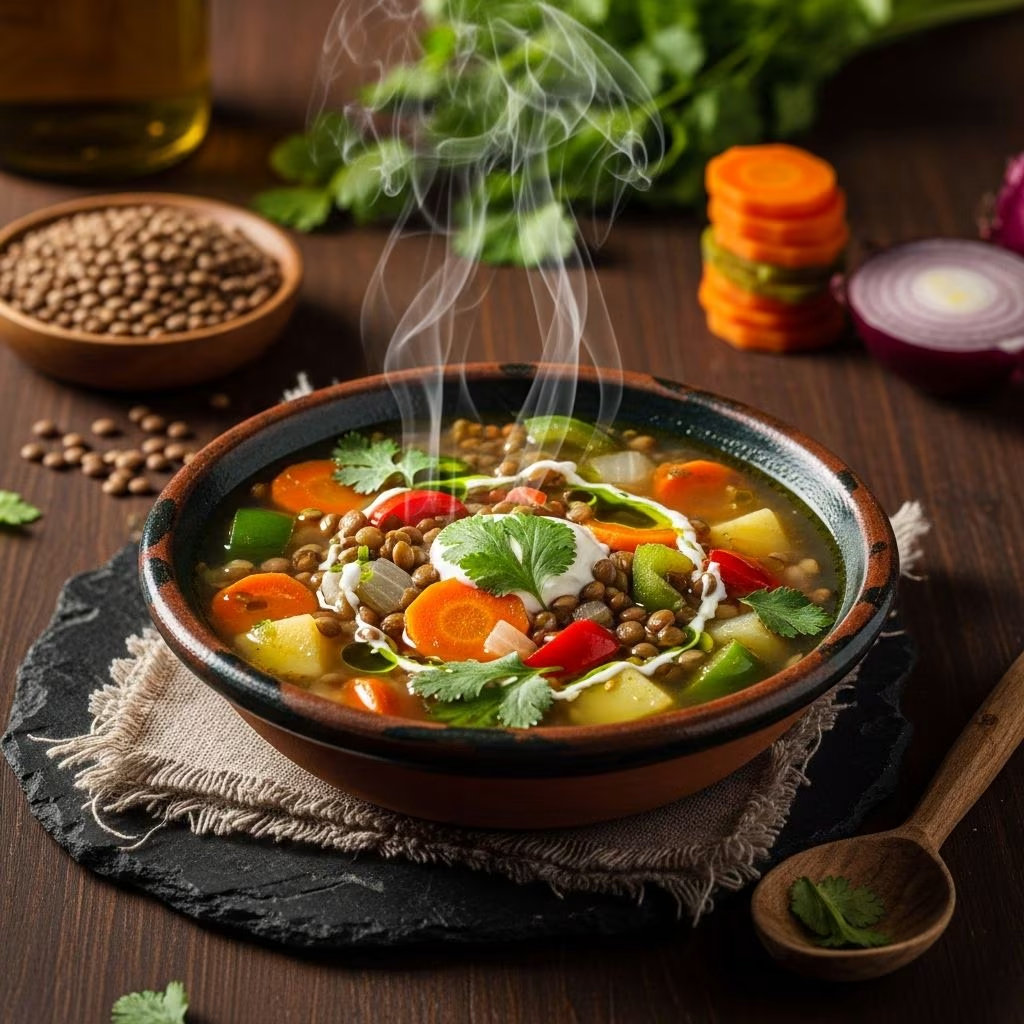
Sopa de lentejas represents one of Latin America’s most cherished culinary traditions, offering warmth, nourishment, and simplicity in a single bowl. This humble legume-based soup has transcended generations and borders, becoming a staple across Mexico, Cuba, Colombia, the Dominican Republic, and Spain. The beauty of this dish lies in its adaptability—while maintaining core ingredients, each region has developed its own interpretation, reflecting local produce, cultural preferences, and cooking techniques.
The foundation of any quality sopa de lentejas begins with understanding the versatility of lentils themselves. These nutritious pulses cook relatively quickly compared to other legumes, making them ideal for weeknight meals without sacrificing depth of flavor or satisfaction. Whether you’re preparing a straightforward version or incorporating regional specialties, this soup demonstrates how fundamental ingredients can create something genuinely comforting and memorable.
Essential Components for Building Flavor
Primary Ingredients
The cornerstone of any sopa de lentejas begins with dried brown lentils, which maintain their structure during cooking while developing a creamy texture. Most traditional recipes call for one to one-and-a-half cups of dried lentils, though quantities vary depending on desired consistency and serving size. Unlike red lentils, which break down into a puree, brown varieties preserve their shape, creating a more textured and visually appealing final dish.
The aromatic base typically consists of onions, carrots, and celery, which are sautéed together to release their natural sugars and create a flavorful foundation. This mirepoix-style preparation enhances overall depth before introducing remaining components. Garlic, minced or crushed, adds pungent complexity that rounds out the vegetable profile.
Broth and Seasonings
Quality chicken or vegetable broth forms the cooking liquid, with recipes typically requiring four to ten cups depending on preferred consistency. Some preparations use water combined with bouillon cubes or bases for added umami depth. Seasoning profiles vary regionally but commonly include cumin, oregano, paprika, and bay leaves. Salt and black pepper are adjusted to taste at the end of cooking.
Regional Variations Across Latin America
| Region | Key Distinguishing Ingredients | Cooking Approach |
|---|---|---|
| Mexico | Fresh cilantro, tomatoes, jalapeños, lime juice | 30-minute stovetop preparation |
| Cuba | Ham hock, green peppers, tomato paste, oregano | Extended simmering for rich broth |
| Colombia | Chorizo, potatoes, cream, scallions | Two-stage cooking with protein addition |
| Dominican Republic | Auyama squash, thyme, culantro, smoked pork | Vegetable-forward with optional protein |
| Spain | Green beans, leeks, potatoes, cumin-coriander blend | Spice-layered preparation |
Mexican Interpretation
The Mexican version emphasizes freshness and brightness, incorporating diced tomatoes, jalapeños, and abundant cilantro. Many preparations finish with lime juice and optional hot sauce for additional complexity. Some variations include bacon for smokiness, while others remain vegetarian for flexibility. This rendition typically comes together in thirty minutes or less, making it accessible for weeknight dinners.
Cuban Approach
Cuban sopa de lentejas, often called potaje de lentejas, tends toward heartier compositions featuring smoked pork elements like ham hocks. The inclusion of green peppers and tomato paste creates a more concentrated, savory broth. This version benefits from extended simmering, allowing flavors to meld and develop complexity.
Colombian and Dominican Styles
Colombian preparations frequently incorporate chorizo and potatoes, sometimes finishing with cilantro cream for richness. Dominican versions showcase local squash varieties like auyama, fresh herbs such as culantro, and optional smoked pork chops. Both approaches reflect regional ingredient availability and cultural food preferences.
Step-by-Step Preparation Method
Initial Sauté Stage
- Heat oil in a large stockpot over medium to medium-high heat
- Add diced onions, carrots, and celery; sauté until softened, approximately three to five minutes
- Introduce minced garlic and cook for an additional minute until fragrant
- If using bacon or chorizo, render until crispy, then remove and set aside for later addition
Building the Soup Base
- Add rinsed lentils to the aromatics, stirring to combine thoroughly
- Pour in broth or water, ensuring all ingredients are fully submerged
- Introduce bay leaves, cumin, oregano, or other chosen spices
- Bring the mixture to a rolling boil, then reduce heat to low
Simmering and Finishing
- Maintain a gentle simmer, uncovered or partially covered, for twenty to forty-five minutes depending on lentil size and desired texture
- Stir occasionally to prevent sticking and ensure even cooking
- Add potatoes or other vegetables during mid-cooking if using regional variations
- Incorporate fresh herbs like cilantro or culantro during final minutes
- Taste and adjust seasoning with salt, pepper, and additional spices as needed
Ingredient Selection and Preparation Tips
Choosing the Right Lentils
Brown lentils, labeled as “lentejas pardinas” in Spanish-speaking regions, represent the traditional choice for authentic sopa de lentejas. These retain their shape during cooking while achieving a tender consistency. Green lentils also work well, though they require slightly longer cooking times. Red lentils are inappropriate for this preparation, as they disintegrate into mush, fundamentally altering the soup’s texture and appearance.
Vegetable Preparation
Consistent cutting ensures even cooking throughout the soup. Most preparations use small dice or thin rounds, allowing vegetables to contribute flavor while remaining distinguishable in the final dish. For Mexican and simpler preparations, rougher cuts work fine, while Cuban and Spanish versions benefit from more uniform sizing.
Broth Selection
Quality broth significantly impacts final results. Chicken broth provides savory depth, while vegetable broth maintains a lighter profile for vegetarian versions. Bone broth offers additional collagen and richness, though standard broths work perfectly well. Always use low-sodium varieties to maintain control over overall saltiness.
Cooking Methodologies
Traditional Stovetop Preparation
Most authentic recipes rely on conventional stovetop cooking, offering complete control over heat levels and timing. This method typically requires thirty to forty-five minutes from start to finish, making it practical for most home cooks.
Instant Pot and Pressure Cooking
Modern pressure cookers reduce cooking time significantly while maintaining flavor development. This method works particularly well for Colombian and Cuban versions incorporating additional proteins or vegetables requiring longer cooking.
Serving Suggestions and Accompaniments
Sopa de lentejas pairs beautifully with warm bread, tortillas, or empanadas, allowing diners to create personalized flavor combinations. Many recipes suggest finishing touches that enhance individual bowls:
- Fresh lime juice squeezed over each serving brightens flavors and adds acidity
- Hot sauce or fresh jalapeños provide heat and complexity
- Cilantro cream offers richness for Colombian variations
- Crumbled cheese adds textural contrast and saltiness
- Crushed avocado provides creaminess and subtle nuttiness
Nutritional Considerations
Lentils represent nutritional powerhouses, providing plant-based protein, dietary fiber, and essential minerals including iron, folate, and manganese. A typical serving of sopa de lentejas delivers substantial nutritional value, with many recipes yielding approximately 134 calories per serving and significant protein content. The inclusion of fresh vegetables adds vitamins and additional fiber, creating a well-rounded, satisfying meal suitable for various dietary preferences.
Common Questions About Preparation
How thick should the soup be?
Consistency preferences vary regionally and personally. Mexican versions tend toward brothier preparations with visible vegetables and lentils suspended in liquid, while Cuban versions develop thicker, more stew-like consistencies. Adjust by adding more broth for thinness or reducing liquid for concentration.
Can I prepare this soup in advance?
Sopa de lentejas improves with time as flavors develop and meld. It stores well in the refrigerator for up to five days and freezes excellently for three months, making it ideal for batch cooking and meal preparation.
What if I cannot find certain ingredients?
The fundamental flexibility of this soup accommodates ingredient substitutions. Cannot locate fresh culantro? Use cilantro. No auyama squash? Substitute regular squash or potatoes. This adaptability reflects how the dish has spread across cultures and adapted to local availability.
Is this soup vegetarian-friendly?
Absolutely. Many traditional preparations contain no meat, using vegetable broth and eliminating chorizo, bacon, or ham. Simply substitute vegetable bouillon for chicken bouillon and use vegetable broth throughout.
Conclusion: The Enduring Appeal of Sopa de Lentejas
Sopa de lentejas transcends simple classification as mere soup—it represents culinary tradition, cultural identity, and the universal human desire for nourishing comfort. Whether following a quick Mexican preparation or a more elaborate Colombian version, this dish demonstrates how humble ingredients transform into something genuinely special through technique and care. The adaptability across regions and personal preferences ensures that home cooks everywhere can create authentic versions reflecting their available ingredients and taste preferences, keeping this beloved tradition alive for future generations.
References
- Sopa De Lentejas (Mexican Lentil Soup) — Muy Delish. Accessed April 2026. https://www.muydelish.com/lentil-soup/
- Mexican Lentil Soup (Sopa de Lentejas) — Everyday Latina. Accessed April 2026. https://everydaylatina.com/instant-pot-jalapeno-bacon-lentils/
- Spanish Lentil Soup (Sopa de Lentejas) — Six Hungry Feet. Accessed April 2026. https://sixhungryfeet.com/easy-carrot-and-lentil-soup-sopa-de-lentejas/
- Cuban Lentil Soup – Potaje de Lentejas — Casablanca Cooks. Accessed April 2026. https://www.casablancacooks.com/cuban-lentil-soup-potaje-de-lentejas/
- Sopa de Lentejas — Your Latina Nutritionist. Accessed April 2026. https://yourlatinanutritionist.com/blog/sopa-de-lentejas
- Sopa de Lentejas (Colombian-Style Lentil Soup) — My Colombian Recipes. Accessed April 2026. https://www.mycolombianrecipes.com/colombian-style-lentil-soup-sopa-de/
- Dominican Lentil Soup Recipe | Sopa de Lentejas — Chef Zee Cooks. Accessed April 2026. https://www.youtube.com/watch?v=OsAJfOllHpg