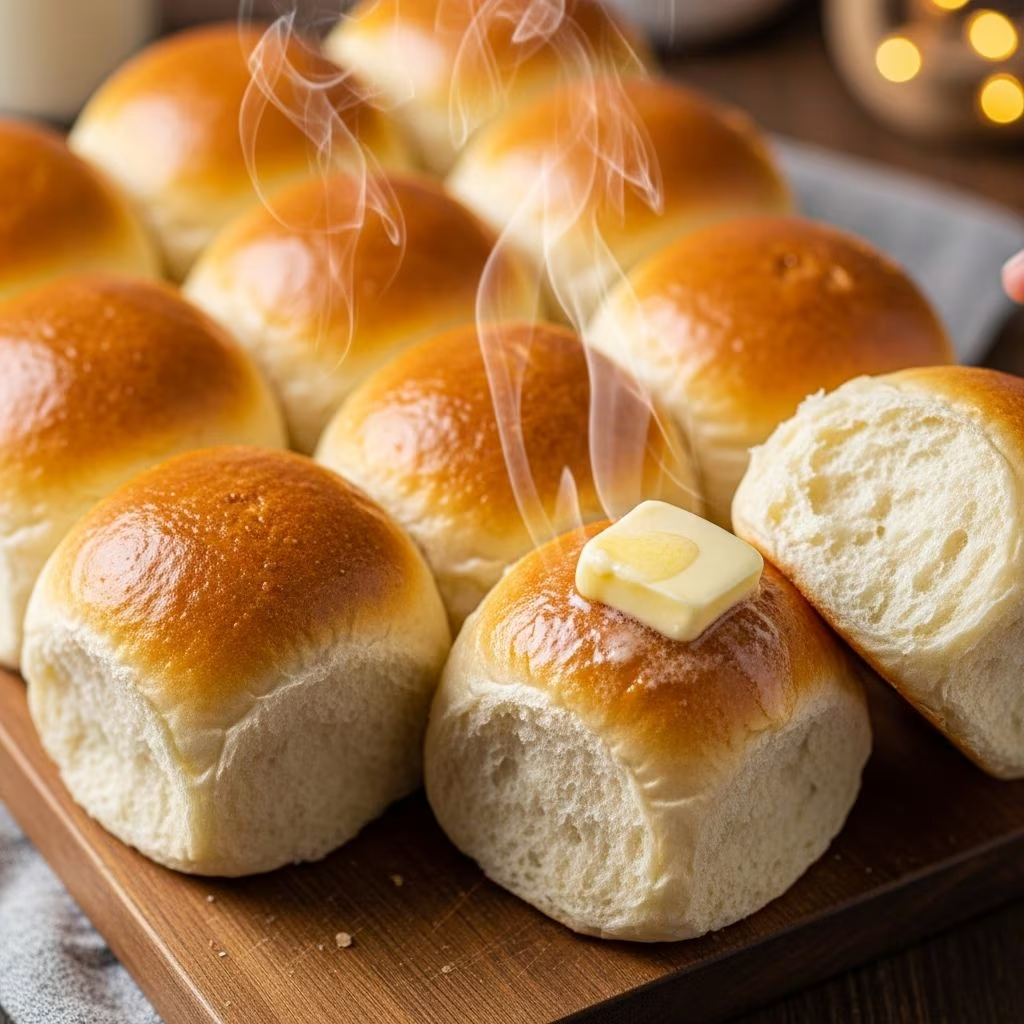
Soft, fluffy milk buns represent the pinnacle of homemade bread baking, thanks to a simple yet transformative technique called tangzhong. These rolls stay moist for days, pull apart with a satisfying stringy texture, and pair perfectly with butter, honey, or savory fillings. This guide walks you through creating bakery-worthy buns from scratch, with variations to suit any occasion.
Why Tangzhong Makes All the Difference
The magic behind exceptionally tender milk buns lies in tangzhong, a preheated flour-and-liquid paste originating from Asian baking traditions. By gelatinizing starch molecules, tangzhong allows the dough to hold more moisture without becoming sticky, resulting in buns that resist drying out and boast an airy, feathery crumb. Unlike standard bread doughs, which toughen over time, tangzhong-enriched versions maintain their pillowy softness even after several days.
Bakers praise this method for its reliability across climates and skill levels. It pre-cooks a portion of the flour, breaking down proteins early to prevent gluten overdevelopment during kneading. The result? Rolls that rise higher, brown evenly, and pull apart in delicate strands—ideal for dinner tables, sandwiches, or sweet treats.
Essential Ingredients for Perfect Milk Buns
Selecting high-quality ingredients ensures success. Bread flour provides the high protein content (12-14%) needed for structure, while whole milk adds richness and tenderness. Here’s a breakdown:
- Bread flour: 350-425g for the dough, plus extra for tangzhong—creates strong gluten networks.
- Whole milk: 120-160ml warm (100-110°F) for activation and moisture.
- Active dry yeast: 8-12g to leaven the dough reliably.
- Granulated sugar: 45-60g for subtle sweetness and yeast feeding.
- Unsalted butter: 42-60g melted or softened for flavor and extensibility.
- Eggs: 1-2 large, one for dough, one for wash—enhances color and richness.
- Salt: 5g kosher or sea salt for balance (use Diamond Crystal for precision).
- Milk powder (optional): 1-2 tbsp boosts milk solids for extra softness.
For tangzhong specifically: 20-25g bread flour with 120g water or a milk-water mix. These ratios yield about 12 plush buns.
Step-by-Step Recipe: From Tangzhong to Oven
Plan for 3-4 hours total, including rises. Yields 9-12 buns.
1. Prepare the Tangzhong
In a small saucepan, whisk 23g bread flour with 120g water over medium heat. Stir constantly until it thickens to a ribbon-like paste (150-160°F, 2-3 minutes). Cool to room temperature, covered to prevent skinning. This step, done ahead, is crucial for moisture retention.
2. Activate Yeast and Mix Wet Ingredients
In a stand mixer bowl, combine 8g yeast, 45g sugar, and 120g warm milk. Whisk until dissolved. Add 42g melted butter, 1 egg, and cooled tangzhong. Stir smooth.
3. Develop the Dough
With dough hook, add 350g bread flour and 5g salt. Knead on medium 12-15 minutes until glossy and passing the windowpane test: stretch a small piece thin enough to see light through without tearing. The dough will be tacky but pull from bowl sides.
4. First Rise
Shape into a ball, place in oiled bowl, cover, and let rise 1-1.5 hours until doubled in warm spot.
5. Shape the Buns
Deflate gently, divide into 9-12 equal portions (about 70g each). Roll into taut balls, rest 10 minutes covered. Place seam-side down in buttered 9×9-inch pan or 10-inch skillet, spaced closely for pull-apart effect.
6. Second Proof
Cover and proof 45-60 minutes until puffy and increased by 50%.
7. Bake
Preheat oven to 375°F (convection) or 350°F conventional. Brush with egg wash (1 egg + 1 tbsp milk). Bake 25-35 minutes until deep golden. Brush with melted butter post-bake for shine.
Cool in pan 10 minutes, then on rack. Store airtight up to 4 days or freeze.
Pro Tips for Flawless Results
- Temperature control: Warm milk activates yeast; too hot kills it. Use thermometer.
- Windowpane test: Confirms proper kneading—essential for structure.
- Proofing check: Poke dough gently; slow return indicates readiness.
- Pan choice: Cast iron skillet promotes even browning and soft sides.
- High altitude: Reduce yeast by 25%, increase liquid slightly.
Delicious Variations to Try
Elevate basic milk buns with these twists:
| Variation | Add-Ins/Method | Best For |
|---|---|---|
| Honey Butter Filled | Mix 113g softened salted butter + 60g honey. Scoop into dough balls pre-proof. | Sweet breakfast rolls |
| Garlic Herb | Infuse butter with garlic, parsley; brush post-bake. | Dinner sides |
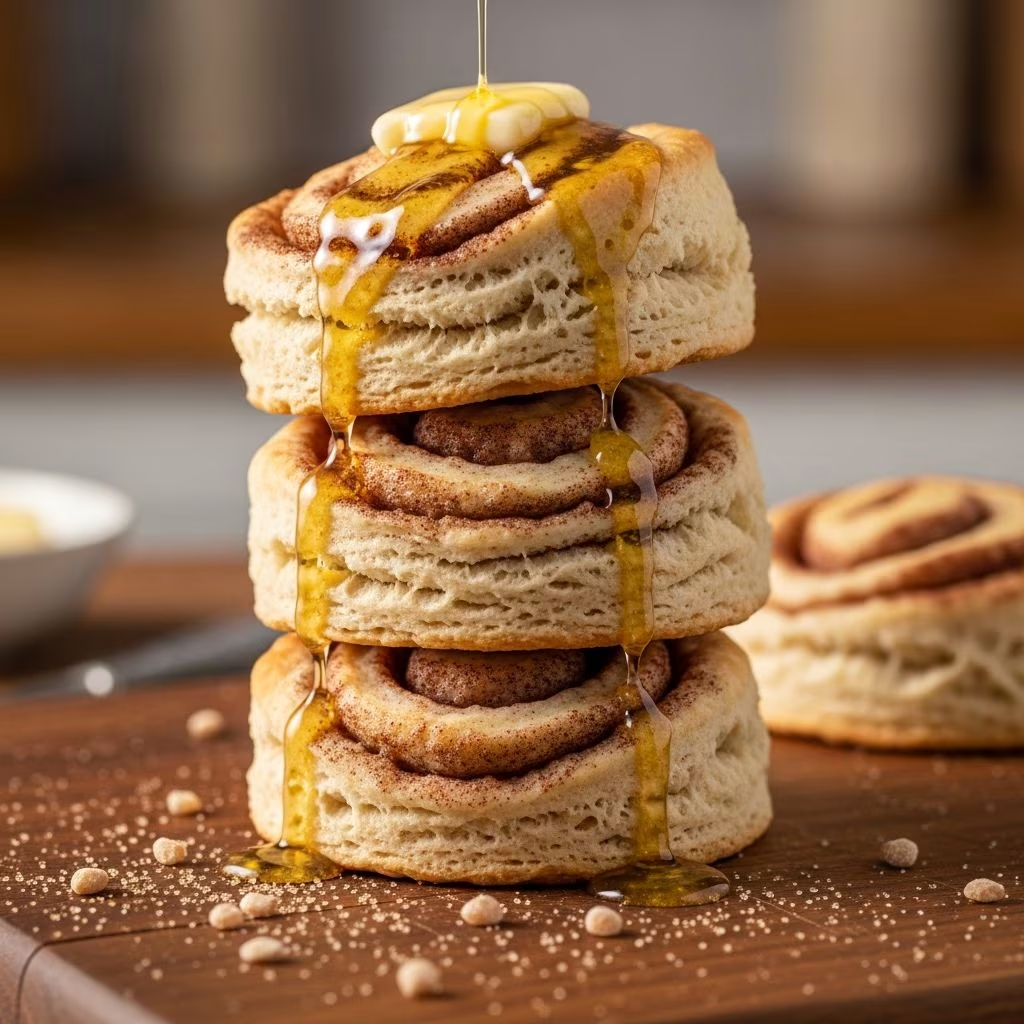
| Cinnamon Sugar | Roll dough in cinnamon-sugar before shaping. | Dessert or brunch |
| Cheese-Stuffed | Add cheddar cubes to centers. | Snacks or sliders |
These adapt the base recipe seamlessly, maintaining softness.
Troubleshooting Common Issues
Baking mishaps happen—here’s how to fix them:
- Dense buns: Under-kneaded or weak yeast. Test yeast first next time.
- Flat rise: Over-proofed or cold environment. Proof in turned-off oven with light on.
- Tough texture: Skipped tangzhong or low-hydration flour. Always use bread flour.
- Pale tops: Weak egg wash or low oven temp. Convection helps.
- Dry crumbs: Insufficient tangzhong or overbaked. Check at 25 minutes.
Pairing and Serving Ideas
Milk buns shine solo or loaded. Slather with honey butter for decadence. Use for pulled pork sliders, breakfast sandwiches, or alongside soups. For dessert, fill with custard or fruit. Their neutral sweetness complements sweet and savory alike.
Nutrition and Storage Facts
Per bun (1/12 recipe): ~200 calories, 6g fat, 30g carbs, 6g protein. High in enriched flour nutrients. Store at room temp 3-4 days; refresh in 350°F oven 5 minutes. Freeze baked buns up to 1 month.
Frequently Asked Questions (FAQs)
Can I make milk buns without a stand mixer?
Yes, knead by hand 15-20 minutes until windowpane. It’s more labor but yields great results.
What’s the purpose of milk powder?
It intensifies milk flavor and tenderness without adding liquid. Skim or whole works; omit if unavailable.
How do I know tangzhong is ready?
It thickens to pudding consistency, ribbons off spoon, and hits 150°F.
Can I use instant yeast?
Yes, reduce to 6-7g and mix directly—no activation needed.
Why are my buns not pull-apart soft?
Ensure close spacing in pan and proper proofing for steam-trapped texture.
Vegan adaptations?
Swap butter for plant-based, eggs for aquafaba, milk for oat/soy.
Mastering milk buns opens doors to endless baking creativity. Experiment confidently with these techniques for consistent, crowd-pleasing results.
References
- Honey Butter Milk Buns — Justine Doiron, Justine Snacks. 2023. https://justinesnacks.com/honey-butter-milk-buns/
- The Softest Milk Buns and All The Ways to Eat Them — Benjamina Ebuehi, Substack. 2023. https://benjaminaebuehi.substack.com/p/milk-buns
- Japanese Milk Buns — Woman’s Scribbles. 2023. https://www.womanscribbles.net/japanese-milk-buns/