Baking cookies that maintain their softness and chewiness days after preparation has long been a challenge for home bakers. While traditional chocolate chip cookie recipes often result in cookies that harden within a day or two, a simple yet transformative ingredient—instant pudding mix—can dramatically change the outcome. This ingredient serves as a secret weapon that elevates ordinary cookies into exceptional treats, creating a texture that remains tender and delightful even after extended storage.
Understanding the Magic Behind Pudding Mix in Baked Goods
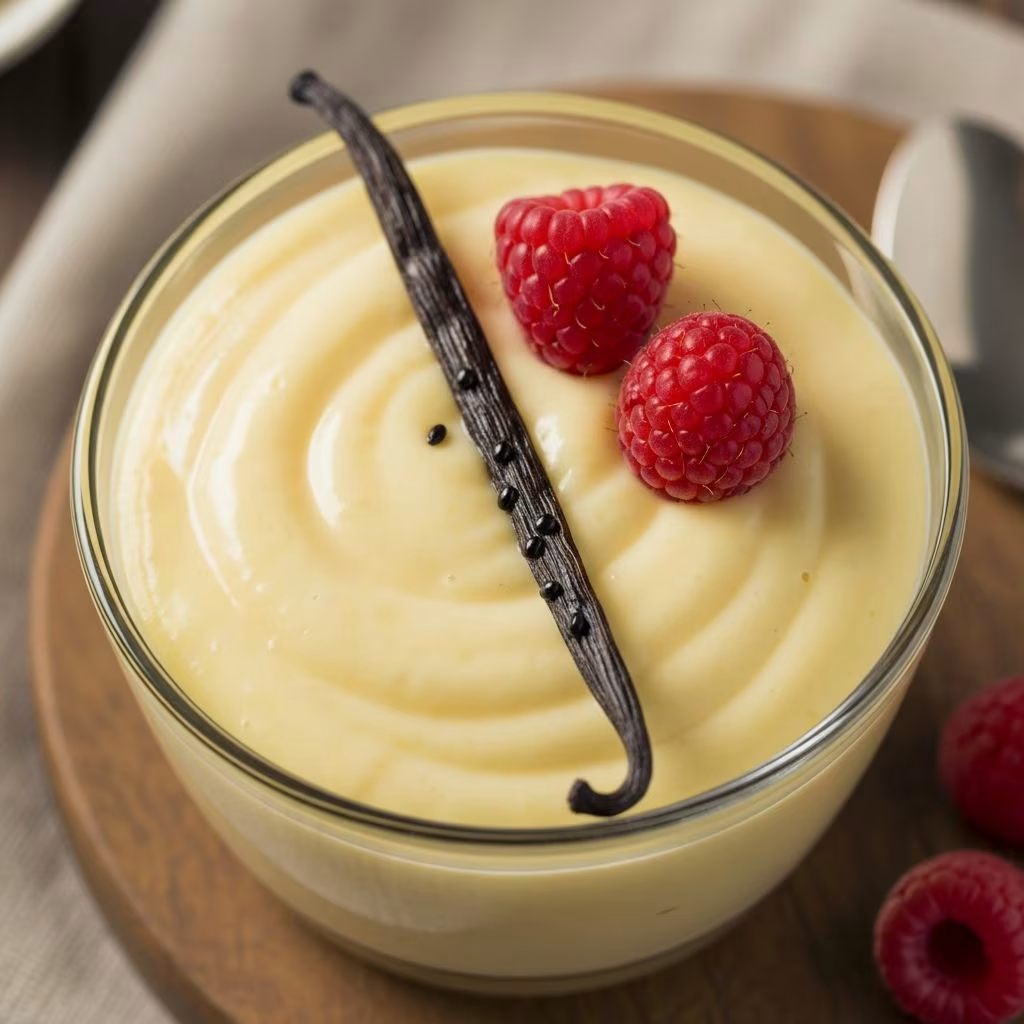
Instant vanilla pudding mix contains several components that work synergistically to improve cookie texture and longevity. The mixture includes cornstarch, which acts as a thickening agent, along with additional sugar and vanilla flavoring. When incorporated into cookie dough, these elements don’t simply add sweetness—they fundamentally alter the chemistry of the baked product.
The cornstarch in pudding mix functions as a moisture-retaining agent, preventing excessive evaporation during and after baking. This means cookies maintain their internal moisture longer, resulting in that coveted chewy center even after several days in an airtight container. Additionally, the extra sugar content affects dough structure, reducing excessive spreading and creating a thicker, more substantial cookie with brownie-like qualities.
Essential Ingredients and Their Roles
Creating pudding-enhanced cookies requires understanding each ingredient’s contribution to the final product:
| Ingredient | Quantity | Primary Function |
|---|---|---|
| Unsalted Butter | 1 cup (softened) | Creates richness and tender crumb structure |
| Brown Sugar | 3/4 cup (packed) | Adds moisture and deep molasses flavor |
| Granulated Sugar | 1/4 cup | Provides sweetness and promotes browning |
| Instant Vanilla Pudding Mix | 3.4 ounces | Retains moisture and adds vanilla notes |
| Large Eggs | 2 | Binds ingredients and adds structure |
| Vanilla Extract | 1 teaspoon | Enhances vanilla flavor profile |
| All-Purpose Flour | 2 1/3 to 2 1/2 cups | Provides structure and gluten development |
| Baking Soda | 1 teaspoon | Promotes rise and browning |
| Baking Powder | 1 teaspoon | Contributes to lift and cake-like texture |
| Salt | 1/4 to 1/2 teaspoon | Balances sweetness and enhances flavors |
| Semisweet Chocolate Chips | 1 1/2 cups | Provides chocolate flavor and visual appeal |
Step-by-Step Preparation Process
Beginning Your Baking Journey
Success in cookie baking begins before you mix any ingredients. Start by preheating your oven to 350 degrees Fahrenheit. While the oven reaches temperature, prepare your baking sheets by covering them with parchment paper or silicone baking mats. This prevents sticking and ensures even browning on the bottom of each cookie.
The Creaming Method
The foundation of these exceptional cookies lies in properly creaming the butter and sugars. Using an electric mixer fitted with a paddle attachment, combine the softened butter, brown sugar, and granulated sugar. Beat these ingredients for one to three minutes, depending on your mixer’s power. The goal is to achieve a smooth, fluffy mixture that appears lighter in color than the original butter.
This creaming process incorporates air into the dough, which creates lift during baking and contributes to the tender crumb structure. Don’t rush this step—adequate creaming significantly impacts the final texture. Occasionally pause and scrape down the sides of the bowl to ensure all ingredients are thoroughly combined.
Incorporating Wet Ingredients
Once your butter and sugar mixture reaches the desired consistency, add the instant vanilla pudding mix and beat until well blended. The pudding mix may appear slightly gritty initially, but mixing thoroughly distributes it throughout the dough, ensuring even vanilla flavor and consistent moisture retention in every bite.
Next, add the vanilla extract and incorporate the eggs one at a time, beating after each addition. This gradual approach prevents the dough from becoming too wet or separated. Each egg should be fully mixed before adding the next, creating a cohesive, emulsified mixture.
Bringing Together Dry and Wet Components
In a separate bowl, whisk together the flour, baking soda, baking powder, and salt. This pre-mixing ensures even distribution of leavening agents and salt throughout the dough, preventing pockets of unevenly risen cookies. Slowly combine the dry ingredients with the wet mixture, stirring until just combined. Overmixing at this stage develops excess gluten, resulting in tough, dense cookies rather than tender ones.
Final Assembly and Baking
Gently fold in the chocolate chips until evenly distributed throughout the dough. Using a cookie scoop ensures uniform sizing, which promotes even baking. Drop portions onto prepared baking sheets, spacing them appropriately to allow for slight spreading.
Bake for eight to twelve minutes, watching carefully for the edges to set while the centers remain slightly soft. The cookies will continue cooking on the hot baking sheet after removal from the oven, so removing them just before they appear completely firm prevents overbaking. Transfer cookies to a cooling rack once the edges have firmed sufficiently to handle.
Why These Cookies Outperform Traditional Recipes
The addition of instant pudding mix creates several advantages over conventional chocolate chip cookies. First, the moisture-retaining properties of pudding mix keep cookies soft for an extended period. Many bakers report that these cookies remain enjoyably chewy and tender even after five to seven days of storage in an airtight container.
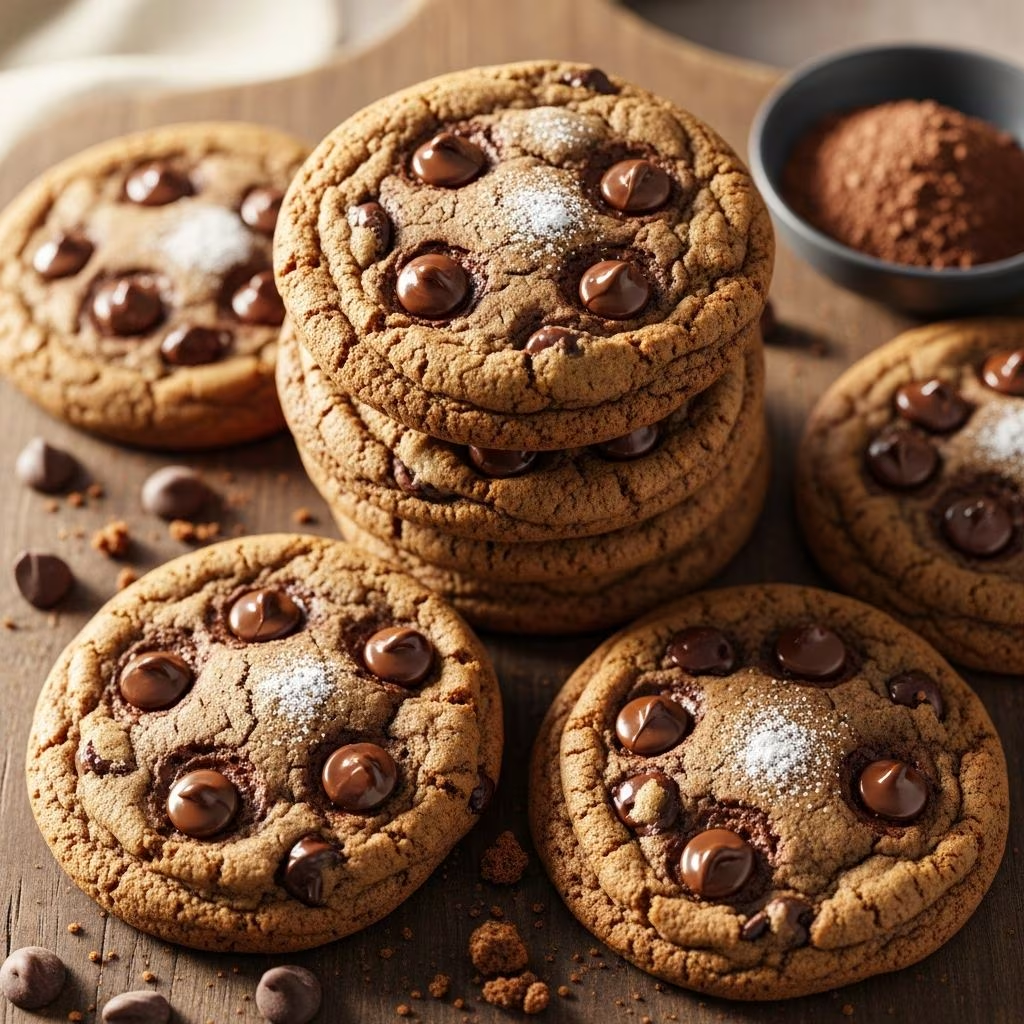
Second, the pudding mix prevents excessive spreading, resulting in a thicker cookie with a more substantial bite. This produces a texture that bridges the gap between a cake-like cookie and a brownie, offering complexity that traditional recipes don’t achieve. The texture remains tender despite the denser structure, creating an ideal balance.
Third, these cookies reach completion in less than twenty minutes from start to finish, including preparation and baking. This makes them ideal for last-minute dessert needs or whenever a quick homemade treat is desired.
Customization and Variation Opportunities
While the classic recipe using semisweet chocolate chips provides excellent results, numerous variations allow for personal preference and creativity:
- Combine semisweet, milk, and white chocolate chips for a tri-color treat with varied sweetness levels
- Substitute brown butter for regular butter to add deeper, nuttier undertones
- Incorporate chopped nuts such as walnuts or pecans for textural contrast
- Add sea salt to the tops before baking for a sweet-and-salty dimension
- Mix in dried fruits like cranberries or cherries alongside chocolate chips
- Use different pudding mix flavors such as butterscotch or chocolate for alternative flavor profiles
- Experiment with vegan butter to create dairy-free versions that maintain the same soft texture
Storage and Maintenance Tips
Proper storage maximizes the longevity and quality of these cookies. Place cooled cookies in an airtight container at room temperature. The pudding mix’s moisture-retaining properties mean these cookies maintain softness better than traditional varieties, staying fresh for three to five days or longer.
For extended storage, freeze cookies in an airtight container for up to three months. Simply thaw at room temperature before serving. Individual cookies can also be frozen in freezer bags for convenient grab-and-go snacking.
Frequently Asked Questions
Can I use instant pudding mix flavors other than vanilla?
Yes, alternative pudding flavors like butterscotch, chocolate, or pistachio can create unique variations. However, vanilla pudding mix is recommended for beginners as it complements chocolate chips most naturally without overwhelming other flavors.
What causes cookies to spread too much during baking?
Excessive spreading typically results from butter that’s too warm, too much sugar, or insufficient flour. The pudding mix in this recipe helps prevent spreading by adding structure, but ensuring proper ingredient ratios remains important.
How do I achieve perfectly soft cookies instead of crunchy ones?
Remove cookies from the oven when edges are set but centers appear slightly underbaked. The residual heat continues cooking them as they cool on the baking sheet. Storing in an airtight container preserves softness longer than leaving them exposed to air.
Can this recipe be halved for smaller batches?
Absolutely. Divide all ingredients by two to make approximately two dozen cookies instead of four dozen. The pudding mix quantity becomes approximately 1.7 ounces, which requires measuring or eye-balling from a standard 3.4-ounce package.
Why is creaming butter and sugar so important?
Creaming incorporates air into the dough, promoting lift during baking. It also ensures even distribution of sugar throughout the mixture and creates the light, fluffy base that produces tender, cake-like cookies.
Professional Baking Insights
Experienced bakers recognize that pudding-enhanced cookies represent an evolution in cookie-making technique. The cornstarch acts as a flour substitute in a small portion of the dry ingredients, reducing gluten development and creating inherent tenderness. The added sugars caramelize during baking, creating depth of flavor while promoting browning without burning.
The combination of baking soda and baking powder in these recipes works synergistically—baking soda reacts with acidic components to produce immediate rise, while baking powder provides sustained lift throughout baking, resulting in cookies with proper height and structure.
Conclusion: Elevating Your Cookie Game
Pudding mix represents a simple yet profoundly effective ingredient that transforms basic chocolate chip cookies into extraordinary treats. By understanding how each component contributes to the final product and following proper technique, bakers of all skill levels can consistently produce cookies that remain soft, chewy, and delicious for days after baking. Whether preparing cookies for personal enjoyment or sharing with others, this recipe delivers impressive results that rival bakery-quality cookies made at home.
References
- Best Chocolate Chip Pudding Cookies — I Heart Naptime. https://www.iheartnaptime.net/pudding-cookies/
- Chocolate Chip Pudding Cookies — Recipe Boy. https://www.recipeboy.com/chocolate-chip-pudding-cookies/
- Chocolate Chip Pudding Cookies — I Heart Eating. https://www.ihearteating.com/chocolate-chip-pudding-cookies/
- Chocolate Chip Pudding Cookies — What Molly Made. https://whatmollymade.com/chocolate-chip-pudding-cookies/