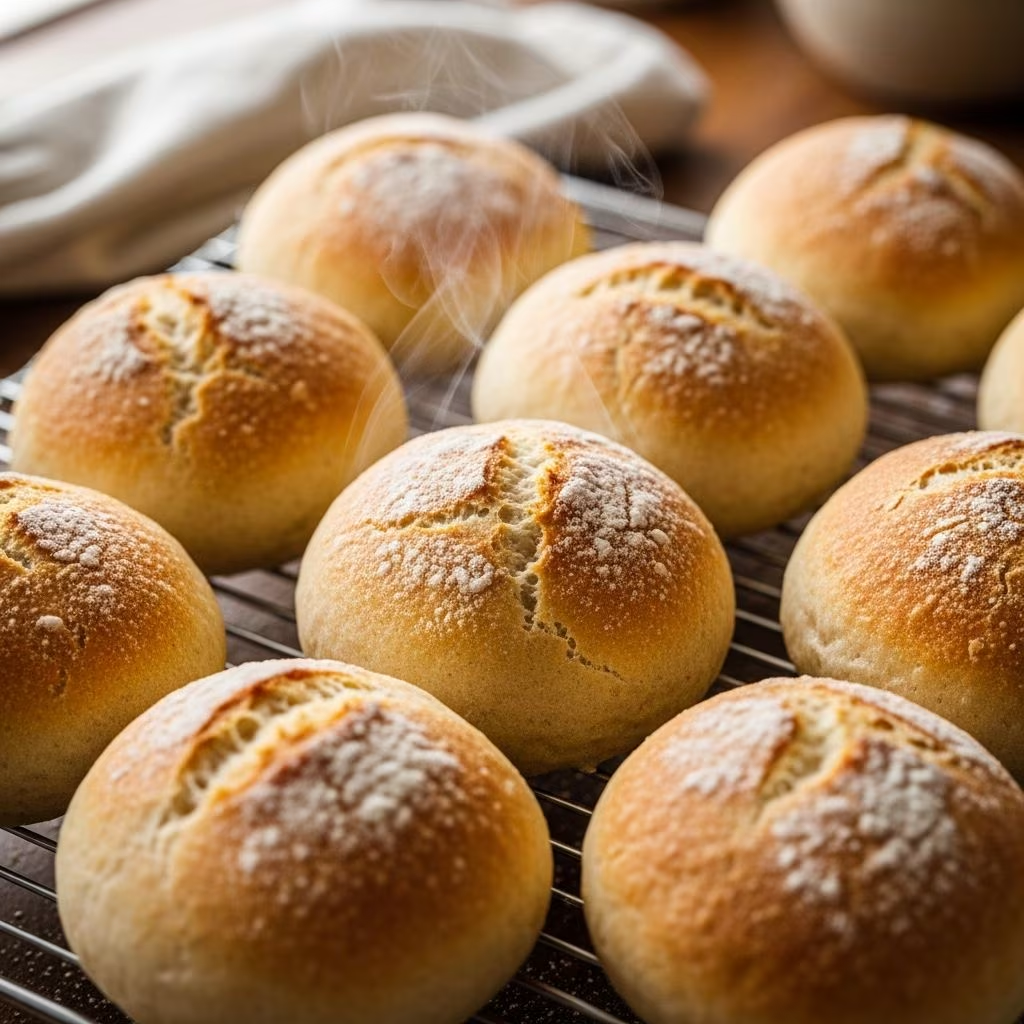
Potato rolls represent a beloved staple at tables across America, prized for their exceptional softness and remarkable ability to stay fresh longer than traditional bread rolls. The secret to their tender crumb and luxurious texture lies in the inclusion of mashed potatoes, which contribute both moisture and starch to the dough. Whether you’re preparing these rolls for a holiday gathering, a weeknight dinner, or as accompaniments to sliders, mastering this classic recipe opens doors to countless culinary possibilities.
Understanding the Fundamental Components
Creating exceptional potato rolls begins with understanding how each ingredient contributes to the final product. The interplay between flour, yeast, dairy, and potatoes creates a dough that rises beautifully while maintaining its signature softness.
The Role of Yeast and Activation
Active dry yeast serves as the leavening agent responsible for creating the light, airy structure that makes potato rolls so appealing. A typical recipe calls for approximately 2¼ teaspoons of yeast, which becomes activated when combined with warm water heated to between 105-110°F. This temperature range is critical—water that is too cold will fail to activate the yeast, while water that is excessively hot will kill the microorganisms. The activation process, known as blooming, allows you to verify that your yeast is alive and viable before committing it to your full batch of dough.
Dairy Components and Their Impact
Whole milk enriches the dough with fat and proteins, creating a tender crumb and contributing to the overall richness of flavor. Room temperature milk helps maintain optimal dough temperature for yeast activity. Beyond milk, unsalted butter plays a dual role in your rolls—it adds flavor while its fat content coats flour proteins and limits gluten development. This mechanism is precisely why potato rolls achieve their melt-in-your-mouth quality that distinguishes them from standard bread rolls.
Mashed Potatoes: The Secret Ingredient
Plain, unseasoned mashed potatoes form the foundation of this recipe’s distinctive character. Typically, recipes incorporate ½ to 1¾ cups of cooled mashed potatoes, depending on the batch size. These potatoes contribute moisture and starch that keep rolls soft during storage and even enhance their longevity compared to traditional rolls. The starch in potatoes also absorbs water more efficiently than flour alone, resulting in a more tender final product. Critically, any mashed potatoes must be plain and free from butter, salt, cream, or seasoning, as these additions disrupt the delicate balance of the dough.
Additional Dry Ingredients
Sugar serves multiple functions beyond sweetness—it feeds the yeast to promote rising, enhances browning for that golden exterior, and contributes to flavor complexity. Salt regulates yeast activity and flavor development. All-purpose flour provides structure through gluten development, though recipes typically call for between 3¾ and 6 cups depending on desired yield and dough hydration.
Essential Equipment and Setup
While potato rolls can be prepared with basic kitchen tools, having the right equipment streamlines the process significantly. A stand mixer with a dough hook attachment reduces the physical effort required during kneading. Alternatively, hand kneading works perfectly well if you’re willing to invest the time and effort. You’ll also need measuring cups and spoons for accuracy, mixing bowls, baking sheets or pans, parchment paper for easy cleanup, and a kitchen thermometer to verify water and dough temperatures.
The Preparation Process: From Dough to Shaping
Combining Wet Ingredients
Begin by warming your milk and melting your butter together. If using a microwave, heat on high for one minute, stir, then continue heating for an additional 30-60 seconds until the butter is melted and the milk reaches the desired warmth. Pour your warm water into a mixing bowl and add the yeast, allowing it to bloom for approximately one minute. Once foamy, add the milk mixture, along with your sugar, salt, and egg. The egg contributes additional richness and helps bind the dough.
Incorporating Flour Gradually
Add approximately two cups of flour initially and mix to combine. Then, introduce additional flour gradually—¼ cup at a time—mixing thoroughly between additions. This measured approach prevents you from adding excess flour, which would result in a dry, dense final product. The dough should eventually pull away from the sides of your bowl while remaining soft and slightly tacky to the touch.
Kneading and First Rise
Knead the dough for 6-8 minutes until it becomes smooth and elastic, whether using a stand mixer on low speed or hand kneading. Form the dough into a ball and place it in a greased bowl, covering it with a damp cloth or plastic wrap. Allow it to rise at room temperature for approximately one hour, or until the dough has doubled in size. This timeframe can vary based on your kitchen’s ambient temperature—warmer environments will produce faster rising.
Shaping and Second Rise
After the initial rise, gently punch down the dough to release excess gas. Divide the dough into equal pieces—a typical batch yields 24 rolls. Shape each piece into a smooth ball by pulling the edges toward the center and rolling between your palms. Arrange these balls on greased or parchment-lined baking sheets, spacing them closely enough that they’ll touch when fully risen but with enough room to expand without immediate contact.
Cover the shaped rolls with a cloth and allow them to rise for 30-60 minutes. They’re ready for baking when they spring back slowly when touched lightly—a sign that they’ve risen adequately without overproofing. Overproofed dough will collapse during baking and produce dense rolls.
Baking and Finishing Touches
Preheat your oven to 400°F. Bake the rolls for 10-12 minutes until they achieve a golden brown exterior. Immediately upon removing from the oven, brush the warm rolls with the remaining 2 tablespoons of melted butter. This final step creates a shiny, appetizing finish while adding rich flavor. Some recipes incorporate herbed butter or allow rolls to cool briefly before glazing, depending on personal preference.
Expert Techniques for Superior Results
Temperature Management
Temperature control throughout the process significantly impacts your success rate. Warm ingredients—particularly milk and mashed potatoes—help maintain dough temperature in the optimal range for yeast activity. If your kitchen is particularly cold, placing your rising dough in a slightly warm oven (with the light on but oven off) accelerates rising without overwhelming the yeast.
Dough Texture Assessment
Professional bakers evaluate dough through touch rather than rigid adherence to flour quantities. Your final dough should feel soft and slightly tacky but not sticky enough to stick to your fingers persistently. Adding flour gradually prevents the common mistake of creating dough that’s too dry, which results in rolls that are dense rather than tender.
Proper Rising Indicators
Rather than relying solely on time, use visual and tactile cues to determine when dough has risen sufficiently. Properly risen dough should approximately double in size and spring back slowly when pressed lightly with a finger. If it springs back quickly, more time is needed. If it doesn’t spring back and leaves an indentation, you’ve likely overproofed.
Common Questions About Potato Rolls
Can I Use Instant Mashed Potatoes?
Yes, instant mashed potatoes work effectively in this recipe. They provide the same moisture and starch benefits as homemade mashed potatoes. However, ensure they are plain and unseasoned. If using instant potatoes, prepare them according to package directions but omit any butter or seasonings.
What If I Don’t Have Fresh Mashed Potatoes?
Canned potatoes that are drained and mashed offer a convenient alternative. Leftover mashed potatoes from a previous meal work wonderfully and help utilize ingredients that might otherwise be discarded. This approach aligns with efficient kitchen practices and sustainable cooking.
How Should I Store Completed Rolls?
Potato rolls maintain quality at room temperature for 2-3 days when stored in an airtight container or wrapped tightly in plastic wrap. The moisture from the potatoes helps them stay fresh longer than traditional rolls. For extended storage, freeze baked rolls in a freezer-safe container for up to three months. Thaw at room temperature or reheat gently in a warm oven before serving.
Can I Prepare Dough in Advance?
Yes, you can refrigerate shaped rolls for up to 24 hours after the second rise begins. Simply cover them tightly and refrigerate. When ready to bake, remove them from the refrigerator and allow them to come to room temperature before baking, or add 2-3 minutes to the baking time if baking directly from the refrigerator.
Why Are My Rolls Dense?
Dense rolls typically result from adding too much flour, not allowing sufficient rise time, overproofing, or oven temperatures that are too low. Ensure your dough is soft and slightly sticky, allow adequate rising time until dough springs back slowly when touched, and verify your oven temperature with a thermometer.
Serving Suggestions and Variations
Potato rolls serve beautifully as standalone accompaniments to soups, salads, and main courses. They transform into elegant sliders when split and filled with quality proteins and fresh vegetables. During holiday gatherings, they pair exceptionally well with traditional side dishes and allow guests to create custom sandwich combinations from leftover turkey or ham.
Creative variations include brushing rolls with garlic-infused butter before baking, sprinkling coarse sea salt on top for texture, or incorporating herbs like rosemary or thyme into the dough itself. Some bakers brush rolls with an egg wash before baking to create an even more prominent golden sheen.
Why Potato Rolls Excel
The enduring popularity of potato rolls stems from their technical advantages and sensory appeal. The starch from potatoes creates a softer crumb than all-flour doughs, while the fat from butter and milk produces a melt-in-your-mouth texture. Their superior moisture retention means they remain enjoyable for several days rather than becoming stale within a day. For home bakers seeking a recipe that delivers impressive results while remaining forgiving of minor variations in technique, potato rolls represent an ideal choice.
References
- Soft and Fluffy Potato Rolls Recipe — Lil’ Luna. https://lilluna.com/potato-rolls/
- Potato Rolls – The Softest, Most Buttery Rolls You’ll Ever Eat — Oh Sweet Basil. https://ohsweetbasil.com/potato-rolls-recipe/
- Potato Rolls — The Country Cook. https://www.thecountrycook.net/potato-rolls/
- Gramma’s Potato Rolls — Kevin Is Cooking. https://keviniscooking.com/grammas-potato-rolls/
- Potato Rolls – Chef Lindsey Farr — Chef Lindsey Farr. https://cheflindseyfarr.com/potato-dinner-rolls/
- Potato Rolls — Grandbaby Cakes. https://grandbaby-cakes.com/potato-rolls/