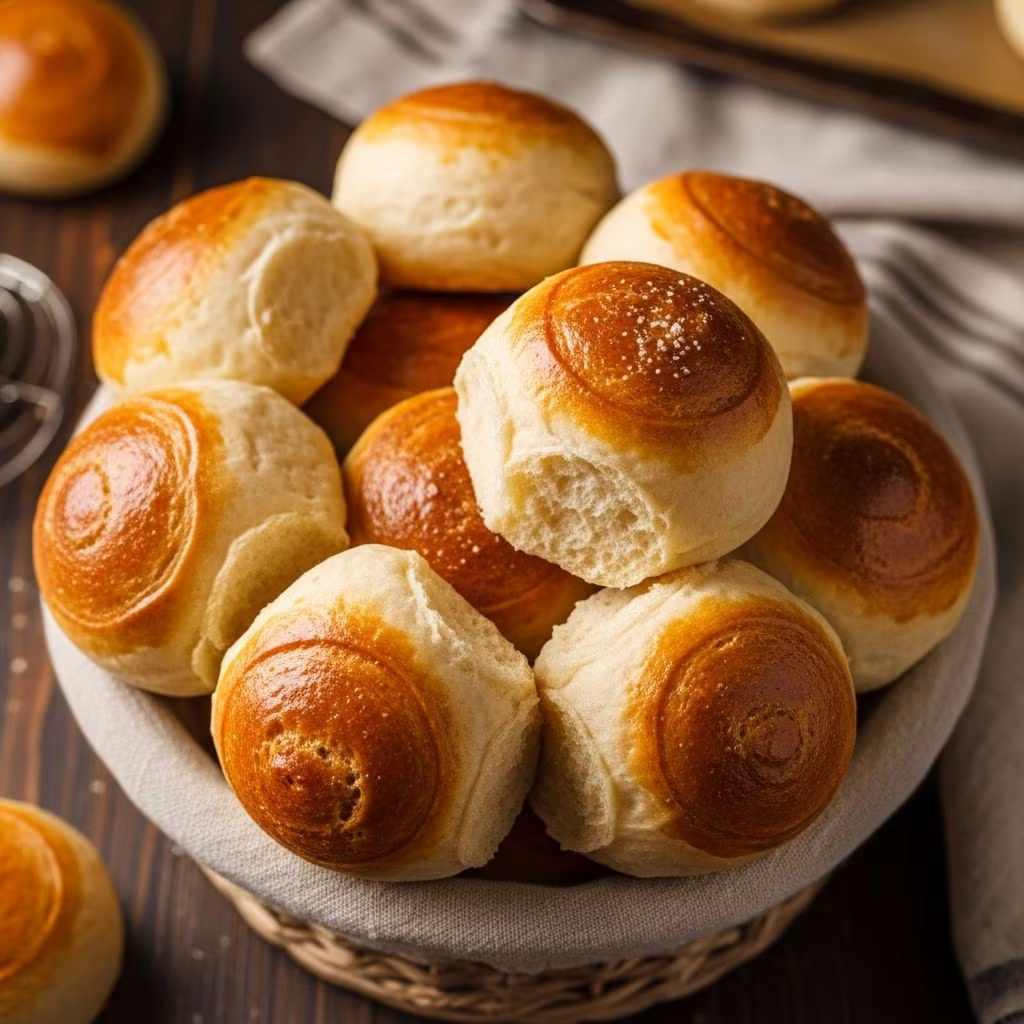
Nothing beats the aroma of freshly baked yeast rolls wafting through the kitchen, evoking memories of family gatherings and holiday feasts. These soft, fluffy rolls, made with basic pantry staples, form the perfect accompaniment to any meal. Whether you’re a novice baker or a seasoned pro, this recipe delivers reliable results with a tender crumb and golden crust.
Why Choose Homemade Yeast Rolls?
Store-bought rolls often lack the warmth and flavor of those made at home. Homemade versions allow control over ingredients, ensuring no preservatives or artificial additives. The process builds skills in working with yeast, a fundamental baking technique. Plus, the satisfaction of pulling apart a warm roll slathered in butter is unparalleled.
Yeast rolls shine in their versatility—pair them with soups, roasts, or breakfast spreads. Their subtle sweetness and pillowy texture make them crowd-pleasers at dinners, potlucks, or brunches.
Essential Ingredients for Perfect Rolls
Gathering quality ingredients sets the foundation for success. Here’s a breakdown of what you’ll need for about 24 rolls:
- Warm water (100-110°F): Activates the yeast without killing it. Use a thermometer for precision.
- Active dry yeast: 2-2.25 teaspoons per cup of liquid ensures good rise.
- Sugar: 1/4 to 1/2 cup feeds the yeast and adds mild sweetness.
- Salt: 1.5-2 teaspoons balances flavors and strengthens gluten.
- Eggs (room temperature): 1-2 for richness and golden color.
- Oil or melted butter: 1/4 cup keeps dough soft and tender.
- All-purpose flour: 4-7 cups, depending on hydration; bread flour works for chewier texture.
- Melted butter for brushing: Enhances shine and flavor post-bake.
Room temperature ingredients mix evenly, preventing dough shock. Measure flour by spooning into the cup and leveling, avoiding packing for lighter rolls.
Step-by-Step Guide to Baking Yeast Rolls
Follow these instructions for foolproof results. Total time: about 2.5-3 hours, including rises.
1. Proof the Yeast
In a large bowl, combine 2 cups warm water, 2 packets yeast, and 1 teaspoon sugar. Stir gently and let sit 5-10 minutes until foamy. This confirms yeast viability.
2. Mix the Wet Ingredients
Add remaining sugar, salt, room-temperature egg, and oil or melted butter to the yeast mixture. Whisk until smooth. This creates a flavorful base.
3. Incorporate Flour
Stir in 4-6 cups flour gradually, starting with a spoon then switching to hands or a stand mixer with dough hook. Add flour until dough pulls away from bowl sides but remains soft and slightly sticky. Knead 5-10 minutes until smooth and elastic—perform the windowpane test: stretch a small piece thin enough to see light through without tearing.
4. First Rise
Place dough in an oiled bowl, cover with plastic wrap or a damp towel, and let rise in a warm spot (75-85°F) for 1-1.5 hours until doubled. Ideal spots: near a sunny window or in an off oven with light on.
5. Shape the Rolls
Punch down dough gently. On a lightly floured surface, divide into 24 equal portions (use a scale for uniformity). Roll each into a tight ball, tucking edges under. Place in a greased 9×13-inch pan, sides touching for pull-apart effect.
6. Second Rise
Cover and rise 30-45 minutes until puffy. Preheat oven to 350-375°F.
7. Bake to Golden Perfection
Brush tops with melted butter. Bake 15-20 minutes until golden. Brush again immediately after baking for extra tenderness.
Cool slightly in pan before serving warm.
Pro Tips for Flawless Yeast Rolls
- Temperature control: Too hot kills yeast; too cold slows activation. Aim for wrist-warm liquids.
- Don’t overflour: Sticky dough yields softer rolls. Add flour sparingly during kneading.
- Kneading matters: Develops gluten for structure. Use a mixer if hands tire.
- Warm rise environment: Microwave with a cup of hot water or proofing box mimics pro setups.
- Freezing dough: Shape rolls, freeze on tray, then bag. Thaw, rise, bake fresh.
Common Mistakes and Fixes
| Mistake | Symptom | Fix |
|---|---|---|
| Yeast not proofing | No foam after 10 min | Check expiration; use fresher yeast or warmer water. |
| Dense rolls | Heavy texture | Ensure full rises; avoid excess flour. |
| Dry rolls | Crumbly | Increase fat (butter/oil); brush liberally. |
| Uneven rising | Lopsided shapes | Equal portions; uniform pan spacing. |
| Pale tops | Lack of color | Higher bake temp or longer time; egg wash alternative. |
Flavor Variations to Elevate Your Rolls
Customize for any occasion:
- Garlic Herb: Mix minced garlic and herbs into butter brush.
- Cinnamon Sweet: Add 2 tbsp sugar and cinnamon to filling; glaze post-bake.
- Cheesy: Sprinkle cheddar before baking.
- Whole Wheat: Swap half flour for whole wheat for nutty flavor.
- Honey Butter: Drizzle honey-mixed butter on top.
Nutrition and Serving Suggestions
Per roll (based on standard recipe): ~150 calories, 4g fat, 25g carbs, 4g protein. Low in sugar, high in carbs for energy. Serve with gravy, honey butter, or as sliders.
Pair with roasted meats, creamy casseroles, or fresh salads for balanced meals.
Storing and Freezing for Later
Room temperature: Airtight container up to 2 days. Refrigerate up to 5 days; reheat at 300°F wrapped in foil. Freeze baked rolls up to 3 months; thaw overnight and warm.
Frequently Asked Questions
Can I use instant yeast?
Yes, substitute equally—no proofing needed. Mix directly into flour for faster rise.
What if my dough doesn’t rise?
Check yeast freshness, temperature, and drafts. Give extra time in warmer spot.
Can I make these vegan?
Replace eggs with flax eggs (1 tbsp flax + 3 tbsp water), use plant milk and oil.
How do I know when rolls are done?
Internal temp 190°F; tops golden, bottoms lightly browned. Tap for hollow sound.
Scaling the recipe?
Double ingredients for 48 rolls; use two pans. Rise times may vary slightly.
Conclusion: Bake Tradition Today
With practice, yeast rolls become a go-to recipe. Share with loved ones to create new traditions. Experiment confidently—baking is as much art as science.
References
- Old Fashioned Yeast Rolls (a 100 year old recipe!) — Feast and Farm. Accessed 2026. https://feastandfarm.com/old-fashioned-yeast-rolls/
- Soft and Fluffy Old-Fashioned Yeast Rolls — Hearts Content Farmhouse. Accessed 2026. https://heartscontentfarmhouse.com/soft-buttery-yeast-rolls/
- Old Fashioned Yeast Rolls — Eat Dessert Snack. Accessed 2026. https://eatdessertsnack.com/old-fashioned-yeast-rolls/