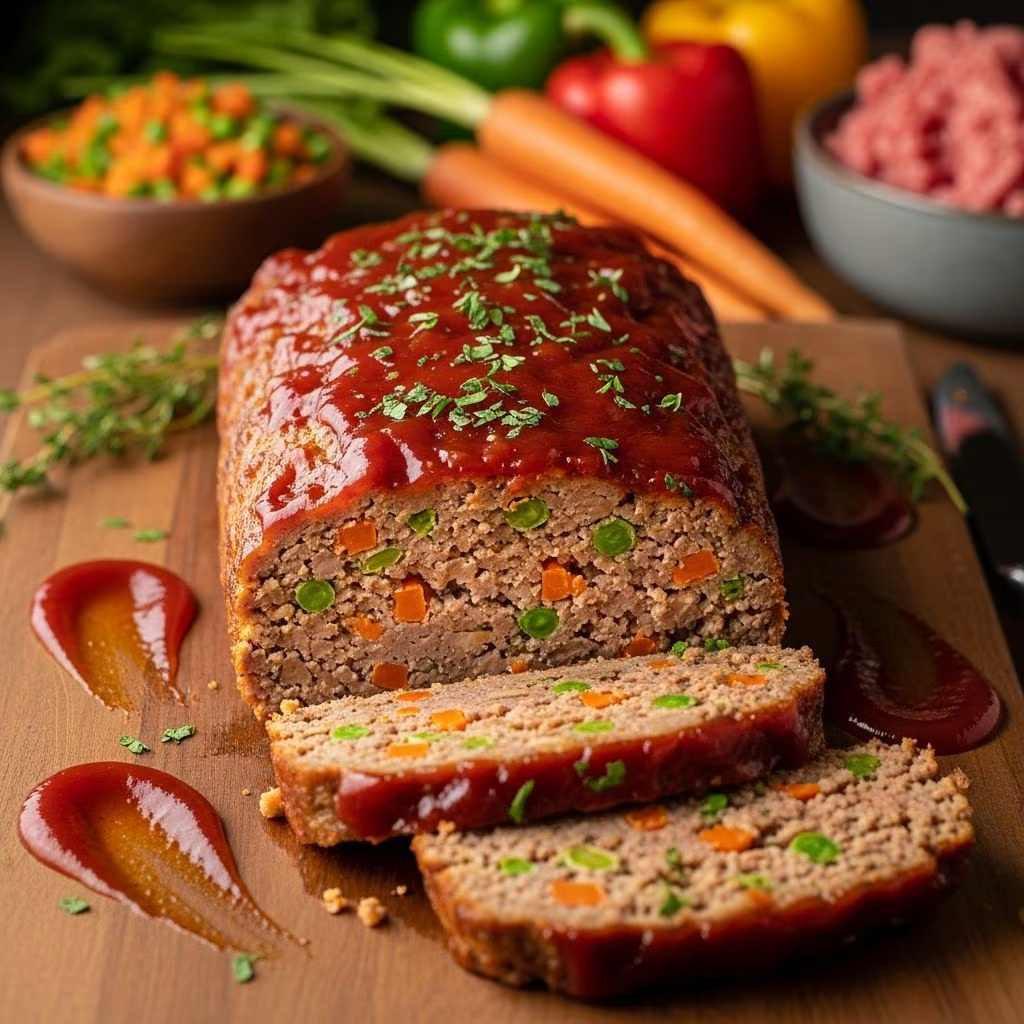
Transform the classic meatloaf into a powerhouse of hidden nutrition by incorporating finely chopped or pureed vegetables. This approach not only enhances moisture and flavor but also delivers essential vitamins and fiber, making it an ideal dish for parents aiming to nourish picky eaters without battles at the dinner table.
Why Incorporate Vegetables into Meatloaf?
Vegetables add tenderness and subtle sweetness to meatloaf, preventing dryness common in traditional recipes. They contribute natural binders and moisture, reducing the need for excessive breadcrumbs or fats. From a nutritional standpoint, this method boosts intake of vitamins A, C, and K, along with antioxidants from ingredients like carrots, spinach, and broccoli.
Health organizations emphasize the importance of vegetable consumption for all ages. For instance, the USDA recommends at least 2-3 cups daily for adults, yet many fall short, especially children. Sneaky veggie meatloaf bridges this gap seamlessly.
Essential Ingredients for Success
Building a great sneaky veggie meatloaf starts with quality basics. Opt for lean ground meats like turkey, beef, or a mix for balanced flavor and reduced fat. Eggs and breadcrumbs serve as binders, while seasonings elevate taste.
- Proteins: 1.5-2 lbs ground turkey, beef, or pork
- Veggies (finely processed): 1-2 cups total of carrots, zucchini, spinach, broccoli, mushrooms, onions, bell peppers
- Binders: 1-2 eggs, ½-1 cup breadcrumbs (panko or Italian-style)
- Flavor boosters: Garlic (2-3 cloves minced), herbs (thyme, oregano, Italian blend), salt, pepper
- Sauces: Ketchup, BBQ, balsamic vinegar, Worcestershire, mustard for glaze and mixing
- Extras: Parmesan cheese for umami, olive oil for sautéing veggies
Pro tip: Use a food processor to rice or grate vegetables finely, ensuring they blend invisibly into the mixture.
Step-by-Step Preparation Guide
Preparation is straightforward, taking about 20 minutes before baking. Preheat your oven to 350°F (175°C) for optimal cooking.
- Prep Veggies: Sauté onions, garlic, and hardy veggies like carrots or bell peppers in 1-2 tbsp olive oil until softened (5 minutes). Add softer ones like spinach or zucchini to wilt. Cool slightly and pulse in a food processor until finely minced. Squeeze out excess moisture with paper towels.
- Mix Base: In a large bowl, combine ground meat, eggs, breadcrumbs, cheese, seasonings, and cooled veggies. Mix gently with hands or a spoon until just incorporated—overmixing leads to tough texture.
- Shape and Glaze: Press into a greased loaf pan or form into mini loaves in a muffin tin. Blend ½ cup ketchup with 2 tbsp balsamic or BBQ sauce, brush over top. Sprinkle breadcrumbs or cheese for crunch.
- Bake: Standard loaf: 50-70 minutes at 350°F until internal temperature reaches 160°F (71°C). Minis: 25-30 minutes. Let rest 10 minutes before slicing.
Monitor doneness with a meat thermometer for food safety, as recommended by the USDA.
Customization Options for Every Palate
Adapt this recipe to dietary needs or preferences with these variations:
| Variation | Key Changes | Benefits |
|---|---|---|
| Turkey or Chicken | Substitute beef with poultry; add extra herbs | Lower fat, milder flavor |
| Vegetarian | Use lentils or plant-based crumbles instead of meat | Plant-powered protein |
| Spicy Kick | Incorporate diced jalapeños or chili powder | Adult-friendly heat |
| Mini Meatloaves | Muffin tin method | Portion control, kid-sized |
| Gluten-Free | Oatmeal or almond flour for breadcrumbs | Allergy-friendly |
Experiment with seasonal veggies: summer zucchini, winter carrots, or mushrooms for earthiness.
Nutritional Breakdown and Health Perks
A 4-oz slice of this meatloaf (using turkey and 2 cups veggies) offers approximately: 250 calories, 20g protein, 10g fat, 15g carbs, 3g fiber. Vegetables amplify micronutrients—carrots provide beta-carotene for eye health, spinach delivers iron and folate.
The CDC notes that hidden veggies in familiar foods increase acceptance among children, who consume only 1.4 cups daily on average versus recommended amounts. This dish supports heart health via lean proteins and reduces sodium if you control seasonings.
Storage, Freezing, and Meal Prep Tips
Make-ahead friendly: Assemble and refrigerate up to 24 hours or freeze unbaked for 3 months. Thaw overnight before baking.
- Fridge: Cooked leftovers last 3-4 days in airtight container.
- Freezer: Slice and wrap individually; reheat in oven at 325°F for 20 minutes.
- Reheating: Microwave with damp paper towel or oven to retain moisture.
Repurpose leftovers into sandwiches, tacos, or meatballs by crumbling and simmering in sauce.
Common Mistakes and How to Avoid Them
Too Dense: Excess breadcrumbs—measure precisely.
Dry Texture: Insufficient veggies or overbaking—use thermometer.
Visible Chunks: Poor processing—pulse thoroughly.
Lackluster Flavor: Sauté aromatics first for depth.
Pairing Suggestions for Complete Meals
Balance with sides: mashed potatoes, green beans, or quinoa salad. A simple yogurt-dill sauce complements the glaze.
Frequently Asked Questions (FAQs)
Can I use frozen vegetables?
Yes, thaw and drain well first to avoid sogginess.
Is this safe for babies?
For ages 6+ months, ensure finely pureed and minimal salt. Consult pediatrician.
How do I make it dairy-free?
Omit cheese; use nutritional yeast for savoriness.
What’s the best meat for moisture?
80/20 beef or turkey thigh blend.
Can I cook in an air fryer?
Yes, 350°F for 20-25 minutes in loaf pan.
Advanced Techniques for Pro Results
For extra juiciness, add grated apple or pureed mushrooms. Slow-cook glaze ingredients for caramelized topping. Track internal temps precisely for consistency.
References
- Dietary Guidelines for Americans, 2020-2025 — U.S. Department of Agriculture and U.S. Department of Health and Human Services. 2020-12-01. https://www.dietaryguidelines.gov/sites/default/files/2020-12/Dietary_Guidelines_for_Americans_2020-2025.pdf
- Vegetable and Fruit Intake Among Children and Adolescents — Centers for Disease Control and Prevention. 2023-05-15. https://www.cdc.gov/nccdphp/dnpa/nutrition/pdf/rtp_practitioner_10_07.pdf
- Food Safety for Meatloaf — FoodSafety.gov (USDA). 2024-01-10. https://www.foodsafety.gov/food-safety-charts/safe-minimum-cooking-temperature