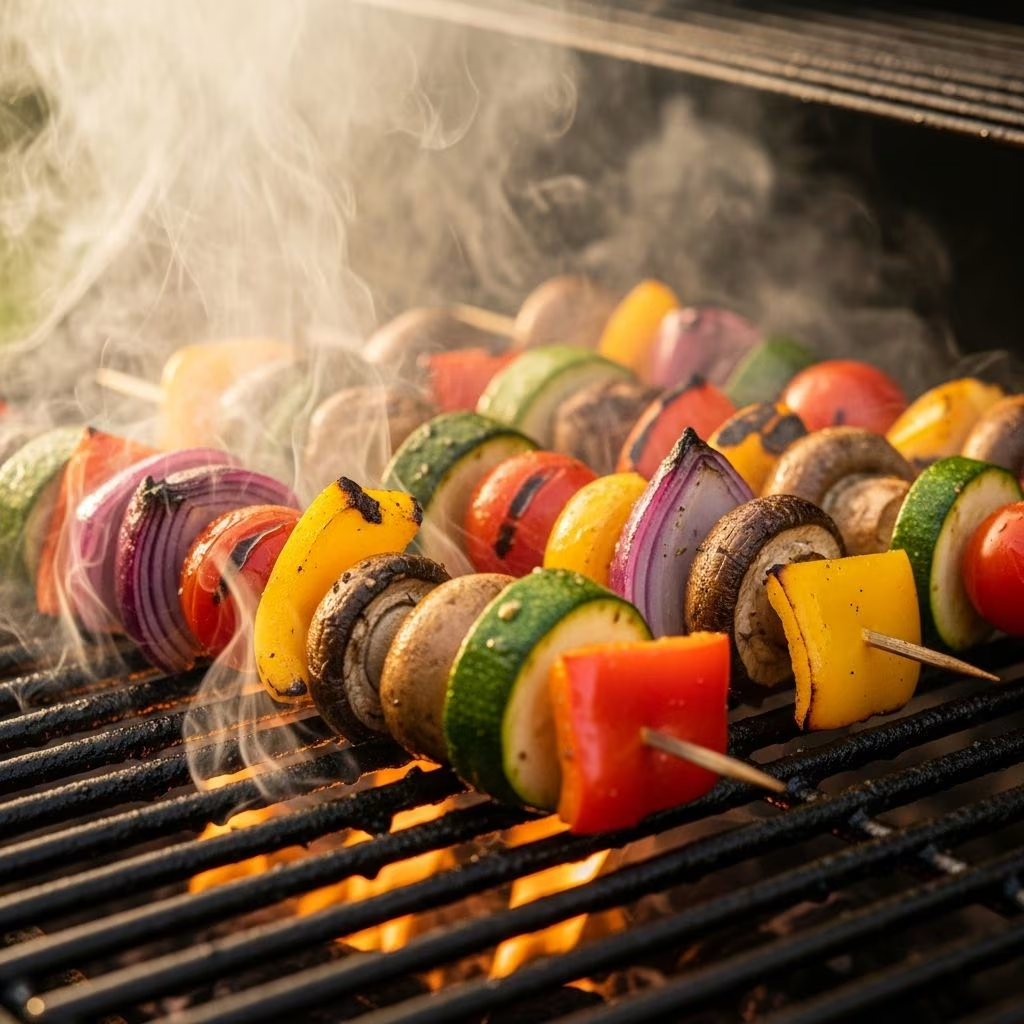
Smoking vegetables on skewers transforms simple produce into a sophisticated side dish that rivals any protein-focused barbecue offering. This cooking method imparts a rich, subtle smokiness while preserving the natural sweetness and texture of fresh vegetables. Whether you’re hosting a summer gathering or seeking a vegetarian-friendly BBQ option, smoked vegetable skewers deliver impressive results with straightforward techniques.
Selecting and Preparing Your Vegetables
The foundation of exceptional smoked vegetable skewers begins with choosing the right vegetables and preparing them consistently. Success depends on selecting vegetables that can withstand direct heat while developing appealing char marks and maintaining structural integrity.
Prime Vegetable Choices
- Bell Peppers: Cut into large chunks that hold their shape; red, yellow, and green varieties add visual appeal and provide a naturally sweet flavor profile.
- Zucchini and Summer Squash: Slice into thick rounds or half-moon shapes to prevent them from becoming mushy during the smoking process.
- Mushrooms: Use button, cremini, or portobello varieties, leaving smaller ones whole and halving larger specimens for uniform cooking.
- Cherry Tomatoes: Keep these whole for juicy bursts of flavor and visual presentation.
- Red Onion: Cut into substantial wedges that maintain cohesion on the skewer while developing a mild, caramelized taste.
- Corn: Cut cobs into thick rounds for an interesting textural element.
Essential Preparation Steps
Uniform sizing ensures even cooking throughout the smoking process. Cut all vegetables into similar-sized pieces, aiming for approximately 1 to 1.5 inches in dimension. For zucchini and squash, maintain thicker slices to maintain their structure. For onions, cut them into wedges that will hold together securely on the skewer. Pat vegetables dry with paper towels before marinating to help marinades adhere properly.
Creating Flavorful Marinades and Rubs
The marinade or dry rub you choose establishes the flavor foundation for your smoked vegetables. Two primary approaches exist: liquid marinades that infuse vegetables with moisture and flavor, or dry rubs that create seasoned exteriors.
Marinade Foundations and Variations
A versatile marinade begins with an oil-based foundation that helps vegetables cook evenly and prevents sticking. Combine olive oil with an acidic component such as balsamic vinegar, lemon juice, or soy sauce. To this base, add aromatic elements including minced garlic, fresh or dried herbs, and spices.
| Marinade Component | Quantity | Purpose |
|---|---|---|
| Olive Oil | ½ cup | Base liquid; promotes even cooking |
| Acidic Element (vinegar, lemon, soy) | ¼ cup | Tenderizes; adds brightness |
| Garlic, minced | 3-4 cloves | Foundational aromatics |
| Fresh Herbs (rosemary, thyme, parsley) | 2-3 tablespoons | Aromatic complexity |
| Spices (smoked paprika, cumin, oregano) | ½-1 teaspoon each | Depth and warming notes |
Dry Rub Alternative
For a quicker preparation method, combine kosher salt, freshly ground black pepper, garlic powder, onion powder, and smoked paprika. Optional additions include brown sugar for sweetness, chili powder for heat, and additional dried herbs for complexity. Toss vegetables thoroughly with the rub to ensure even coverage. This method works particularly well when you prefer to control the final flavor profile without extended marinating time.
Marinating Timeline and Technique
For maximum flavor development, marinate vegetables for 30 minutes to 2 hours in the refrigerator. Whisk together all marinade components in a large mixing bowl, then add prepared vegetables and toss thoroughly to coat every surface. If marinating longer than one hour, store the mixture in an airtight container to maintain food safety standards.
Selecting and Preparing Skewers
Your skewer choice influences both cooking results and ease of handling. Two main options exist, each with distinct advantages.
Metal Versus Wooden Skewers
Metal Skewers: Reusable, durable, and sturdy, metal skewers conduct heat and promote even cooking throughout vegetables. They eliminate the risk of burning and require no advance soaking. Stainless steel options resist rust and corrosion over years of use.
Wooden Skewers: These economical, disposable options require essential advance preparation. Soak wooden or bamboo skewers in water for at least 30 minutes before threading vegetables. This prevents them from igniting during the smoking process and maintains their structural integrity.
Threading Techniques
Thread vegetables onto skewers in a thoughtful pattern that promotes even cooking and creates visual appeal. Alternate vegetable types to ensure variety in each bite and to distribute cooking times evenly. Begin and end skewers with firmer vegetables like onions or peppers, which can support the weight of more delicate items. Leave minimal gaps between items to prevent them from rolling or shifting during cooking.
Smoking Woods and Flavor Profiles
The type of smoking wood you select dramatically influences the final flavor of your vegetable skewers. Different woods impart distinct taste characteristics that pair beautifully with vegetables.
Wood Selection Guide
Apple wood produces a mild, slightly sweet smoke that complements the natural vegetable flavors without overpowering them. Cherry wood offers a more pronounced fruity sweetness and creates beautiful color development on vegetables. Hickory wood delivers a stronger, more traditional BBQ smoke flavor with slight bacon-like undertones. For vegetable skewers, apple or cherry wood typically provides the most balanced results.
Wood Quantity and Management
A small handful of wood chips or 2 to 3 chunks provides sufficient smoke flavor without overwhelming delicate vegetables. The goal is subtle smokiness rather than heavy, acrid taste. Add wood chips at the beginning of the smoking process and replenish as needed to maintain consistent smoke generation. Monitor your grill temperature to ensure wood smolders rather than flames, which creates clean smoke.
The Smoking Process: Temperature and Timing
Successful vegetable smoking requires attention to temperature maintenance and careful timing to achieve the ideal balance of tenderness and caramelization.
Temperature Guidelines
Maintain a consistent grill temperature between 225 and 250 degrees Fahrenheit for optimal results. This moderate temperature allows vegetables to cook through while developing a light char and absorbing smoke flavor. If your grill runs hotter, position skewers on the indirect heat side away from direct flame to prevent excessive charring.
Cooking Duration and Monitoring
Smoke vegetable skewers for 25 to 40 minutes, depending on vegetable density and your specific grill characteristics. Turn skewers every 10 minutes to ensure even cooking and consistent smoke exposure on all sides. This rotation prevents hot spots from over-charring specific areas while allowing each surface to develop appealing color and flavor.
Visual Doneness Indicators
Vegetables reach ideal doneness when their exteriors display light char marks and they yield slightly to fork pressure while maintaining structural integrity. Zucchini and squash should show golden-brown edges without becoming translucent. Peppers should have slight blistering. Mushrooms should be tender but not shriveled. A slight char is desirable for flavor development, but avoid heavy blackening, which indicates overcooking.
Professional Finishing Touches
Simple finishing techniques elevate smoked vegetable skewers from basic side dish to restaurant-quality offering.
Basting During Smoking
Brush vegetable skewers with extra marinade or clarified butter during the final 10 to 15 minutes of smoking. This adds additional flavor and creates a glossy, appealing exterior. Use a dedicated basting brush to apply the coating evenly across all vegetables.
Complementary Dipping Sauces
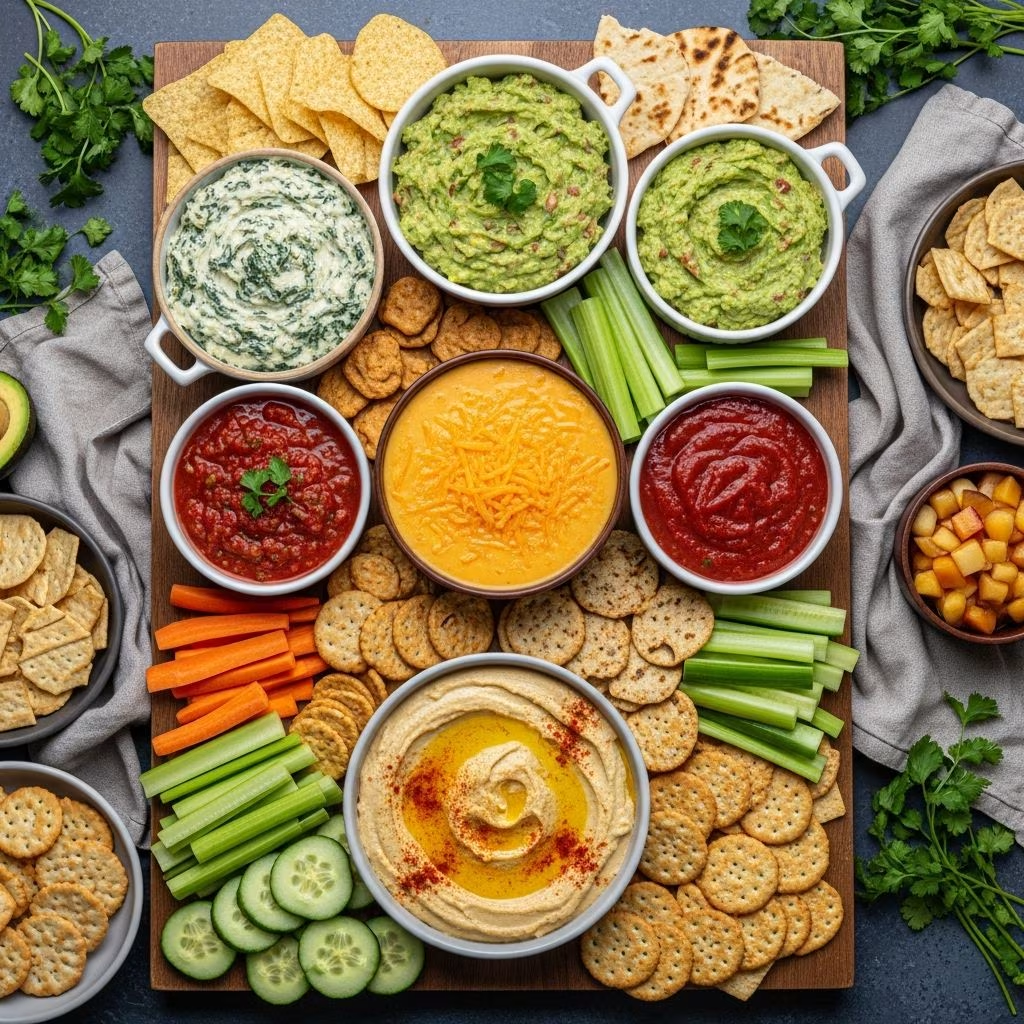
Prepare accompaniments that enhance rather than mask the smoky vegetable flavors. Tzatziki sauce provides cooling relief with its yogurt and cucumber base. Harissa yogurt sauce introduces warming spice and depth. Hummus offers creamy earthiness, while ranch provides familiar comfort. These sauces allow guests to customize their flavor experience.
Serving Strategies and Menu Integration
Smoked vegetable skewers adapt easily to various dining contexts and can serve as either side dish or vegetarian main course.
Serving as a Main Course
When featuring smoked vegetable skewers as the centerpiece, serve them over grains such as quinoa, rice, or couscous to create a complete, satisfying meal. This combination provides balanced nutrition and allows each component to enhance the others. Alternatively, serve skewers alongside additional vegetarian proteins such as grilled tempeh or tofu for added substance.
Complementary Side Pairings
As a side dish, smoked vegetable skewers pair beautifully with grilled proteins, fresh salads, and crusty bread. The smoky vegetable flavors complement both beef and chicken without overshadowing them. Serve alongside grain-based salads or roasted root vegetables for comprehensive BBQ offerings.
Essential Tips for Consistent Success
- Select the freshest, highest-quality vegetables available, as produce quality directly impacts final results.
- Maintain uniform vegetable sizing throughout skewers to ensure even cooking across all components.
- Oil your grill grate thoroughly to prevent vegetables from sticking and to promote attractive char development.
- Avoid overcooking to preserve tender-crisp texture that contrasts pleasingly with smoke flavor.
- Prepare skewers ahead of time and refrigerate marinated vegetables until smoking begins for better flavor penetration.
- Use high-heat gloves when rotating skewers to prevent burns and maintain skewer positioning.
Frequently Asked Questions
Can I prepare vegetable skewers in advance?
Yes, prepare and marinate skewers several hours ahead, storing them covered in the refrigerator. Remove from refrigeration 15 minutes before smoking to allow vegetables to reach room temperature for more even cooking.
What if my vegetables keep sliding off the skewers?
Cut vegetables into slightly larger pieces, use metal skewers for better grip, and thread pieces tightly together. Firmer vegetables like onions and peppers can act as anchors for more delicate items.
Are smoked vegetable skewers suitable for vegetarians and vegans?
Yes, when prepared with vegetable marinades and served with vegan-compatible sauces like hummus. Verify that all marinade and dressing ingredients align with dietary restrictions.
How do I prevent wooden skewers from burning?
Soak wooden skewers for at least 30 minutes before use. Additionally, position skewers on the indirect heat side when possible, and wrap exposed skewer portions with foil for extra protection.
Can I smoke vegetables at higher temperatures for faster cooking?
While higher temperatures cook vegetables faster, they reduce smoke penetration and may cause exterior charring before vegetables cook through. Maintain 225-250 degrees for optimal flavor development and even cooking.
References
- Grilled Vegetable Kabobs (Two Ways) — The Mediterranean Dish. https://www.themediterraneandish.com/vegetable-kabobs/
- Kamado Grilled Smoked Veggie Skewers: A Healthy, Flavorful BBQ Favorite — Vessils. https://vessils.com/blogs/recipes/kamado-grilled-smoked-veggie-skewers-a-healthy-flavorful-bbq-favorite
- Moroccan Grilled Veggie Skewers — Feasting At Home. https://www.feastingathome.com/grilled-harissa-veggie-kabobs/
- SMOKED Vegetable Kabobs On The Pit Boss Tailgater Pellet Grill — Man Kitchen Recipes. https://www.youtube.com/watch?v=uQrzT1a7uvg