Smoked salmon stands as a timeless delicacy, cherished for its rich, savory profile and silky texture. Whether draped over a bagel with cream cheese or incorporated into sophisticated dishes, this preserved fish offers versatility that appeals to seafood lovers everywhere. This guide delves deep into its origins, production methods, selection criteria, home preparation techniques, creative recipes, and practical storage advice, empowering you to enjoy it at its finest.
The Rich Heritage of Smoked Salmon
The practice of smoking fish dates back thousands of years, originating with indigenous peoples who used smoke to preserve catches in regions abundant with salmon like the Pacific Northwest and Scandinavia. Native American tribes along the Columbia River developed sophisticated smoking techniques using alder wood, creating a tradition that influenced modern methods. In Europe, particularly Scotland and Norway, smoking became an art form by the 19th century, with innovations in curing and cold-smoking producing the luxurious product we savor today.
Today, smoked salmon production blends age-old wisdom with contemporary technology. Artisanal producers maintain small-batch processes, while commercial operations scale up for global demand. The result is a product that’s not just preserved but transformed into a flavor powerhouse, with smoke imparting notes of earthiness and umami that elevate simple ingredients.
Understanding Varieties and Flavors
Smoked salmon comes in diverse styles, each defined by curing methods, smoking temperatures, and wood types. Cold-smoked salmon, processed below 90°F (32°C), retains a moist, tender texture ideal for slicing thin. Hot-smoked varieties, cooked above 120°F (49°C), develop a firmer, flaky consistency similar to baked fish.
- Lox: A New York staple, gravlax-style cured in brine without smoke, offering pure salmon essence.
- Scottish-style: Delicately cold-smoked over oak, prized for subtlety.
- Nova: Brined then cold-smoked, balancing saltiness with smoke.
- Baltic: Heavily salted and hot-smoked, robust for cooking.
Flavor profiles vary with woods: alder for mild sweetness, hickory for bold smokiness, and fruitwoods like apple for fruity undertones. Organic and wild-caught options provide cleaner tastes, often superior to farmed varieties due to natural diets rich in omega-3s.
Choosing High-Quality Smoked Salmon
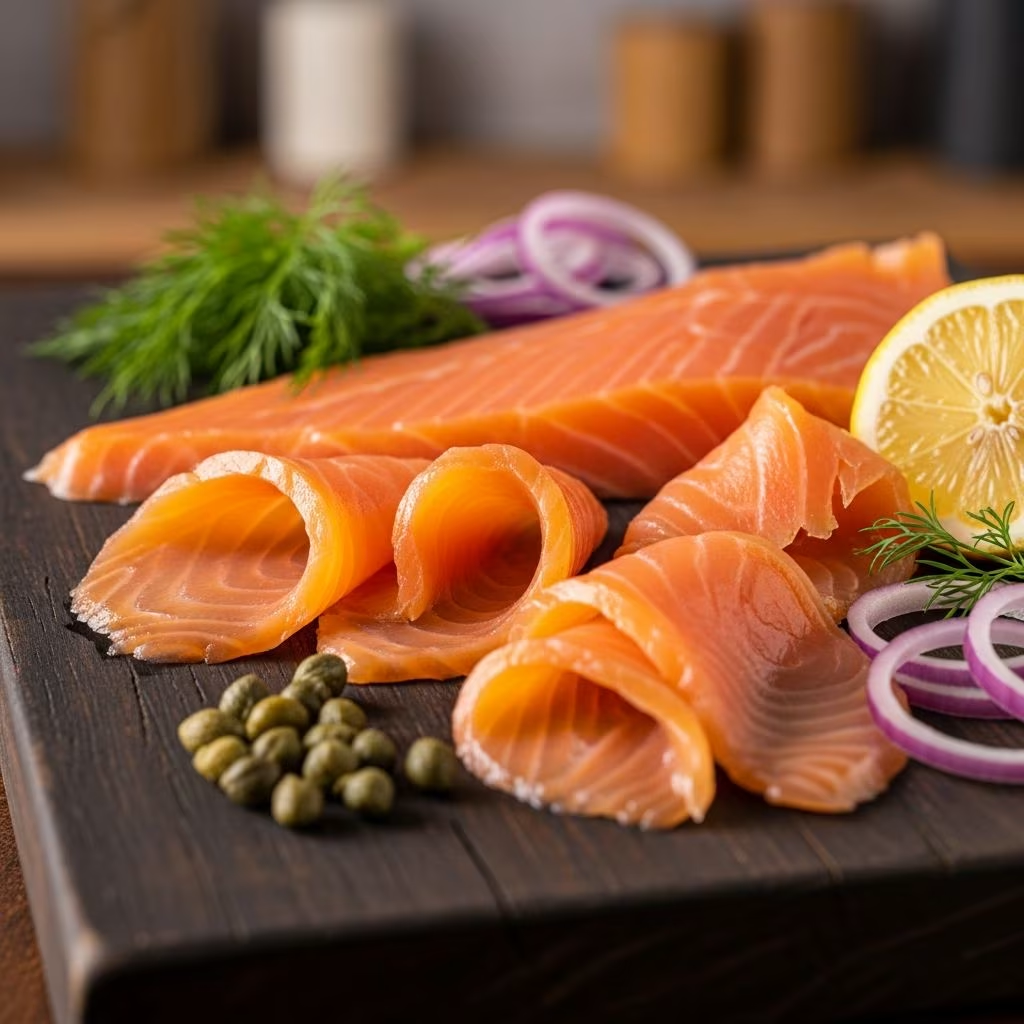
Selecting premium smoked salmon ensures the best experience. Look for vibrant orange-pink hues without dull graying, a sign of oxidation. The flesh should glisten with natural oils, firm yet yielding to gentle pressure. Avoid packages with excessive liquid, indicating poor handling.
| Quality Indicator | Good Sign | Red Flag |
|---|---|---|
| Color | Translucent pink-orange | Brownish or faded |
| Texture | Silky, moist | Dry, mushy |
| Aroma | Fresh smoke, ocean | Ammonia, rancid |
| Packaging | Vacuum-sealed, labeled origin | Leaking, no details |
Opt for sustainably sourced salmon certified by MSC (Marine Stewardship Council). Check labels for additives; purists prefer just salt, sugar, and smoke.
Home Smoking: Step-by-Step Mastery
Smoking salmon at home unlocks fresh, customized flavors. Start with high-quality fillets, skin-on for easier handling. Brining is crucial—dissolve 1/4 cup kosher salt and 1/4 cup brown sugar per quart of water, adding dill or peppercorns for depth. Submerge fillets for 8-12 hours in the fridge.
Rinse and pat dry, then air-dry uncovered for 2-4 hours to form a pellicle (sticky surface for smoke adhesion). Use a smoker preheated to 180°F (82°C) for hot-smoking or 80°F (27°C) for cold. Hickory or alder chips provide ideal smoke; maintain steady temperature for 2-6 hours, spritzing with apple cider vinegar for moisture.
- Prepare brine and cure fish overnight.
- Air-dry to pellicle stage.
- Smoke low and slow, monitoring internal temp to 145°F (63°C) for safety.
- Chill immediately post-smoke.
Safety note: USDA recommends internal temperatures of 145°F to kill parasites, vital for raw-consumed cold-smoked fish. USDA Smoking Guidelines emphasize proper refrigeration.
Signature Recipes to Impress
Classic Bagel Breakfast
Toast sesame bagels, spread with chive cream cheese, layer thin smoked salmon slices, capers, red onion, and lemon zest. Simple yet indulgent.
Smoked Salmon Chowder
Sauté leeks, celery, potatoes in butter; add clam juice, cream, dill. Flake in hot-smoked salmon off-heat for creamy comfort.
Salmon Tartare
Finely dice cold-smoked salmon with avocado, cucumber, shallot. Dress with mustard aioli, serve on cucumber rounds.
Smoked Salmon Sushi Rolls
Layer nori with rice, avocado, cream cheese, and salmon strips; roll tight, slice. Dip in soy-wasabi.
These recipes highlight salmon’s adaptability, from appetizers to mains.
Perfect Pairings and Serving Ideas
Pair smoked salmon with crisp whites like Sauvignon Blanc or Champagne to cut richness. Beers? Pilsners or IPAs complement smokiness. For boards, combine with cheeses (goat, brie), crackers, pickles, and mustards.
Serve at room temperature for peak flavor—refrigerated salmon mutes taste. Slice against the grain with a sharp knife for elegant presentation. Elevate with microgreens or edible flowers.
Storage and Longevity Tips
Unopened vacuum packs last 2-3 weeks refrigerated; opened, 5-7 days wrapped tightly. Freeze slices between parchment for 2 months; thaw in fridge. Avoid refreezing to preserve texture. According to FDA, maintain below 40°F (4°C). FDA Seafood Safety.
Health Benefits and Nutrition
Smoked salmon packs protein (25g per 100g), omega-3s for heart health, and B12 for energy. A 3oz serving offers 50% daily vitamin D needs. Moderation advised due to sodium (1000mg per serving). Wild varieties edge farmed in nutrient density per NIH studies.
Frequently Asked Questions
Is smoked salmon cooked?
Cold-smoked is raw-cured; hot-smoked is fully cooked.
Can I smoke salmon without a smoker?
Use a grill with wood chips or stovetop smoker pan.
How to tell if it’s gone bad?
Off odors, slimy texture, or discoloration.
Vegetarian alternatives?
Smoked tofu or eggplant mimics texture.
Best wood for beginners?
Alder—mild and forgiving.
Advanced Techniques for Enthusiasts
Experiment with wet vs. dry brines: wet for moisture, dry for intensity. Tea-smoke for Asian twists using lapsang souchong. Sous-vide before smoking for precision. Track variables in a journal to perfect your signature style.
References
- Smoked Fish and Food Safety — USDA Food Safety and Inspection Service. 2023-05-15. https://www.fsis.usda.gov/food-safety/safe-food-handling-and-preparation/meat-fish-seafood/smoked-fish
- Selecting and Serving Seafood Safely — U.S. Food and Drug Administration. 2024-02-10. https://www.fda.gov/food/buy-store-serve-safe-food/selecting-and-serving-fresh-and-frozen-seafood-safely
- Omega-3 Fatty Acids and Cardiovascular Disease — National Institutes of Health. 2022-08-01. https://ods.od.nih.gov/factsheets/Omega3FattyAcids-HealthProfessional/
- Marine Stewardship Council Standards — Marine Stewardship Council. 2025-01-20. https://www.msc.org/standards-and-certification/developing-our-standards