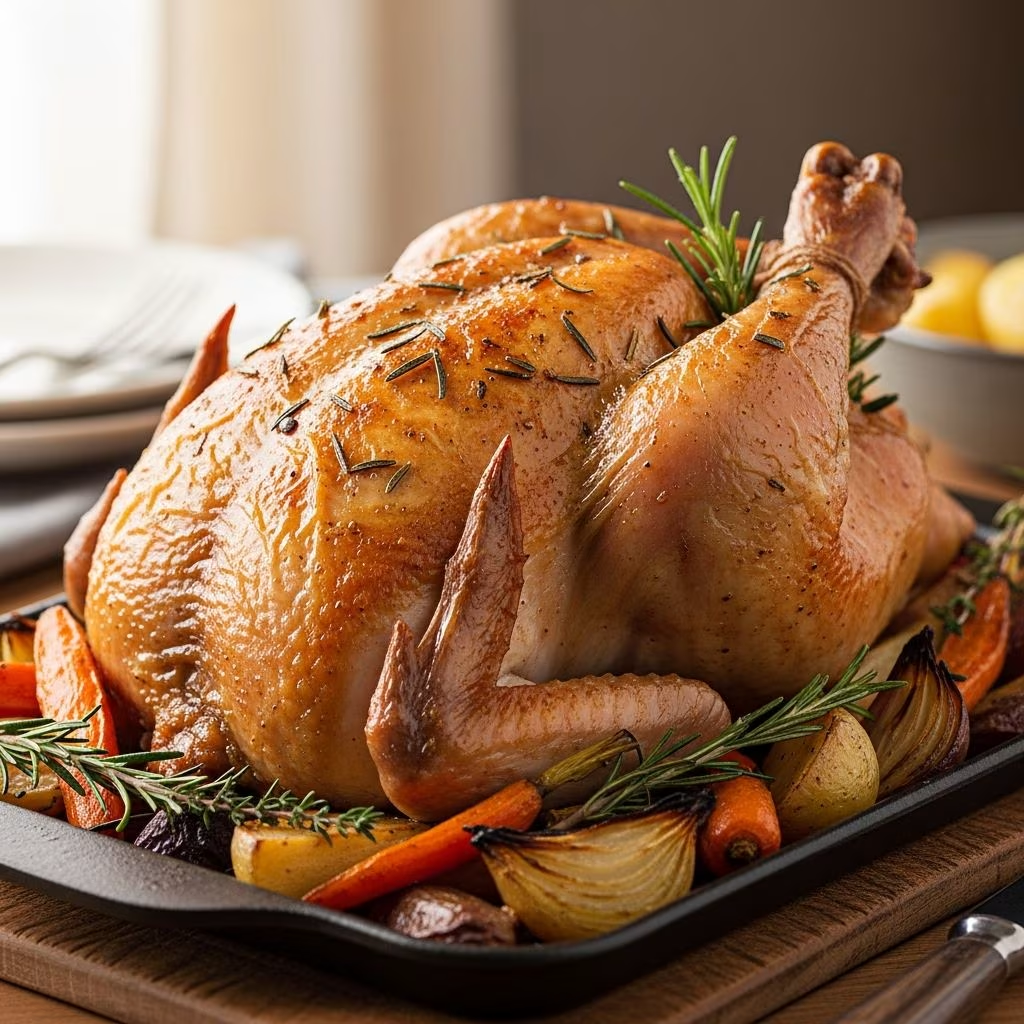
Transform a basic whole chicken into a culinary triumph with the low-and-slow roasting method. This approach delivers exceptionally tender meat that pulls away from the bone effortlessly, paired with golden, crisp skin and rich pan juices perfect for drizzling over sides. Unlike high-heat roasting, which can dry out the bird, slow cooking at around 300°F allows flavors to infuse deeply while keeping moisture locked in. Ideal for weeknight dinners or meal prep, this technique requires little hands-on time, making it accessible for all skill levels.
Why Choose Slow Roasting for Whole Chicken
Slow roasting stands out for its reliability. The gentle heat breaks down connective tissues gradually, resulting in silky texture without constant monitoring. Home cooks praise it for producing restaurant-quality results with everyday ingredients. Benefits include enhanced flavor absorption from seasonings, even cooking throughout the bird, and versatile pan juices that elevate mashed potatoes or grains. Studies from food science sources confirm low-temperature cooking minimizes moisture loss, preserving up to 20% more juiciness compared to traditional methods (USDA Food Safety Guidelines, 2023).
Essential Ingredients for Success
Keep it simple with a 3.5-5 pound whole chicken as the star. Core seasonings like kosher salt, garlic (fresh or powdered), black pepper, and olive oil form the base rub. Aromatics such as lemon slices, fresh herbs (thyme, rosemary), and onions add depth without overpowering. Optional additions like paprika, fennel seeds, or butter elevate taste profiles.
- Protein: One 4-pound chicken, giblets removed.
- Base Rub: 1-2 tbsp kosher salt, 2 tsp garlic powder or 6-8 minced cloves, 1 tsp pepper, 2 tbsp olive oil.
- Aromatics: 1 lemon quartered, 1 onion sliced, fresh thyme sprigs.
- Enhancers: 1 tsp paprika or fennel, 2 tbsp butter for basting.
These elements ensure balanced seasoning that permeates the meat during the long cook.
Step-by-Step Roasting Guide
Preparation takes under 20 minutes, followed by mostly passive cooking. Start by preheating your oven to 300°F—avoid convection for even heat distribution.
- Prep the Bird: Rinse the chicken inside and out, then pat thoroughly dry with paper towels. This step is crucial for crisp skin as moisture causes steaming.
- Season Generously: Mix salt, garlic, pepper, and oil into a paste. Rub under the skin, inside the cavity, and all over the exterior. Loosen skin over breasts to apply directly on meat for maximum flavor.
- Stuff the Cavity: Insert lemon quarters, onion slices, and herb sprigs. Tie legs with kitchen twine to promote even cooking.
- Set Up the Pan: Place on a bed of sliced onions or root vegetables in a roasting pan. Add a splash of stock or water to prevent drying.
- Roast Low and Slow: Cook uncovered for 3 hours. Baste with pan juices midway for extra moisture. For crispier skin, raise to 425°F for the final 10 minutes.
- Rest and Check: Let rest 15 minutes tented with foil. Internal thigh temperature should reach 165°F; juices run clear.
This method yields a bird with meltingly tender dark meat and juicy breasts every time.
Customizing Your Slow-Roasted Chicken
Adapt the recipe to preferences or dietary needs. For a spicy twist, incorporate red pepper flakes or smoked paprika. Herb lovers can experiment with sage or oregano. Vegetables like carrots, potatoes, and celery roasted alongside absorb chicken fat for delicious sides.
| Variation | Key Additions | Cook Time Adjustment |
|---|---|---|
| Vegetable Medley | Carrots, potatoes, onions | Same 3 hours |
| Herb Butter Baste | Melted butter with thyme | Baste every hour |
| Spicy Garlic | Red flakes, extra garlic | No change |
| Citrus Infused | Orange + lemon | Same |
Lower temps like 275°F extend to 4 hours or 250°F for 5 hours if time allows, intensifying tenderness.
Pro Tips for Perfection
- Dry Skin Secret: Air-dry the chicken uncovered in the fridge overnight for ultra-crispy results.
- Basting Boost: Use a spoon or bulb baster every 60-90 minutes to redistribute fats.
- Pan Juices Magic: Deglaze with wine or stock post-roast for gravy; strain veggies if needed.
- Size Matters: Scale time by weight—20-25 minutes per pound at 300°F.
- Storage: Refrigerate up to 4 days; reheat gently at 300°F covered.
Avoid common pitfalls like overcrowding the pan, which steams instead of roasts.
Nutritional Breakdown and Pairings
A 4-ounce serving offers about 250 calories, 30g protein, and essential nutrients like B vitamins and selenium. Pair with roasted veggies, quinoa, or a fresh salad for balanced meals. The method aligns with health guidelines promoting lean proteins (USDA MyPlate, 2024).
Frequently Asked Questions
Can I use a frozen chicken?
No—thaw fully in the fridge for food safety and even cooking. Plan 24 hours per 5 pounds (USDA Food Safety, 2023).
Why is my skin not crispy?
Ensure the bird is patted dry and finish with high heat. Skip foil covering.
How do I know it’s done?
Use a thermometer: 165°F in thigh, not touching bone. Legs wiggle easily.
Can I roast at lower temperatures?
Yes, 250°F for 5 hours works for deeper flavor.
What if I don’t have twine?
Tuck wings under and use toothpicks for legs; it’s optional for shape.
Meal Prep and Freezing Ideas
Shred leftovers for salads, tacos, or soups. Freeze carved chicken in portions up to 3 months. The slow-roast yields versatile results for busy weeks.
Experiment with global flavors like Mediterranean (olives, feta) or Asian-inspired (soy, ginger) rubs to keep it exciting.
References
- Perfect Slow Roasted Chicken (with vegetables) — JZ Eats. 2023. https://jz-eats.com/slow-roasted-chicken/
- Slow Roasted Chicken: A Perfect Roast Chicken Every Time! — Panning the Globe. 2022. https://www.panningtheglobe.com/slow-roasted-chicken-a-perfect-roast-chicken-every-time/
- An Easy And Delicious Slow Roasted Chicken — The Genetic Chef. 2023. https://www.thegeneticchef.com/slow-roasted-chicken/
- USDA Food Safety Guidelines for Poultry — United States Department of Agriculture. 2023-10-15. https://www.fsis.usda.gov/food-safety/safe-food-handling-and-preparation/poultry/chicken-farm-table
- USDA MyPlate Protein Recommendations — United States Department of Agriculture. 2024. https://www.myplate.gov/eat-healthy/protein-foods