Salmon represents one of the most versatile and nutritious proteins available to home cooks, offering both elegant presentation and straightforward preparation. The combination of tender, flaky fish with bright, zesty accompaniments creates a dish that satisfies both sophisticated palates and everyday diners. This approach to salmon preparation emphasizes gentle cooking methods that preserve moisture while allowing natural flavors to shine through.
The beauty of this cooking technique lies in its simplicity. Rather than employing high-heat methods that can quickly dry out delicate fish flesh, low-temperature roasting ensures even cooking throughout the fillet. Paired with a fresh citrus herb condiment that can be prepared while the fish cooks, this method produces impressive results without requiring advanced culinary skills.
Understanding Low-Temperature Roasting for Fish
Traditional salmon preparation often involves higher oven temperatures that cook the exterior quickly while potentially leaving the interior undercooked. The low-temperature approach reverses this dynamic, using gentle, sustained heat that allows the protein to cook evenly from edge to center. This method has gained popularity among professional chefs and food scientists who recognize its benefits for fish preparation.
When roasting salmon at reduced temperatures, the muscle fibers break down gradually, releasing moisture at a controlled rate. This prevents the common problem of overcooked, rubbery salmon that results from rapid heat exposure. The slower cooking process also allows the fish’s natural oils to distribute throughout the flesh, enhancing flavor and texture.
For optimal results, preheat your oven to 250 degrees Fahrenheit. This temperature provides enough heat to thoroughly cook the salmon while maintaining its delicate structure. Depending on the thickness of your fillet, expect cooking times between 25 and 35 minutes, though variables such as oven calibration and fillet size may require adjustment.
Preparing the Foundation: Citrus Elements
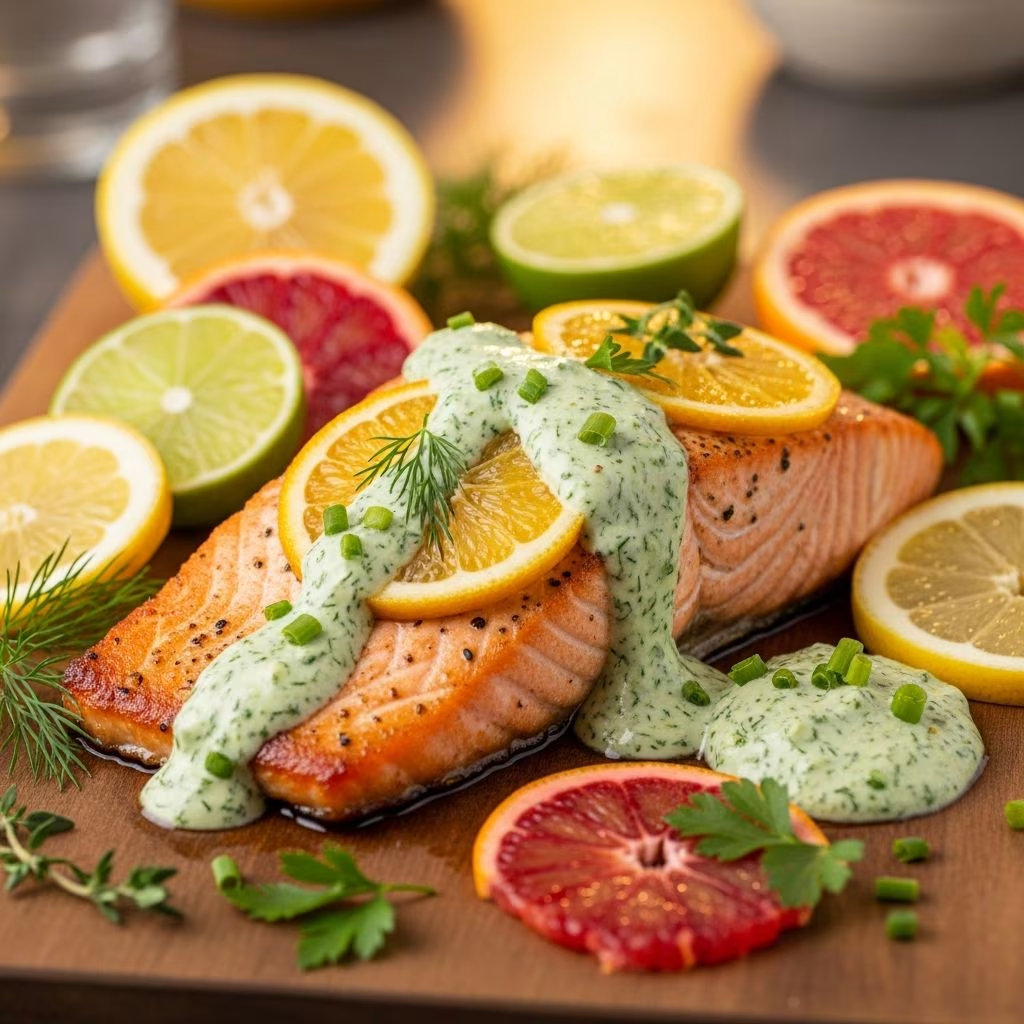
The character of the accompanying sauce derives primarily from fresh citrus fruits, specifically oranges and lemons. Rather than relying on juice alone, this preparation incorporates zest—the flavorful, colored outer layer of citrus peel that contains essential oils responsible for intense citrus fragrance and taste.
Begin by selecting firm citrus fruits without soft spots or discoloration. Using a microplane grater or fine zester, carefully remove only the colored portion of the peel, avoiding the bitter white pith beneath. For optimal flavor, zest approximately two oranges and one lemon, then divide the total zest into two equal portions. One portion will season the salmon during cooking, while the other incorporates into the finishing sauce.
After zesting, juice the same citrus fruits. Fresh-squeezed juice delivers superior flavor compared to bottled alternatives, which often contain preservatives and lack the vibrant character of freshly extracted juice. Squeeze the juice into a small bowl, being careful to remove seeds that may have fallen in during the process.
Building the Herb-Based Condiment
The sauce that crowns this dish relies on a classic combination of fresh green herbs, traditionally featuring cilantro and parsley. Both herbs contribute distinct flavor profiles—cilantro provides a bright, slightly peppery note, while parsley offers earthiness and mild freshness. These herbs should be chopped finely using a sharp chef’s knife or, alternatively, a mezzaluna (a curved rocking knife designed specifically for herb chopping).
Combine the chopped herbs with the reserved citrus zest in a small mixing bowl. Add the freshly squeezed citrus juice, high-quality extra-virgin olive oil (approximately two to three tablespoons), and a pinch of kosher salt. The olive oil acts as an emulsifier, helping the watery citrus juice and herb particles combine into a cohesive sauce. Whisk the mixture thoroughly until all components are evenly distributed.
This condiment represents a variation of traditional salsa verde, which typically features Mexican cilantro-based sauces. The citrus adaptation creates a lighter, more refreshing interpretation that complements delicate fish beautifully. The sauce should possess a slightly chunky, textured consistency rather than a smooth purée.
Preparing the Salmon Fillet
Select a center-cut salmon fillet weighing approximately 1.5 to 2 pounds. This size accommodates four to six servings, depending on portion preference. Center-cut fillets offer superior texture compared to tail sections, which contain less fat and may dry out more quickly during cooking.
Place the fillet skin-side down in a baking dish just large enough to accommodate it comfortably. The snug fit prevents excess oil from spreading across the pan bottom, which can cause burning and smoking. Drizzle the salmon generously with extra-virgin olive oil, then rub the oil across the surface of the flesh using your fingers or a pastry brush, ensuring even coverage.
Season the salmon with kosher salt to taste, then top with the first portion of reserved citrus zest. The zest will adhere to the moist surface, providing both flavor and visual appeal. At this stage, the salmon is ready for the oven.
The Roasting Process and Temperature Monitoring
Transfer the prepared baking dish to the preheated 250-degree oven. The gentle heat will gradually penetrate the fish flesh, cooking it evenly throughout. Most center-cut fillets will reach full doneness within 25 to 35 minutes, though oven variations and fillet thickness may require adjustments.
To determine doneness without cutting into the fillet, look for visual cues indicating complete cooking. The flesh should appear opaque throughout (rather than translucent), and should flake apart easily when tested gently with a fork. Alternatively, use an instant-read meat thermometer to verify the internal temperature has reached 145 degrees Fahrenheit, which represents the USDA recommendation for seafood safety.
While the salmon roasts, continue preparing the herb condiment. Chop your fresh herbs into fine pieces, then combine them with the remaining citrus zest, citrus juice, olive oil, and salt. Keep this sauce at room temperature until ready to serve, as the acidity from citrus may cause delicate herbs to oxidize and darken if combined too far in advance.
Finishing and Serving Considerations
Once the salmon reaches perfect doneness, remove the baking dish from the oven and let it rest for a few moments. Transfer the entire fillet to a serving platter or individual dinner plates, using a wide spatula or fish turner to prevent breakage. The skin may stick slightly to the baking dish; gentle persuasion with your utensil should release it cleanly.
Spoon approximately half of the prepared citrus herb sauce across the top of the salmon, allowing it to cascade naturally over the surface. Place the remaining sauce in a small serving bowl and position it at the table so diners can add additional sauce according to personal preference. This approach prevents the fish from becoming oversaturated while allowing those who prefer bolder citrus flavor to enhance their portions.
Ingredient Quality and Selection
| Component | Selection Criteria | Impact on Dish |
|---|---|---|
| Salmon | Center-cut, fresh or sustainably frozen | Ensures even cooking and superior texture |
| Citrus Fruits | Firm, fragrant, blemish-free | Provides bright, fresh flavor without off-notes |
| Fresh Herbs | Vibrant color, aromatic, purchased recently | Delivers authentic herbaceous character |
| Olive Oil | Extra-virgin, cold-pressed | Contributes fruity depth and proper emulsification |
Complementary Sides and Beverages
This preparation pairs exceptionally well with several side dishes that echo or balance the bright citrus flavors. Steamed or roasted asparagus with a squeeze of fresh lemon provides a simple green vegetable component. Alternatively, a quinoa pilaf incorporating dried cranberries and toasted almonds offers textural contrast and subtle sweetness that complements the herb sauce.
For beverage pairings, consider white wines with citrus or herbal characteristics. Sauvignon Blanc offers herbaceous notes that echo the salsa verde, while Pinot Grigio provides refreshing acidity that cleanses the palate between bites. Non-alcoholic options might include sparkling water with fresh mint and citrus slices, which reinforces the flavor profile of the dish.
Ingredient Variations and Adaptations
This foundational recipe welcomes numerous creative adaptations based on ingredient availability and personal preference. Gardeners or farmers market enthusiasts might incorporate fresh herbs beyond cilantro and parsley—mint provides cooling brightness, while basil introduces slightly peppery complexity. Some preparations include finely diced red onion or thinly sliced scallions for aromatic depth and textural variation.
Spice enthusiasts can introduce heat through red pepper flakes stirred into the finished sauce, while capers or green olives offer briny complexity that enhances the citrus elements. A touch of honey or agave nectar can be whisked into the sauce for those preferring slightly sweeter flavor profiles, though this should be balanced carefully to avoid overwhelming the delicate fish.
Storage and Make-Ahead Strategies
The citrus herb condiment can be prepared up to four hours in advance, though herbs should be incorporated no more than one hour before serving to prevent browning and oxidation. Store the sauce in a glass container at room temperature; refrigeration can dull the bright flavors slightly.
Cooked salmon refrigerates successfully for three to four days, making this an excellent option for meal preparation. Reheat gently at 300 degrees Fahrenheit for approximately ten minutes, rather than using higher temperatures that may cause the fish to dry out. The sauce can be added fresh after reheating for optimal flavor.
Troubleshooting Common Challenges
Overcooked, dry salmon: Reduce oven temperature by 10 degrees and begin checking for doneness 5 minutes earlier than recommended. Ensure your oven is accurately calibrated with an oven thermometer.
Sauce tastes too acidic: Add additional extra-virgin olive oil to balance the citrus juice, which will mellow sharp flavors through fat-based interaction.
Herbs browning or discoloring: Always incorporate fresh herbs at the final moment before serving. Citrus acid causes rapid oxidation in delicate herb tissues.
Uneven cooking: Allow salmon to reach room temperature before roasting, which promotes more even heat distribution throughout the fillet.
Nutritional Considerations
Salmon provides exceptional nutritional benefits, containing high levels of omega-3 fatty acids associated with cardiovascular health and cognitive function. The preparation method preserves these beneficial compounds, as the low-temperature roasting avoids degrading delicate lipids. Fresh citrus and herbs contribute additional antioxidants and micronutrients without significant caloric addition, making this an excellent choice for health-conscious diners.
Frequently Asked Questions
Can I use frozen salmon for this recipe?
Yes, frozen salmon works well provided it is thawed slowly in the refrigerator before cooking. This gradual thawing preserves texture better than rapid room-temperature thawing, which can result in excess moisture loss.
What if I don’t have both oranges and lemons?
Either citrus fruit can be used exclusively, though the combination provides more complex flavor. Limes offer a pleasant alternative, creating a different but equally delicious variation.
How can I tell if my salmon is cooked through without an instant-read thermometer?
The flesh should transition from translucent to opaque throughout. Additionally, the flesh should flake easily with gentle fork pressure, separating into individual muscle fibers rather than breaking apart in chunks.
Can this dish be prepared on the grill instead of in the oven?
While grilling is possible, the gentle, controlled environment of low-temperature roasting generally produces superior results for achieving perfectly cooked salmon with minimal risk of overcooking.
How much salmon should I prepare per person?
Plan for approximately 4 to 5 ounces (110 to 140 grams) of salmon per person for a main course serving, which accounts for approximately 20 percent weight loss during cooking.
References
- Fine Foods Blog – Slow Roasted Salmon with Citrus Salsa Verde — Fine Foods Blog. Accessed April 2026. https://finefoodsblog.com/oven-roasted-salmon-with-citrus-herb-salsa-verde/
- Wishbone Kitchen – Slow Roasted Salmon with Citrus Salsa Verde — Wishbone Kitchen. March 16, 2022. https://wishbonekitchen.com/slow-roasted-salmon-with-citrus-salsa-verde/
- Dishing Out Health – Roasted Salmon with Salsa Verde — Dishing Out Health. Accessed April 2026. https://dishingouthealth.com/salmon-salsa-verde/
- USDA Seafood Safety Guidelines — United States Department of Agriculture. Accessed April 2026. https://www.fda.gov/food/foodborneillnesscontaminants/buystore/ucm80019.htm