The modern kitchen has undergone a significant transformation with the advent of advanced cooking appliances that promise to save time while delivering restaurant-quality meals. Understanding the differences between traditional slow cookers and contemporary multicookers is essential for making an informed purchasing decision that aligns with your culinary needs and lifestyle.
Understanding Core Cooking Technologies
The fundamental distinction between slow cookers and multicookers lies in their operational mechanisms and heating approaches. Traditional slow cookers operate through extended, low-temperature cooking cycles that gently break down tougher cuts of meat and meld flavors over many hours. This method relies on consistent, gentle heat application without pressure modification.
Contemporary multicookers, by contrast, utilize pressure-based cooking technology that fundamentally alters how food is prepared. Pressure cooking works by sealing the cooking vessel and trapping steam internally, which increases the atmospheric pressure inside the pot and raises the boiling point of water above its standard 212°F (100°C). This elevated temperature environment accelerates the cooking process dramatically, allowing foods that typically require hours to cook through to be ready in a fraction of the time.
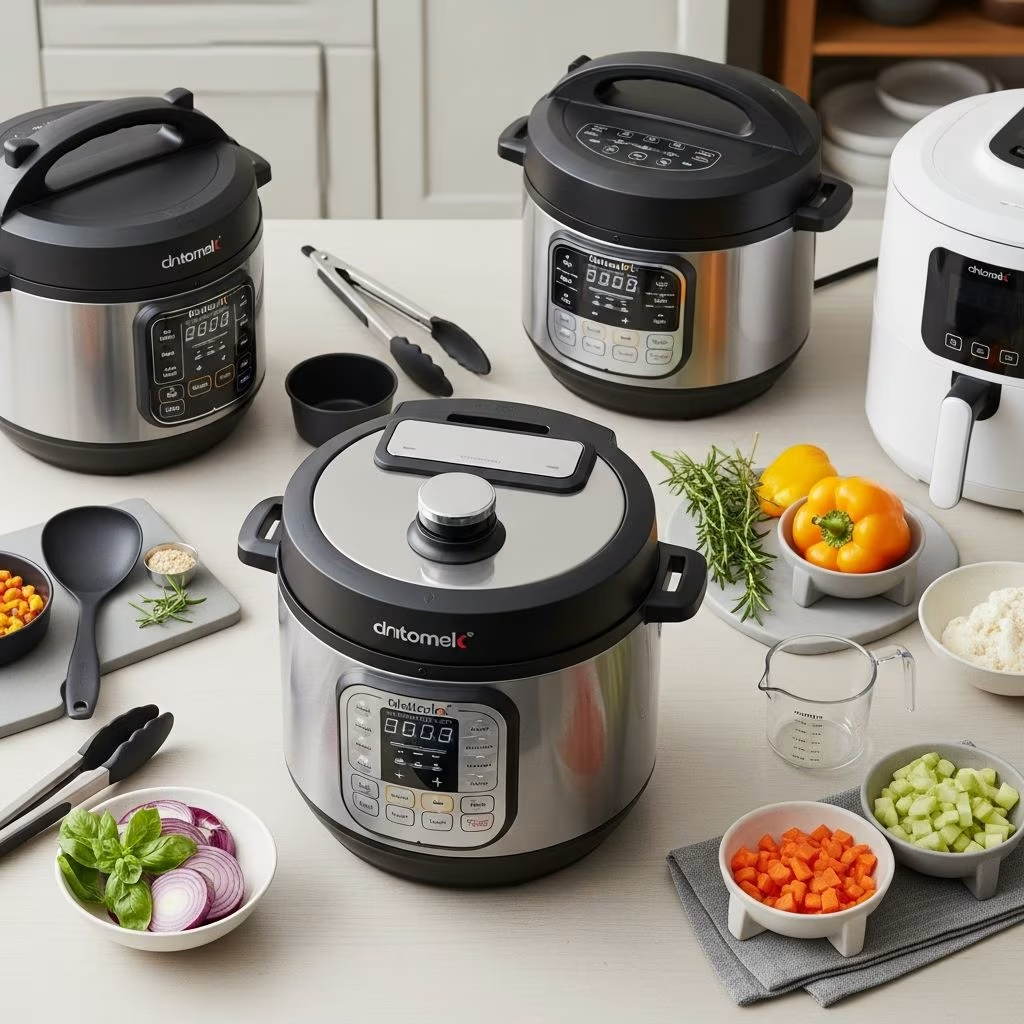
Beyond pressure cooking, modern multicookers integrate additional cooking functions that expand their versatility significantly. These appliances can operate as rice cookers, steamers, yogurt makers, and sauté stations, making them genuinely multi-functional kitchen tools rather than single-purpose devices.
Comparing Cooking Speed and Efficiency
One of the most compelling advantages of multicookers is their remarkable reduction in cooking time. Where a traditional slow cooker might require 6-8 hours to prepare a beef stew, a pressure-cooking multicooker can achieve comparable or superior results in approximately 30-45 minutes. This efficiency makes multicookers particularly valuable for busy professionals and families seeking weeknight meal solutions.
However, this speed advantage comes with important nuances. Multicookers require longer preheat times compared to traditional slow cookers, as they must build internal pressure before cooking actually commences. Additionally, the transition from raw ingredients to pressurized cooking environment means the actual hands-on cooking time begins after this heating phase concludes.
Traditional slow cookers offer the opposite trade-off: minimal setup time but extended total cooking duration. This makes them ideal for preparations initiated in the morning that will be ready by dinner time, requiring only the initial ingredient assembly.
Texture and Flavor Development Considerations
Different cooking methods produce distinct textural and flavor outcomes that merit consideration based on your preferences. Slow cooking excels at creating extremely tender results from tough cuts of meat, as the prolonged, low-temperature environment breaks down collagen gradually and thoroughly. The extended cooking duration also allows flavors to meld and deepen in ways that shorter cooking methods cannot replicate as completely.
Multicookers, while capable of producing tender results, occasionally cannot perfectly replicate the specific texture that extended slow cooking produces. The rapid pressure cooking environment, though effective, operates differently than gentle hours-long simmering. However, multicookers compensate through their ability to sauté ingredients before or after pressure cooking, enabling more complex flavor development through browning and caramelization steps.
Feature Versatility and Functional Range
When evaluating cooking appliances, understanding what each device can accomplish beyond its primary function is crucial:
- Multicookers typically offer pressure cooking, slow cooking, steaming, sautéing, rice cooking, yogurt making, and sometimes sous vide or air frying capabilities
- Slow cookers provide consistent low-temperature cooking and occasionally offer high-temperature settings, but lack additional functions
- Multicookers can adapt to different cooking styles and time constraints, making them suitable for various recipes and meal types
- Slow cookers excel specifically at their core function but do not pivot to accommodate different cooking requirements
This functional diversity means multicookers can handle everything from bean soups to cheesecakes to hard-boiled eggs to instant rice, whereas slow cookers maintain singular excellence in their domain.
Capacity and Household Size Alignment
Selecting appropriate capacity depends heavily on household size and entertaining frequency. Most multicookers come in 6-quart configurations with removable inner pots, facilitating both cooking and serving operations. Larger households or those who frequently prepare batch meals benefit from maximum capacity options. Conversely, smaller households might find that lower-capacity models reduce energy consumption and cooking duration while still meeting their needs adequately.
Traditional slow cookers similarly range in capacity, typically from 3.5 to 8 quarts, allowing similar flexibility in matching appliance size to family requirements.
Material Construction and Durability Factors
The inner pot construction significantly impacts cooking performance and longevity. Some multicookers feature non-coated stainless steel cooking surfaces, offering durability and direct heat contact benefits but requiring careful cooking technique to prevent sticking. Others employ ceramic or specialized coatings that reduce sticking but require gentler handling. Understanding your cooking habits—whether you prefer high-heat searing or low-temperature gentle cooking—should inform this selection.
Removable inner pots are standard across quality multicookers and slow cookers, enabling easy cleaning and serving directly from the cooking vessel. Dishwasher-safe components significantly reduce post-meal cleanup time and maintain hygiene through high-temperature washing.
Power Consumption and Energy Efficiency
Multicookers typically consume substantial electrical power during operation, with many drawing up to 950 watts. This higher power consumption occurs because these appliances must simultaneously maintain heating elements, create pressure, and operate electronic control systems. Traditional slow cookers generally consume less power as they maintain lower temperatures over extended periods.
Paradoxically, despite higher wattage consumption, multicookers often use less total energy per meal because their dramatically shorter cooking times offset their higher power draw. A meal prepared in 30 minutes at 950 watts may consume less total kilowatt-hours than the same meal prepared in 6 hours at 200 watts.
Choosing Based on Your Lifestyle Priorities
Select a multicooker if:
- You value speed and want meals ready in under an hour
- You appreciate kitchen device consolidation and limited counter space
- Your schedule includes last-minute meal planning
- You enjoy experimenting with diverse cooking methods
- You want to sauté aromatics before pressure cooking for enhanced flavor
Select a traditional slow cooker if:
- You prefer planning meals in advance and having dinner ready upon returning home
- You desire the unique texture and flavor development slow cooking provides
- You want minimal complexity in operation with straightforward temperature selection
- You’re comfortable with dedicated single-purpose kitchen appliances
- You want the lowest possible power consumption per meal
Price Considerations and Value Assessment
Quality multicookers represent a moderate to significant investment, ranging from approximately $80 to $300 depending on capacity, materials, and feature complexity. Traditional slow cookers typically cost between $30 and $150, making them a lower initial investment. However, the enhanced versatility and time-saving capabilities of multicookers may justify their higher purchase price through the expanded cooking possibilities they enable and the convenient meal preparation solutions they provide.
Frequently Asked Questions
Can a multicooker completely replace a traditional slow cooker?
Multicookers can replicate slow cooking functions through dedicated slow-cooker settings, though the preheating time required may extend total cooking duration compared to traditional slow cookers. While multicookers offer superior versatility and generally produce excellent results, purists who specifically value the unique texture of extended low-temperature cooking might still prefer traditional slow cookers for certain applications.
How do I prevent food from sticking in a non-coated multicooker pot?
Non-coated stainless steel surfaces require cooking technique adjustments: ensure adequate liquid for the cooking method, avoid excessive stirring during pressure cooking, and consider using the natural release pressure method rather than quick release, which can promote sticking through rapid moisture loss.
What’s the learning curve for operating a multicooker?
Modern multicookers feature increasingly intuitive interfaces with preset programs for common recipes. While the initial setup requires understanding pressure-release methods and cooking time adjustments, most users develop proficiency within 2-3 uses. Many manufacturers provide extensive recipe collections and online tutorials to accelerate the learning process.
Can I use my multicooker for cooking on high altitudes where water boils at lower temperatures?
Yes, most quality multicookers include altitude adjustment settings that modify cooking times and pressure levels to compensate for reduced atmospheric pressure at high elevations. Consulting your specific model’s manual for altitude-specific adjustments ensures optimal cooking results.
Making Your Final Selection
Your ideal choice depends on synthesizing multiple factors: your typical meal preparation timeline, available kitchen space, desired cooking versatility, budget constraints, and personal texture and flavor preferences. Neither option represents an objectively superior choice—rather, each serves different cooking philosophies and household situations effectively.
Consider your actual daily life: do you typically know what you’ll cook tomorrow, or do you make spontaneous dinner decisions? Do you entertain frequently and need large batch cooking capacity? Is counter space at a premium, making consolidated appliances valuable? Answering these questions provides clarity about which cooking appliance will genuinely enhance your kitchen experience.
References
- Kitchen Gadgets Zone — YouTube. 2024. Instant Pot vs Slow Cooker – Which One’s More Versatile?
- Official Instant Pot Multicooker Collection — Instant Pot. 2026. Multi-Cookers Product Line
- Instant Pot vs. Crock-Pot Express Face-Off — Consumer Reports. 2024. Appliance Comparison and Testing
- How to Use Your Instant Pot as a Slow Cooker — Milk Street. 2020. Cooking Technique Guide