Texas brisket embodies the pinnacle of barbecue artistry, renowned for its deep smoky essence and melt-in-your-mouth texture. Traditionally demanding hours over live fire, this cut now shines in the modern slow cooker, delivering comparable results with minimal effort. Whether hosting a gathering or craving comfort food, mastering slow cooker Texas brisket opens doors to restaurant-quality meals from your kitchen counter.
Understanding Beef Brisket: The Heart of Texas BBQ
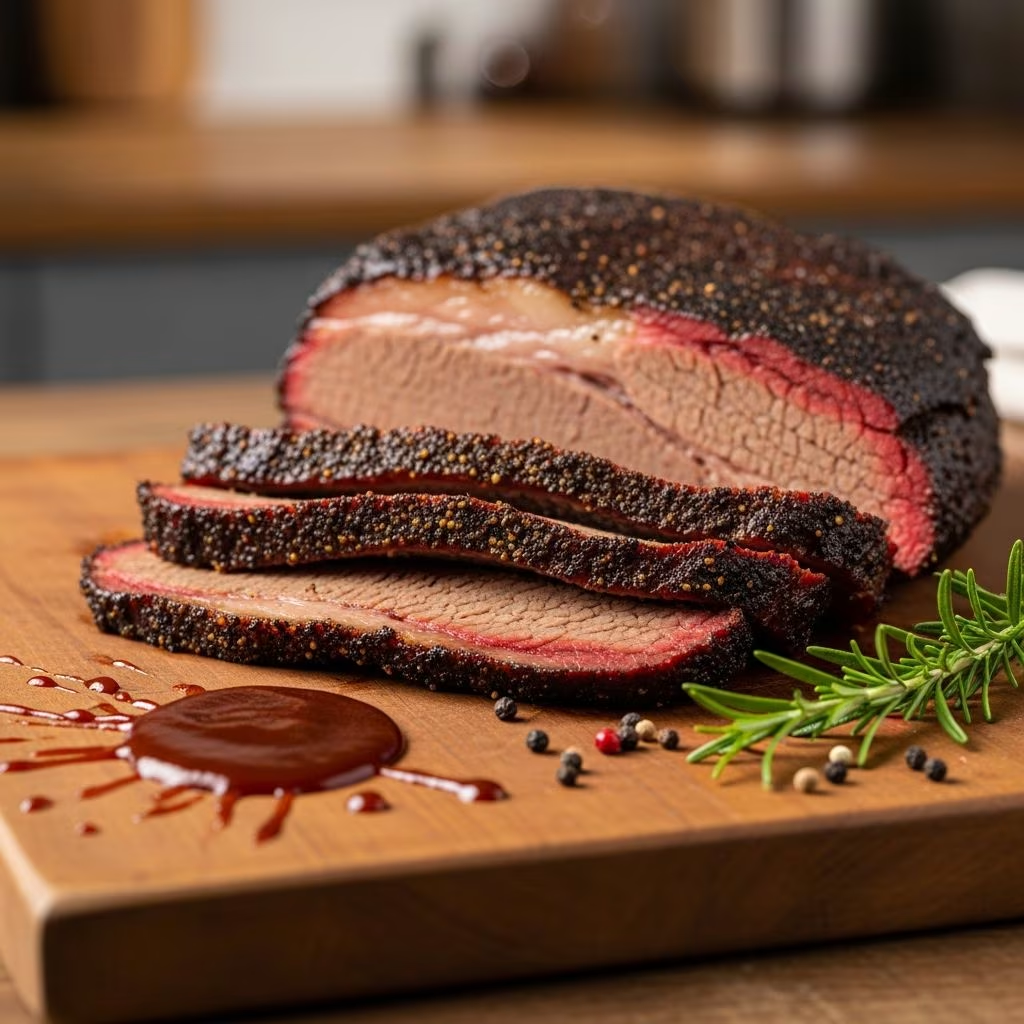
Beef brisket hails from the cow’s lower chest, a heavily exercised muscle that renders exceptionally tender through low-and-slow cooking. This primal cut, weighing 8 to 20 pounds whole, features a fat cap essential for moisture retention during extended cooks. Texas tradition favors a simple salt-and-pepper bark, amplified by post oak smoke, but slow cooker adaptations incorporate liquid smoke for that authentic hickory depth without a dedicated smoker.
Selecting prime brisket involves checking marbling—those white fat veins promise juiciness. Opt for USDA Choice or Prime grades for superior flavor; the fat cap should be at least a quarter-inch thick. Trim excess only if it’s overly thick, preserving natural basting. Brisket divides into the leaner flat and richer point; whole packers yield the best slow cooker results as they self-regulate moisture.
Essential Ingredients for Authentic Flavor
Great brisket starts with quality components. Core elements include a robust dry rub, aromatic liquids, and a finishing sauce. Here’s a breakdown:
- Beef Brisket: 4-5 pounds, untrimmed packer preferred for balanced texture.
- Dry Rub Staples: Coarse kosher salt, black pepper, garlic powder, onion powder, paprika, and chili powder for earthy warmth.
- Liquid Smoke: Hickory or mesquite varieties mimic wood-fired essence; use sparingly, 1-2 teaspoons.
- Aromatics: Minced garlic, sliced onions, bay leaves, and Worcestershire for umami layers.
- Broth Base: Beef stock or broth, about ½ cup, to prevent drying.
- BBQ Sauce Finish: Thick, tangy varieties like Cattle King or homemade blends with ketchup, vinegar, and brown sugar.
These ingredients harmonize to replicate Texas smokehouse profiles, ensuring bark formation and juice infusion.
Step-by-Step Slow Cooker Preparation
Preparation unfolds in phases: rub application, marination, cooking, and sauce integration. Allow 10-15 minutes active time, plus overnight rest for peak flavor penetration.
- Prep the Rub: Mix 2 tablespoons kosher salt, 2 tablespoons black pepper, 1 tablespoon each garlic and onion powder, 1 tablespoon paprika, and 2 teaspoons chili powder. Optionally add 1 teaspoon ground mustard or coriander for nuance.
- Season the Brisket: Pat dry, then generously coat all surfaces. Place in a large zip-top bag or covered dish; refrigerate 8-24 hours.
- Slow Cooker Setup: Layer sliced onions and garlic cloves at the base for a natural rack. Position brisket fat-side up atop vegetables.
- Add Liquids: Drizzle 2 teaspoons liquid smoke, 3 tablespoons Worcestershire, and ½ cup beef broth around the meat. Tuck in 2 bay leaves.
- Cook Low and Slow: Cover and set to low for 8-10 hours (1 hour per pound). Target internal temperature of 195-205°F for shreddable tenderness.
- Sauce and Rest: Remove brisket; discard bay leaves. Skim fat from juices, reserving 1 cup. Blend with 1-2 cups BBQ sauce, return meat, and cook on high 30-60 minutes.
- Slice and Serve: Rest 20 minutes, slice against the grain thinly for optimal tenderness.
Pro Tips for Perfect Texture and Bark
Achieving that coveted crispy bark in a moist environment demands strategy. Place onions as a buffer to elevate the meat, promoting air circulation. Fat-side up allows melting fat to baste downward. For enhanced crust post-cook, transfer to a foil-lined sheet, brush with reduced juices, and broil 3-5 minutes per side at 450°F until caramelized spots form.
Temperature control is key: slow cookers vary, so use a probe thermometer. If juices evaporate, add ¼ cup broth midway. Avoid peeking to maintain steady heat. Post-cook resting redistributes juices, preventing dryness.
| Cook Time Guide | Brisket Weight | Low Setting | High Setting |
|---|---|---|---|
| Standard | 4 lbs | 8 hours | 6 hours |
| Larger Cut | 5-6 lbs | 10 hours | 7-8 hours |
| Chopped Style | 3 lbs | 6-7 hours | 5 hours |
Flavor Variations to Elevate Your Brisket
Customize beyond classic Texas:
- Spicy Kick: Incorporate cayenne or ancho chili in the rub; pair with jalapeño-infused sauce.
- Sweet Heat: Add brown sugar to rub, finish with honey BBQ.
- Asian Fusion: Swap Worcestershire for soy sauce, add ginger and five-spice.
- Smokier Profile: Double liquid smoke or mix in chipotle powder.
- Low-Carb Option: Use sugar-free sauce and skip onions for keto-friendly results.
These tweaks maintain tenderness while diversifying palates.
Creative Serving Suggestions
Transform brisket into stars of any meal:
- Sandwiches: Pile on toasted buns with pickles, onions, and extra sauce for Texas toasties.
- Tacos: Shred, top with cilantro-lime slaw and queso fresco.
- Platters: Slice thick, serve with coleslaw, baked beans, and cornbread.
- Chopped BBQ: Finely chop point and flat, mix with sauce for Frito pie or nachos.
- Leftovers: Freeze slices in sauce for quick chili or hash additions.
Portions yield 8-12 servings; scale up for crowds.
Storage, Reheating, and Freezing
Cool brisket fully before storing in airtight containers with juices; refrigerate up to 4 days. Reheat gently in a 300°F oven covered with foil, or low slow cooker with splash of broth. For freezing, portion into zip bags flat; thaw overnight and reheat as above. Maintains quality up to 3 months frozen.
Avoid microwaving whole pieces to prevent toughness; slice first if needed.
Frequently Asked Questions
Can I cook brisket on high instead of low?
Yes, but reduce time by 25-30%; low yields better tenderness. High suits 6-7 hours for 4 pounds.
Why is my brisket tough?
Undercooked—aim for 195°F+. Older slow cookers may need extra time; test doneness with a fork.
Do I need to trim the fat?
Minimal trimming preserves moisture; remove only ragged pieces. Fat cap renders during cooking.
What’s the best liquid smoke brand?
Hickory varieties like Colgin excel for Texas authenticity; start with 1 teaspoon and adjust.
Can this recipe be doubled?
Use a 7-quart cooker; cooking time increases slightly. Rub and liquids scale evenly.
Nutrition Snapshot (Per 4oz Serving)
| Nutrient | Amount | % Daily Value |
|---|---|---|
| Calories | 320 | 16% |
| Protein | 35g | 70% |
| Fat | 18g | 23% |
| Sodium | 780mg | 34% |
Values approximate; varies by sauce and trim.
References
- USDA Beef Brisket Cooking Guidelines — United States Department of Agriculture. 2023-05-15. https://www.fsis.usda.gov/food-safety/safe-food-handling-and-preparation/meat/smoking-meat-and-poultry
- Beef Cuts and Cooking Methods — National Cattlemen’s Beef Association. 2024-02-10. https://www.beefitswhatsfordinner.com/cuts/cut/270/beef-brisket
- Slow Cooker Safety Basics — FDA Food Safety Guidelines. 2023-11-01. https://www.fda.gov/food/buy-store-serve-safe-food/slow-cookers-and-food-safety
- Texas BBQ Brisket Techniques — Texas A&M AgriLife Extension. 2022-07-20. https://agrilifeextension.tamu.edu/library/barbecue/brisket/
- Meat Internal Temperature Chart — USDA Food Safety Inspection Service. 2024-01-12. https://www.fsis.usda.gov/food-safety/safe-food-handling-and-preparation/food-safety-basics/safe-temperature-chart