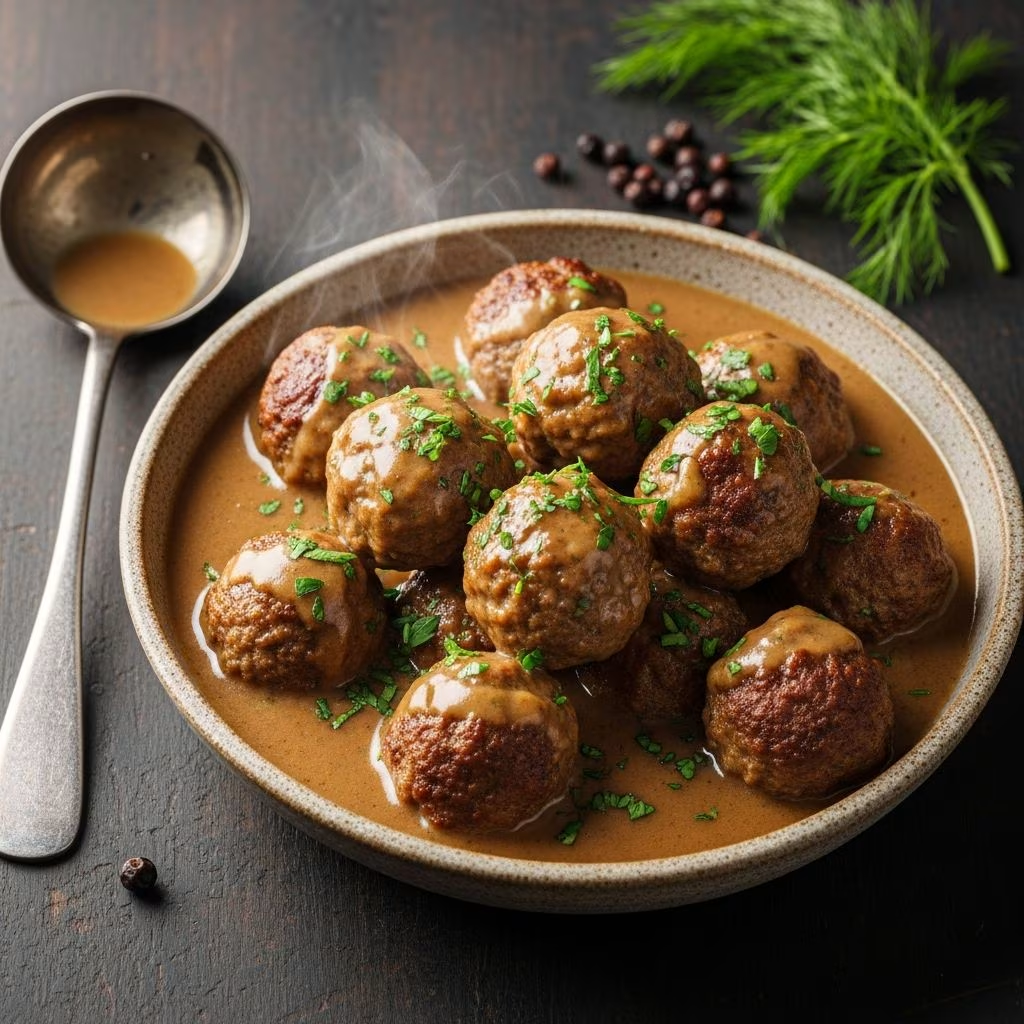
Swedish meatballs represent one of the most versatile and beloved dishes in contemporary home cooking. These tender orbs of seasoned meat, traditionally enveloped in a rich and creamy sauce, have transcended their Scandinavian origins to become a staple of American weeknight dining. The beauty of this particular interpretation lies in its accessibility. By leveraging a slow cooker and frozen meatballs as your foundation, you eliminate the barriers that often prevent home cooks from preparing restaurant-quality meals within their own kitchens.
This dish shines precisely because it demands minimal active preparation while delivering maximum flavor and satisfaction. Whether you’re managing a hectic schedule, entertaining unexpected guests, or simply seeking comfort in a bowl, this recipe adapts beautifully to your needs. The slow cooker transforms basic ingredients into something transcendent, allowing flavors to meld and deepen over several hours of gentle, unattended cooking.
Understanding the Essential Components
The foundation of this recipe rests on several key elements working in harmony. Each ingredient serves a specific purpose, whether contributing body to the sauce, deepening flavor profiles, or creating that signature creamy texture that defines the dish.
The Meatball Base
Frozen meatballs serve as the cornerstone of this simplified approach. A standard 32-ounce bag provides sufficient volume for a generous serving of four to five portions. These pre-formed spheres eliminate the time-consuming process of mixing ground meat, shaping individual portions, and managing browning temperatures. They arrive already seasoned and frozen, ready to transition directly into your slow cooker vessel.
The Sauce Architecture
The creamy sauce encompasses several components that work synergistically. Beef broth provides the liquid foundation and savory base notes. Cream of mushroom soup contributes umami depth alongside a naturally creamy component that reduces reliance on additional heavy cream. Brown gravy powder mix intensifies the meaty character while simultaneously thickening the sauce. Worcestershire sauce introduces complexity through its fermented vinegar profile, adding subtle acidity and subtle sweetness that prevents the sauce from becoming one-dimensional.
Textural Enhancement
A cornstarch slurry acts as the primary thickening agent. This combination of cornstarch and cold water creates a suspension that, when incorporated into the slow cooker’s warm environment, swells and traps moisture, transforming the liquid into a glossy, coat-clinging sauce. Sour cream, added toward the end of cooking, contributes tanginess while reinforcing the creamy mouthfeel without introducing excessive richness.
Complete Ingredient Inventory
- 2 tablespoons cornstarch
- 2 tablespoons cold water
- 3 cups beef broth (preferably low-sodium)
- 32 ounces frozen meatballs
- 10 ounces canned cream of mushroom soup
- 1 packet brown gravy powder mix (approximately 0.8 ounces)
- 3 tablespoons Worcestershire sauce
- 1 teaspoon onion powder
- 1 teaspoon garlic powder
- ½ cup sour cream
- Cooked egg noodles for serving
Preparation and Execution Strategy
Stage One: Building the Slurry
Begin by measuring your cornstarch into a small mixing bowl. Add cold water and whisk vigorously for approximately one minute until the mixture reaches a uniform consistency. This preparation prevents lumping when the slurry enters the warm slow cooker environment. The cornstarch molecules distribute evenly throughout the water rather than clumping together, ensuring smooth sauce development.
Stage Two: Slow Cooker Assembly
Select a large-capacity slow cooker, ideally six quarts or larger, to accommodate the substantial volume of meatballs and sauce without overcrowding. Pour the cornstarch slurry into the slow cooker first, establishing a foundation. Add the beef broth, frozen meatballs, cream of mushroom soup, brown gravy powder mix, and Worcestershire sauce in any order. Sprinkle onion powder and garlic powder over the top. Using a sturdy spoon, stir the entire mixture thoroughly, ensuring the gravy powder dissolves completely and the slurry distributes evenly throughout the liquid.
Stage Three: Cooking Process
Cover the slow cooker and establish the temperature at high. This setting accelerates the cooking process compared to the low setting, which would require six to eight hours of cooking time. At high temperature, anticipate completion within three to four hours. The meatballs will reach serving temperature well before this timeframe concludes, as they arrive pre-cooked from the freezing process. The extended cooking allows the sauce to thicken progressively and flavors to intensify as moisture reduces gradually.
Stage Four: Final Incorporation
After the slow cooker has completed its three-to-four-hour cycle, switch the appliance to the off position. This is the critical moment for sour cream addition. While the mixture remains warm but no longer actively heating, stir in the sour cream using gentle circular motions. Ensure thorough incorporation without vigorous stirring, which could break down the already-cooked meatballs unnecessarily. The residual heat will warm the sour cream to serving temperature without curdling or separating.
Serving Suggestions and Complementary Sides
While egg noodles represent the classic accompaniment, this versatile dish welcomes multiple presentations. Mashed potatoes provide earthiness and comfort, their fluffy texture contrasting beautifully with the creamy sauce. Rice, whether plain white or wild varieties, offers subtle nutty undertones. Polenta delivers sophisticated texture while remaining accessible to most home cooks. For a lighter interpretation, serve directly in shallow bowls without additional starches, allowing the sauce and meatballs to shine.
Time and Yield Breakdown
| Element | Duration |
|---|---|
| Preparation Time | 10 minutes |
| Cooking Time (High Setting) | 3-4 hours |
| Total Time to Service | Approximately 4 hours 10 minutes |
| Portion Yield | 5 generous servings |
Adaptability and Customization Options
Protein Variations
While the recipe specifies beef meatballs, turkey and chicken varieties perform admirably when substituted in equal quantities. Ground pork meatballs introduce a subtly sweeter dimension. Mixed-protein formulations, combining beef with pork in balanced proportions, create complexity. Each variation requires identical cooking times and sauce adjustments.
Seasoning Modifications
The onion and garlic powder quantities represent starting points rather than absolute requirements. Home cooks preferring more pronounced allium character can increase these measurements to one and one-half teaspoons each without compromising the dish. Conversely, those sensitive to garlic’s pungency can reduce the garlic powder to one-half teaspoon. Fresh herbs like parsley or thyme, added in the final minutes, contribute brightness.
Sauce Customization
Cream of chicken soup substitutes for mushroom variety, yielding lighter character. For those avoiding canned soups entirely, whisking together beef broth, heavy cream, and a roux creates entirely from-scratch sauce. Dijon mustard introduces Scandinavian authenticity while adding subtle complexity.
Heat Consideration
The recipe as written produces mild results suitable for diverse palates. To introduce heat, incorporate one-quarter to one-half teaspoon cayenne pepper or one-quarter teaspoon black pepper during the initial slow cooker assembly phase.
Frequently Asked Questions
Can I use fresh meatballs instead of frozen?
Yes, though the cooking method requires adjustment. If using fresh uncooked meatballs, first brown them briefly in a skillet over medium-high heat to develop an exterior crust, approximately two minutes per side. This prevents them from disintegrating during the extended slow cooker cooking process. Fresh meatballs will require the full four hours at high temperature or six to eight hours at low temperature to cook through completely.
What if I want to prepare this recipe ahead of time?
Assemble all ingredients except the sour cream in the slow cooker vessel the evening before. Cover tightly with plastic wrap and refrigerate overnight. The following morning, place the slow cooker insert into its heating base and proceed with cooking instructions. Reduce high-temperature cooking time by thirty minutes since the ingredients begin at refrigerator temperature. Add sour cream only after switching the slow cooker off, regardless of advance preparation.
How should I store leftovers?
Transfer cooled meatballs and sauce into airtight containers and refrigerate for up to three days. The sauce will thicken further during refrigeration as the cornstarch-thickening effect intensifies. Gently reheat in a saucepan over low heat, stirring frequently, or use the slow cooker’s warm setting if reheating in bulk. Freeze for up to two months; thaw overnight in the refrigerator before reheating.
Can I make this recipe in a smaller slow cooker?
Smaller appliances present challenges due to volume constraints and altered cooking dynamics. If using a four-quart slow cooker, reduce all ingredient quantities by one-third. Alternatively, use the full recipe and accept more crowded conditions, which may require adding fifteen to thirty minutes to the cooking duration.
What if my sauce seems too thin after cooking?
Mix one tablespoon of cornstarch with two tablespoons of cold water to create an additional slurry. Stir this into the slow cooker and cook uncovered on high for fifteen to twenty minutes, allowing the additional thickening agent to activate while excess moisture evaporates.
Nutritional Considerations
This recipe emphasizes convenience and comfort rather than optimizing for specific nutritional profiles. The dish derives significant calories from the sour cream component and the inherent fat content of meatballs. Sodium levels run moderately high due to the canned soup, gravy powder, and broth components. To reduce sodium content, substitute low-sodium varieties of beef broth and cream of mushroom soup while reducing Worcestershire sauce to two tablespoons.
Final Thoughts on Execution
The enduring appeal of slow cooker Swedish meatballs rests fundamentally on the balance between minimal intervention and maximum flavor delivery. This recipe demonstrates that accessible ingredients, when combined thoughtfully and allowed adequate time to develop their full potential, produce results that rival more labor-intensive preparations. Whether you’re establishing this as your go-to weeknight solution or serving it to guests who expect homemade excellence, this approach delivers reliably satisfying outcomes with minimal stress to the cook.
References
- Slow Cooker Swedish Meatballs — Julia Pacheco. 2024. https://www.juliapacheco.com/slow-cooker-swedish-meatballs/
- Crock Pot Swedish Meatballs — The Country Cook. 2024. https://www.thecountrycook.net/crock-pot-swedish-meatballs/
- Easy Homemade Crockpot Swedish Meatballs — Our Salty Kitchen. 2024. https://oursaltykitchen.com/crockpot-swedish-meatballs/