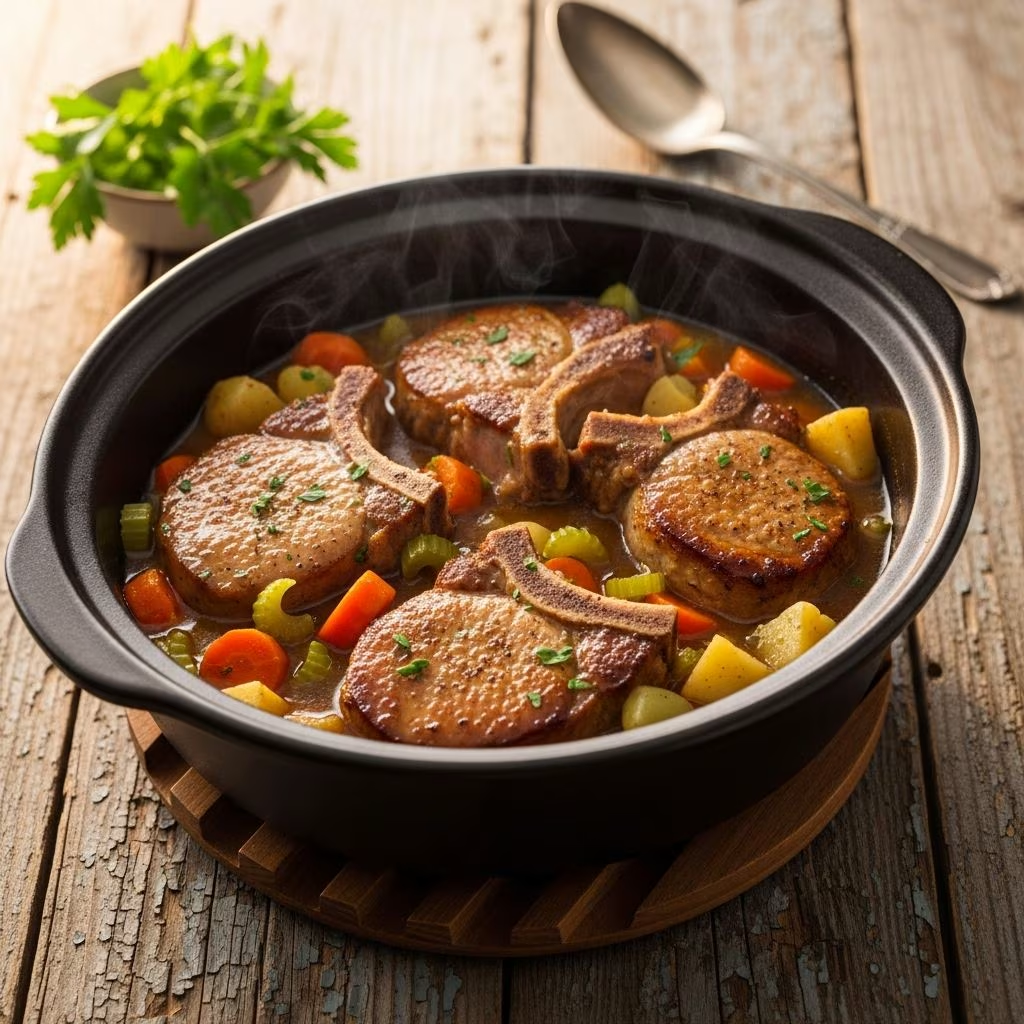
When you’re searching for a meal that combines simplicity with satisfying flavor, slow cooker pork chops deliver on both fronts. This versatile dish transforms humble cuts of pork into succulent, tender pieces smothered in rich gravy—all with minimal hands-on time. Whether you’re a busy professional juggling work and family obligations or someone simply looking to reduce time spent in the kitchen, this cooking method offers an impressive solution that produces restaurant-quality results.
Why Choose the Slow Cooker Method?
The slow cooker stands out as one of the most efficient appliances for preparing pork chops because it uses low, steady heat to break down connective tissues in the meat gradually. This extended cooking process ensures that even budget-friendly cuts become incredibly tender and absorb all the surrounding flavors. Unlike stovetop or oven methods that require constant monitoring and precise timing, the slow cooker operates independently once you’ve assembled your ingredients.
This approach also offers significant advantages for meal planning. You can prepare everything in the morning, set the cooker, and return home to a fully cooked dinner requiring only final plating. The unattended cooking time frees you to focus on other responsibilities, making it especially valuable during hectic weekdays. Additionally, the slow cooker’s gentle cooking method helps retain moisture in the pork, preventing the dryness that sometimes occurs with faster cooking techniques.
Essential Ingredients for Building Flavor
Creating a memorable slow cooker pork chop dish begins with understanding how each ingredient contributes to the final result. The foundation typically includes one pound of pork chops, though you can adjust this quantity based on your serving needs and slow cooker capacity. Both bone-in and boneless varieties work well, though bone-in cuts often provide additional flavor depth.
The seasoning profile forms the backbone of this dish’s appeal. Most successful recipes employ a multi-layered approach rather than relying on salt alone. Ranch dressing mix provides an instant flavor boost with its blend of herbs and spices, while garlic powder adds aromatic depth. Black pepper introduces a subtle spice that complements rather than overwhelms the pork’s natural taste.
The liquid components—cream of chicken soup, beef broth, and brown gravy mix—work together to create the signature creamy sauce. Beef broth contributes savory depth, the canned soup provides creaminess and additional richness, and gravy mix ensures the sauce achieves the desired consistency and color. Together, these elements create a sauce that clings to the meat and complements virtually any side dish.
Preparation Techniques That Maximize Results
While slow cooker cooking minimizes active preparation, the initial steps significantly impact your final dish’s quality. Begin by seasoning both sides of your pork chops thoroughly with the ranch dressing mix, garlic powder, and pepper. This even distribution ensures every bite contains balanced flavoring rather than concentrated seasoning in certain areas.
In a separate vessel, whisk together your brown gravy mix, cream of chicken soup, and beef broth before adding them to the slow cooker. This preliminary mixing prevents lumps and ensures the gravy mix disperses evenly throughout the liquid. Lumpy gravy detracts from the dish’s appeal and creates an inconsistent texture, so this step deserves your attention.
Arrange your seasoned pork chops in the slow cooker and pour the sauce mixture over them, ensuring the liquid surrounds each chop adequately. Proper distribution of liquid promotes even cooking and prevents certain pieces from drying out. The liquid should partially submerge the meat without completely covering it—the steam created during cooking contributes significantly to the tenderizing process.
Cooking Times and Temperature Considerations
The slow cooker’s flexibility regarding cooking duration represents one of its greatest advantages. You can prepare this dish on a high heat setting for 3-4 hours or on low for 6-7 hours, depending on your schedule and the thickness of your pork chops. Thicker, bone-in cuts typically require the extended cooking period, while thinner boneless pieces may finish faster.
Meat thermometers provide the most reliable way to determine doneness rather than relying on appearance alone. Pork reaches food safety temperature at 145 degrees Fahrenheit according to USDA guidelines. Using a thermometer inserted into the thickest part of the meat ensures you achieve proper doneness without overcooking, which can result in dryness.
The low-and-slow approach offers advantages beyond cooking flexibility. Extended low-temperature cooking allows the meat’s proteins to denature gradually, creating a tender texture throughout rather than tough exterior layers. The slow cooking also permits flavors to meld and intensify, creating a more complex taste profile than faster cooking methods produce.
Creating the Perfect Gravy Consistency
While the basic sauce forms during cooking, many cooks prefer achieving a thicker, more luxurious gravy before serving. This enhancement step takes only minutes but significantly elevates the dish’s presentation and eating experience. Remove the finished pork chops carefully onto a serving plate, then focus on thickening the remaining cooking liquid.
Mix two tablespoons of cornstarch with two tablespoons of water, stirring until the cornstarch completely dissolves. This slurry prevents clumping when added to hot liquid. Whisk this mixture directly into the hot gravy, then increase the slow cooker to high heat. Within 5-10 minutes, the gravy thickens noticeably and develops a glossy appearance. The cornstarch molecules absorb the liquid, creating a silky texture that coats a spoon and clings beautifully to accompanying starches.
Alternative thickening methods include mixing flour with water using the same ratio, though cornstarch produces slightly more translucent results. Some cooks prefer reducing the cooking liquid on the stovetop after removing the meat, which intensifies flavors while naturally thickening the sauce through evaporation.
Complementary Side Dishes and Serving Suggestions
The rich, savory gravy produced by this cooking method pairs excellently with starchy side dishes that absorb and complement the sauce. Mashed potatoes represent the classic accompaniment—their creamy texture and mild flavor provide the perfect canvas for the pork and gravy. Rice, whether white, brown, or wild varieties, also works beautifully, offering texture contrast while soaking up every bit of sauce.
For lighter accompaniments, consider roasted or steamed vegetables. Roasted green beans add a slightly bitter note that balances the savory richness of the dish. Roasted root vegetables like carrots, parsnips, or potatoes create a complete one-plate meal when served alongside the pork chops and gravy.
Fresh garnishes elevate the presentation and add brightness to the finished dish. Chopped parsley introduces a pop of color and fresh herbal notes that cut through the sauce’s richness. A light dusting of paprika adds visual appeal without significantly altering the flavor profile.
Advanced Variations and Flavor Modifications
While the basic formula produces excellent results, numerous variations exist for cooks seeking different flavor experiences. Those preferring creamy, garlic-forward profiles can substitute heavy cream and cream cheese for portions of the broth, creating a richer sauce enhanced by minced garlic. This variation appeals to cooks who enjoy restaurant-style presentations.
Mushroom and onion additions create earthy, umami-rich depth. Sautéing these vegetables before adding them to the slow cooker intensifies their flavors and prevents excess moisture. Layer them on the slow cooker bottom before placing pork chops on top, which allows their flavors to infuse the entire dish.
Brown sugar combined with garlic creates a sophisticated sweet-savory profile that appeals to those preferring slightly sweet preparations. Italian seasoning variations offer Mediterranean-inspired alternatives for cooks seeking different cultural flavor profiles.
Storage, Reheating, and Make-Ahead Strategies
This dish’s versatility extends to meal preparation and storage. Properly stored slow cooker pork chops remain safe in refrigerated containers for 3-4 days, making them excellent for planned leftovers or batch cooking. The flavors actually intensify after sitting overnight, making day-two servings potentially even more delicious than the initial meal.
Reheating should occur gently to prevent the pork from drying out. Low oven temperatures (around 325 degrees Fahrenheit) or stovetop warming over medium-low heat preserves moisture better than microwave reheating. Add a splash of broth to the sauce if it appears too thick after refrigeration.
For make-ahead convenience, assemble all dry ingredients and prepare the liquid sauce mixture the night before. Store components separately in the refrigerator, then combine everything in the slow cooker before departing for work. This strategy reduces morning preparation to a single step.
Frequently Asked Questions
Can I Use Thick-Cut Pork Chops?
Yes, thicker cuts work wonderfully in slow cookers, though they require longer cooking times. Pieces 1.5-2 inches thick typically need the full 6-7 hours on low heat or 3-4 hours on high. A meat thermometer ensures you achieve doneness without overcooking.
What If I Don’t Have Brown Gravy Mix?
You can create a similar result by combining equal parts flour and broth into a paste, whisking this into the cooking liquid, or using beef consommé as an alternative. The final consistency and flavor will differ slightly but remain delicious.
Is This Recipe Suitable for Dietary Restrictions?
This traditional recipe contains gluten in the gravy mix and soup. Those requiring gluten-free versions can substitute certified gluten-free gravy mix and cream soups, maintaining the same flavor profile while accommodating dietary needs.
How Many Servings Does This Produce?
The basic recipe yields approximately 4 servings with one pound of pork chops. Multiply ingredients proportionally for larger families or meal-prep purposes. A standard 6-quart slow cooker accommodates up to 2-3 pounds of meat comfortably.
Can Frozen Pork Chops Cook Directly in the Slow Cooker?
While technically possible, thawing pork chops beforehand ensures more even cooking. Frozen pork requires significantly extended cooking time and may result in uneven texture throughout the meat.
References
- Food Safety for Pork: Internal Temperature — United States Department of Agriculture (USDA) Food Safety and Inspection Service. 2024. https://www.fsis.usda.gov/food-safety/safe-food-handling-and-preparation/meat/safely-cooking-pork-products
- Slow Cooker Food Safety Guidelines — Centers for Disease Control and Prevention (CDC). 2023. https://www.cdc.gov/foodsafety/communication/slow-cooker-safety.html
- Meat Cookery: Methods and Science — McGee, Harold. On Food and Cooking: The Science and Lore of the Kitchen. Scribner, 2004.