When it comes to classic comfort food, few dishes rival the simplicity and satisfaction of perfectly prepared mashed potatoes. Yet achieving that elusive combination of creaminess, flavor, and texture can be surprisingly challenging when using traditional stovetop methods. The solution lies in embracing modern cooking technology combined with carefully selected ingredients that elevate this humble side dish into something truly extraordinary.
The approach of using a slow cooker to prepare mashed potatoes represents a significant departure from conventional techniques, offering both convenience and superior results. By allowing potatoes to cook gently over extended time in a flavorful liquid base, you create conditions that naturally produce a smoother, more cohesive final product. The addition of premium ingredients like cream cheese transforms what might otherwise be a straightforward side into a dish worthy of fine dining establishments.
Understanding the Foundation: Selecting Your Potatoes
The quality of your finished dish begins with choosing the right type of potato. Russet potatoes serve as the gold standard for this preparation due to their high starch content and naturally fluffy texture when cooked. Their thick flesh breaks down beautifully into a smooth paste when mashed, unlike waxy potato varieties that tend to become gluey or remain chunky.
When preparing your potatoes, uniformity in sizing matters significantly. Cutting each piece to approximately one inch ensures that all potatoes reach the same level of tenderness simultaneously. Uneven pieces result in some portions becoming mushy while others remain firm, compromising the overall consistency of your final dish.
For those seeking visual interest or preferring the added nutritional benefit of retained skin, red potatoes or small fingerling varieties can be substituted, though they may produce a slightly less smooth result. If you choose this route, leaving the skins intact adds both texture and a rustic appeal to your presentation.
The Role of Liquid in Slow Cooker Preparation
Using broth instead of water fundamentally changes the flavor profile of mashed potatoes. Chicken broth introduces savory depth that enhances rather than overpowers the natural potato taste. The broth serves dual purposes: it cooks the potatoes through gentle heat transfer while infusing them with additional flavor from the start of the cooking process.
For those monitoring sodium intake, selecting low-sodium broth varieties allows you to control the salt level throughout preparation. Vegetable broth presents an equally valid alternative that works particularly well for vegetarian dining occasions. The choice of liquid significantly impacts the final seasoning balance, so selecting quality broth rather than water justifies the minimal additional expense.
The excess broth remaining after draining the cooked potatoes shouldn’t be discarded. This flavorful liquid serves as an excellent base for gravy, providing a convenient way to create a complementary sauce that pairs perfectly with your finished potatoes.
Fat Components: Butter and Cream Cheese Synergy
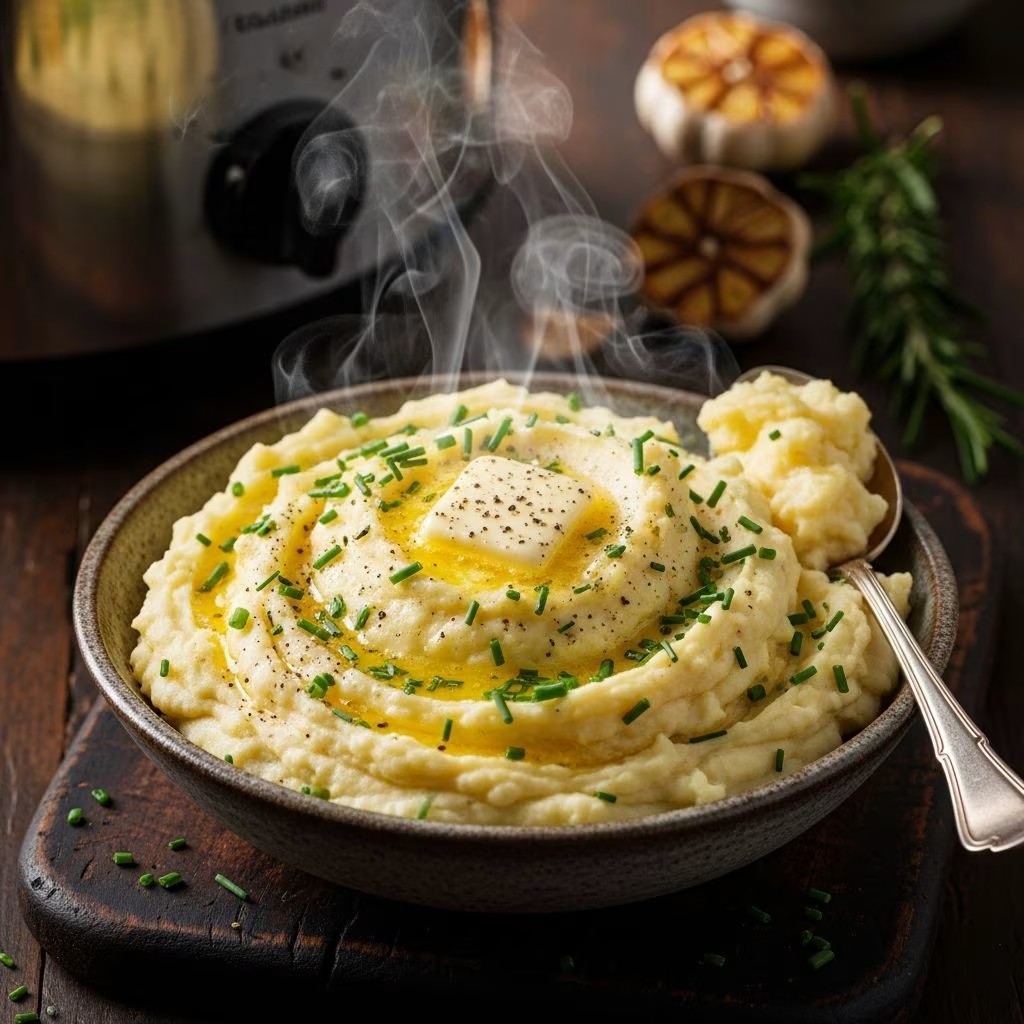
Butter and cream cheese work in concert to create the luxurious texture associated with restaurant-quality mashed potatoes. Butter contributes rich, familiar dairy flavor while cream cheese adds a subtle tanginess and creates an exceptionally smooth consistency that regular mashed potatoes simply cannot achieve through traditional methods alone.
The cream cheese requires softening before incorporation to ensure it integrates smoothly without creating lumps or grainy texture. Cutting it into small cubes before adding accelerates the melting process when combined with warm potatoes. Using full-fat cream cheese rather than reduced-fat varieties produces noticeably superior results in both texture and taste.
For those with dietary restrictions or taste preferences, substitutions are available. Sour cream provides similar creamy qualities with a more pronounced tangy flavor. Greek yogurt offers a lighter alternative that still delivers creaminess, though the final texture may be slightly less rich. These alternatives work best as complete replacements rather than partial substitutions, allowing the flavor profile to remain balanced.
The Slow Cooker Advantage
Unlike stovetop cooking, which demands attention and risks boiling potatoes into mushiness, the slow cooker provides a gentle, consistent cooking environment. The enclosed heat distributes evenly, and the presence of liquid prevents the direct, intense heat that can damage potato cells and produce a grainy texture.
Most recipes call for cooking on high for four to five hours, though individual slow cooker models vary in actual temperature and heat distribution. You’ll recognize doneness when a fork easily pierces the largest potato pieces without resistance. Slightly overcooking potatoes in a slow cooker rarely produces negative results, as the gentle heat prevents the excessive breakdown that occurs in boiling water.
A six-quart slow cooker capacity proves ideal for standard recipes yielding approximately ten servings. Smaller models may require ingredient reductions, while larger capacity cookers provide flexibility for scaling up quantities. The slow cooker can also serve as a convenient warming vessel, maintaining finished mashed potatoes at serving temperature for extended periods, making it particularly valuable during holiday meals or casual entertaining.
Moisture Management and Consistency Achievement
The critical step of draining excess broth determines your final potato texture. Thorough draining prevents a soup-like consistency, though retaining a small amount of moisture proves beneficial for achieving smoothness. Tip the slow cooker carefully to pour off liquid while keeping potatoes contained using the lid at an angle.
After draining and returning potatoes to the slow cooker, begin mashing using either a traditional masher or an electric hand mixer for even more refined results. The electric mixer creates the smoothest possible texture, while hand-mashing allows you to control the consistency more carefully and maintain a slightly chunkier texture if preferred.
Milk or cream should be added gradually, a small amount at a time, while continuing to mash. This incremental approach prevents over-thinning, allowing you to reach your desired consistency precisely. Temperature affects milk incorporation; room temperature or slightly warm milk integrates more easily than cold liquid straight from refrigeration.
Seasoning Strategy and Flavor Enhancement
A cardinal rule of potato preparation dictates waiting until the end of cooking before adding salt. Adding salt early to cooking liquid can draw moisture from potatoes, affecting texture. Final seasoning allows you to taste and adjust, preventing over-salting that cannot be remedied.
Beyond salt and pepper, creative seasoning options transform your dish. Italian seasoning brings Mediterranean warmth, while ranch-style seasoning introduces familiar savory notes. Fresh herbs like parsley, chives, or dill added at the finish provide brightness and visual appeal. Finely minced roasted garlic cloves stirred into finished potatoes deliver restaurant-quality depth without overwhelming delicate potato flavors.
Shredded cheese additions—cheddar, gruyere, or parmesan—introduce umami richness that makes each spoonful more satisfying. Conservative quantities ensure cheese enhances rather than dominates. Green onions or fresh scallions scattered over individual servings add textural contrast and mild onion flavor.
Preparation and Timing Considerations
The beauty of slow cooker preparation lies in its time flexibility. Potatoes can be diced and assembled in your slow cooker the evening before, refrigerated, and then set to cook the following day, requiring only a moment to plug in your appliance. This advance preparation proves invaluable when entertaining or managing complex meal timing.
Uniform potato sizing ensures even cooking and prevents waste from overcooked pieces. Spending ten to fifteen minutes on careful cutting at the beginning eliminates frustration later. A sharp knife and steady cutting surface make this preparatory work efficient and safe.
For those using stovetop cooking instead of slow cooker preparation, the same ingredients and proportions work effectively. Bring broth to boil with potatoes and half the butter, then simmer until fork-tender—approximately twenty to twenty-five minutes. Continue with the same finishing steps, mashing and adding remaining butter, cream cheese, and milk until reaching desired consistency.
Common Mistakes to Avoid
Cutting potatoes into uneven sizes creates a frustrating mix of textures when some pieces cook much faster than others. Resist the temptation to rush the cooking process by using high temperatures beyond the recommended four to five hours. Overcooked potatoes become waterlogged and lose their ability to hold mashed form.
Adding cold ingredients to hot potatoes makes smooth integration difficult. Taking a moment to soften cream cheese and use room-temperature milk streamlines the finishing process considerably. Insufficient draining leaves excess starch and liquid that produces a watery final dish rather than the luxurious texture you’re seeking.
Over-mashing can paradoxically produce a gluey texture in potatoes with high starch content. The brief mashing required when cream cheese softens potatoes means you need less aggressive mixing than traditional recipes demand. Stop mashing once you reach your preferred consistency rather than continuing until absolutely smooth.
Serving and Storage Recommendations
These mashed potatoes shine when served immediately, though the slow cooker’s warm setting maintains quality for a reasonable time during casual entertaining. For make-ahead scenarios, prepare potatoes fully and refrigerate in airtight containers for up to three days. Reheat gently in the slow cooker on low or in a saucepan over low heat, stirring occasionally and adding a splash of milk to restore creaminess if needed.
Freezing is possible though texture slightly changes upon thawing. Allow fully cooled potatoes to cool completely before freezing in portioned containers for up to three months. Thaw overnight in refrigeration and reheat using gentle methods to restore quality. Garnishing with fresh herbs immediately before serving revives the presentation.
Customization Options for Diverse Preferences
The base recipe accepts numerous variations without compromising its fundamental appeal. Truffle oil drizzled over finished potatoes introduces luxurious earthiness for special occasions. Crispy bacon pieces folded in before serving add smoky depth and textural contrast. Caramelized onions stirred through provide sweet complexity that elevates everyday meals.
For Asian-inspired variations, substitute chicken broth with vegetable broth and add sesame oil, rice vinegar, and a touch of soy sauce. Green onions and sesame seeds provide appropriate garnish. Mexican-influenced versions incorporate roasted poblano peppers, lime juice, and cilantro for bright, fresh flavors.
The recipe accepts ingredient substitutions gracefully. Those avoiding dairy can experiment with plant-based cream cheese and coconut or oat milk alternatives, though results may vary slightly from traditional versions. Monitoring the consistency proves especially important when using non-dairy ingredients, as their moisture content sometimes differs from conventional dairy products.
Nutritional Considerations
Potatoes themselves provide significant nutritional value, offering potassium, vitamin C, and B vitamins. The addition of cream cheese and butter increases caloric content and fat, transforming this from a light vegetable side into a more indulgent offering. Moderate portions allow enjoying this luxurious dish while maintaining balanced nutrition.
Reducing butter quantities or substituting Greek yogurt for cream cheese produces lighter versions that retain creaminess without all additional calories. These modifications work best when communicated to guests upfront, as the final dish tastes noticeably different from the traditional version. Offering both regular and lighter versions ensures all guests enjoy the meal according to their preferences.
Making It a Crowd-Pleasing Centerpiece
The slow cooker’s ability to hold temperature while freeing oven space makes this dish invaluable for holiday entertaining or casual gatherings. Guests consistently request recipes after tasting mashed potatoes prepared this way, as the superior creaminess and flavor immediately register as special compared to ordinary versions.
The dish accommodates dietary modifications more easily than many alternatives, allowing you to prepare batches with different ingredients in small slow cookers for guests with specific restrictions. This thoughtfulness demonstrates care while ensuring everyone at your table enjoys something satisfying.
Pairing with Main Dishes
These mashed potatoes complement virtually any protein-based main course. The cream cheese’s subtle tang balances rich roasted meats while the butter provides satisfying richness that grounds lighter preparations like fish. Vegetarian mains benefit from the umami depth, creating a more complete, satisfying plate.
When planning menus, consider allowing the mashed potatoes to be the special element, pairing them with straightforward preparations of vegetables and protein. Alternatively, balance an elaborate main dish with these simple, elegant potatoes, letting each component shine without competing for attention.
References
- Russet Potato Characteristics and Cooking Properties — USDA Agricultural Research Service. 2024. https://www.ars.usda.gov
- Potato Starch Content and Texture Development in Cooking — Cornell University College of Agriculture and Life Sciences. 2023. https://www.cals.cornell.edu
- Dairy Products in Culinary Applications: Cream Cheese and Butter Functions — University of Wisconsin-Madison Dairy Research Center. 2024. https://www.wisc.edu
- Slow Cooker Cooking Methods and Temperature Control — University of Nebraska-Lincoln Department of Nutrition and Health Sciences. 2024. https://food.unl.edu