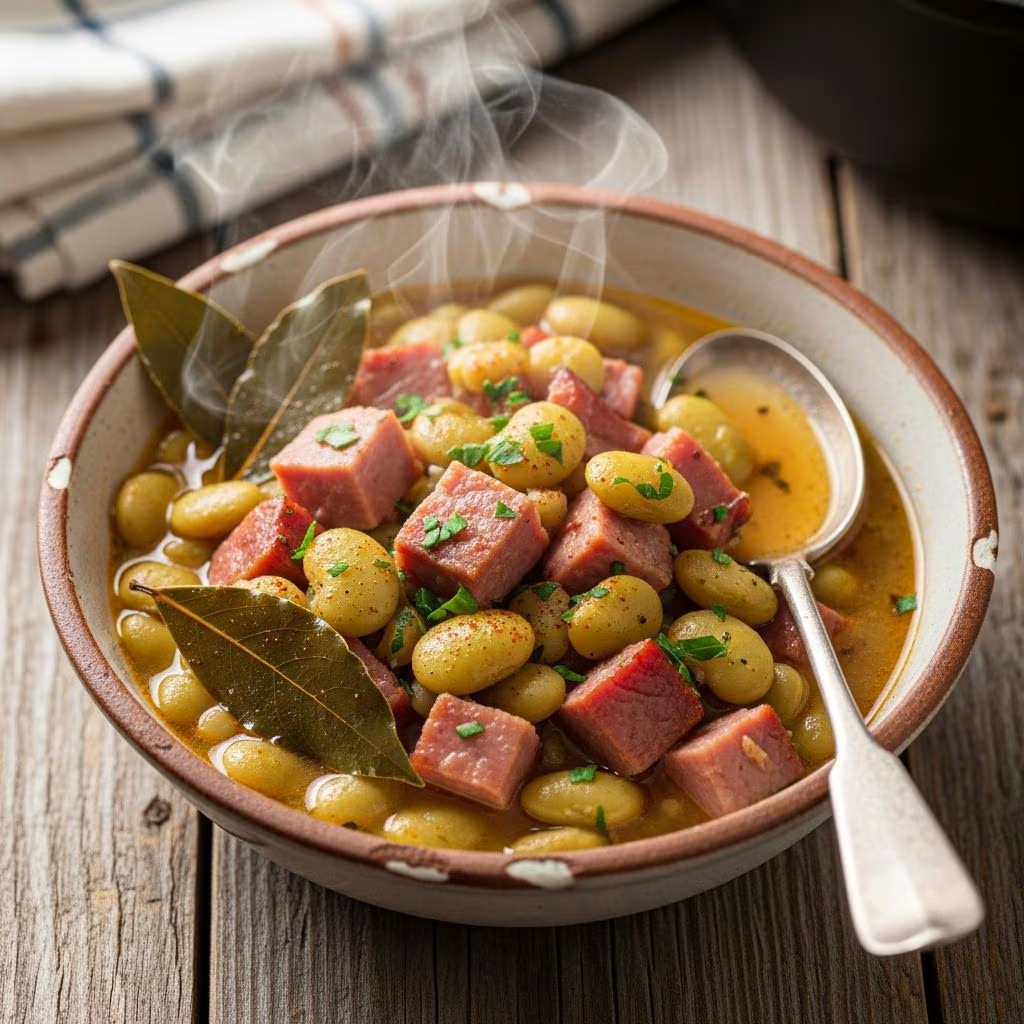
Southern cuisine has long been celebrated for its hearty, satisfying dishes that bring families together around the dinner table. Among the most beloved traditional preparations is the combination of tender lima beans with smoky ham—a pairing that delivers both comfort and nourishment. When prepared using a slow cooker, this classic dish becomes remarkably accessible for modern home cooks, allowing the flavors to develop gradually while requiring minimal active preparation time.
The beauty of this particular preparation lies in its versatility and simplicity. Whether you’re planning a weeknight family dinner, preparing for a gathering, or looking for meal-prep options, slow cooker lima beans with ham offer an economical and satisfying solution. The extended cooking time allows the dried beans to absorb the rich, smoky essence of the ham, creating a dish that tastes like it has been simmering on a stovetop all day.
Understanding Your Ingredients: Building Blocks of Flavor
The foundation of any excellent slow cooker dish begins with understanding each component. The primary ingredient—dried lima beans—serves as the canvas upon which all other flavors are built. Lima beans, also known as butter beans in many Southern regions, possess a naturally creamy texture when fully cooked and a mild, slightly nutty flavor profile. Large lima beans are generally preferred over their smaller counterparts because they maintain their structural integrity better during extended cooking periods while also providing a more substantial mouthfeel.
The ham component introduces both salinity and smokiness to the preparation. Traditionally, this dish calls for ham hocks or smoked ham shanks, which are meaty portions of the ham leg that contain bones and connective tissue. These cuts are ideal because they release their rich, collagen-based broths into the cooking liquid, creating a naturally thickened sauce that coats each bean. The prolonged cooking time extracts maximum flavor from these economical cuts, making them far more valuable in slow-cooking applications than in quick stovetop preparations.
Aromatics such as onions and garlic provide essential flavor depth and complexity. When incorporated into the slow cooker environment, these ingredients gradually break down and infuse the entire dish with their characteristic sweetness and pungency. Many traditional recipes include optional additions like bell peppers, celery, or green onions for additional layers of complexity.
Preparation Methods: From Bean Selection to Initial Steps
Before your beans ever touch the slow cooker, proper preparation ensures optimal results. Begin by spreading your dried lima beans across a clean, flat surface and carefully inspecting them. Remove any stones, debris, or discolored beans that may have been included in the package. This sorting step, though sometimes overlooked, prevents unpleasant surprises during consumption.
Next comes the question of soaking. Traditionalists often debate whether soaking beans overnight is necessary or merely recommended. Research indicates that soaking does offer certain advantages: it can reduce cooking time by approximately 25 to 30 percent, may decrease the oligosaccharides that cause digestive discomfort, and promotes more even cooking throughout the batch. However, many modern cooks find that slow cooker cooking times are already so extended that soaking provides minimal additional benefit. If you choose to soak, use cold water and allow the beans to sit for 8 to 24 hours at room temperature. If you prefer to skip this step, simply rinse the beans thoroughly under running water to remove any dust or residue.
Prepare your aromatic vegetables by dicing onions into roughly quarter-inch pieces. If using ham hocks, there is no preparation required beyond ensuring they fit comfortably in your slow cooker. For diced ham preparations, consider sourcing quality ham and cutting it into bite-sized pieces, or purchasing pre-diced ham from your grocer’s meat counter.
Mastering the Cooking Process: Timing and Temperature Control
The slow cooker method for lima beans and ham operates on straightforward principles. Layer your sorted beans into the slow cooker basin, followed by your ham component and diced onions. Distribute any seasonings you’ve selected—traditional options include garlic powder, onion powder, cayenne pepper, bay leaves, and freshly cracked black pepper. The exact seasoning profile can be adjusted to match your personal preferences or family traditions.
Coverage with liquid is crucial. Add enough broth or water to submerge all beans by approximately two inches, as beans will absorb considerable liquid during the cooking process. Chicken broth is the traditional choice, though beef broth, vegetable broth, or even plain water with additional seasonings will produce acceptable results. The broth quantity typically ranges from 6 to 9 cups, depending on your slow cooker’s capacity and your preference for a brothier versus thicker final dish.
Regarding cooking times, two primary approaches exist:
- High Setting: Cooking on high heat typically requires 4 to 6 hours, depending on bean size and your specific slow cooker model. This approach suits situations where you need dinner within a compressed timeframe.
- Low Setting: The low setting generally requires 7 to 10 hours, producing more tender beans with deeper flavor development as cooking proceeds more gradually. This method is ideal for all-day cooking or overnight preparations.
Many experienced cooks employ a hybrid approach: cooking on high for 2 hours to rapidly develop the cooking liquid, then reducing to low for the remaining cooking time. This method accelerates initial heating while still providing the gentle, extended cooking that promotes bean tenderness.
Monitoring Doneness and Making Adjustments
Approximately halfway through your estimated cooking time, carefully remove the lid and assess progress. Beans should be gradually softening, and the cooking liquid should appear somewhat cloudy as starches leach from the beans into the broth. If significant liquid has evaporated, add more hot broth or water to maintain the proper level.
Determining whether beans have reached optimal tenderness requires a simple taste test. Remove a bean using a spoon and cool it briefly before biting. Properly cooked beans should offer mild resistance when bitten but collapse easily with minimal chewing. They should never be crunchy or have a chalky center, indicators of insufficient cooking time.
The ham hock or ham shanks can be evaluated separately. When their meat begins separating easily from the bone, they are fully cooked. Many cooks prefer to remove these pieces during the final hour of cooking, shred the meat into smaller pieces, and return the meat to the slow cooker while discarding the bones.
Finishing Touches and Flavor Refinement
As your dish approaches completion, taste the broth carefully. Despite the salinity naturally present in ham, you may find that additional salt enhances the overall flavor profile. Add salt incrementally, stirring well and tasting between additions. Freshly cracked black pepper should be added to taste, as it provides a gentle heat that complements the bean and ham combination without overpowering other flavors.
If your finished dish appears too thin—perhaps more of a soup than a stew—you can thicken it using several methods. The most traditional approach involves mashing some beans directly in the pot using a potato masher, releasing their starches into the broth and naturally thickening the mixture. Alternatively, you can create a slurry by mixing cornstarch or arrowroot powder with cold water, stirring it into the slow cooker, and allowing it to cook for an additional 15 to 20 minutes on high heat.
Serving Suggestions and Complementary Sides
Southern lima beans and ham can be served multiple ways depending on your occasion and preferences. As a standalone main course, simply ladle the beans into deep bowls and serve with crusty cornbread for dipping. The rich, savory broth benefits from being soaked up by warm bread.
Alternatively, serve the beans as a side dish alongside roasted chicken, baked fish, or grilled pork chops. This presentation works particularly well for holiday meals or special occasions. The beans’ substantial nature means they can balance lighter protein preparations or contribute to more elaborate meals.
Rice is another classic accompaniment. Serve over steamed white rice, brown rice, or even fluffy cornmeal for a complete meal. This approach transforms the dish into something resembling a braise, with the beans and ham creating a rich sauce that flavors the grain underneath.
Storage and Make-Ahead Strategies
One significant advantage of this slow cooker preparation is its excellent storage properties. After cooking, allow the dish to cool to room temperature, then transfer to airtight containers. Properly stored in the refrigerator, this dish maintains quality for 4 to 5 days. The flavors actually intensify during storage as the ingredients continue to meld and the broth continues to concentrate.
Freezing is also viable. Allow the cooked beans and ham to cool completely, then portion into freezer-safe containers, leaving approximately half an inch of headspace for expansion. Frozen portions maintain quality for up to 3 months. When ready to serve, thaw overnight in the refrigerator and reheat gently in a pot on the stovetop or in the slow cooker itself.
For meal planning purposes, you can assemble all ingredients in a freezer bag without cooking. When ready to prepare the dish, transfer the contents directly to your slow cooker with the appropriate liquid and proceed with cooking. This approach extends your preparation time on busy days to merely minutes.
Customization and Regional Variations
While the traditional preparation remains beloved, regional variations and personal modifications make this dish endlessly adaptable. Some cooks from Mississippi and other Deep South regions add bacon or salt pork to deepen the smoky character. Others incorporate butter, stirring in a tablespoon or two during the final cooking phase to add richness to the broth.
Spice enthusiasts might increase cayenne pepper quantities or add a pinch of smoked paprika for additional complexity. Those preferring milder profiles can reduce or eliminate heat-producing spices. Green bell peppers can be added during the latter stages of cooking to provide a brighter note that cuts through the richness.
Nutritional Considerations and Health Benefits
Beyond their comforting qualities, lima beans offer substantial nutritional value. They provide dietary fiber supporting digestive health, plant-based protein suitable for various dietary approaches, and complex carbohydrates that sustain energy levels throughout the day. The ham contributes additional protein and minerals including selenium and phosphorus.
For those monitoring sodium intake, reducing or omitting added salt and selecting lower-sodium ham products can make this dish more suitable for specific dietary requirements. The slow cooking process extracts considerable flavor from ingredients, meaning satisfactory taste can be achieved with less added salt than might be expected.
Frequently Asked Questions
- Can I prepare this dish without soaking the beans?
- Yes, absolutely. While soaking may reduce cooking time slightly, slow cooker cooking times are extended regardless, and many cooks omit soaking without noticeable quality differences.
- What if my beans remain hard after the estimated cooking time?
- This occasionally occurs due to variations in bean age or slow cooker heating patterns. Simply extend cooking time by 1 to 2 hours. Older beans may require longer cooking regardless of method.
- Can I use canned lima beans instead of dried?
- Canned beans will become mushy if cooked for extended periods. If preferred, add them during the final 30 minutes of cooking rather than from the beginning.
- Is it necessary to use ham hocks, or can I use diced ham?
- Both work well. Ham hocks produce deeper, more complex broth through bone and collagen extraction, while diced ham provides more immediate ham flavor. Choose based on availability and preference.
- How can I make this dish vegetarian?
- Substitute the ham with vegetable broth and add smoked paprika, liquid smoke, or additional seasonings for depth. Consider adding sautéed mushrooms for umami complexity.
Southern lima beans and ham prepared in a slow cooker represent far more than a simple recipe—they embody generations of culinary tradition adapted for contemporary convenience. The slow cooker method removes the mystique from traditional cooking, making this beloved comfort food accessible to anyone with basic ingredients and a few hours of time.
References
- Southern Butter Beans — The Daring Gourmet. Retrieved April 9, 2026. https://www.daringgourmet.com/southern-butter-beans/
- Old Fashioned Crock Pot Lima Beans and Ham — Recipes That Crock. Retrieved April 9, 2026. https://www.recipesthatcrock.com/old-fashioned-crock-pot-lima-beans-and-ham/
- Slow Cooker Lima Beans — The Magical Slow Cooker. Retrieved April 9, 2026. https://www.themagicalslowcooker.com/slow-cooker-lima-beans/
- Southern Lima Beans (Butter Beans) — Southern Bite. Retrieved April 9, 2026. https://southernbite.com/southern-lima-beans-butter-beans/